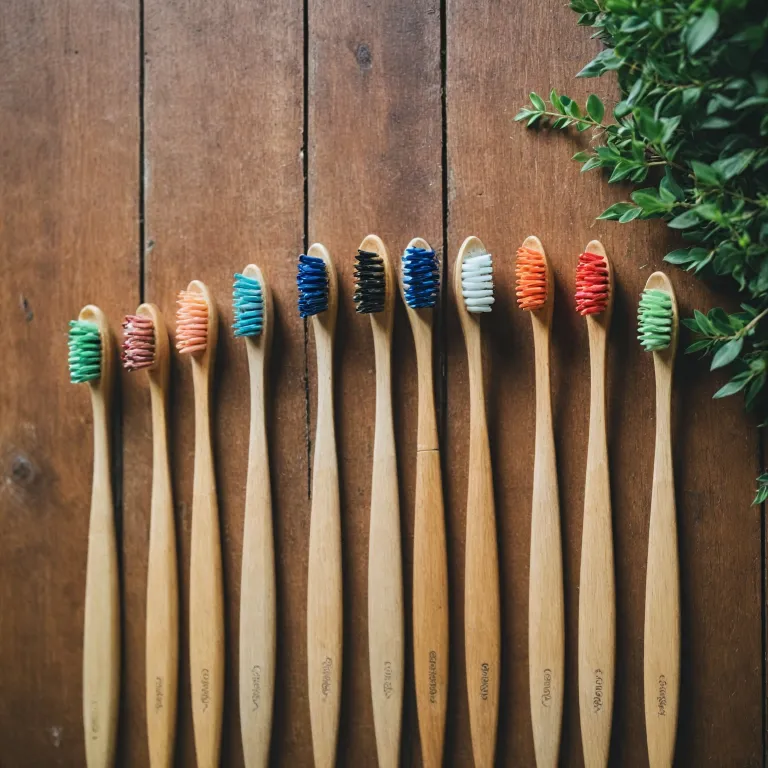

Understanding what makes a toothbrush environmentally friendly
Key Features of an Eco Friendly Toothbrush
When looking for a friendly toothbrush that’s truly eco, it’s important to understand what makes a toothbrush environmentally friendly. The main factors are the materials used, the design for longevity, and how the product can be disposed of at the end of its life. These aspects apply to both manual and electric toothbrushes, but the details can vary.
- Materials: Eco friendly toothbrushes often use sustainable materials like bamboo for handles or plant based bristles. Bamboo toothbrushes are popular because bamboo is fast-growing and biodegradable. For electric toothbrushes, some brands are now offering brush heads made with recycled plastics or castor bean based bristles, aiming to reduce reliance on virgin plastic.
- Plastic Reduction: Traditional plastic toothbrushes contribute significantly to plastic waste. Choosing a plastic free or BPA free toothbrush, or one with minimal plastic packaging, helps reduce your environmental impact.
- Design for Longevity: A well-designed toothbrush, especially electric models with replaceable brush heads, can last longer and generate less waste over time. Some friendly toothbrushes offer soft bristles for sensitive gums and teeth, which can also extend the life of the brush head.
- Packaging: Eco friendly products often come in recyclable or compostable packaging. Look for toothbrushes that avoid unnecessary plastic and use recycled or minimal materials.
- Certifications: Some toothbrushes carry certifications for sustainability, such as being vegan, cruelty free, or using FSC certified bamboo. These can help you identify truly eco options.
Whether you’re considering a bamboo toothbrush, an electric toothbrush, or other friendly toothbrushes, these features are key to making a sustainable choice. For those interested in the broader benefits of electric toothbrushes for oral care, you can find more information in this guide on why choosing an electric toothbrush can improve your oral care.
As you explore options, keep in mind that price, availability on platforms like Amazon, and travel convenience (such as toothbrush travel cases) may also influence your decision. The next sections will compare manual and electric toothbrushes for sustainability and look deeper into materials and recycling practices.
Comparing manual and electric toothbrushes for sustainability
Manual vs Electric: Which Is Greener?
When considering eco friendly toothbrush options, many people wonder if electric toothbrushes or manual toothbrushes are better for the environment. Both have their pros and cons when it comes to sustainability, waste, and materials.
- Manual toothbrushes are often seen as the more eco option, especially when made from bamboo or other plant based materials. Bamboo toothbrushes with soft bristles or nylon bristles can be composted or recycled more easily than plastic toothbrushes. Some brands offer bpa free, plastic free, or castor bean based bristles, which further reduce environmental impact.
- Electric toothbrushes typically use more materials and energy in their design and production. However, many models now offer replaceable brush heads, so you only need to change the brush head instead of the whole product. This can reduce waste over time, especially if the heads are made from recycled or plant based materials.
Packaging also plays a role. Eco friendly brands are moving towards minimal, recyclable, or compostable packaging for both manual and electric toothbrushes. When shopping for a friendly toothbrush, look for packaging that avoids excess plastic and uses recycled content.
Price and product lifespan matter too. While electric toothbrushes often have a higher upfront price, they may last longer with proper care and regular replacement of brush heads. Manual bamboo toothbrushes are usually more affordable, but need to be replaced every few months for optimal oral health, especially for those with sensitive gums or sensitive teeth.
For those who travel, both manual and electric toothbrushes offer travel-friendly options. Some electric models come with compact cases, while bamboo toothbrushes are lightweight and easy to pack.
Ultimately, the most sustainable choice depends on your needs and habits. If you prioritize minimal waste and plastic free materials, a bamboo toothbrush may be best. If you prefer the cleaning power of an electric toothbrush, choose one with recyclable heads and eco friendly materials. For more tips on finding the right toothbrush pack for your needs, check out this guide on choosing the right toothbrush pack.
Materials matter: sustainable options for electric toothbrushes
Key Materials in Eco-Friendly Electric Toothbrushes
When it comes to choosing an eco friendly electric toothbrush, the materials used in the product play a crucial role in its overall sustainability. Traditional plastic toothbrushes and even many electric toothbrushes rely heavily on petroleum-based plastics, which contribute to waste and environmental pollution. However, the industry is evolving, and several brands now offer more sustainable options for both the handle and the brush heads.
- Bamboo: While bamboo toothbrushes are more common in manual designs, some electric toothbrushes now feature bamboo elements, especially in the handle or packaging. Bamboo is a renewable resource and biodegradable, making it a popular choice for eco-conscious consumers.
- Recycled Plastics: Some electric toothbrushes use recycled plastic for their handles or brush heads, reducing the need for virgin plastic and supporting circular economy principles.
- Plant-Based Plastics: Innovations like castor bean oil-based bristles and other plant based materials are emerging as alternatives to traditional nylon bristles. These options aim to reduce reliance on fossil fuels and offer a more sustainable approach.
- BPA Free Materials: Opting for BPA free electric toothbrushes ensures that harmful chemicals are not present in the plastic components, which is better for both your health and the environment.
Brush Heads and Bristles: What to Look For
The brush head is a significant source of waste, as it needs regular replacement. Look for electric toothbrushes with recyclable or compostable brush heads, or those offering a brush head recycling program. Some brands use soft bristles made from plant based or castor bean materials, which are gentler on sensitive gums and teeth, and more eco friendly than traditional nylon bristles.
| Material | Eco Benefit | Common Use |
|---|---|---|
| Bamboo | Biodegradable, renewable | Handles, packaging |
| Recycled Plastic | Reduces waste, supports recycling | Handles, brush heads |
| Plant-Based Bristles | Lower carbon footprint | Bristles, brush heads |
| BPA Free Plastic | Healthier, safer | Handles, brush heads |
Packaging and Design Considerations
Eco friendly toothbrushes often come in plastic free or minimal packaging, using recycled cardboard or compostable materials. Some electric toothbrushes are designed for longevity, with replaceable brush heads and durable motors. For more on how motor design impacts sustainability, check out this in-depth guide to motor brushes in electric toothbrushes.
When evaluating the price and sustainability of a product, consider the full lifecycle: from materials and packaging to how you dispose of or recycle the brush head and handle. Choosing a friendly toothbrush with thoughtful design and sustainable materials helps reduce waste and supports a more eco friendly oral care routine, whether you’re at home or looking for a toothbrush travel solution.
How to properly recycle or dispose of electric toothbrushes
Responsible Disposal and Recycling of Electric Toothbrushes
Disposing of an electric toothbrush isn’t as simple as tossing it in the trash. Unlike bamboo toothbrushes or plastic-free manual brushes, electric toothbrushes contain electronic components, batteries, and mixed materials that require special handling. Here’s how to manage your eco friendly toothbrush at the end of its life:- Remove the Brush Head: Most electric toothbrushes have detachable brush heads. These are often made from nylon bristles and plastic. While not always recyclable in household bins, some brands offer recycling programs for used brush heads. Check the packaging or the brand’s website for details.
- Handle the Battery Safely: Electric toothbrushes contain rechargeable or replaceable batteries. Never throw batteries in the regular trash as they can leak harmful chemicals. Many local recycling centers or electronics stores accept small electronics and batteries for safe disposal.
- Separate Components: If possible, disassemble your electric toothbrush. Separate the plastic, metal, and electronic parts. This step increases the chances that each material can be recycled appropriately, reducing overall waste.
- Use Manufacturer Take-Back Programs: Some eco friendly toothbrush brands offer take-back or mail-in recycling services for their products, including brush heads and handles. This is especially common with brands focused on sustainability and BPA free materials.
- Check Local E-Waste Facilities: Electric toothbrushes qualify as small electronic waste. Locate a nearby e-waste drop-off point to ensure your product is processed responsibly. This helps keep hazardous materials out of landfills and supports the recycling of valuable components.
Reducing Waste with Thoughtful Choices
Choosing a toothbrush with replaceable brush heads, plant based bristles, or packaging made from recycled materials can make a big difference. Opt for brands that design their products for easy disassembly and recycling. Bamboo toothbrushes and castor bean based bristles are also good alternatives for those seeking a plastic free or low-waste solution, especially for sensitive gums or sensitive teeth.| Toothbrush Type | Disposal Method | Eco Considerations |
|---|---|---|
| Electric Toothbrush | E-waste recycling, battery removal | Look for brands with recycling programs, BPA free, plant based materials |
| Bamboo Toothbrush | Compost handle, recycle bristles | Plastic free, biodegradable handle, soft bristles for sensitive gums |
| Plastic Toothbrush | Check local recycling, landfill if not accepted | High waste, less sustainable, often not recyclable |
Reducing your carbon footprint with your oral care routine
Simple habits to lower your oral care carbon footprint
Making your daily oral care routine more eco friendly is easier than you might think. The choices you make about your toothbrush, toothpaste, and even packaging can add up to a significant impact over time. Here are some practical steps to help you reduce waste and support sustainability, whether you use electric toothbrushes, bamboo toothbrushes, or traditional plastic toothbrushes.
- Choose products with sustainable materials: Opt for toothbrushes made from bamboo, recycled plastic, or plant based bristles like castor bean oil. These materials are less harmful to the environment compared to conventional plastic.
- Switch to replaceable brush heads: Electric toothbrushes with replaceable heads generate less waste than tossing out a full plastic toothbrush every few months. Look for brands offering bpa free, plastic free, or recyclable brush heads.
- Buy in bulk or with minimal packaging: Toothbrush travel packs or multi-packs often use less packaging per brush. Seek out brands that use recycled or compostable packaging to cut down on plastic waste.
- Use soft bristles for sensitive gums: Soft or nylon bristles are gentle on sensitive teeth and gums, and some eco friendly toothbrushes now use plant based bristles for a lower environmental impact.
- Recycle or compost when possible: Many bamboo toothbrushes can be composted after removing the nylon bristles, while some electric toothbrush brands offer recycling programs for used brush heads and devices.
- Consider the product lifespan and price: A well designed electric toothbrush with durable materials may last longer, reducing the need for frequent replacements and saving money in the long run.
Everyday choices add up
Even small changes, like choosing a friendly toothbrush with plant based or bpa free materials, can make a difference. By being mindful of the design, materials, and packaging of your oral care products, you help support a more sustainable future. Remember, the most eco friendly toothbrush is the one that balances your oral health needs with a commitment to reducing waste and environmental impact.
Brands and certifications to look for when choosing an eco-friendly toothbrush
What to Look for in Eco-Friendly Toothbrush Brands
When searching for a truly eco friendly toothbrush, it’s important to look beyond the marketing claims. Many brands now offer electric toothbrushes and manual options that claim to be sustainable, but not all are created equal. Here’s how to identify brands and certifications that align with your environmental values.
- Materials Transparency: Brands that clearly state their use of bamboo, plant based bristles, or recycled plastic in their toothbrush design are generally more trustworthy. Look for details about the brush heads, bristles, and packaging. For example, bamboo toothbrushes with castor bean based bristles or bpa free nylon bristles are preferable to standard plastic toothbrushes.
- Certifications: Reputable eco certifications include FSC (Forest Stewardship Council) for bamboo, USDA Certified Biobased Product, and BPI Compostable. These indicate responsible sourcing and compostability. For electric toothbrushes, check for RoHS compliance (limiting hazardous substances) and packaging certifications like FSC or recycled content.
- Refillable and Replaceable Parts: Brands offering electric toothbrushes with replaceable brush heads and recyclable components help reduce waste. Some even offer brush head recycling programs or plastic free packaging to further minimize environmental impact.
- Commitment to Sustainability: Look for brands that publish sustainability reports, use minimal or recyclable packaging, and are transparent about their supply chain. Some companies offset their carbon footprint or use renewable energy in manufacturing.
- Price and Accessibility: While eco friendly toothbrushes can be more expensive, some brands offer affordable options on platforms like Amazon. Consider the product’s longevity and the cost of replacement brush heads when comparing price.
| Brand | Type | Key Features | Certifications |
|---|---|---|---|
| Brush with Bamboo | Bamboo Toothbrush | Plant based bristles, compostable handle, plastic free packaging | FSC, USDA Biobased |
| Georganics | Manual & Electric Heads | Castor bean bristles, refillable heads, bpa free | Vegan Society, FSC |
| Sustainable Tomorrow | Electric Toothbrush | Recycled plastic body, replaceable heads, soft bristles for sensitive gums | RoHS, Recycled Content |
| Humble Brush | Bamboo Toothbrush | Soft nylon bristles, eco packaging, supports oral care projects | FSC, Vegan Society |
Whether you have sensitive teeth, need a toothbrush travel case, or want a product for the whole family, choosing a friendly toothbrush with the right certifications and materials can make a real difference. Prioritize brands that are open about their materials, offer plastic free or recycled packaging, and have a clear commitment to sustainability. This way, your daily brush routine supports both your oral health and the planet.