
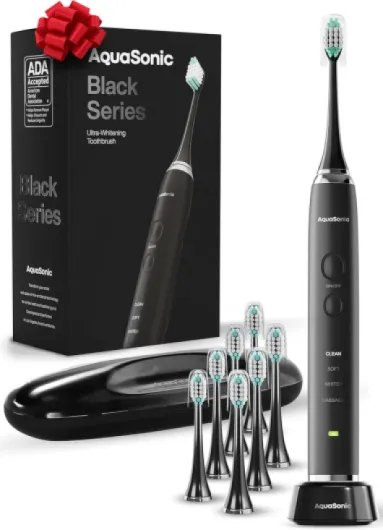

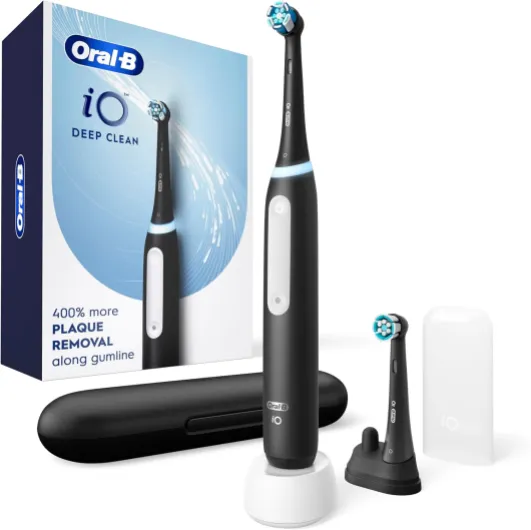
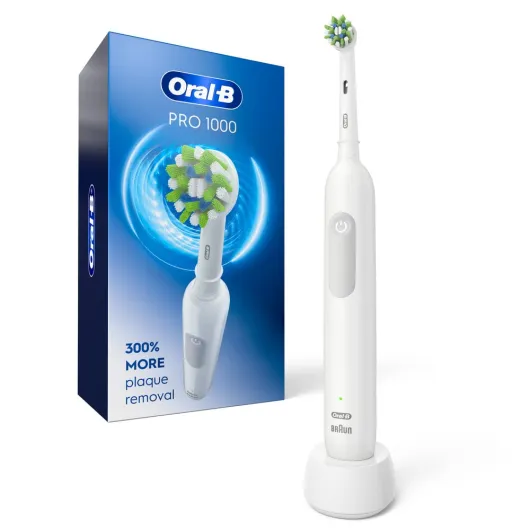
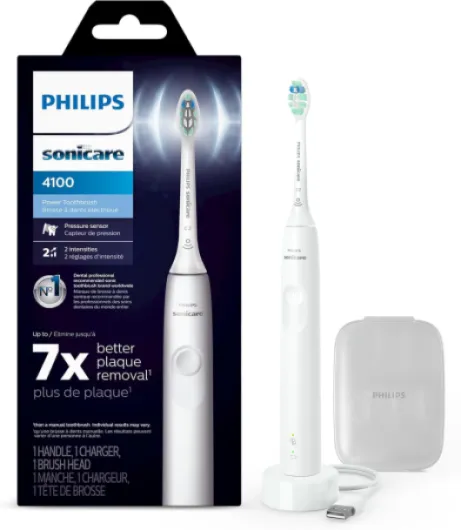
Understanding how electric toothbrushes work
How does an electric toothbrush actually work?
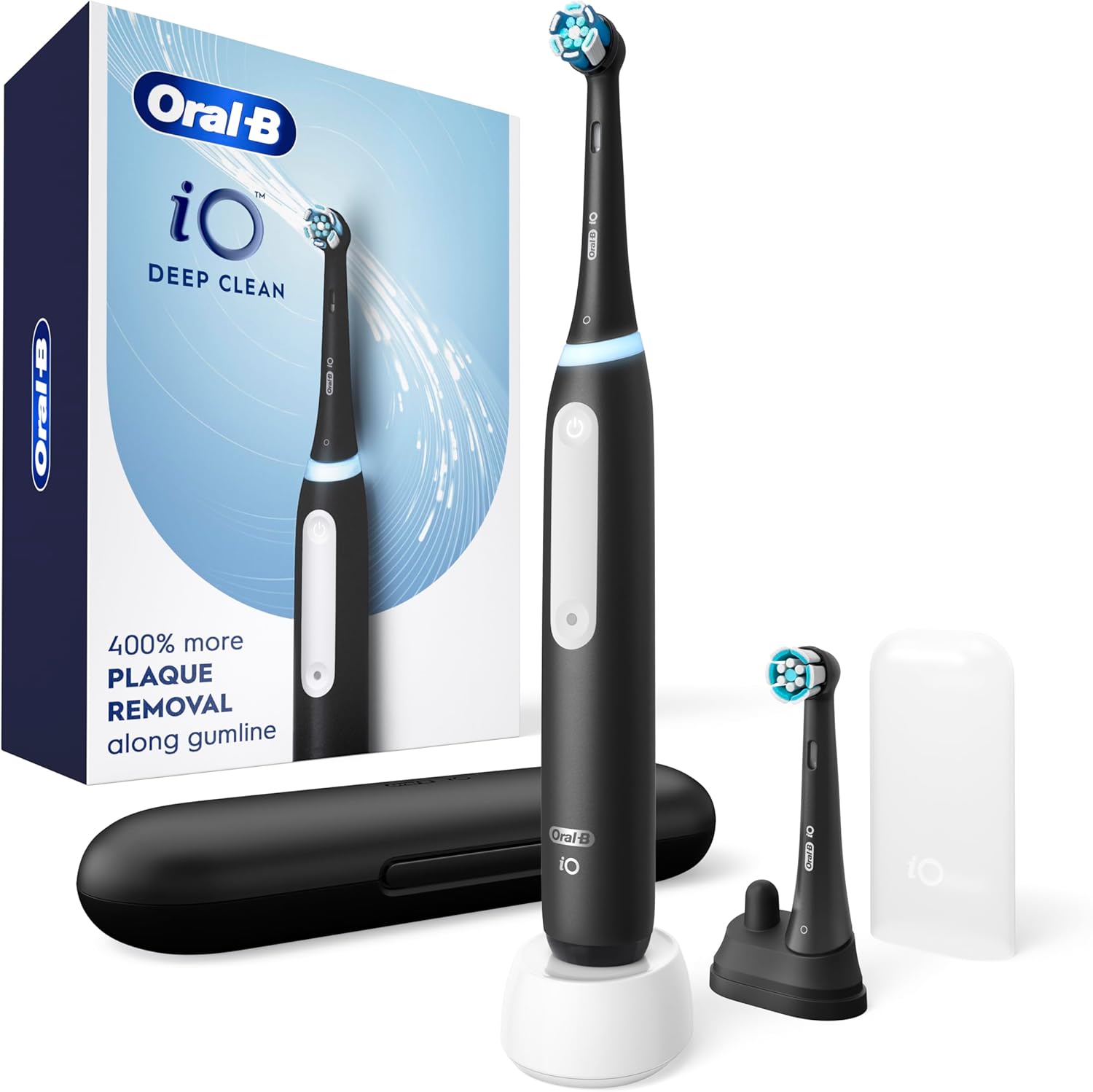
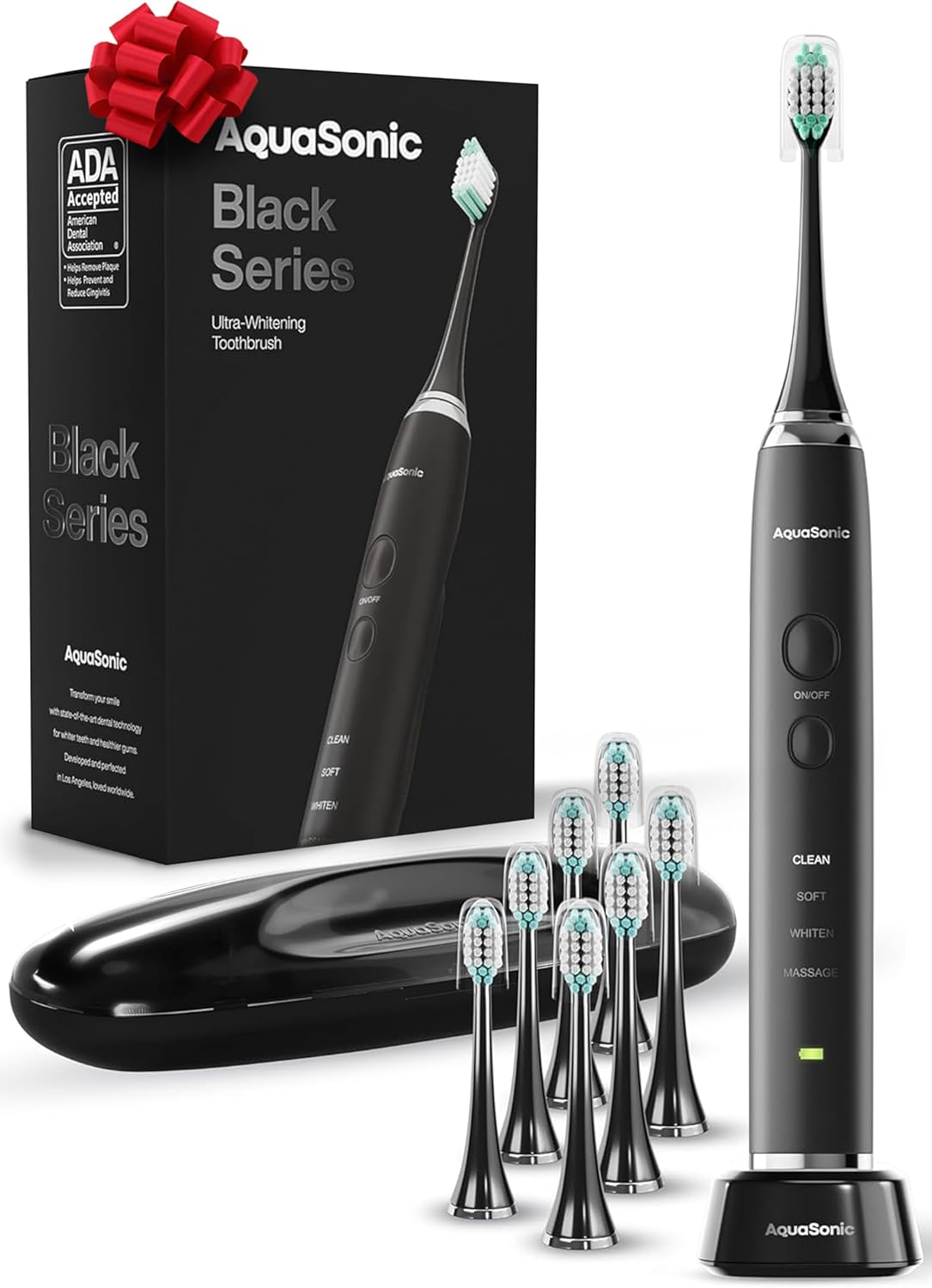
Electric toothbrushes use advanced technology to help you clean your teeth more efficiently than manual brushes. At the core, these toothbrushes have a motor that moves the brush head in rapid motions—either oscillating, rotating, or vibrating. This movement helps remove plaque and food particles from your teeth and gums with less effort compared to manual brushing.
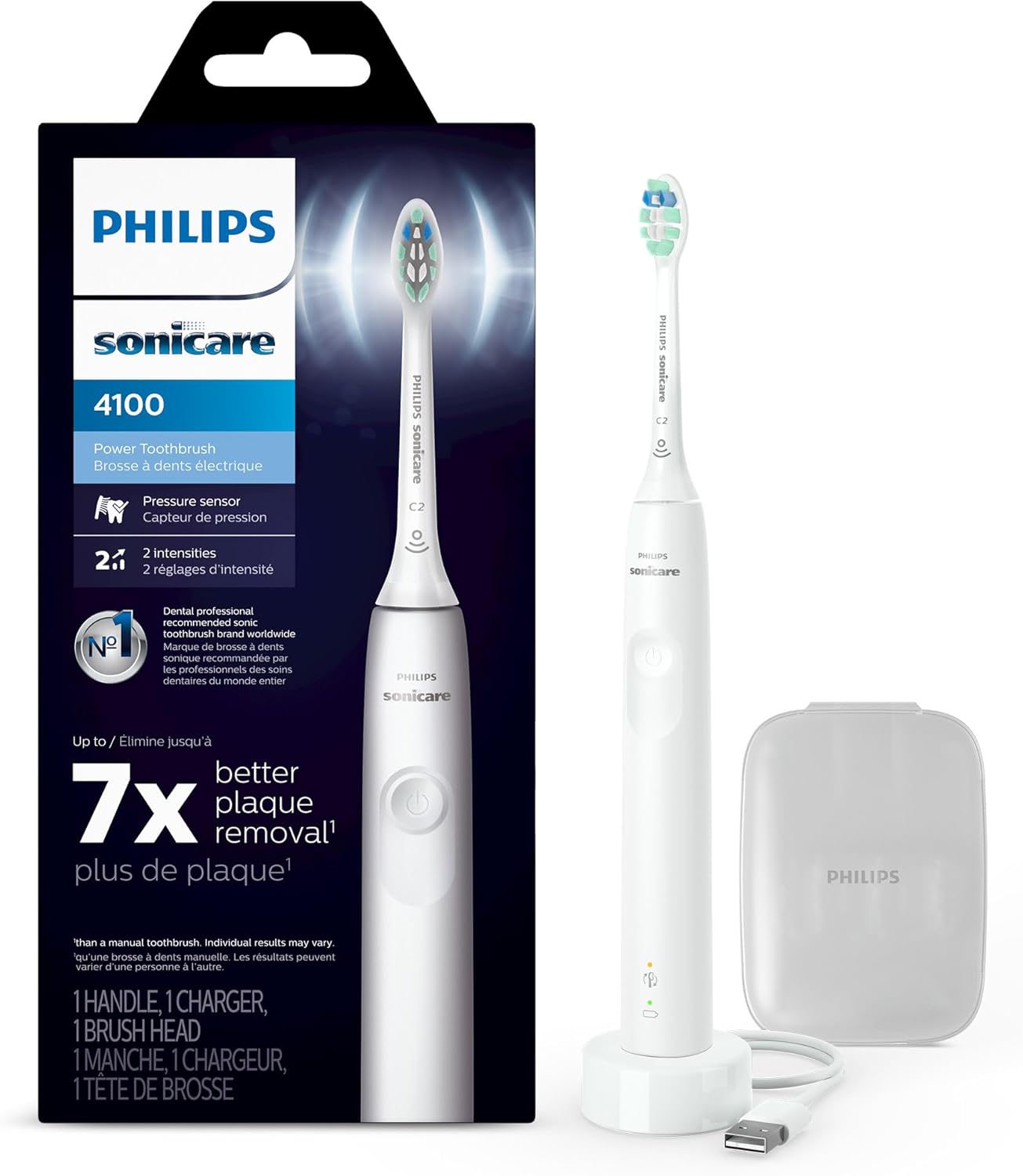
Most electric toothbrushes provide thousands of brush strokes per minute, which is far more than what you can achieve with a manual toothbrush. This high-frequency motion is designed to break up plaque and bacteria, supporting better oral hygiene and helping to prevent gum disease. Some models even include pressure sensors that alert you if you are brushing too hard, which can protect your gum health and prevent enamel wear.
- Built-in timers ensure you brush for the dentist-recommended two minutes, helping you cover all areas of your mouth evenly.
- Special brush head designs can target hard-to-reach spots, making it easier to maintain dental care routines.
- Some electric toothbrushes offer features like tongue cleaners, which can further enhance your oral health. For more on this, check out this guide on enhancing your oral hygiene with a toothbrush featuring a tongue cleaner.
By automating much of the brushing process, electric toothbrushes provide consistent cleaning power and can help reduce the risk of missing spots or applying too much pressure. This technology is especially helpful for people with limited dexterity, children, or anyone looking to improve their oral electric care routine. As you explore the benefits electric toothbrushes provide, you’ll see how these features can make a real difference in your daily dental care.

Key advantages of an electric toothbrush
Why Electric Toothbrushes Stand Out for Oral Health
Switching from a manual toothbrush to an electric toothbrush can bring a noticeable boost to your oral hygiene routine. Electric toothbrushes provide consistent, powerful brushing motions that help remove plaque more effectively than most manual brushes. This is especially important for maintaining healthy teeth and gums, as plaque buildup is a leading cause of gum disease and other dental issues.
- Superior Plaque Removal: Studies show that electric toothbrushes remove more plaque than manual toothbrushes, helping to keep your teeth and gums cleaner and healthier.
- Gentle on Gums: Many electric toothbrushes feature pressure sensors that alert you if you’re brushing too hard, which can help protect your gum health and prevent recession.
- Built-in Timers: Built timers ensure you brush for the dentist-recommended two minutes, which can be easy to overlook with manual brushing.
- Consistent Brushing Technique: The technology in electric toothbrushes delivers even, thorough cleaning with every use, reducing the risk of missed spots.
For those interested in maximizing their dental care, choosing a brush head that fits your mouth comfortably can make a big difference. A small head toothbrush can help you reach tricky areas and improve your overall oral hygiene.
Electric toothbrushes are also a great option for people with limited mobility, such as children or older adults, since the brush does most of the work. This can make daily brushing easier and more effective for the whole family. With these benefits, it’s clear why many dental professionals recommend electric toothbrushes for better oral health and plaque removal.
Electric toothbrush features that make a difference
Smart features that elevate your brushing routine
Modern electric toothbrushes come packed with features that go far beyond basic cleaning. These innovations are designed to help you achieve better oral health and make daily dental care more effective and convenient. Here’s a closer look at the features that set electric toothbrushes apart from manual brushes:
- Pressure sensors: Many electric toothbrushes provide real-time feedback if you’re brushing too hard. This helps protect your gums and teeth from unnecessary wear, reducing the risk of gum disease and enamel erosion.
- Built-in timers: Most models include timers that ensure you brush for the dentist-recommended two minutes. Some even alert you every 30 seconds to switch quadrants, so your entire mouth gets equal attention.
- Multiple cleaning modes: Electric toothbrushes often offer different settings, such as sensitive, whitening, or gum care. These modes help customize your brushing experience based on your specific dental needs.
- Interchangeable brush heads: The ability to swap out brush heads allows you to choose the best option for plaque removal, gum health, or sensitive teeth. This flexibility supports a more personalized approach to oral hygiene.
- Smart technology: Some advanced models connect to smartphone apps, providing feedback on your brushing technique and tracking your habits over time. This can be especially helpful for improving your overall oral hygiene and maintaining healthy teeth and gums.
These features not only make brushing easier but also help you maintain consistent dental care routines. If you’re dealing with specific oral health concerns, such as periodontal disease, choosing the right toothbrush features can make a significant difference. For a deeper dive into what really matters when selecting a toothbrush for gum health, check out this comprehensive guide on choosing the right toothbrush for periodontal disease.
By leveraging these innovative features, electric toothbrushes provide a more thorough clean compared to manual brushes, supporting better plaque removal and healthier gums for the whole family.
Comparing electric and manual toothbrushes
How Electric and Manual Toothbrushes Stack Up
When it comes to dental care, the debate between electric toothbrushes and manual brushes is ongoing. Both options aim to keep your teeth and gums healthy, but their technology and features can make a real difference in your oral hygiene routine.
| Feature | Electric Toothbrush | Manual Toothbrush |
|---|---|---|
| Plaque Removal | Proven to remove more plaque, especially along the gum line and between teeth | Effective, but often less consistent in removing plaque |
| Brushing Technique | Built-in timers and pressure sensors help guide proper brushing | Relies on user technique and timing, which can vary |
| Oral Health Benefits | Helps reduce risk of gum disease and improves gum health | Can maintain oral health, but may miss areas if not used correctly |
| Ease of Use | Requires less manual effort, ideal for people with limited mobility | Simple to use, but requires more effort and dexterity |
| Features | Multiple modes, brush head options, and smart technology | Few features, mostly limited to bristle type and handle design |
Electric toothbrushes provide a consistent brushing experience, thanks to their advanced technology. Features like pressure sensors help protect your gums from excessive force, while built-in timers ensure you brush for the recommended time. Manual toothbrushes, on the other hand, depend heavily on your brushing habits and technique.
- Studies show that electric toothbrushes are more effective at removing plaque and improving gum health compared to manual brushes (source).
- Electric models can be especially helpful for children, seniors, or anyone with limited hand movement.
- Manual toothbrushes remain a budget-friendly and accessible option, but may not offer the same level of dental care support as their electric counterparts.
Ultimately, the choice between electric and manual toothbrushes depends on your oral health needs, preferences, and budget. However, the benefits electric toothbrushes offer—like enhanced plaque removal and gum protection—make them a strong option for those looking to improve their oral hygiene routine.
Tips for choosing the right electric toothbrush
What to Look for When Selecting Your Electric Toothbrush
Choosing the right electric toothbrush can feel overwhelming with so many options available. The best choice depends on your specific dental needs, personal preferences, and budget. Here are some practical tips to help you find a toothbrush that supports your oral health and makes daily brushing more effective.
- Brush Head Compatibility: Make sure the electric toothbrush offers a variety of brush heads. Different brush heads target plaque removal, gum health, or sensitive teeth. Swapping heads can also help with family dentistry needs.
- Built-in Timers: Timers help ensure you brush for the dentist-recommended two minutes. This feature supports better oral hygiene and makes it easier to develop consistent brushing habits.
- Pressure Sensors: Pressure sensors alert you if you are brushing too hard, which can protect your gums and enamel. This is especially important for people prone to gum disease or sensitive gums.
- Cleaning Modes: Some electric toothbrushes provide multiple cleaning modes, such as daily clean, gum care, or whitening. Consider what modes match your dental care priorities.
- Battery Life: Long battery life is convenient, especially if you travel often. Some models last for weeks on a single charge, while others may need more frequent charging.
- Ease of Use: Look for a handle that feels comfortable in your hand and controls that are easy to operate. A lightweight design can make brushing more pleasant, especially for children or those with limited dexterity.
- Technology and Smart Features: Higher-end models may offer Bluetooth connectivity or apps that track your brushing habits. These features can help you improve your technique and maintain better oral health.
Matching Features to Your Oral Care Needs
When comparing manual and electric toothbrushes, consider how the features of electric models can help you remove plaque more effectively and support gum health. For example, if you have a history of gum disease, a toothbrush with gentle gum care settings and pressure sensors may be beneficial. If you want to improve your overall oral hygiene, built-in timers and multiple brush heads can make a difference.
| Feature | Benefit |
|---|---|
| Pressure Sensors | Protects gums and enamel by preventing hard brushing |
| Multiple Brush Heads | Targets specific dental needs (plaque removal, gum care, sensitive teeth) |
| Built-in Timers | Encourages thorough brushing for optimal oral hygiene |
| Cleaning Modes | Customizes brushing experience for teeth and gums |
| Long Battery Life | Convenient for travel and daily use |
Ultimately, the right electric toothbrush is one that fits your lifestyle and addresses your dental care needs. Whether you are focused on plaque removal, gum health, or simply want a more convenient brushing routine, today’s electric toothbrushes provide a range of features to help you achieve better oral health.
Maintaining your electric toothbrush for best results
Keeping your electric toothbrush in top shape
To get the most out of your electric toothbrush and maintain your oral health, regular care is essential. A well-maintained brush helps remove plaque, supports gum health, and ensures you benefit from all the advanced features electric toothbrushes provide. Here are some practical steps to help you keep your toothbrush working effectively:
- Replace the brush head regularly: Most dental care experts recommend changing your brush head every three months or sooner if the bristles look worn. Fresh bristles are more effective at cleaning teeth and gums and removing plaque.
- Clean after every use: Rinse the brush head thoroughly under running water to remove toothpaste and debris. Let it air dry to prevent bacteria buildup.
- Store upright: Keep your toothbrush standing upright in a holder. Avoid storing it in closed containers where moisture can encourage mold or bacteria growth.
- Check for built timers and pressure sensors: If your toothbrush has these features, make sure they are working properly. Built timers help you brush for the recommended time, while pressure sensors protect your gums from excessive force.
- Charge as needed: Follow the manufacturer’s instructions for charging. Overcharging can reduce battery life, while undercharging may affect performance.
- Deep clean weekly: Once a week, remove the brush head and soak it in a mixture of water and mild antibacterial mouthwash. Wipe the handle with a damp cloth to keep it clean.
Why maintenance matters for your oral hygiene
Regular maintenance not only extends the life of your electric toothbrush but also helps you get the full benefits electric toothbrushes offer. A clean, well-functioning brush is more effective at plaque removal and supporting gum health compared to neglected manual brushes or poorly maintained devices. Good habits with your oral electric toothbrush can help prevent gum disease and improve your overall dental care routine. For families, these steps are especially important to ensure everyone’s teeth and gums stay healthy.
By following these tips, you can make sure your toothbrush continues to deliver the best possible results for your oral hygiene and dental health.