
Understanding the basics of electric toothbrushes
How electric toothbrushes differ from manual toothbrushes
Electric toothbrushes have changed the way people approach brushing teeth. Unlike manual toothbrushes, which rely on your own hand movement, electric toothbrushes use powered brush heads that move at high speeds. This helps remove plaque more efficiently and can make it easier to clean teeth and gums thoroughly. The brush head vibrates or rotates, providing a consistent stroke width and pressure, which is hard to achieve with a manual toothbrush.
Key features that impact your brushing technique
Most electric toothbrushes come with built-in timers to help you brush for the recommended two minutes. Some models also offer pressure sensors that alert you if you are brushing hard, which can help protect your gums. The shape and size of the brush head are designed to reach all surfaces of your teeth, including those hard-to-reach areas. This can make a significant difference in your oral health compared to using manual toothbrushes.
Why using the right technique matters
Even with the best electric toothbrush, technique is crucial. Holding the brush at a 45-degree angle to your teeth and gums, letting the brush do the work, and guiding the brush head gently over all surfaces teeth can help remove plaque effectively. Brushing teeth with the correct technique helps maintain healthy gums and prevents tooth problems. If you want to learn more about choosing the right electric toothbrush for specific needs, such as periodontal disease, check out this guide to selecting the best electric toothbrush for gum health.
- Electric toothbrushes can help guide brush movements for better cleaning.
- Consistent brushing technique is easier to maintain with electric toothbrushes.
- Using a toothbrush correctly supports long-term oral health.
Preparing your electric toothbrush for use
Getting Ready for a Thorough Clean
Before you start brushing teeth with your electric toothbrush, a few simple steps can help you get the most out of your brushing technique. Preparing your toothbrush correctly is just as important as the actual brushing process. This helps maintain your oral health and ensures you remove plaque effectively from all surfaces teeth.
- Check the brush head: Make sure the brush head is clean and securely attached. A worn or frayed brush head won’t clean teeth or gums as well. Replace it every three months or sooner if the bristles look splayed.
- Apply the right amount of toothpaste: Use a pea-sized amount of fluoride toothpaste. Too much can cause excessive foam and make it hard to guide brush along your teeth and gums.
- Wet the bristles: Wetting the brush head before brushing can help distribute toothpaste evenly and reduce friction on your gums.
- Power up: Make sure your electric toothbrush is fully charged. A low battery can reduce the brush’s effectiveness and may not deliver the right stroke width or power needed to clean all surfaces.
- Position the brush: Hold brush at a 45-degree angle to your teeth and gums. This angle helps the bristles reach the gumline, where plaque often builds up.
Unlike manual toothbrushes, electric toothbrushes do much of the work for you. There’s no need to brush hard or use a scrubbing motion. Instead, let the brush head glide gently over your teeth and gums. This approach helps protect your enamel and gum health, reducing the risk of brushing hard and causing damage.
Remember, preparing your toothbrush correctly sets the stage for a more effective brushing session. For more details on how to master the use of an electric toothbrush, you can find step-by-step guidance that will help you improve your brushing routine and oral health.
Step-by-step guide to brushing with an electric toothbrush
Getting the Most Out of Each Brushing Session
Using an electric toothbrush correctly can make a real difference in your oral health. Unlike manual toothbrushes, electric toothbrushes do much of the work for you, but technique still matters. Here’s a practical guide to help you brush teeth effectively and protect your gums.
- Start with the right brush head: Make sure your brush head fits your mouth comfortably and is suitable for your needs. If you’re unsure which to choose, this guide to choosing the right toothbrush head can help.
- Apply a pea-sized amount of toothpaste: Too much paste can cause excessive foam and make it hard to see where you’re brushing.
- Hold the brush at a 45-degree angle: Aim the brush head toward the gumline. This angle helps remove plaque from both teeth and gums.
- Let the brush do the work: Gently guide the electric toothbrush along the surfaces of your teeth. Avoid brushing hard or using a scrubbing motion. The bristles and motion are designed to clean teeth efficiently without extra pressure.
- Move slowly: Spend a few seconds on each tooth. Glide the brush head across the outer, inner, and chewing surfaces teeth. Don’t rush—most electric toothbrushes have a built-in timer to help you brush for the recommended two minutes.
- Cover all areas: Make sure you reach the back teeth, behind the front teeth, and along the gumline. Some toothbrushes electric have pressure sensors to alert you if you’re brushing too hard.
- Finish by brushing your tongue: This helps remove bacteria and keeps your mouth fresh.
Remember, the right brushing technique with an electric toothbrush can help remove plaque more effectively than manual toothbrushes. Consistency and gentle guidance are key to maintaining healthy teeth and gums.
Common mistakes to avoid when using an electric toothbrush
Frequent Brushing Errors That Impact Oral Health
Even with the best electric toothbrush, using the wrong technique can reduce its effectiveness and may even harm your teeth and gums. Here are some common mistakes people make when brushing with electric toothbrushes, and how to avoid them for better oral health.
- Brushing too hard: Pressing the brush head firmly against your teeth or gums can cause irritation, enamel wear, and gum recession. Let the electric toothbrush do the work—gentle pressure is enough to remove plaque effectively.
- Not brushing long enough: Many people don’t brush for the recommended two minutes. Most electric toothbrushes have built-in timers to help you brush teeth for the right amount of time. Skipping this step can leave surfaces teeth unclean and allow plaque to build up.
- Incorrect brush head angle: Holding the brush at the wrong angle—rather than the recommended 45-degree angle towards the gumline—can mean missing plaque along the gums. Guide brush head gently and maintain the correct degree angle for optimal cleaning.
- Using a worn-out brush head: Over time, bristles lose their effectiveness. Replace your brush head every three months, or sooner if the bristles are frayed, to ensure you’re cleaning teeth and gums thoroughly.
- Missing surfaces: Focusing only on the front of your teeth and neglecting the back, chewing surfaces, or gumline can leave areas where plaque accumulates. Move the brush head slowly across all surfaces teeth, including the inner and chewing surfaces.
- Brushing in a manual way: Unlike manual toothbrushes, you don’t need to scrub with an electric toothbrush. Simply hold brush in place and let the device’s movement clean each tooth. Avoid using a back-and-forth stroke width as you would with a manual toothbrush.
How to Help Your Technique
To get the most from your electric toothbrush, focus on gentle, thorough brushing. Pay attention to the areas you might miss and use the features of your toothbrush correctly. This will help remove plaque, protect your gums, and maintain a healthy mouth. Remember, the right brushing technique is just as important as the toothbrush itself in achieving clean teeth and good oral health.
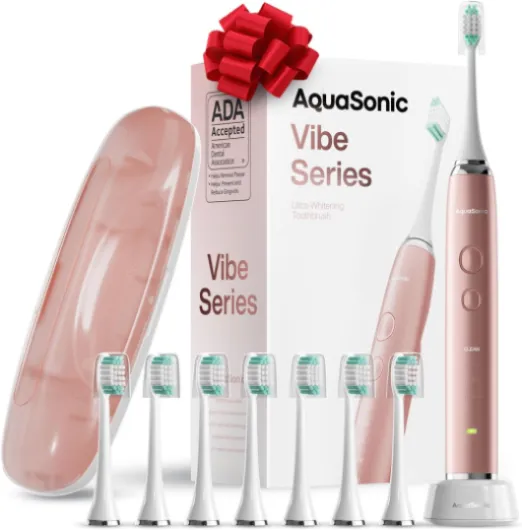
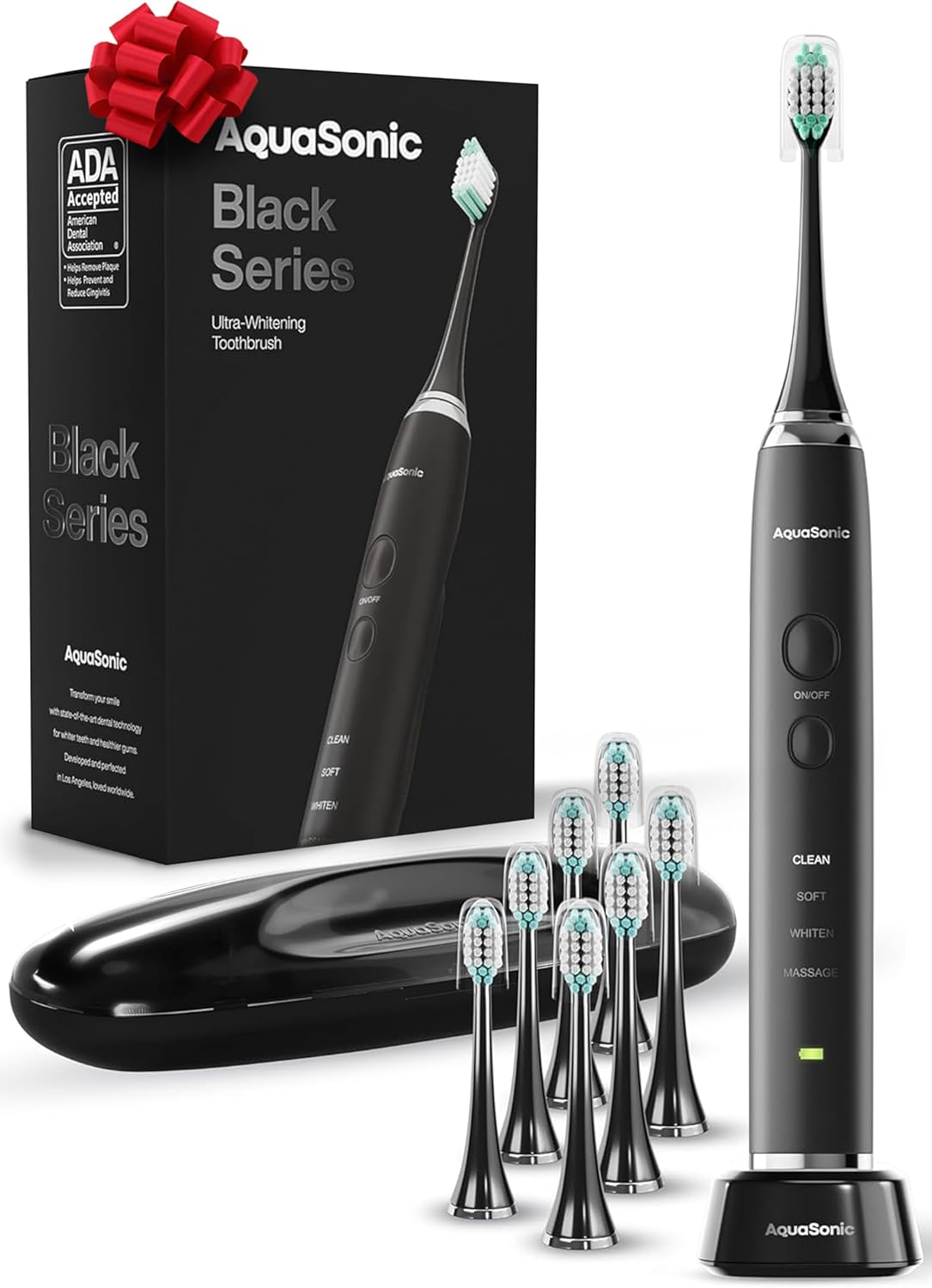
- + ADA Accepted
- + 40,000 VPM Motor
- + 8 Brush Heads
- + Wireless Charging
- + 4 Modes

Tips for maintaining your electric toothbrush
Keeping your electric toothbrush in top shape
Maintaining your electric toothbrush is essential for both oral health and the longevity of your device. A well-cared-for brush helps remove plaque more effectively and ensures your brushing technique remains consistent. Here are some practical steps to help you get the most out of your toothbrush:
- Rinse thoroughly after each use: After brushing teeth, rinse the brush head under running water to remove toothpaste, debris, and bacteria. This prevents buildup on the bristles and keeps the brush head clean for the next use.
- Let it air dry: Store your electric toothbrush upright and allow it to air dry. Avoid covering the brush head or storing it in a closed container, as moisture can promote bacterial growth.
- Clean the handle regularly: Wipe the handle with a damp cloth to remove toothpaste residue and keep the device hygienic. Pay attention to the area where the brush head attaches, as this spot can collect grime over time.
- Replace the brush head on time: Over time, bristles wear out and become less effective at cleaning teeth and gums. Most manufacturers recommend changing the brush head every three months, or sooner if the bristles are frayed. Using a worn brush head can reduce the effectiveness of your brushing technique and may even harm your gums.
- Charge as recommended: Follow the manufacturer's instructions for charging your electric toothbrush. Overcharging or letting the battery run completely flat can shorten the battery's lifespan. Some toothbrushes electric have indicators to help you know when it's time to recharge.
- Deep clean periodically: Once a week, remove the brush head and soak it in a mixture of water and mild antibacterial mouthwash. This helps eliminate lingering bacteria and keeps the brush head fresh.
By following these steps, you help ensure your electric toothbrush remains effective at cleaning all surfaces teeth and supporting your oral health. Remember, a clean and well-maintained brush is a key part of any successful brushing routine, whether you use manual toothbrushes or electric toothbrushes.
Expert advice for improving your brushing routine
Fine-tuning your brushing habits for better results
Even with the best electric toothbrush, improving your brushing technique can make a real difference in your oral health. Dental professionals emphasize that using the right method and paying attention to details can help you remove plaque more effectively and protect your teeth and gums.
- Let the brush do the work: With electric toothbrushes, you don’t need to brush hard or use a scrubbing motion. Instead, gently guide the brush head along the surfaces of your teeth and gums. Excessive pressure can harm your gums and enamel.
- Focus on all surfaces: Make sure you clean the outer, inner, and chewing surfaces of each tooth. Move the brush head slowly, letting it linger on each area for a few seconds to help remove plaque thoroughly.
- Use the right angle: Hold the brush at a 45-degree angle to your gumline. This helps the bristles reach the area where your teeth and gums meet, which is a common spot for plaque buildup.
- Time your brushing: Most electric toothbrushes have built-in timers. Aim for at least two minutes, dividing the time evenly among all areas of your mouth. Don’t rush—consistent, gentle brushing is more effective than brushing hard or fast.
- Replace your brush head regularly: A worn-out brush head won’t clean teeth as well. Change it every three months, or sooner if the bristles look frayed.
Adapting your routine for your needs
Everyone’s mouth is different, so it’s important to adjust your brushing technique if you have sensitive gums, braces, or dental restorations. Some electric toothbrushes offer different modes for sensitive teeth or gum care. If you’re unsure which settings or brush heads are best, consult your dental professional for personalized advice.
Remember, using an electric toothbrush correctly can help you achieve cleaner teeth and healthier gums compared to manual toothbrushes. Consistency and proper technique are key to maintaining good oral health and making the most of your electric toothbrush.