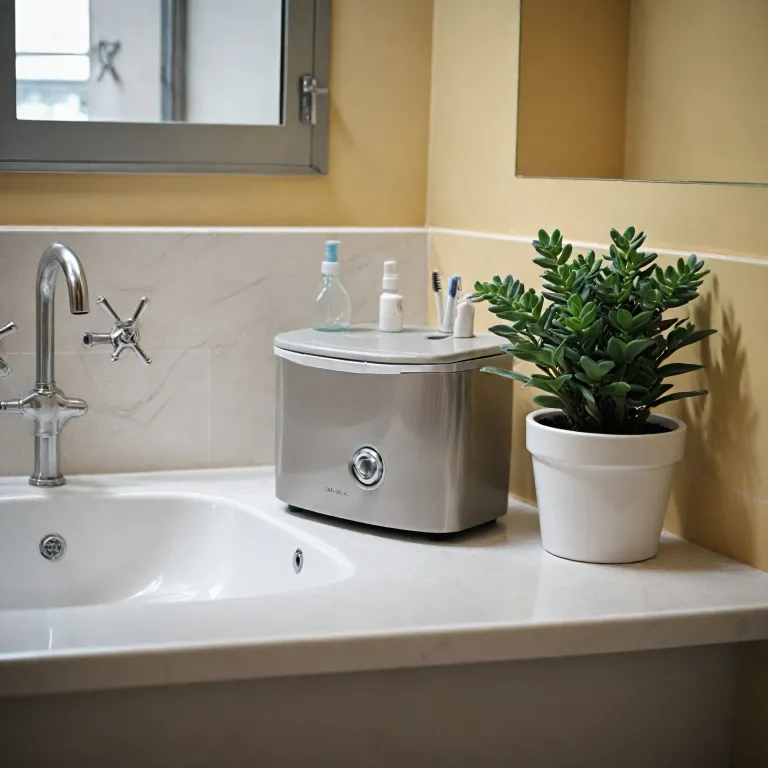

Why a dental ultrasonic cleaner matters for modern oral care
A dental ultrasonic cleaner sits at the crossroads of hygiene and convenience. For people already using an electric toothbrush, this compact pod adds a deeper layer of cleaning for every dental appliance they own. It supports a more complete oral care routine that protects both teeth and expensive devices.
Unlike manual cleaning with a brush and water, ultrasonic cleaning relies on microscopic bubbles created by ultrasonic waves. These bubbles implode against retainers, aligners, and mouth guards, reaching crevices that standard brushing or rinsing cannot access effectively. The result is a sparkling clean surface that feels smoother and often looks visibly clearer.
Many users first meet the concept through a branded dental pod or pod ultrasonic device marketed as a retainer cleaner. These dental ultrasonic cleaners use a small tank of clean fresh water, sometimes combined with cleaning tablets, to remove plaque, biofilm, and odour causing debris from dental appliances. When used correctly, the cleaning process is gentle on plastics and metals yet tough on invisible buildup.
Electric toothbrush owners often underestimate how much residue remains on aligners, retainers, and cases after simple rinsing. A dedicated ultrasonic cleaner or a quickclean ultrasonic unit can bridge this gap and extend the life of costly dental appliances. By keeping every mouth guard and retainer consistently clean, people also reduce the risk of bad breath and irritation.
For households with several appliances, ultrasonic cleaners provide a shared, easy to use solution. One compact cleaner pod can handle multiple mouth pieces in sequence, guided by a digital timer that standardizes each cycle. This combination of efficiency, verified performance, and simplicity explains why dental ultrasonic devices are becoming a quiet essential in home bathrooms.
How ultrasonic cleaning works on retainers, aligners, and cases
At the heart of every dental ultrasonic cleaner lies a transducer that converts electrical energy into ultrasonic waves. When these waves pass through water inside the pod, they generate countless tiny bubbles that collapse with controlled force against the surface of dental appliances. This phenomenon, called cavitation, dislodges particles that even a diligent electric toothbrush user might miss.
People often add specialized cleaning tablets to the water in the dental pod to enhance this action. These cleaning tablets dissolve into a fresh solution that helps break down organic deposits on retainers, aligners, and mouth guards while the ultrasonic cleaning runs. The combination of chemistry and physics produces a level of clean that feels different when the appliance returns to the mouth.
Most ultrasonic cleaners designed for dental use include a removable basket or case insert. Users place retainers, aligners, or an orthodontic mouth guard into this case, fill the tank with clean water, and start the digital timer. During the cleaning process, the ultrasonic cleaner maintains a consistent cycle, so results remain more standard than hand scrubbing.
Some premium electric toothbrush brands now reference ultrasonic cleaning in their broader oral care ecosystems. For example, people who read a detailed review of an advanced electric toothbrush for lazy brushing habits often realize that brushing alone cannot maintain appliances. A dedicated ultrasonic retainer cleaner or pod ultrasonic device complements these brushes by targeting what remains outside the tooth surfaces.
Because ultrasonic cleaners rely on water and sound rather than abrasion, they are generally gentle on delicate plastics. This matters for thin aligners and retainers that can warp or scratch under aggressive brushing. By using a verified dental ultrasonic cleaner with appropriate cleaning tablets, users protect both the clarity and fit of their appliances over time.
Comparing dental ultrasonic cleaners with manual and electric cleaning
People who already invested in a high quality electric toothbrush often ask whether a dental ultrasonic cleaner is truly necessary. Manual brushing of retainers with toothpaste and water can remove visible debris, but it rarely achieves a sparkling clean finish in hidden grooves. Over time, this gap allows biofilm and odour to build despite daily effort.
Ultrasonic cleaners, including compact dental pod devices and larger ultrasonic cleaners, approach the problem differently. Instead of relying on hand pressure, they use ultrasonic waves to reach under wires, around attachments, and inside textured surfaces. When combined with fresh water and cleaning tablets, this ultrasonic cleaning process can outperform even meticulous brushing.
Some people try to use an old toothbrush and standard soap to clean aligners and mouth guards. While this method seems easy, it can scratch plastic and leave a soapy taste in the mouth after rinsing. A pod ultrasonic retainer cleaner avoids these issues by using a neutral solution and a digital timer that controls exposure.
Electric toothbrush manufacturers increasingly acknowledge the limits of brushing alone for dental appliances. Readers exploring a comprehensive test of a connected sonic toothbrush with app and pressure sensor often notice that appliance care still requires separate tools. A dedicated dental ultrasonic cleaner fills this gap by focusing on retainers, aligners, and cases rather than teeth.
Retailers such as Henry Schein have long supplied ultrasonic cleaners for professional dental surgeries. Today, similar technology appears in compact home units marketed as quickclean ultrasonic or dental pod systems. For people serious about oral care, combining an electric toothbrush with a verified dental ultrasonic cleaner offers a more complete hygiene strategy than either tool alone.
Choosing the right dental ultrasonic cleaner for home use
Selecting a dental ultrasonic cleaner starts with understanding personal needs and existing appliances. People who wear multiple retainers, aligners, or a night mouth guard may prefer a larger pod that accommodates several items. Others might choose a compact pod ultrasonic unit that fits easily beside an electric toothbrush on a small bathroom shelf.
Capacity, power, and cycle length are key technical factors when comparing ultrasonic cleaners. A reliable dental pod should offer enough ultrasonic waves to support effective ultrasonic cleaning without damaging delicate plastics. Many users appreciate a built in digital timer that standardizes the cleaning process and avoids guesswork.
Cleaning tablets designed for dental appliances can enhance performance, but they should be compatible with the chosen cleaner. Some quickclean ultrasonic products specify particular tablets to maintain warranty and verified results. Always use fresh water for each cycle, and avoid harsh household chemicals that might corrode the tank or affect the mouth later.
Shoppers often evaluate a product by reading user reviews, checking whether the cleaner is verified by dental professionals, and comparing features with standard models. A clear view of the tank, an easy to open lid, and a stable case insert all contribute to daily usability. For many, the ability to add cart a compact, quiet unit that matches bathroom décor also matters.
People who already maintain an advanced electric toothbrush routine may look for a dental ultrasonic cleaner that complements their broader oral care strategy. Some will prioritise a retainer cleaner that handles both single and multiple appliances, while others focus on portability for travel. In every case, the goal remains the same, to keep every dental appliance sparkling clean, odour free, and comfortable in the mouth.
Integrating a dental ultrasonic cleaner into an electric toothbrush routine
For electric toothbrush users, the most effective routines treat teeth and appliances as a single system. Brushing with a quality electric toothbrush removes plaque from enamel, while a dental ultrasonic cleaner handles retainers, aligners, and mouth guards. This dual approach supports healthier gums and a fresher mouth throughout the day.
A typical evening routine might start with thorough brushing and interdental cleaning. Afterward, the user places their retainer or aligner into a dental pod filled with clean fresh water and, if desired, cleaning tablets. While the ultrasonic cleaning cycle runs on a digital timer, they can complete skincare or other tasks, making the process feel easy and efficient.
People who use a mouth guard for grinding often notice odour and staining despite regular rinsing. A quickclean ultrasonic or similar ultrasonic cleaner can address these issues by removing bacteria and microscopic debris that cling to textured surfaces. Over time, this helps the appliance remain more comfortable and less likely to irritate the mouth.
Those exploring advanced tools such as an electric toothbrush with built in sanitizer can deepen their routine further. A detailed guide on how a toothbrush sanitizer transforms daily oral care illustrates how disinfection and cleaning work together. Adding a verified dental ultrasonic cleaner for appliances extends that same philosophy beyond the brush head.
Over weeks and months, consistent use of ultrasonic cleaners and electric toothbrushes can change how clean the mouth feels. Appliances return from the pod ultrasonic bath visibly clearer, and teeth benefit from reduced bacterial reservoirs on retainers and cases. This integrated oral care strategy reflects the same professional standards seen in clinics, adapted to everyday home life.
Maintenance, safety, and where to shop for reliable cleaners
Maintaining a dental ultrasonic cleaner correctly ensures both safety and long term performance. Users should empty the tank after each cycle, rinse it with clean water, and allow the interior to dry. This simple cleaning process prevents residue from cleaning tablets or minerals from building up inside the pod.
Most manufacturers advise against running ultrasonic cleaners without water or overfilling the tank. Following these standard guidelines protects the transducer that generates ultrasonic waves and keeps the unit operating quietly. People should also avoid placing loose wires or sharp metal parts directly against the tank walls, using the supplied basket or case instead.
When it comes to safety for the mouth, always choose cleaning tablets and solutions formulated for dental appliances. Products from established suppliers, including dental distributors such as Henry Schein, typically undergo verified testing for compatibility with retainers, aligners, and mouth guards. After each cycle, rinsing the appliance under running water before placing it back in the mouth adds an extra layer of reassurance.
Shoppers can view a wide range of ultrasonic cleaners and dental pod systems online. Many e commerce platforms allow people to compare each product by capacity, digital timer options, and user ratings before they add cart. Reading detailed descriptions helps ensure the chosen ultrasonic cleaner suits existing appliances and fits available space near an electric toothbrush charger.
Over time, a well maintained dental ultrasonic cleaner becomes as routine as the toothbrush itself. By keeping every retainer cleaner, every aligner case fresh, and every mouth guard sparkling clean, users protect both their investment and their health. This quiet appliance, often overlooked beside more visible gadgets, plays a central role in modern, evidence based oral care at home.
Common questions about dental ultrasonic cleaners
Are dental ultrasonic cleaners safe for all retainers and aligners ?
Most dental ultrasonic cleaners are designed for common plastic and metal appliances. However, people should always check manufacturer instructions for both the cleaner and the appliance. When in doubt, consulting a dental professional helps avoid accidental damage.
How often should I use a dental ultrasonic cleaner on my appliances ?
Daily use is appropriate for retainers and aligners worn every day. Some people run a quick cycle each evening after brushing with an electric toothbrush. Others use a longer cycle several times per week, depending on staining and odour.
Do I need special cleaning tablets, or is water enough ?
Clean water alone can provide effective ultrasonic cleaning for many users. Cleaning tablets formulated for dental appliances may enhance stain removal and freshness. Always avoid household detergents or harsh chemicals that are not intended for the mouth.
Can I clean my electric toothbrush heads in a dental ultrasonic cleaner ?
Some people place detachable brush heads in the basket of an ultrasonic cleaner. This can help remove residue from hard to reach areas around bristles. Users should confirm that their toothbrush manufacturer does not advise against ultrasonic cleaning.
What should I look for when I shop for a dental ultrasonic cleaner ?
Key features include adequate tank size, a reliable digital timer, and compatibility with dental appliances. Quiet operation, easy cleaning, and verified safety claims also matter. Reading detailed product descriptions and user reviews helps identify a trustworthy, long lasting unit.
Trusted sources for further reading :
- American Dental Association
- European Federation of Periodontology
- National Health Service (NHS) oral health guidance