Key technologies that separate basic electric toothbrushes from smart models
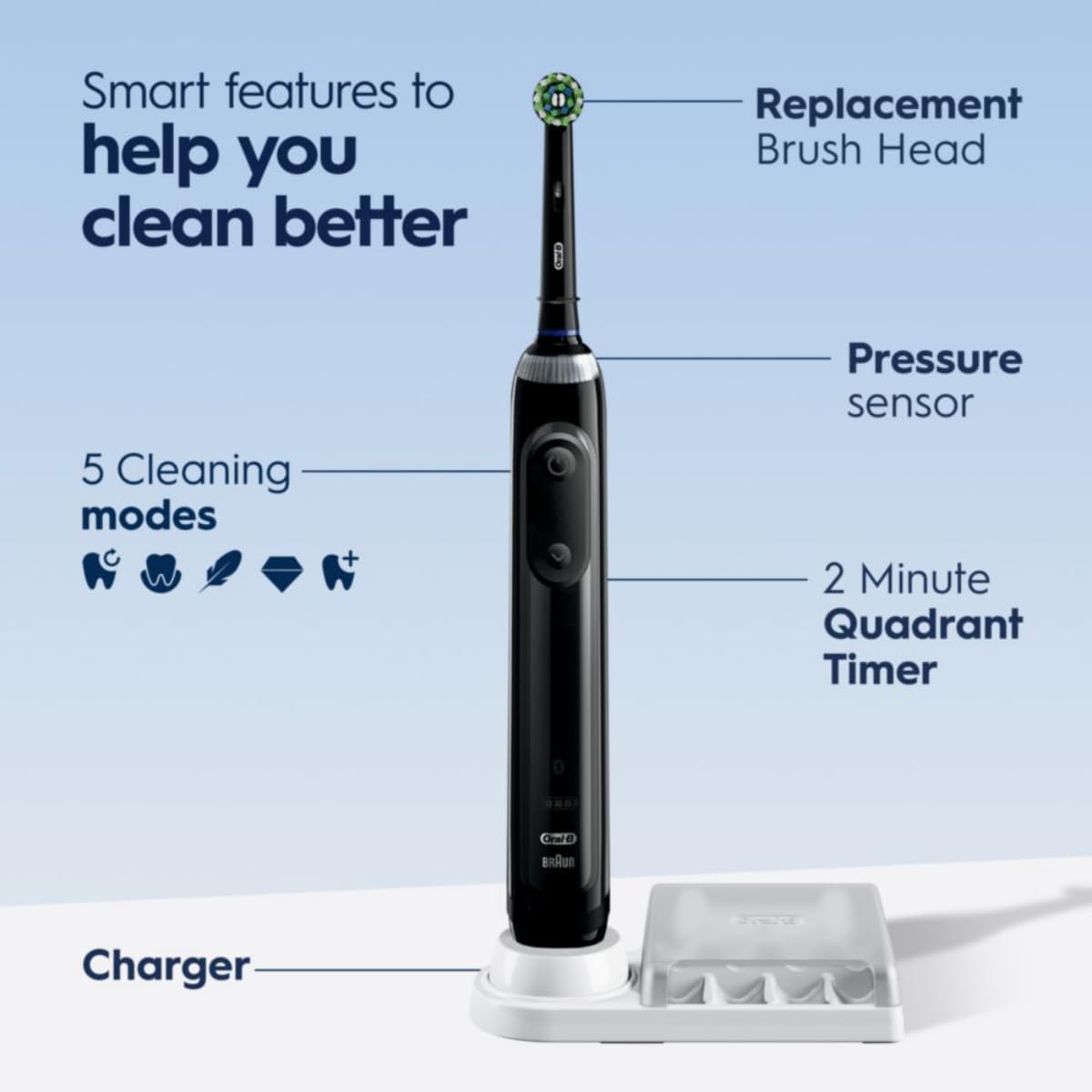
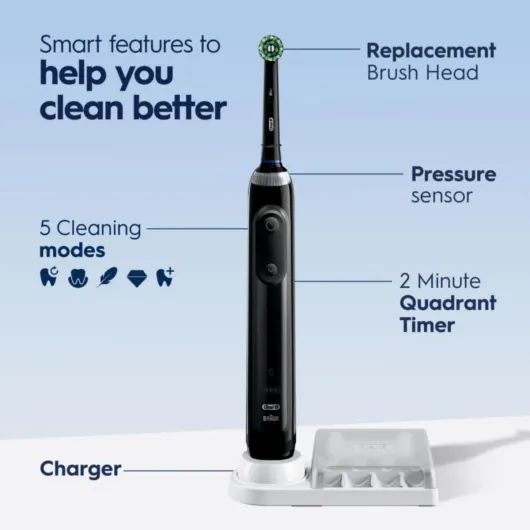
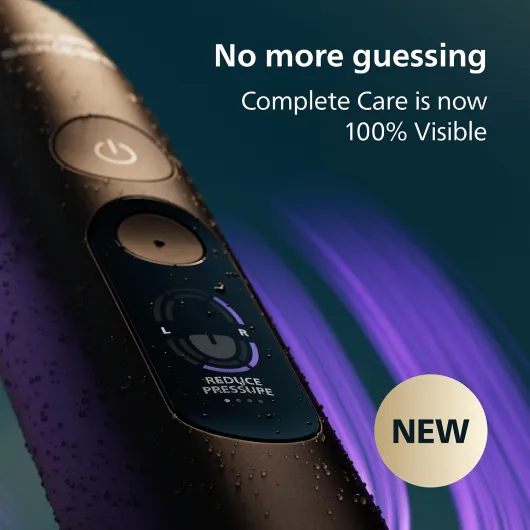
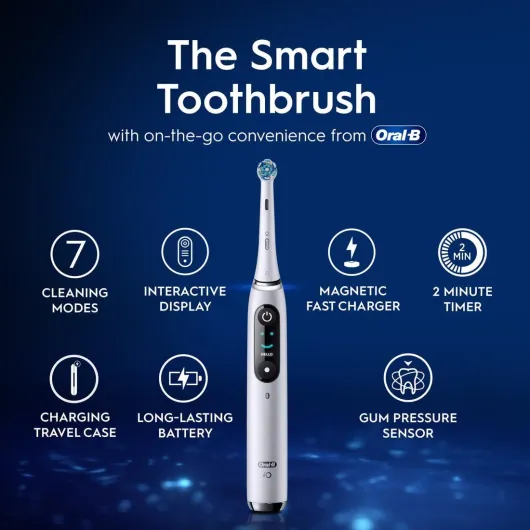
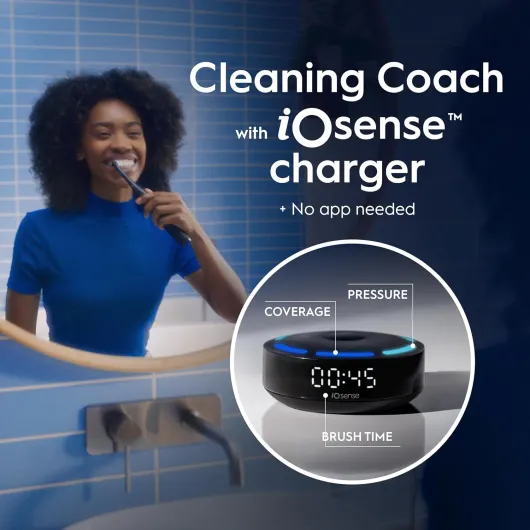
Smart features turn the best smart electric toothbrushes into personal oral coaches. At the heart of many models is a pressure sensor that vibrates, flashes, or slows the motor when users press too hard. This protects gum tissue and prevents enamel wear while still delivering a thorough clean.
Another core feature is the minute timer, often paired with a pacer that signals every 30 seconds. This encourages users to divide the mouth into quadrants and maintain even brushing coverage. Over time, the timer helps transform rushed routines into structured two minute sessions that dentists recommend for oral health.
Many sonic toothbrush and oscillating toothbrush designs now connect to smartphone apps via Bluetooth. These apps show real time maps of where the brush head has been, highlight missed areas, and log brushing frequency. When such systems are carefully tested, they can reveal patterns like skipped evening sessions or chronic neglect of back teeth.
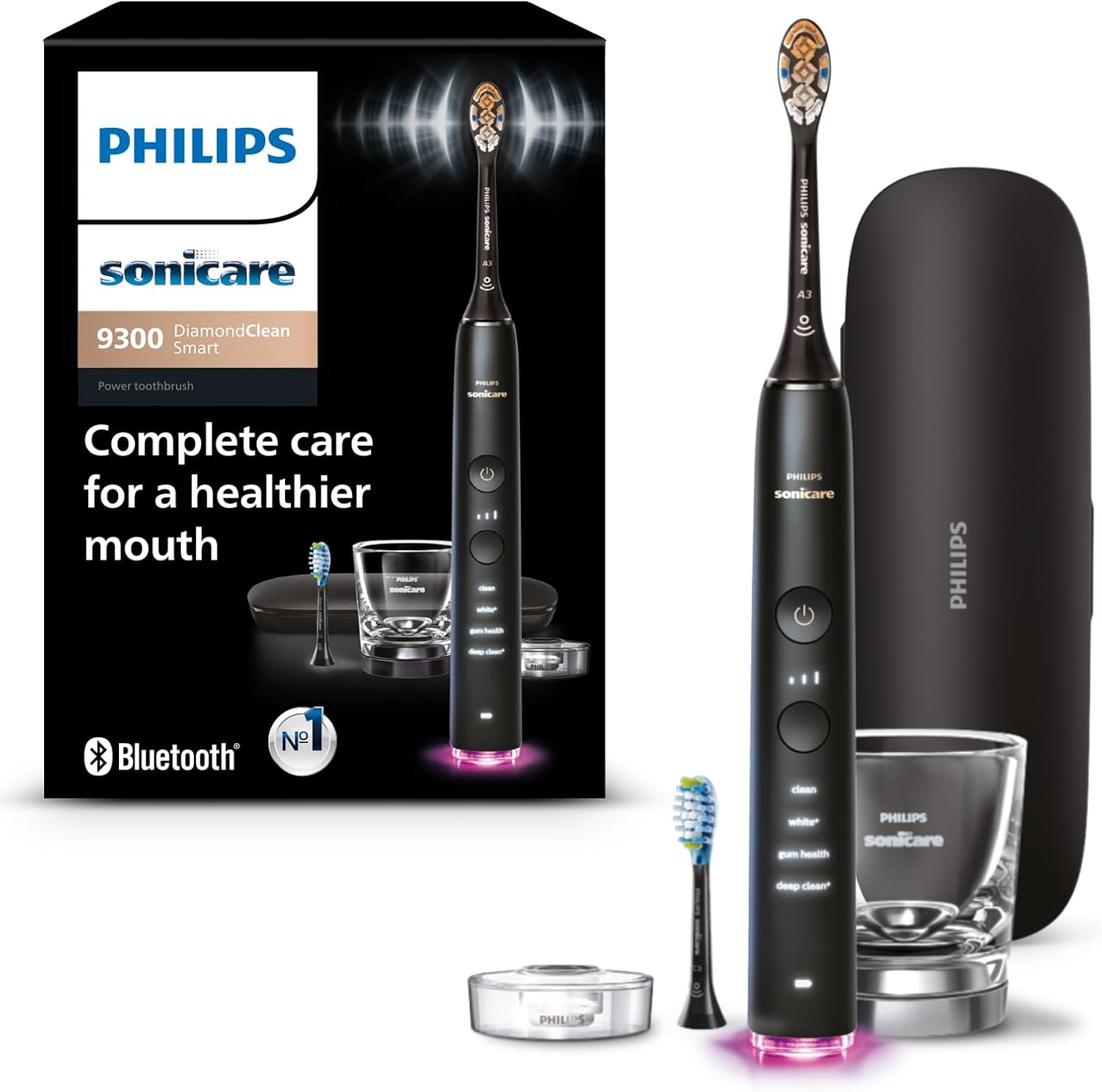
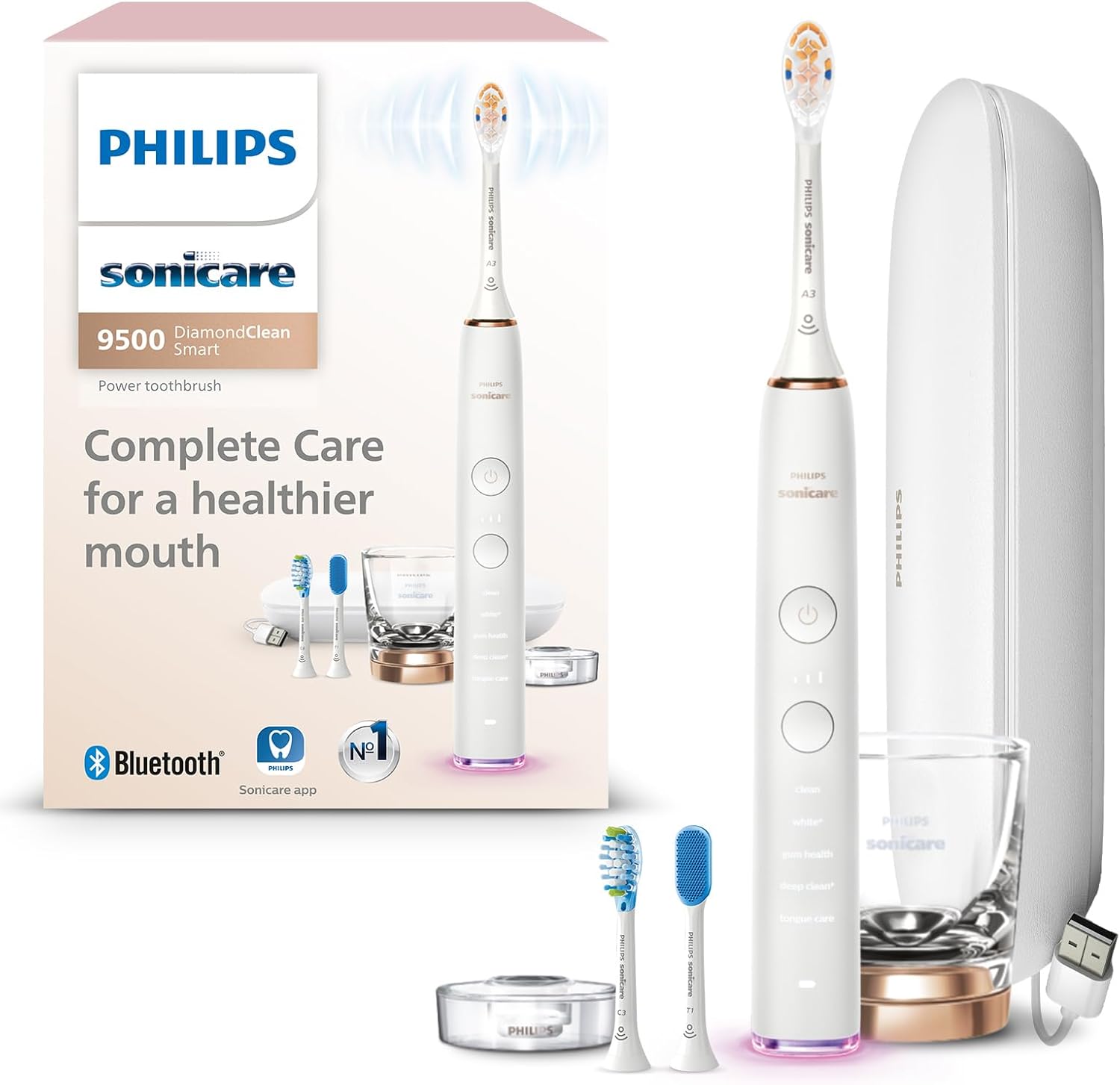
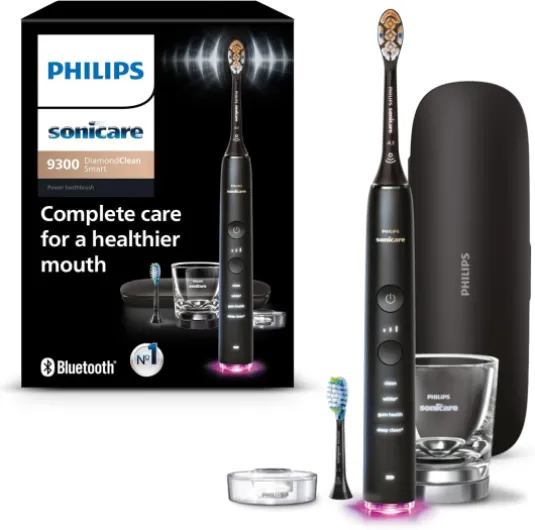
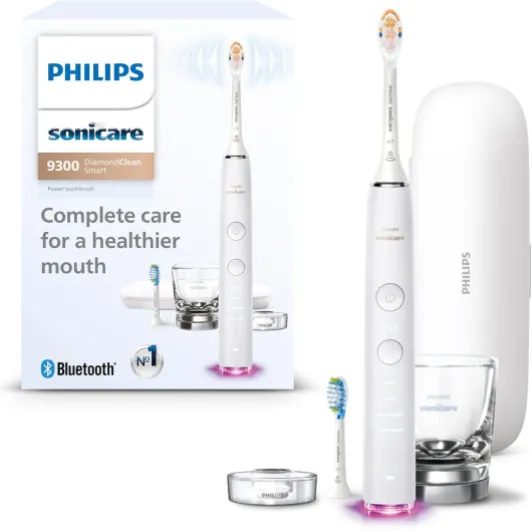
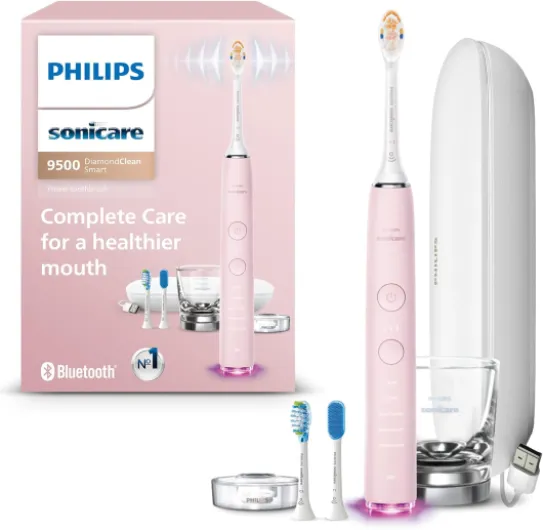
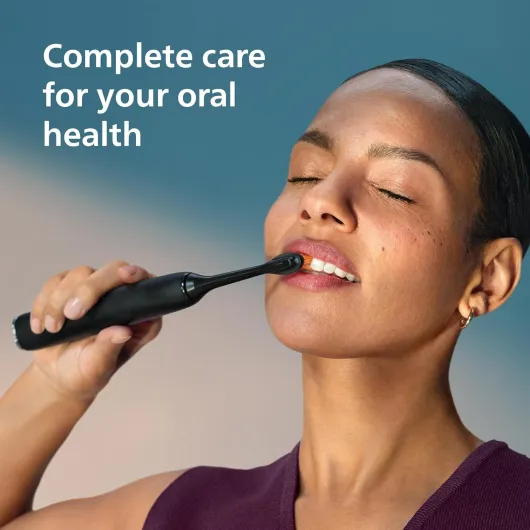
Philips Sonicare smart models, including several in the oral series range, combine sonic power with adaptive intensity control. A Philips Sonicare electric toothbrush may automatically reduce power when the pressure sensor detects aggressive brushing. This blend of automation and feedback supports both gum health and long term comfort.
Some smart electric toothbrushes also track brush head usage and recommend replacement heads at appropriate intervals. This matters because worn brush heads lose cleaning efficiency and can fray, irritating gums. Systems that monitor brush head wear help maintain consistent daily clean performance without guesswork.
When comparing product details, buyers should look beyond marketing terms like pro or best electric. Instead, focus on whether the electric toothbrush offers meaningful sensors, clear app feedback, and dependable battery life. For a deeper dive into advanced designs, see this analysis of a specialized professional toothbrush system that illustrates how targeted technology can refine brushing technique.
How design, brush heads, and ergonomics influence real world brushing
Even the best smart electric toothbrushes must feel comfortable in the hand to be used consistently. Handle shape, weight distribution, and grip texture all influence how easily users can guide the brush around teeth. A well balanced electric toothbrush reduces wrist strain and encourages gentle, controlled movements.
Brush head design is equally important for effective oral care. A compact brush head can reach behind molars and along crowded teeth more easily than a bulky alternative. Interchangeable brush heads allow users to switch between daily clean, gum care, and whitening styles without changing the entire toothbrush.
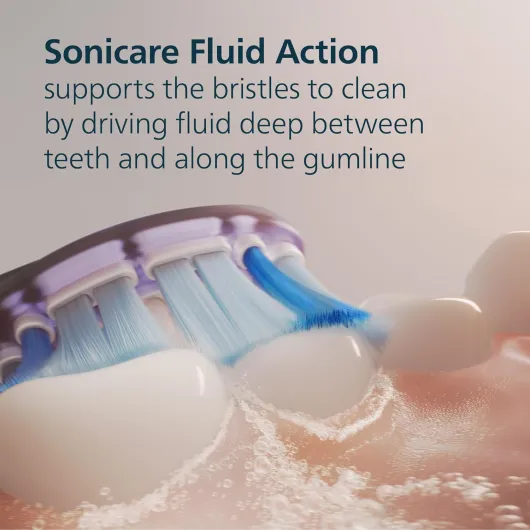
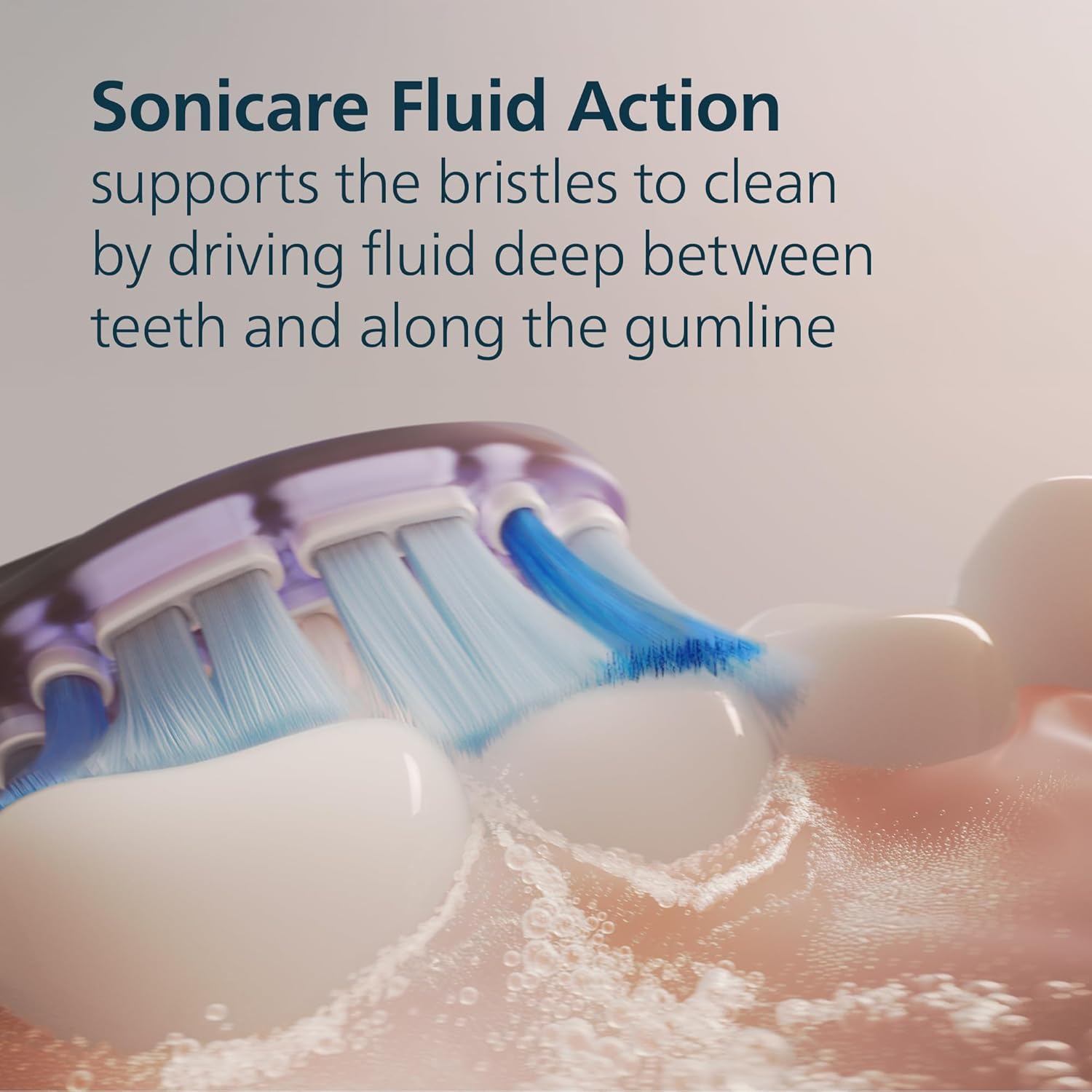
Philips Sonicare brush heads, for example, are engineered to work with the sonic motion of the handle. When paired correctly, a Philips Sonicare electric toothbrush and its dedicated brush head create fluid dynamics that help clean between teeth. Using incompatible or worn replacement heads can reduce this effect and compromise oral health benefits.
Smart systems that track brush head usage rely on embedded chips or app based counters. These tools remind users when replacement heads are due, typically after about three months of twice daily brushing. Such reminders support both hygiene and value, ensuring that the price paid for premium brush heads translates into consistent performance.
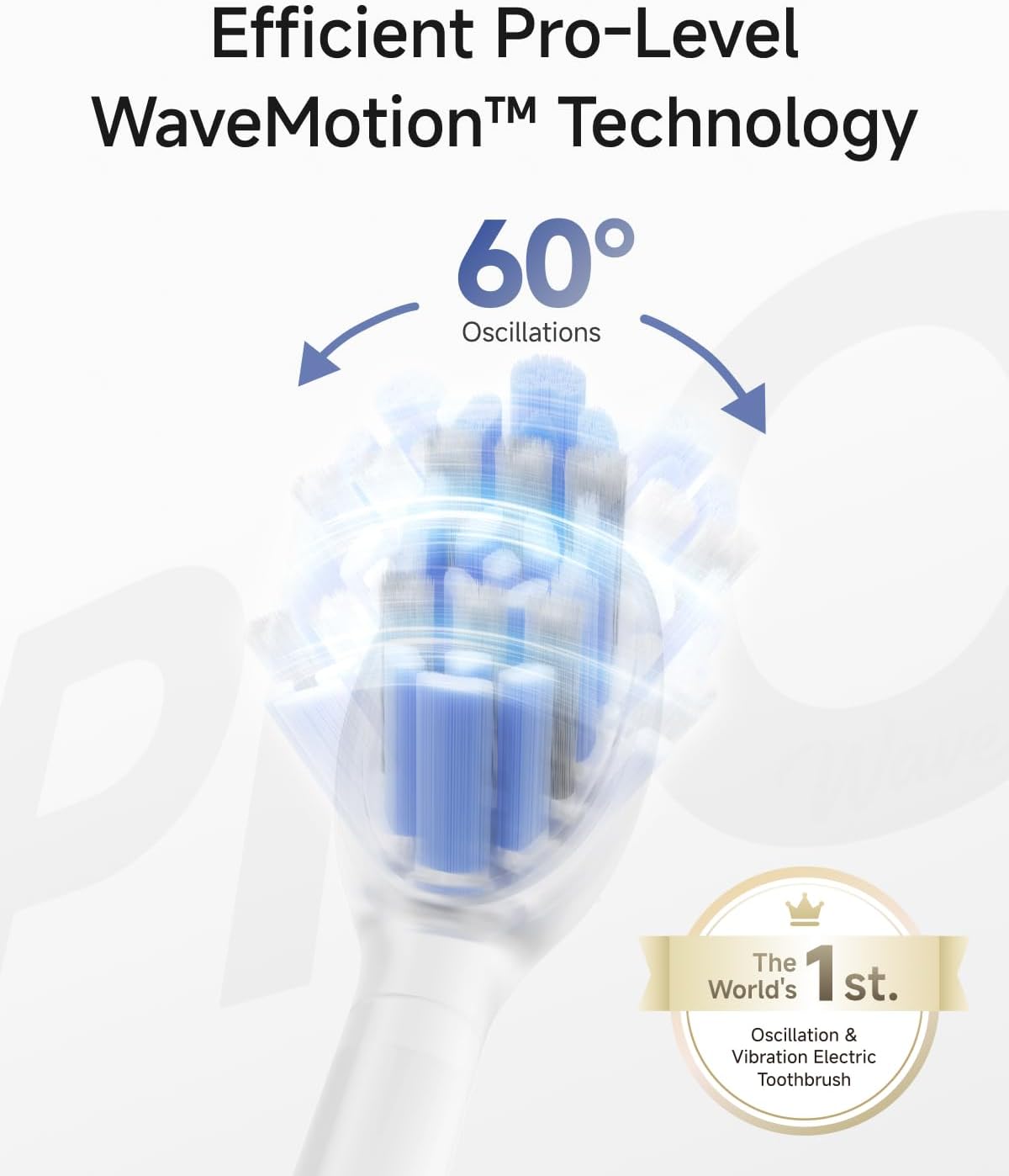
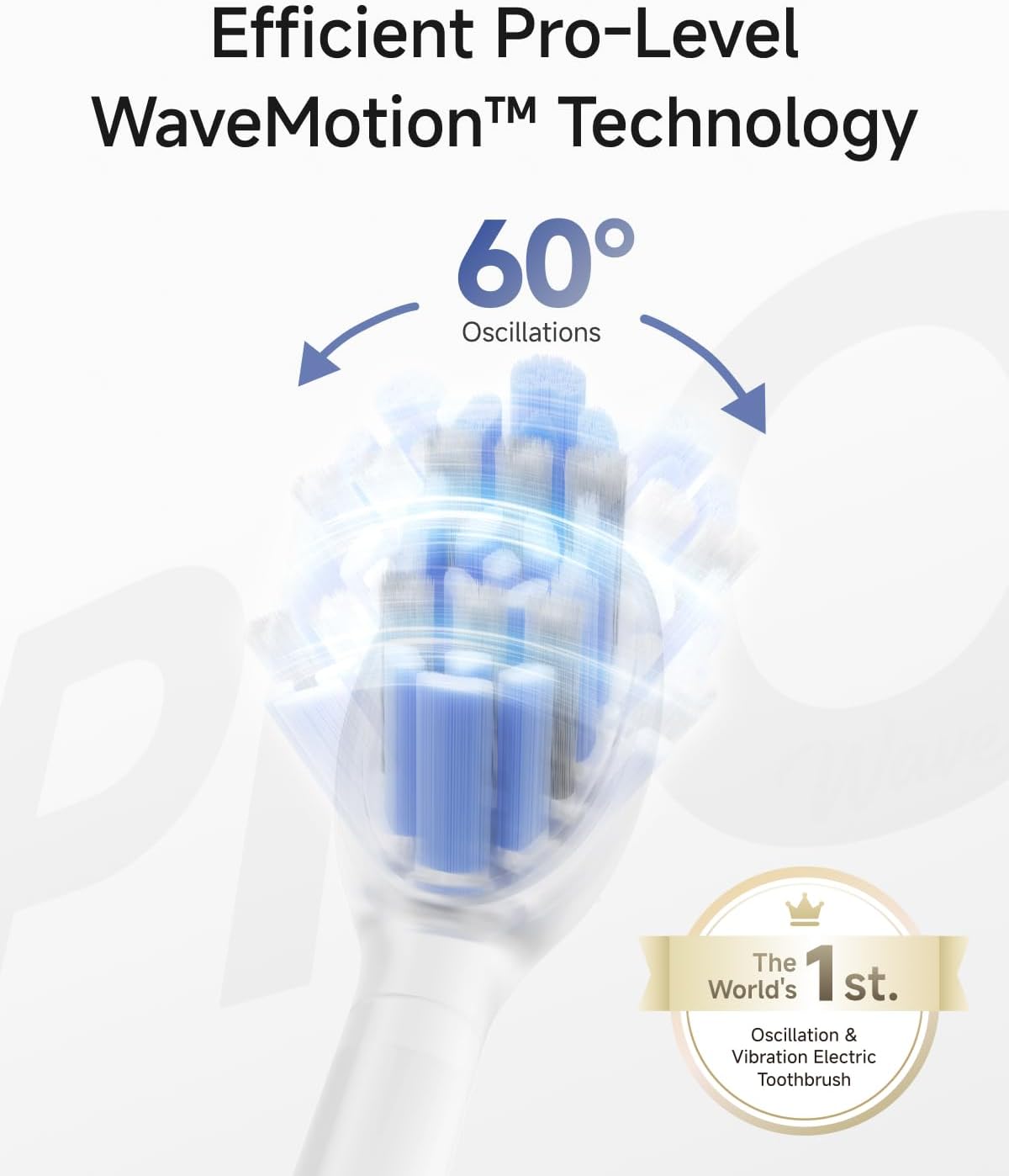
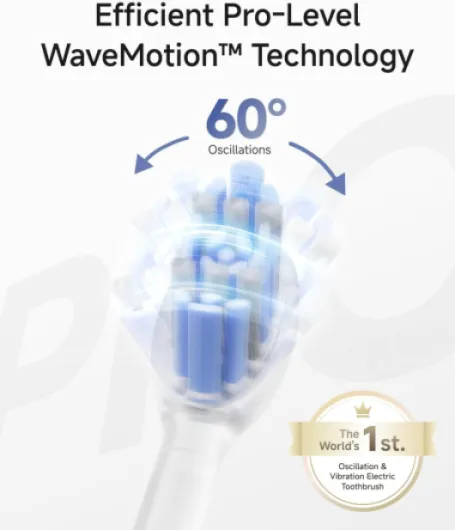
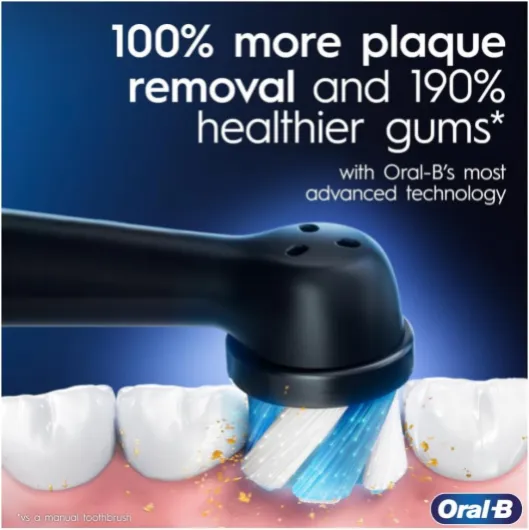
People with sensitive gums may prefer softer bristles and lower intensity sonic toothbrush modes. Others might choose an oscillating toothbrush head for a more mechanical feel that mimics professional polishing. For detailed insights into how different brush head geometries affect plaque removal, this review of specialized spin brush heads offers useful context.
Ergonomics also extend to the charging stand and storage options. A stable charging stand keeps the electric toothbrush upright, allows the brush head to air dry, and reduces clutter around the sink. When these small design choices align with user habits, smart electric toothbrushes become easier to integrate into daily life.
Battery life, charging, and durability in smart electric toothbrushes
Battery life is a critical factor when comparing the best smart electric toothbrushes. Long lasting batteries reduce the need for frequent charging and make travel simpler. Many modern electric toothbrushes now offer several weeks of use from a single charge, even with smart features active.
Charging systems vary from simple plug in bases to USB compatible charging stand designs. Some sonic toothbrush models use inductive charging, which seals the handle and improves water resistance. Others rely on direct connectors that may charge faster but require more careful drying after brushing.
Durability depends on both build quality and how the toothbrush is handled daily. Dropping an electric toothbrush or leaving it submerged can damage internal seals and shorten battery life. Regularly cleaning the handle, brush head connection, and charging stand helps maintain reliable performance.
Smart electric toothbrushes often include firmware that can be updated through companion apps. These updates may refine pressure sensor sensitivity, adjust minute timer behavior, or improve connectivity. While such changes are rarely dramatic, they show how product details continue to evolve after purchase.
When assessing price, consider the total cost of ownership rather than only the initial purchase. Replacement heads, potential repairs, and the expected lifespan of the battery all contribute to long term value. A slightly higher price for a robust, well tested best electric model can be more economical than repeatedly replacing cheaper toothbrushes.
For travelers or people who brush away from home, compact cases and protective covers for brush heads are important. Some advanced sonic electric toothbrush kits include UV sanitizing cases and extended battery life for added convenience. A detailed comparison of a tested sonic travel toothbrush with UV cleaning illustrates how these features support both hygiene and practicality.
Smart coaching, sensors, and data for better brushing habits
Smart coaching is where the best smart electric toothbrushes truly differentiate themselves. By combining a pressure sensor, motion tracking, and a minute timer, these devices translate brushing into measurable behavior. Users can then adjust technique based on clear feedback rather than guesswork.
Many apps display a mouth map that highlights which teeth received adequate brushing. If certain zones remain consistently under brushed, the system flags them after multiple tested sessions. Over time, this pattern recognition helps users correct blind spots and protect vulnerable areas from decay.
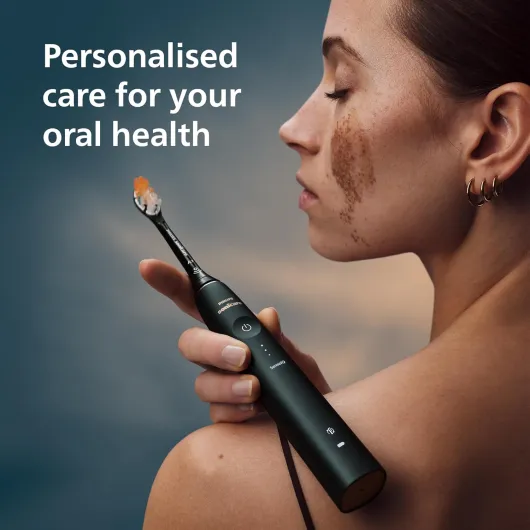
Some Philips Sonicare oral series models go further by offering personalized coaching plans. A Philips Sonicare electric toothbrush may suggest specific modes, such as daily clean or gum care, based on user goals. These recommendations align brushing intensity, duration, and brush head type with individual oral health needs.
Pressure data is particularly valuable for people with a history of gum recession. When the pressure sensor detects excessive force, the electric toothbrush can reduce power, pulse, or pause. This immediate feedback teaches a lighter touch while still ensuring that teeth and gums are thoroughly cleaned.
Smart systems also log consistency, showing how often users brush twice per day. Missed sessions appear in the app, encouraging better routines without shaming. For families, some electric toothbrushes allow multiple profiles, helping parents monitor children’s brushing without hovering in the bathroom.
Although these tools are sophisticated, they remain aids rather than replacements for professional care. Dentists and hygienists can interpret app data, relate it to clinical findings, and refine home care strategies. When smart electric toothbrushes, informed brushing, and regular checkups work together, oral health outcomes tend to improve significantly.
Comparing price, value, and tested performance in smart toothbrushes
Price differences between the best smart electric toothbrushes can be striking. Entry level electric toothbrushes with basic timers and limited sensors sit at the lower end. Premium models with advanced pressure sensor systems, multiple brush heads, and rich app features command higher prices.
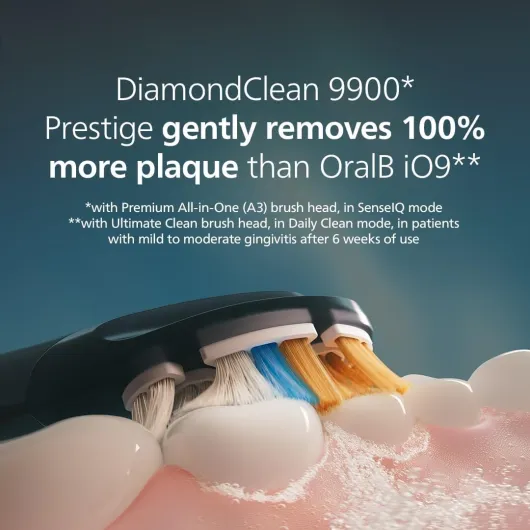
When evaluating value, focus on tested performance rather than marketing claims. Independent lab tests and clinical trials often compare plaque removal, gum health outcomes, and user satisfaction. Products labeled as tested best usually demonstrate consistent advantages over both manual toothbrush options and simpler electric toothbrush designs.
Philips Sonicare models frequently appear in these comparisons, especially within the oral series range. Their sonic toothbrush technology, combined with carefully engineered brush heads, tends to perform well in plaque reduction. However, other brands also offer strong contenders, particularly in oscillating toothbrush categories.
Battery life and durability should factor into any price comparison. A slightly more expensive electric toothbrush with a robust battery and reliable charging stand may cost less per year of use. Replacement heads also influence long term value, since premium brush heads can be more expensive yet last longer and clean more effectively.
Shoppers should read product details carefully, paying attention to included accessories. Some best electric bundles provide multiple brush heads, travel cases, and extra replacement heads, which can offset a higher initial price. Others may appear affordable but require frequent purchases of proprietary brush heads to maintain performance.
Ultimately, the best smart electric toothbrushes balance cost, comfort, and clinically relevant benefits. A mid range sonic toothbrush with solid sensors and a clear app can offer excellent oral health support. For many users, this balance of features and price delivers the most practical and sustainable upgrade from a manual toothbrush.
Practical tips for choosing and using the best smart electric toothbrushes
Selecting among the best smart electric toothbrushes starts with an honest assessment of personal habits. People who often rush brushing may benefit most from a strong minute timer and quadrant pacing. Those with sensitive gums should prioritize a responsive pressure sensor and gentle daily clean modes.
Consider whether a sonic toothbrush or oscillating toothbrush feels more intuitive in the mouth. Sonic motion creates a subtle vibration that some users find soothing and efficient. Oscillating toothbrush designs provide a more noticeable mechanical action that can feel similar to professional polishing around teeth.
Check which brush heads are compatible with the chosen electric toothbrush. Look for options that address specific needs such as plaque control, gum care, or orthodontic appliances. Ensure that replacement heads are easy to find and reasonably priced, since ongoing availability is essential for sustained oral health.
Once a toothbrush is selected, technique matters as much as technology. Hold the brush at a slight angle toward the gumline and let the electric toothbrush do the work. Move slowly from tooth to tooth, allowing the brush head to linger briefly on each surface without scrubbing aggressively.
Use the app features consistently for the first few weeks to build awareness. Review pressure alerts, coverage maps, and session histories to identify patterns in brushing. Over time, these insights help refine technique until good habits become automatic and require less digital guidance.
Finally, remember that even the best electric devices complement but do not replace professional care. Regular dental checkups, tailored advice, and occasional professional cleanings remain essential for long term oral health. When smart electric toothbrushes, informed brushing, and clinical oversight align, the result is a cleaner mouth, stronger gums, and a more confident smile.
Key statistics on smart electric toothbrush use
- Include here quantitative data on plaque reduction percentages for smart electric toothbrush users compared with manual toothbrush users.
- Mention the average recommended brushing duration of two minutes per session and how often users actually meet this target.
- Highlight statistics on gum bleeding reduction after several weeks of using a sonic toothbrush with a pressure sensor.
- Note the proportion of users who report improved oral health when switching from manual toothbrushes to electric toothbrushes with smart coaching.
Common questions about the best smart electric toothbrushes
Are smart electric toothbrushes really better than manual toothbrushes ?
Smart electric toothbrushes generally remove more plaque than manual toothbrushes when used correctly. Their built in minute timer and pressure sensor help users maintain consistent brushing habits. Over time, this combination supports better oral health and fewer missed areas.
How often should I replace brush heads on a smart electric toothbrush ?
Most dentists recommend replacing brush heads every three months. Smart electric toothbrushes may track usage and remind users when replacement heads are due. Worn bristles clean less effectively and can irritate gums, so timely changes are important.
Is a sonic toothbrush better than an oscillating toothbrush for sensitive gums ?
Both sonic toothbrush and oscillating toothbrush designs can work for sensitive gums. The key is using a gentle mode, soft brush head, and respecting pressure sensor alerts. Many people with sensitivity prefer the smoother feel of sonic motion at lower intensities.
What features matter most when choosing among the best smart electric toothbrushes ?
Essential features include a reliable minute timer, responsive pressure sensor, and comfortable brush head. Battery life, charging stand design, and clear product details also influence daily convenience. App quality and coaching tools can further enhance brushing technique and oral health.
Are higher price smart electric toothbrushes always the tested best choice ?
Higher price models often add extra modes, accessories, or premium materials. However, mid range electric toothbrushes with solid sensors and proven performance can offer excellent value. The tested best option is the one that fits your mouth, habits, and budget while supporting consistent brushing.


![Sonicare 7100 Electric Toothbrush, Sonic Toothbrush with App, 4 Brushing Modes and 3 Intensity Levels, Pressure Alert, EasyStart, SmarTimer, Navy Blue, Model HX7421/08 [New Technology] Sonicare 7100, Black, 4 Brush Heads](https://www.electric-toothbrush-guru.com/storage/801560/conversions/716cWACgncL._AC_SL1500_-medium.webp)



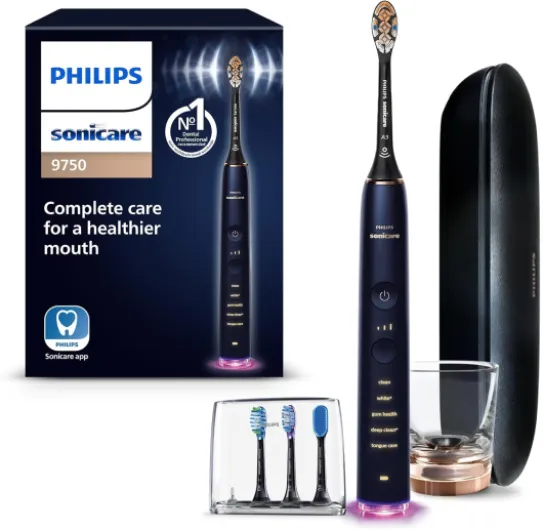
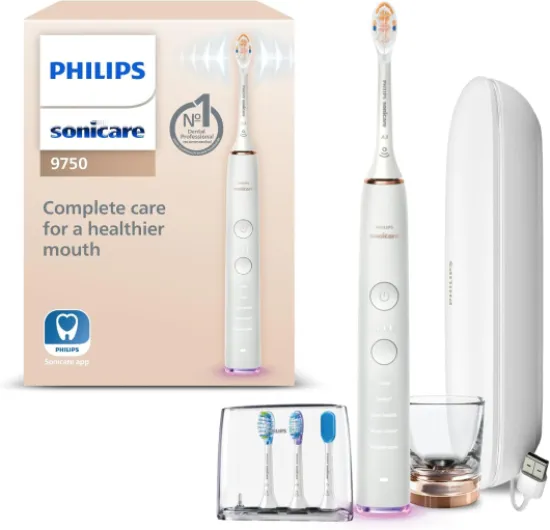

![Sonicare 7100 Electric Toothbrush, Sonic Toothbrush with App, 4 Brushing Modes and 3 Intensity Levels, Pressure Alert, EasyStart, SmarTimer, Navy Blue, Model HX7421/08 [New Technology] Sonicare 7100, Black, 4 Brush Heads](https://www.electric-toothbrush-guru.com/storage/801560/716cWACgncL._AC_SL1500_.jpg)