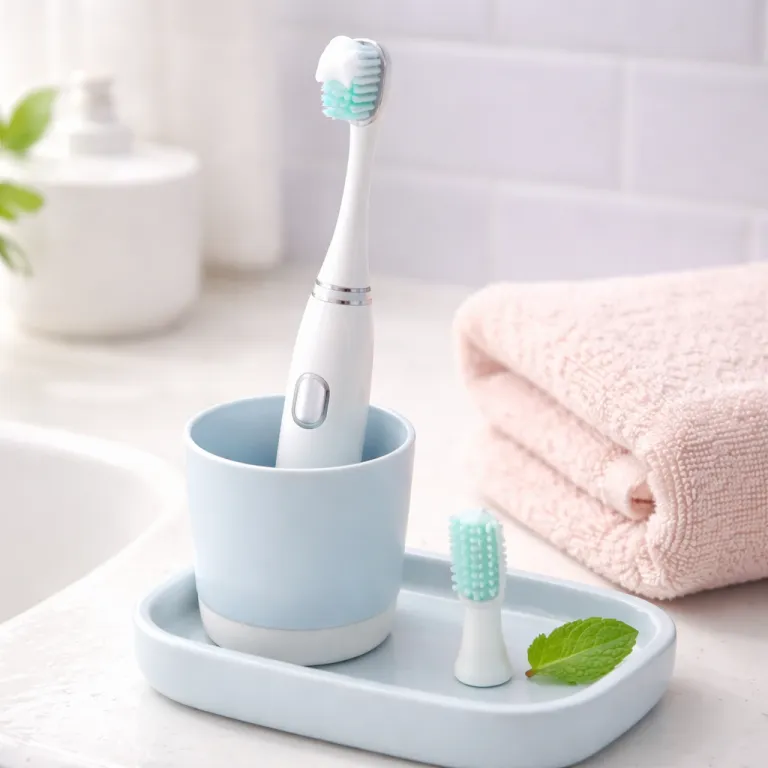
Why the best electric toothbrush for sensitive gums is often gentler than manual brushing
Many people with sensitive gums assume any electric toothbrush will feel too aggressive. A well chosen electric product actually smooths out the human variability that usually harms gums, because the motor keeps a consistent speed while your hand simply guides the brush. When you compare a rushed manual toothbrush routine to a controlled sonic toothbrush session, the difference in gum comfort after a week can be striking.
With a manual brush, pressure and angle change every few seconds, and that randomness often leads to gum recession over time. An electric toothbrush with a built in pressure sensor limits this toothbrush pressure problem, because the handle alerts you before you grind the brush head into delicate tissues and trigger receding gums. A large Cochrane review of over 5,000 participants found that powered brushes, especially oscillating rotating electric toothbrushes, reduced plaque by about 11% at one to three months and gingivitis by around 6% compared with standard manual brushing, which matters if your gums already feel sensitive (Cochrane Oral Health, 2014).
Parents often worry that an electric toothbrush will be too strong for children with sensitive teeth or early gum care needs. In practice, a rechargeable electric handle with a soft brush head and a gentle mode usually feels kinder than a stiff manual toothbrush best marketed for whitening. When you add a two minute timer and quadrant pacing, the electric toothbrushes help the whole family reach the recommended brushing count each day without over scrubbing any single area.
Key features that make an electric toothbrush safer for sensitive gums
When you shop for the best electric toothbrush for sensitive gums, focus less on flashy labels and more on a small set of protective features. A pressure sensor is non negotiable for anyone worried about gum recession, because it cuts through guesswork and trains a lighter grip every time the toothbrush vibrates or flashes. Over a few weeks, that feedback loop will usually reduce trauma to the gums and improve oral comfort even if your brushing technique was heavy handed before.
Look for brush heads specifically designed for gum care, often called sensitive or pro gum heads, because their bristles flex more and spread the load across a wider area. A model such as Philips Sonicare with a Sonicare ProtectiveClean handle pairs soft brush heads with a sensitive mode, which lowers the sonic toothbrush amplitude while still delivering strong plaque removal along the gumline. For people managing periodontal issues, choosing the right electric toothbrush for managing periodontal disease can be as important as flossing, especially when a dentist has already flagged early receding gums.
Battery design also matters, because a tired motor on a cheap rechargeable toothbrush can feel rough and choppy against sensitive teeth. A quality rechargeable electric handle maintains a stable motion until the battery is nearly empty, so the brush head glides rather than judders across the gums. Parents choosing one electric toothbrush for several family members should check the number of compatible brush heads and the price of replacements, since each person needs their own labeled brush head for hygiene and accurate oral care tracking.
Specific models and configurations that suit sensitive teeth and family gum care
For adults with sensitive gums who still want strong plaque removal, a Philips Sonicare ProtectiveClean rechargeable electric model is a reliable starting point. Its built in pressure sensor, two minute timer, and optional travel case make it practical for daily use and trips, while the sensitive mode softens the sonic toothbrush vibration enough for tender areas. When paired with a soft gum care brush head, this electric toothbrush often feels more like a gentle polish than a scrub.
Families who prefer an oscillating rotating feel may lean toward an Oral B style handle that offers multiple brushing modes and clear toothbrush pressure feedback. These electric toothbrushes usually include a visible label or light ring that glows when you press too hard, which is especially useful for teenagers who equate harder brushing with cleaner teeth and then complain about sensitive teeth later. Choosing the ideal mouthwash for optimal gum health alongside a gentle electric toothbrush can further calm inflamed gums without relying solely on the brush.
When comparing products, ignore marketing phrases like toothbrush best and instead compare concrete details such as the number of modes, the count of included brush heads, and the real world battery duration between charges. A mid range rechargeable toothbrush with a solid pressure sensor and soft brush head often outperforms a premium electric product used on the wrong setting for your gums. For quick reference, many mid tier handles offer two to three cleaning modes, around 10 to 14 days of battery life from a full charge, and replacement brush heads that typically cost a few dollars each when bought in multipacks.
A two week transition plan to electric brushing for sensitive gums
Switching from a manual toothbrush to an electric toothbrush when your gums already feel sensitive can be unsettling, so a structured plan helps. During the first week, use only the sensitive or gum care mode with the softest brush head available, and let the motor do the work while you simply guide the brush along the teeth. Keep each session to the standard two minute timer and resist the urge to extend brushing time, because overdoing it will not improve oral health faster.
In the second week, you can gradually introduce a slightly stronger mode on non tender days, while returning to the gentlest setting whenever your gums feel irritated. Many rechargeable electric models allow you to customize intensity within each mode, so you can fine tune the electric motion instead of jumping from very soft to very strong in one step. Parents can turn this into a family routine by counting down the last thirty seconds aloud, which keeps children engaged and reduces the number of rushed, incomplete brushing sessions.
For people who like data, a toothbrush with app support is reshaping daily oral care by mapping missed zones and tracking pressure over time. That kind of connected electric toothbrush can show whether your gum care is improving, because the app will often display a lower count of red pressure alerts after a few days of practice. Think of the first two weeks as training your hands and gums to trust the electric toothbrush, not as a test you either pass or fail.
When sensitivity signals a deeper problem and how to shop wisely
Not all sensitive gums are created equal, and some situations call for a dentist before any new electric toothbrush purchase. If you notice spontaneous bleeding, visible gum recession, loose teeth, or a sudden change in how your bite feels, professional assessment should come before comparing products or checking price ranges. An oral examination and X rays can reveal whether plaque removal alone will help or whether you are dealing with active periodontal disease that needs targeted treatment.
Once serious issues are ruled out or treated, you can return to choosing the best electric toothbrush for sensitive gums with more confidence. Pay attention to the global cost of ownership rather than just the initial price, because replacement brush heads, travel case accessories, and even electricity for charging all contribute over the duration of use. A clear label on the packaging that lists the number of included brush heads, the count of modes, and whether a pressure sensor is present will usually tell you more than vague claims about pro gum technology.
Parents often ask whether children should use the same rechargeable toothbrush handle as adults or have a separate electric product. Sharing a handle is usually fine if each person has a clearly marked brush head and the handle offers a gentle mode suitable for smaller mouths and sensitive teeth. In the end, the toothbrush that you and your family will use twice a day, with comfortable brushing and minimal irritation, is the toothbrush best suited to protect your gums over the long term.
FAQ
Are electric toothbrushes really better for sensitive gums than manual brushes ?
For most people with sensitive gums, a quality electric toothbrush is gentler than a manual brush because it controls speed and limits pressure. Features such as a pressure sensor, soft gum care brush head, and a built in timer reduce the risk of over scrubbing. The key is to choose a model with a sensitive mode and to let the brush glide rather than scrub.
Which brush head should I use if I have sensitive teeth and receding gums ?
Look for brush heads labeled sensitive, gentle, or gum care, because they use softer bristles and more flexible filaments. A compact brush head often feels more comfortable around receding gums and allows better access behind the last teeth. Replace the brush head every three months or sooner if the bristles splay, since worn bristles can scratch delicate tissues.
How much should I spend on the best electric toothbrush for sensitive gums ?
You do not need the most expensive product, but very cheap electric toothbrushes often lack a pressure sensor and reliable battery control. A mid range rechargeable electric model with at least one sensitive mode, a timer, and compatible soft brush heads usually offers the best balance of price and protection. Always factor in the ongoing cost of replacement brush heads when comparing options.
Can children with sensitive gums use the same electric toothbrush model as adults ?
Children can usually use the same type of rechargeable toothbrush handle as adults if it has a gentle mode and a small brush head. Each child should have a separate, clearly labeled brush head to maintain hygiene and track wear. Start them on the softest setting and supervise brushing until they can follow the timer and pressure guidance reliably.
How long does it take for gums to feel better after switching to an electric toothbrush ?
Many people notice less bleeding and tenderness within two weeks of using a gentle electric toothbrush with proper technique. The combination of consistent plaque removal and reduced pressure allows inflamed tissues to calm down gradually. If sensitivity or bleeding worsens during that period, stop and consult a dentist to rule out underlying disease.