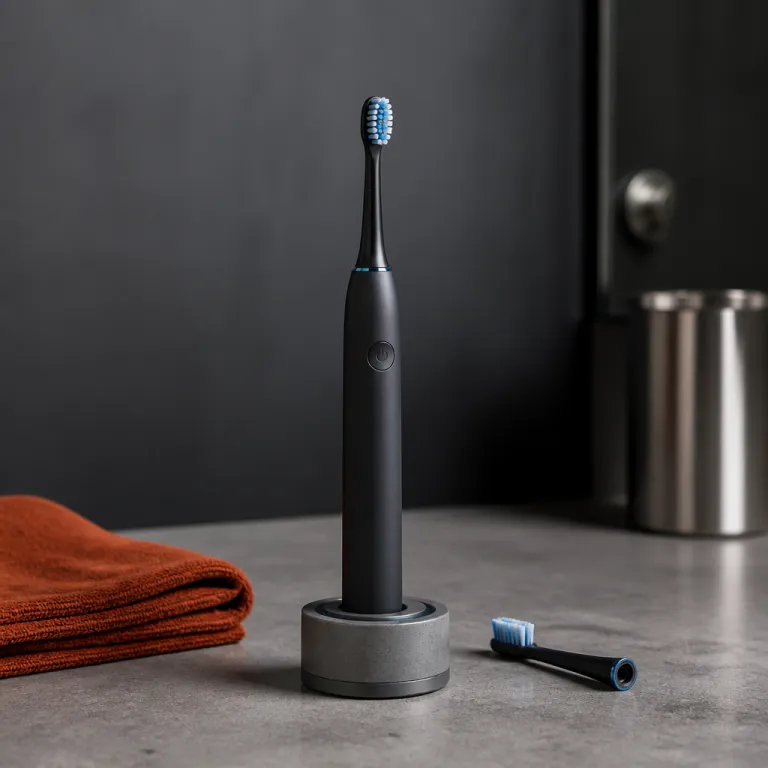

How a rechargeable sonic electric toothbrush actually works
A rechargeable sonic electric toothbrush uses high frequency vibrations to move fluid and tiny bubbles around each tooth surface. This sonic motion helps the brush disrupt plaque in narrow spaces where manual toothbrush bristles rarely reach, especially along the gumline, around orthodontic work, and between crowded teeth. Because the electric motor maintains a consistent speed, your brushing stays effective even when your hand pressure or angle changes during daily use.
In a typical sonic electric model, the brush head vibrates at roughly 24,000–62,000 brush movements per minute, which is far higher than many standard powered toothbrushes that simply rotate or oscillate at lower speeds. These sonic toothbrush designs create microbubbles in toothpaste and saliva that support oral care by disturbing bacterial biofilm without harsh scrubbing. For many users, this technology means cleaner teeth with less effort and a lower risk of damaging gentle gums through aggressive manual brushing, especially for people who tend to overbrush.
The rechargeable electric system relies on an internal lithium ion battery that usually lasts from several days to a few weeks between charges, depending on how often and how long you brush. When you place the rechargeable toothbrush on its stand, induction charging transfers power through the handle shell, which is often rated around IPX7 for water resistance to protect the internal electronics. Because the product is sealed, you can rinse the electric toothbrush under running water after each brush without worrying about short circuits or corrosion, as confirmed by typical manufacturer specifications and independent durability tests.
Comparing sonic toothbrushes and other electric toothbrushes
People often ask whether a sonic toothbrush is genuinely better than other electric toothbrushes for everyday oral care. Sonic electric models excel at fluid dynamics and sweeping vibrations, while many rotating electric toothbrush designs focus on mechanical scrubbing with small circular brush heads. Both technologies can clean plaque effectively when used correctly, but they feel different in the mouth and suit different brushing styles and comfort preferences.
Brands such as Philips and its Philips Sonicare line popularised the modern rechargeable sonic electric toothbrush by combining high speed vibration with soft bristles, pressure sensors, and multiple brushing modes. In contrast, some oscillating electric toothbrushes emphasise polishing cups and round brush head shapes that hug each tooth for targeted plaque removal. When you read stars reviews and long form product reviews, you will notice that users with sensitive teeth or gentle gums often describe the smoother sensation of sonic toothbrushes as a “buzzing massage,” while others say they like the more mechanical “polishing” feel of rotating heads.
For a deeper comparison of brushing performance, many shoppers look at rated stars scores, comments about teeth whitening results, and feedback on rechargeable battery life. A detailed test of a high frequency sonic electric toothbrush for adults, including several brush heads and multiple brushing modes for daily oral care, can be found in this in depth sonic toothbrush review for sensitive teeth that summarises lab measurements and user impressions. When you compare the regular price and any temporary price sale between sonic and non sonic electric models, remember to factor in the long term cost of replacement brush heads and the expected lifespan of the rechargeable battery rather than focusing only on the initial purchase.
Key features that matter in a rechargeable sonic electric toothbrush
When you evaluate any rechargeable toothbrush, start with the basics such as cleaning performance, comfort, and reliability. A good sonic electric handle should feel balanced in the hand, with intuitive controls and a clear brushing timer that encourages the full two minutes recommended by dental professionals. Many Philips Sonicare models, for example, use quadrant pacing alerts to guide you through each section of the mouth so that no area of teeth or gums is neglected during your routine.
Battery life is another decisive factor, especially if you travel frequently or share a bathroom with limited outlets. A long lasting rechargeable battery that delivers at least two weeks of brushing on a single charge reduces anxiety about packing chargers and makes the rechargeable electric system feel genuinely convenient. For frequent travellers, a compact travel case that protects the handle and brush heads in a suitcase or backpack can be as important as the cleaning modes themselves, particularly if you store the toothbrush with other electronics or liquids.
Water resistance also deserves attention, because a robust IPX7 style waterproof rating allows you to rinse the electric toothbrush thoroughly and even use it in the shower if you wish. Some premium electric toothbrushes include smart pressure sensors that protect gentle gums by reducing power when you press too hard, which is especially helpful for people with a history of gum recession or dental work. If you want more guidance on portable options, you can explore this guide to portable electric toothbrush choices for smarter travel and healthier teeth that compares several compact sonic toothbrushes, their travel accessories, and how well their charging systems cope with trips.
Understanding price, value, and stars reviews
Price often becomes the first filter when someone considers upgrading from a manual toothbrush to a rechargeable sonic electric toothbrush. Entry level sonic electric models can cost less than many mid range manual toothbrush and whitening kits combined, while premium Philips Sonicare or similar devices may sit at a higher regular price. The key is to judge value by long term oral care benefits, durability, and the ongoing cost of replacement brush heads rather than by the sticker alone or a short term promotion.
Online reviews and rated stars scores provide useful signals, but they require careful reading to separate genuine feedback from marketing noise. Look for stars reviews that mention specific aspects such as teeth whitening effectiveness, comfort on gentle gums, ease of cleaning the handle, and real world rechargeable battery performance. When multiple toothbrushes in the same price range receive consistent praise for how clean the teeth feel after brushing and how well the product holds its charge, that pattern usually indicates reliable engineering rather than hype, especially when comments stay positive after months of use.
Promotional events can temporarily lower the price through a limited price sale, but do not let discounts push you toward a model that does not fit your needs. A slightly higher regular price on a robust rechargeable toothbrush with an IPX7 waterproof rating, a protective travel case, and widely available brush heads may save money over time compared with a cheaper electric toothbrush that fails early or uses costly proprietary heads. For a concrete example of how a well reviewed electric toothbrush with a strong battery and travel accessories is evaluated, see this detailed test of an Oral B iO model with a long lasting battery and travel case, available through an ultimate clean electric toothbrush review that compares lab plaque scores with user satisfaction.
Choosing brush heads, brushing modes, and whitening settings
The brush head is the only part of a rechargeable sonic electric toothbrush that actually touches your teeth and gums. Different brush heads are designed for different goals, such as plaque removal, teeth whitening, or extra gentle care for sensitive areas. Many Philips Sonicare and other sonic toothbrush ranges offer compact heads for precise brushing and larger heads for faster coverage, so matching the head to your mouth shape and dental work really matters.
Most modern electric toothbrushes include several brushing modes that adjust intensity and vibration patterns. A standard clean mode suits everyday oral care, while specialised whitening modes may extend the brushing time or vary the sonic electric frequency to polish stains from coffee, tea, or tobacco. If your gums are delicate, a sensitive mode with softer bristles and reduced power can protect gentle gums while still leaving teeth feeling smooth after each brush, especially along exposed root surfaces.
For people focused on teeth whitening, it is important to understand that no electric toothbrush can bleach enamel the way professional treatments do, but a high quality rechargeable toothbrush can slow new stain buildup and enhance the effect of whitening toothpaste. Consistent brushing with the right brush head and mode, combined with flossing and regular dental check ups, usually delivers more reliable results than chasing the latest product trend or gadget. When you replace brush heads every three months or sooner if bristles splay, you maintain the designed cleaning efficiency and protect both teeth and soft tissues from excessive wear or scratching.
Practical tips for daily use and long term oral care
Switching from a manual toothbrush to a rechargeable sonic electric toothbrush changes how you move the brush in your mouth. Instead of scrubbing back and forth, you simply guide the sonic toothbrush slowly along the gumline and let the vibrations do the work. This technique reduces the temptation to press too hard, which helps protect gentle gums and exposed root surfaces while still removing plaque effectively.
Dental professionals generally recommend brushing for two minutes twice a day, using a pea sized amount of fluoride toothpaste and focusing on every surface of every tooth. Many rechargeable electric handles include built in timers and quadrant alerts that make this routine easier to follow without watching a clock. If your electric toothbrush offers multiple modes, you can use a standard clean setting in the morning and a more thorough whitening or gum care mode in the evening, tailoring oral care to your daily schedule and any sensitivity you notice.
To keep the product hygienic, rinse the brush head thoroughly after each use, shake off excess water, and store the handle upright so that air can circulate around the bristles. Because most modern handles are rated around IPX7 for water resistance, you can safely wipe the electric body with a damp cloth to remove toothpaste residue and keep the finish looking new. Replacing brush heads on schedule, monitoring rechargeable battery performance, and watching for changes in rated stars feedback on newer models will help you decide when it is time to invest in a new rechargeable sonic electric toothbrush for optimal teeth and gum health over the long term.
Key figures about rechargeable sonic electric toothbrushes
- Randomised clinical trials have shown that powered toothbrushes, including sonic electric models, reduce dental plaque by around 21 % and gingivitis by about 11 % more than manual toothbrushes after three months of use, according to a systematic review by the Cochrane Oral Health Group (for example, Cochrane Review CD002281).
- Market analyses from major oral care manufacturers indicate that electric toothbrushes now represent more than one third of toothbrush sales in several European countries, reflecting growing consumer trust in rechargeable toothbrush technology and a shift away from basic manual brushes.
- Battery specifications from leading brands such as Philips Sonicare show that many mid range rechargeable electric handles provide up to two weeks of twice daily brushing on a single charge, which significantly improves convenience for frequent travel and busy households that share chargers.
- Independent product testing organisations report that models with an IPX7 waterproof rating and pressure sensors tend to receive higher rated stars scores in long term reviews, mainly because they last longer, resist moisture damage, and better protect gentle gums from overbrushing.
FAQ about rechargeable sonic electric toothbrushes
Are sonic electric toothbrushes really better than manual brushes ?
Controlled studies show that powered toothbrushes, including sonic toothbrush designs, remove more plaque and reduce gingivitis more effectively than manual brushes when used correctly. The consistent motion and built in timers help people maintain proper brushing time and technique. For many users, this leads to cleaner teeth and healthier gums over the long term, especially if they previously brushed too quickly or with poor manual technique.
How often should I replace the brush head on a rechargeable toothbrush ?
Most manufacturers recommend replacing brush heads every three months, or sooner if the bristles become frayed or splayed. Worn bristles clean less effectively and can feel harsh on gentle gums, even on a high quality rechargeable sonic electric toothbrush. Regular replacement also helps maintain hygiene by reducing bacterial buildup on the brush and keeping the brushing sensation comfortable.
Can a rechargeable sonic electric toothbrush whiten my teeth ?
A sonic electric toothbrush can help remove surface stains and prevent new discoloration, which makes teeth appear brighter over time. It cannot change the natural colour of enamel the way professional bleaching treatments do, but it supports teeth whitening toothpaste and in office procedures by keeping surfaces very clean. Consistent brushing, limited staining foods, and regular dental visits remain essential for noticeable whitening results that last.
Is an IPX waterproof rating important for an electric toothbrush ?
An IPX waterproof rating indicates that the electric toothbrush handle is sealed against water ingress during normal use, such as rinsing under the tap or using it in a humid bathroom. This protection extends the life of the rechargeable electric components and reduces the risk of malfunction from moisture. For most people, choosing an IPX7 style waterproof model is a practical way to improve durability and safety without changing brushing habits.
What should I look for when comparing price and value ?
When you compare the price of different rechargeable toothbrushes, consider cleaning performance, battery life, availability and cost of replacement brush heads, and the presence of useful features such as timers or pressure sensors. A slightly higher regular price can be worthwhile if the product lasts longer, protects gentle gums, and keeps teeth cleaner with less effort. Reading detailed stars reviews from verified buyers helps you judge real world value beyond the headline price sale or promotion, especially when reviewers mention how the toothbrush performs after months of daily brushing.