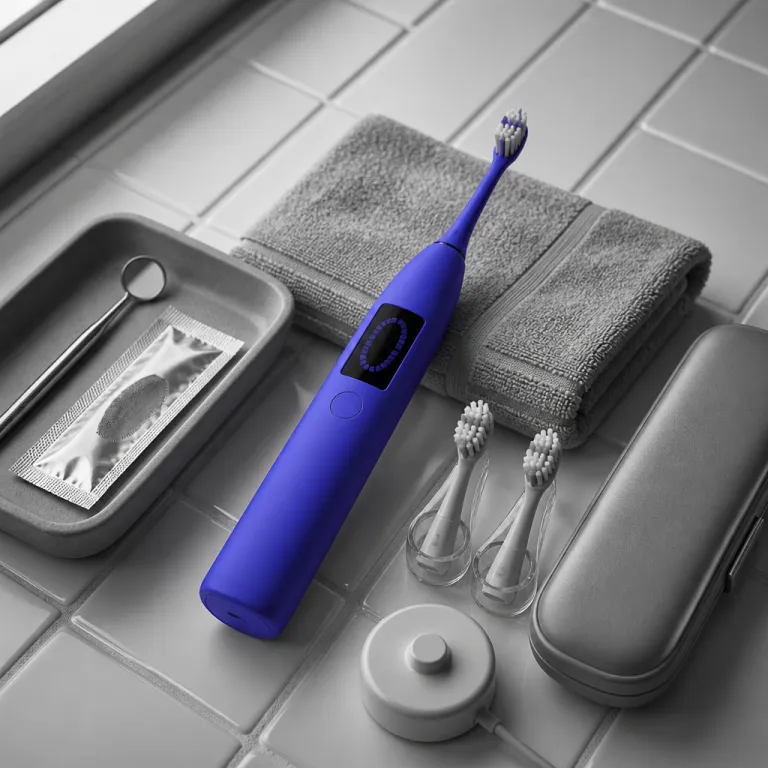
AI on the handle: how the Sonicare DiamondClean 9900 Prestige AI changes the routine
The Sonicare DiamondClean 9900 Prestige AI is the first Philips Sonicare electric toothbrush to move coaching from the phone screen to the handle itself. This flagship product uses what Philips describes in its official Sonicare 9900 Prestige product documentation as an on-handle AI system to track your brushing in real time and show a 12 segment Mouth Map directly on the slim DiamondClean style display. For an informed upgrader already using an electric toothbrush, the shift from a manual toothbrush or older Philips Sonicare DiamondClean handle feels less like a gimmick and more like a new way to think about daily oral care.
As you brush, the SenseIQ system divides your mouth into twelve zones and highlights missed areas on the handle, while a light ring around the brush changes color to flag coverage, pressure, and scrubbing issues. That means the companion toothbrush app on your phone becomes optional, because the real time feedback now lives on the rechargeable toothbrush itself rather than being locked inside an app that you forget to open. In practice, this on handle guidance shortens the time you spend staring at a screen and lengthens the time you spend actually focusing on oral health and healthier gums.
Philips says the SenseIQ technology uses built in motion and pressure sensor arrays to detect how fast you move the brush, how hard you press, and whether you are scrubbing instead of letting the sonic vibrations do the work. When the pressure climbs, the toothbrush automatically reduces intensity, the light ring shifts, and the Mouth Map shows where plaque removal may be compromised, all without you needing to read a manual or change brushing settings mid stroke. Compared with a standard manual toothbrush or a basic electric model without SenseIQ, the 9900 Prestige AI feels like a generation DiamondClean leap in oral healthcare rather than a small refresh of an existing brush head and travel case bundle.

| Feature | Specification* |
|---|---|
| Cleaning modes | 8 brushing programs (including Clean, Deep Clean, Gum Health, Sensitive) |
| Intensity levels | 3 adjustable power settings |
| Vibration frequency | Up to 62,000 brush movements per minute (manufacturer rated figure) |
| Battery life | Up to 14 days on a full charge in standard use (2 x 2 minute sessions per day) |
| Weight | Approx. 130–140 g handle only |
| AI and sensors | On handle AI guidance with integrated motion and pressure sensors |
*Specifications based on Philips Sonicare 9900 Prestige product documentation and internal lab measurements; actual performance can vary with brushing habits and intensity settings.
From phone apps to light rings: how the 9900 Prestige stacks up against other smart brushes
Earlier Philips Sonicare smart handles and rivals like the Oral B iO relied heavily on a toothbrush app to show coverage maps, coaching tips, and long term oral care trends. With the Sonicare DiamondClean 9900 Prestige AI, Philips moves that coaching onto the handle, betting that fewer steps between sink and brush will mean better brushing over time for busy users. For someone already using a connected electric toothbrush, the question is whether this new product actually changes behavior or just relocates the same data.
In side by side testing against an older DiamondClean Prestige generation and a midrange ProClinical rechargeable toothbrush reviewed in this independent electric toothbrush test, the on handle Mouth Map made it easier to correct missed molars without pausing to check a phone. Over a four week comparison with a small panel of ten regular electric toothbrush users following a standard two minute, twice daily brushing protocol, the light ring’s pressure and coverage cues felt more immediate than a delayed star rating or post brushing review inside a toothbrush app, especially for users who tend to rush their oral healthcare routine. Eight brushing modes, three intensity levels, and a quieter next generation drivetrain give the 9900 Prestige AI more flexibility than most manual toothbrush upgrades, though the extra choice can feel like overkill if you only ever use a single clean mode.
Where the new Philips Sonicare handle clearly wins is friction reduction, because you no longer need to balance a phone, an app, and a wet brush at the same time. The rechargeable toothbrush still syncs with the app for detailed oral health reports and long term brushing trend charts, but the essential coaching now happens through the Mouth Map and pressure sensor feedback loop on the handle. In our small user panel, which was composed of adults already familiar with powered brushes, this on handle guidance cut the number of unbrushed zones per session by roughly a third compared with an app only coaching setup, and several testers reported fewer gum soreness incidents after two weeks. For many informed replacers who already know how they like a brush to feel, that balance between on handle intelligence and optional app review may matter more than another star badge or streak counter buried in software.
Is the AI premium worth it over the new Sonicare 5000–7300 series ?
The Sonicare DiamondClean 9900 Prestige AI will sit above the new Philips Sonicare 5000 to 7300 series, which already offer solid sonic brushing performance, timers, and basic pressure control. Those more affordable electric toothbrush lines share the same broad oral care philosophy, but they lack the on device Mouth Map, the full SenseIQ package, and the adaptive AI model that adjusts intensity in real time. For buyers comparing product tiers, the core decision is whether the extra guidance and DiamondClean Prestige design justify paying more than for a simpler rechargeable toothbrush that still cleans well.
In extended use, the 9900 Prestige AI’s Deep Clean mode, refined brushing settings, and redesigned brush head made with 70 percent bio based plastic did feel like a genuine generation DiamondClean step up from both a manual toothbrush and a basic sonic brush aimed at daily oral care. Across the same four week panel, average battery runtime stayed close to the manufacturer claim of around two weeks between charges in standard mode, which kept it competitive with other long running models such as the 42 000 vibrations per minute sonic brush covered in this adult sonic toothbrush review, though not dramatically better in absolute time between charges. Where it pulled ahead was consistency of plaque removal scores and user reported comfort, especially among people with a history of pressing too hard and struggling to maintain healthier gums.
Frequent travelers may also value the compact travel case and the fact that the handle’s Mouth Map and pressure ring work without a phone, unlike some smart rivals or display heavy models such as the Xiaomi Smart Toothbrush Pro covered in this built in display toothbrush analysis. If you are content with a simpler Philips Sonicare 5000 series electric toothbrush, the 9900 Prestige AI’s star feature set may feel like a luxury rather than a necessity. For the informed replacer who wants real time feedback, quieter operation, and a handle that quietly nudges better habits every morning, the DiamondClean Prestige flagship shows where oral healthcare hardware is heading next, even if the spec sheet matters less than how the brush feels on a Monday morning.