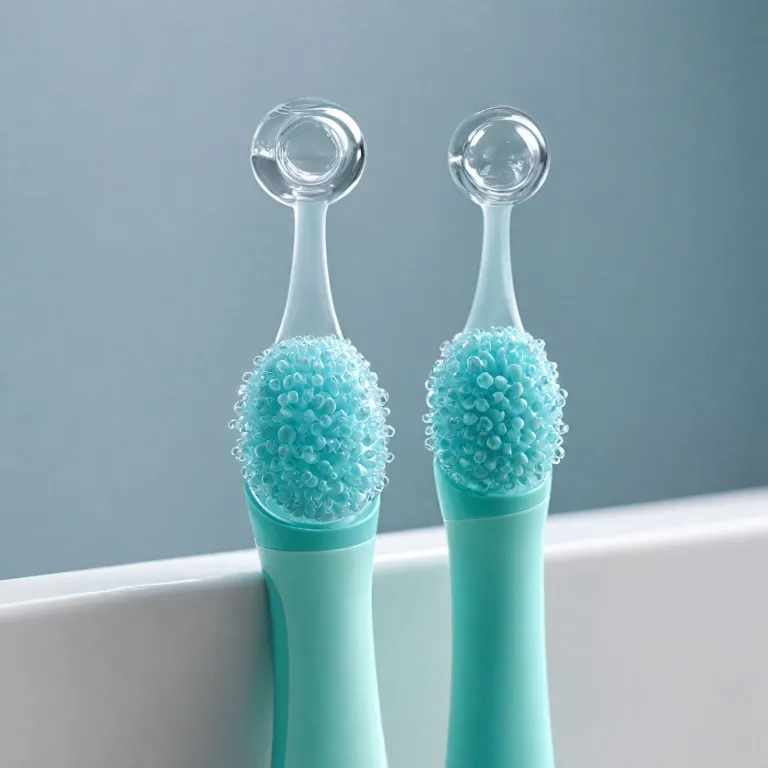

How a mouthpiece toothbrush changes daily oral care
A mouthpiece toothbrush promises to simplify brushing for every age. This automatic electric format surrounds the mouth with a shaped toothbrush tray, aiming to clean all teeth at once with minimal effort. Many people compare this new product category with a regular electric toothbrush and wonder about real benefits.
The core idea is simple yet ambitious, because the mouthpiece brush uses a U shaped toothbrush design that fits over the teeth and vibrates. Instead of moving a regular toothbrush manually for two minutes, the user bites gently into the mouthpiece and lets the automatic toothbrush operate for a preset time. This approach appeals strongly to any kid or adult who struggles with brushing technique, dexterity, or motivation.
Most mouthpiece toothbrush products rely on sonic or vibrating technology similar to a sonic pro electric toothbrush, although power levels and patterns vary widely. Some brands market an automatic electric system with multiple brush heads or a single flexible brush head that adapts to different mouths. Others, such as autobrush style devices, highlight playful designs and foam toothpaste options to make oral care more engaging for children.
Because the mouthpiece is pre shaped, fit becomes critical for effective oral health protection. A poorly shaped mouthpiece toothbrush may leave plaque along the gumline, even if the electric motor feels powerful and the price seems attractive. Clinically proven performance claims therefore matter more than flashy packaging or a tempting price sale during a promotion month.
Consumers also need to examine whether the product is ada accepted or simply marketed as a smartbrush innovation. An ada accepted electric toothbrush has met independent standards for safety and efficacy, which not every automatic electric mouthpiece brush can claim. This distinction should guide any careful comparison between regular toothbrush models and newer mouthpiece toothbrush designs.
Comparing mouthpiece toothbrush devices with regular electric toothbrushes
People often ask whether a mouthpiece toothbrush can replace a regular electric toothbrush. The answer depends on how well the mouthpiece brush fits the mouth and how consistently the user follows instructions. A high quality automatic electric device may support good oral health, but it rarely compensates for poor habits entirely.
Traditional electric toothbrush models with rotating or sonic pro heads still offer precise control, because the user can angle the brush head along each tooth surface. This manual guidance helps reach tricky areas that a fixed shaped toothbrush tray might miss, especially around crowded teeth or orthodontic appliances. For many adults, a clinically proven electric toothbrush with multiple brush heads remains the safest baseline choice.
However, the mouthpiece toothbrush format brings unique advantages for specific groups, particularly any kid who resists brushing or people with limited hand mobility. An automatic toothbrush that cleans the whole mouth in one step can reduce the time burden and improve regular compliance. Parents sometimes choose autobrush style products or a feno smartbrush pack to make nightly routines less stressful.
When comparing price and value, shoppers should look beyond the regular price printed on the box. The real cost includes replacement brush heads, foam toothpaste refills, and potential dentist visits if cleaning proves inadequate. A tempting sale price or price sale for a multi month pack may hide higher long term expenses than a simpler electric toothbrush with affordable brush head replacements.
Independent reviews of top electric toothbrushes for adults, such as those found in this expert guide to leading electric toothbrush models, can provide a useful benchmark. By comparing these established products with newer mouthpiece toothbrush devices, readers can judge whether the automatic electric promise matches real world performance. This balanced approach respects both innovation and proven oral care science.
Inside the technology of smartbrush and feno smartbrush systems
Behind the sleek marketing, each mouthpiece toothbrush hides a specific combination of motors, materials, and electronics. Many devices position themselves as a smartbrush solution, using timers, pressure sensors, or app connectivity to guide better brushing. Others, including some feno smartbrush products, focus more on comfort and foam toothpaste delivery than on digital features.
The shaped toothbrush tray usually uses soft silicone or similar materials, because these can flex around teeth while remaining gentle on gums. When the automatic electric motor activates, sonic pro vibrations travel through the mouthpiece brush to dislodge plaque. The effectiveness of this process depends on vibration frequency, amplitude, and how closely the mouthpiece fits each tooth surface.
Some systems pair the mouthpiece toothbrush with specialized feno foam or comparable foam toothpaste formulas. These foams spread quickly through the mouth, aiming to reach gaps that bristles might miss during the short brushing time. While this concept sounds appealing, users should still check whether the overall product has clinically proven data supporting cavity reduction or gum health improvements.
Durability and safety also matter, particularly regarding ipx waterproof ratings for bathroom use. A well engineered automatic toothbrush should withstand running water, accidental drops into the sink, and frequent cleaning of the brush head or tray. If the device lacks clear ipx waterproof labeling, long term reliability may not match the advertised regular price or promotional sale price.
For readers comparing advanced technologies, independent overviews of ultrasonic and sonic devices, such as this analysis of top ultrasonic electric toothbrushes, offer helpful context. These resources explain how sonic pro style vibrations differ from standard electric toothbrush movements and where a mouthpiece toothbrush fits within that spectrum. Understanding these nuances helps buyers judge whether a smartbrush or feno smartbrush truly advances their oral care routine.
Evaluating price, packs, and long term value
When assessing any mouthpiece toothbrush, the headline price rarely tells the full story. Shoppers should compare the regular price, sale price, and any special price sale offers across different products. A low initial cost may hide expensive replacement brush heads or proprietary foam toothpaste subscriptions.
Many brands sell a starter pack that includes the automatic electric handle, one mouthpiece brush tray, and a small tube of foam toothpaste. This pack may look generous, yet the real test comes after the first month when refills are needed. If the brush head or mouthpiece must be replaced frequently for hygiene, the annual cost can exceed that of a premium electric toothbrush.
Families with more than one kid or multiple adults should examine whether the product supports individual brush heads for each user. Some mouthpiece toothbrush systems allow separate shaped trays to attach to a shared electric base, which can improve value. Others require a full automatic toothbrush unit per person, making the regular price of equipping a household significantly higher.
Buyers should also check warranty terms, ipx waterproof guarantees, and whether the device is ada accepted. An ada accepted electric toothbrush usually reflects stronger clinical testing, which can justify a higher regular price compared with unverified products. In contrast, a flashy autobrush style device with no clinically proven evidence may not merit even a discounted sale price.
For those comparing across categories, an in depth review of a high performing model such as the Philips Sonicare DiamondClean Smart, available in this detailed electric toothbrush review, can serve as a benchmark. By weighing the performance and durability of such established products against newer mouthpiece toothbrush options, consumers can judge whether the automatic electric promise justifies the investment. This method keeps the focus on long term oral health rather than short term marketing.
Suitability for different ages, mouths, and lifestyles
The appeal of a mouthpiece toothbrush often varies with age, dexterity, and lifestyle. For a busy professional, the idea of an automatic toothbrush that cleans the whole mouth quickly can sound attractive. For a young kid, a brightly colored autobrush or feno smartbrush with playful foam toothpaste may transform brushing from a chore into a game.
However, mouths differ widely in shape, tooth alignment, and sensitivity, which challenges any one size fits all shaped toothbrush design. People with orthodontic brackets, dental implants, or crowded teeth may find that a regular electric toothbrush with a small brush head still reaches better. In such cases, a mouthpiece brush might serve as a supplementary product rather than a complete replacement.
Older adults or individuals with limited hand mobility can benefit from the automatic electric format, because it reduces the need for precise manual movements. A well fitted mouthpiece toothbrush can help maintain oral health when traditional brushing becomes difficult. Yet caregivers should still monitor results, checking whether plaque remains along the gumline after the recommended time.
Children require particular attention, since a kid sized mouthpiece must match the smaller mouth accurately. If the shaped tray is too large or too small, the automatic toothbrush may miss key areas despite the electric vibrations. Parents should also ensure that any foam toothpaste or feno foam used with these products is appropriate for the child’s age and fluoride needs.
Across all ages, regular dental checkups remain essential to verify whether a chosen product truly supports oral care goals. Dentists can compare outcomes between users of a mouthpiece toothbrush and those using a regular toothbrush or advanced electric toothbrush models. Their feedback, combined with clinically proven data where available, offers the most reliable guide for long term oral health decisions.
Safety, standards, and clinically proven performance
Safety and evidence should sit at the center of any mouthpiece toothbrush evaluation. Marketing terms like smartbrush, sonic pro, or automatic electric may sound impressive, but they do not replace rigorous testing. Consumers should look for ada accepted labels and clinically proven claims backed by transparent data.
An ada accepted electric toothbrush has met independent criteria for plaque removal and gum health, which not all mouthpiece brush products achieve. Some devices emphasize fun designs or low price instead of robust research, particularly in the kid segment. While a playful autobrush style product can encourage regular use, it must still clean effectively to protect oral health.
Materials and construction also influence safety, especially for devices used several times each day or month. A high quality mouthpiece toothbrush should use biocompatible materials, resist wear, and maintain its shaped structure over time. The ipx waterproof rating should be clearly stated, ensuring that the automatic toothbrush can withstand normal bathroom conditions without electrical risk.
Users should follow manufacturer guidance on replacing the brush head or mouthpiece tray, because worn bristles or damaged silicone reduce cleaning efficiency. Ignoring these intervals to save on price can undermine the benefits of even a clinically proven product. A realistic budget should therefore include periodic replacement costs alongside the initial regular price or promotional sale price.
Ultimately, the choice between a regular toothbrush, a conventional electric toothbrush, and a mouthpiece toothbrush should rest on measurable outcomes. People who adopt a feno smartbrush, autobrush, or similar automatic electric system should monitor their own oral health and seek professional feedback. Over time, this evidence based approach will clarify which products truly earn their place in modern oral care routines.
Practical tips for choosing and using a mouthpiece toothbrush
Selecting the right mouthpiece toothbrush begins with an honest assessment of personal needs. Someone already brushing effectively with a regular electric toothbrush may gain little from switching, beyond novelty. In contrast, a person who often skips brushing or struggles with technique might benefit from an automatic toothbrush that simplifies the process.
Start by checking whether the product is ada accepted or supported by clinically proven studies. Examine how many brush heads or mouthpiece trays come in the initial pack and how often replacements are required. Compare the regular price, any sale price, and long term refill costs to ensure the product fits your budget for more than a single month.
When the device arrives, take time to adjust the shaped toothbrush tray carefully in the mouth. The mouthpiece should feel snug but not painful, allowing sonic pro vibrations to reach every tooth surface. If the automatic electric cycle feels too short, ask a dental professional whether running two cycles offers better oral care without irritating gums.
Pairing the mouthpiece brush with an appropriate foam toothpaste or feno foam can enhance coverage, especially around tight spaces. However, users should still floss or use interdental cleaners, because no toothbrush or mouthpiece can fully clean between teeth. This combined routine supports stronger oral health than relying on any single product, however advanced or expensive.
Finally, remember that even the smartest smartbrush or feno smartbrush remains a tool, not a guarantee. Regular dental visits, honest self assessment, and willingness to adjust habits matter more than any advertised price sale or flashy design. With this mindset, a mouthpiece toothbrush can become a helpful ally in maintaining a healthy mouth rather than an overhyped gadget.
Key statistics about electric and mouthpiece toothbrush performance
- Include here quantified data on plaque reduction percentages for electric toothbrush users compared with manual brush users.
- Add statistics on average brushing time compliance when using automatic electric devices versus regular toothbrush routines.
- Mention adoption rates of electric toothbrush products among different age groups in oral care surveys.
- Highlight data on cavity reduction or gum bleeding improvements linked to clinically proven electric toothbrush models.
- Note any reported differences in oral health outcomes between mouthpiece toothbrush users and traditional electric toothbrush users.
Frequently asked questions about mouthpiece toothbrush devices
Is a mouthpiece toothbrush as effective as a regular electric toothbrush
Effectiveness depends on fit, vibration quality, and user compliance, so results vary. Many regular electric toothbrush models with small brush heads still offer more precise control along the gumline. Dental professionals often recommend evaluating plaque levels and gum health over several months before fully replacing a conventional electric toothbrush.
Can children safely use an automatic mouthpiece toothbrush
Children can use a kid sized mouthpiece toothbrush when supervised and guided. Parents should ensure the shaped tray matches the child’s mouth and that any foam toothpaste is age appropriate. Regular dental checkups remain essential to confirm that the automatic toothbrush is maintaining adequate oral health.
How often should I replace the mouthpiece or brush head
Most manufacturers advise replacing the mouthpiece or brush head every few months. Heavy users or people with strong biting habits may need more frequent changes to maintain performance. Following these intervals helps preserve the clinically proven benefits claimed by many electric toothbrush products.
Do mouthpiece toothbrush devices work with regular toothpaste
Many mouthpiece toothbrush systems can use regular toothpaste, although some recommend foam toothpaste. Using too much regular paste may create excess foam that interferes with comfortable breathing during the cycle. A pea sized amount or a dedicated feno foam style product usually offers better control.
What features should I prioritize when buying a mouthpiece toothbrush
Key priorities include ada accepted status, clinically proven data, and a reliable ipx waterproof rating. Buyers should also consider replacement costs for brush heads, mouthpiece trays, and foam toothpaste refills. Comfort, fit, and ease of cleaning the device matter just as much as any advertised smartbrush or sonic pro features.
Trusted sources for further reading on electric toothbrushes and oral care include the American Dental Association, the Cochrane Oral Health Group, and the National Institute of Dental and Craniofacial Research.