Key features that define the best ultrasonic electric toothbrushes
When comparing ultrasonic electric toothbrushes, it helps to break the decision into clear criteria that go beyond marketing claims. The first pillar is brushing performance, which depends on sonic frequency, movements per minute, and how well the brush head shape matches your teeth and gumline. A compact brush head can reach behind molars more easily, while slightly larger brush heads may cover flat surfaces faster.
Many premium electric toothbrush models, including Philips Sonicare and several sonic pro competitors, offer multiple brushing modes for daily clean, gum care, and teeth whitening. These modes adjust the intensity of sonic toothbrush movements, allowing users to tailor oral care to sensitive areas or orthodontic appliances. For people with gum recession or implants, a softer sonic toothbrush setting combined with a pressure sensor can significantly reduce trauma during brushing.
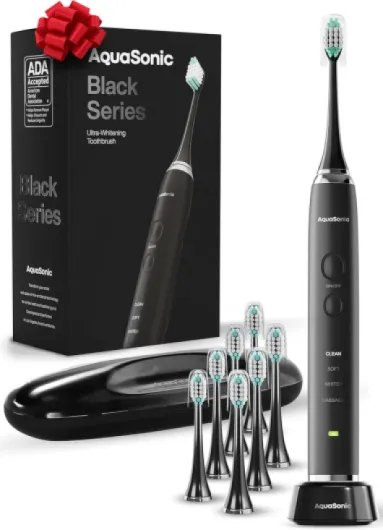
Power management is the second pillar, because battery life determines how often you need to return the electric toothbrush to its charging stand. Some of the best electric designs now last several weeks on a single charge, which is especially valuable when you store the toothbrush in a travel case without access to power. If you often shop on Amazon, pay attention to verified reviews that mention real world battery performance rather than only the claimed specifications.
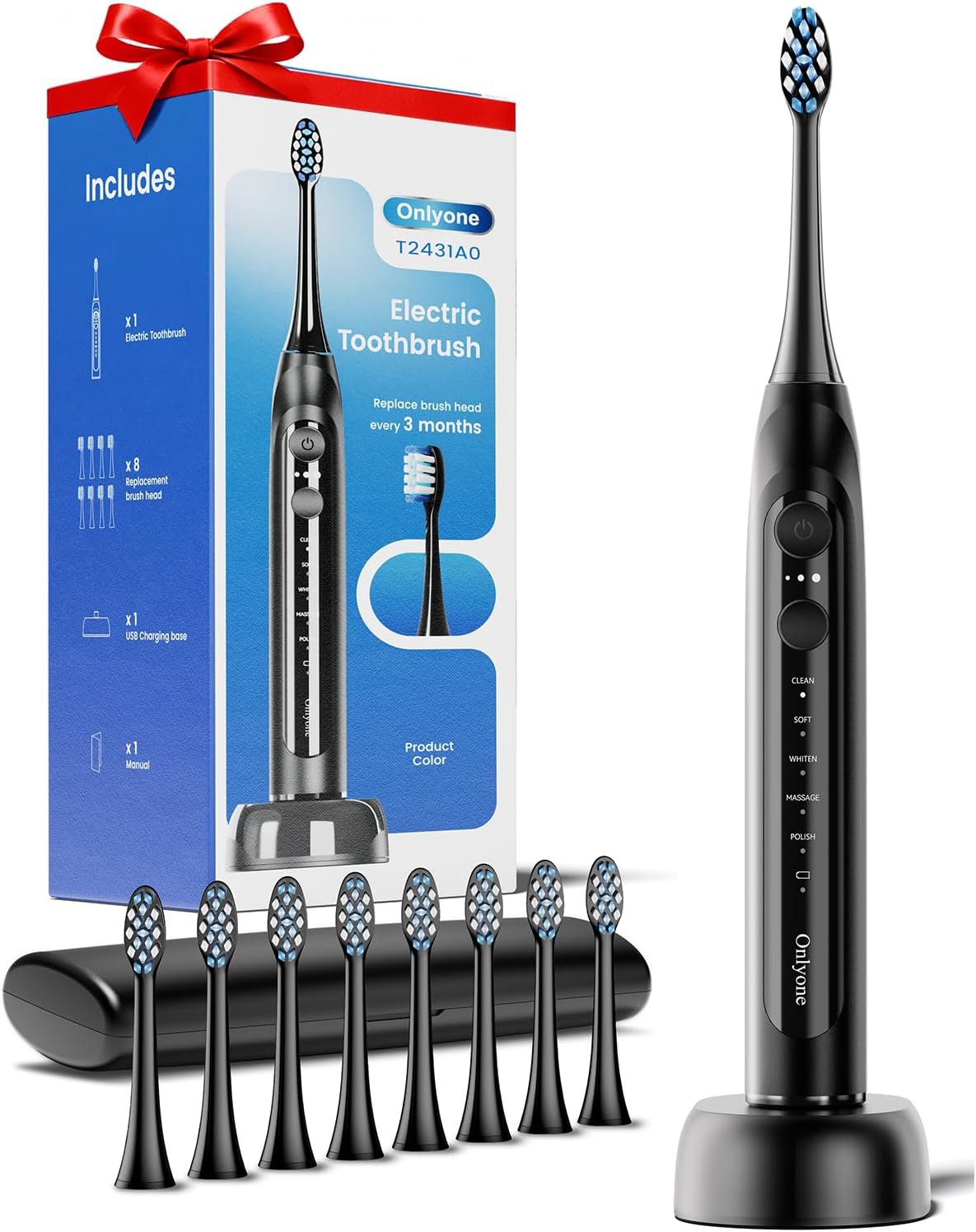
The third pillar is hygiene and maintenance, where brush heads and replacement schedules matter as much as the handle itself. Most experts recommend changing each brush head every three months, and some smart electric toothbrushes now track this automatically. For readers interested in broader brand comparisons, this detailed guide to a Colgate electric toothbrush offers useful context on how non ultrasonic models approach similar oral health goals ; you can explore it through this Colgate electric toothbrush benefits analysis.
Balancing price, value, and long term oral health
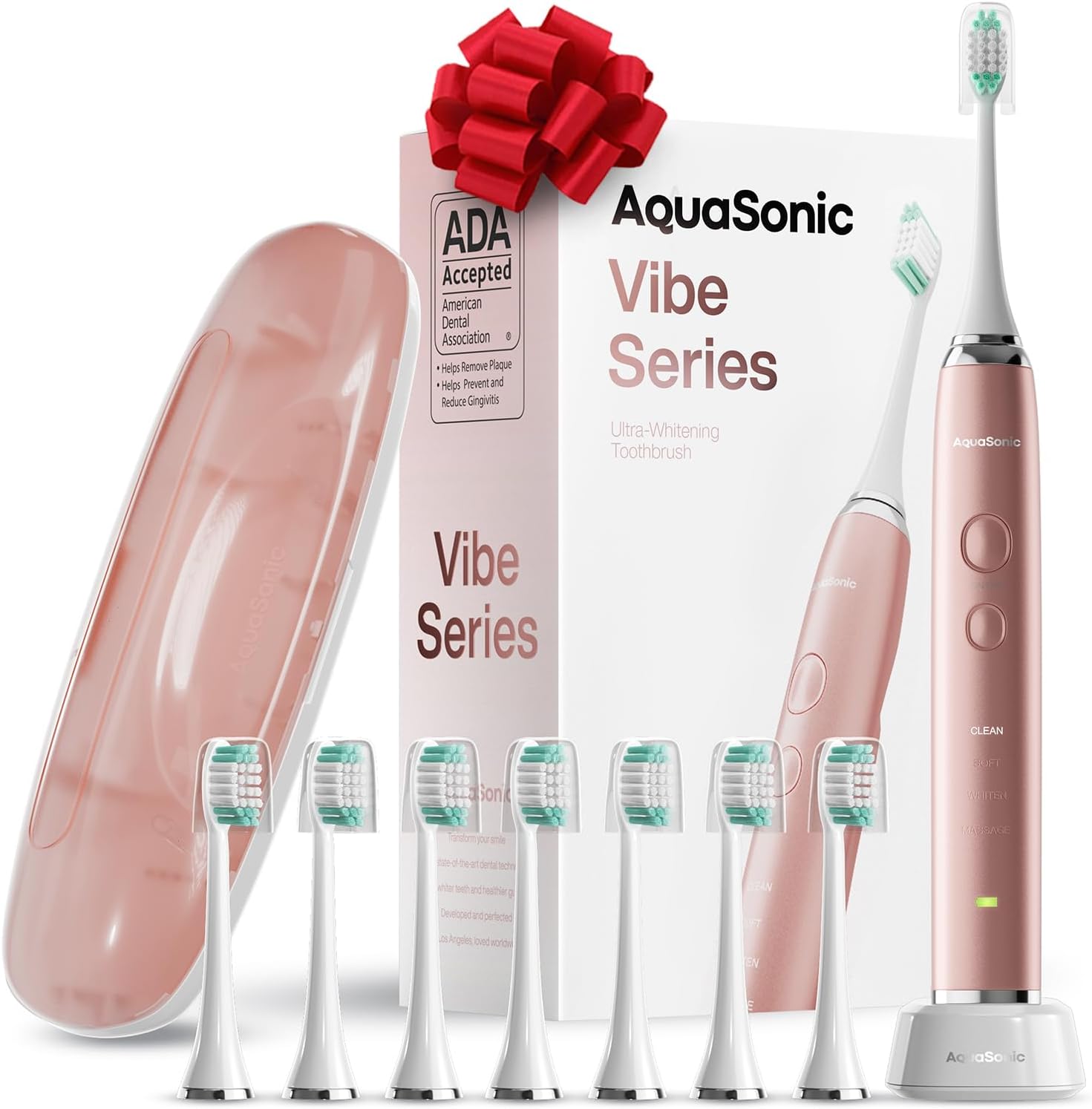
Many shoppers approach the best ultrasonic electric toothbrushes with a simple question about price, yet value in oral care rarely depends on cost alone. A mid range electric toothbrush with reliable sonic performance, a pressure sensor, and ada accepted recognition can outperform a luxury handle that focuses mainly on cosmetic finishes. The crucial point is how consistently the toothbrush supports effective brushing habits and protects teeth over time.
When assessing price, consider the ongoing cost of replacement brush heads, because these expenses accumulate across several years of daily brushing. Some Philips Sonicare and Ordo Sonic ranges offer multipacks of brush heads that reduce the cost per unit, while generic compatible heads on Amazon may lower expenses further but sometimes compromise fit or durability. Evaluating both singular brush head quality and the economics of multiple heads helps you understand the true lifetime price of an electric toothbrush.
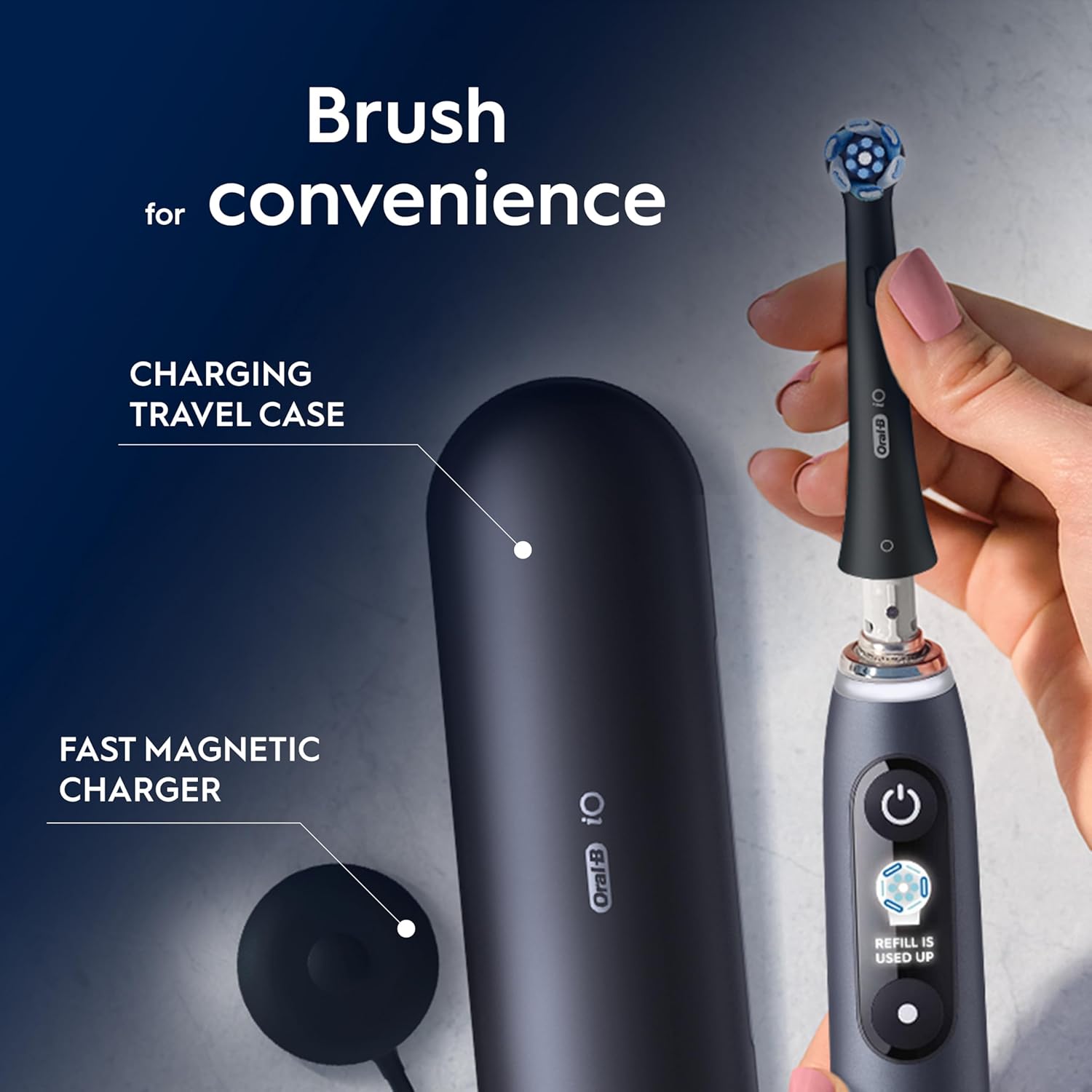
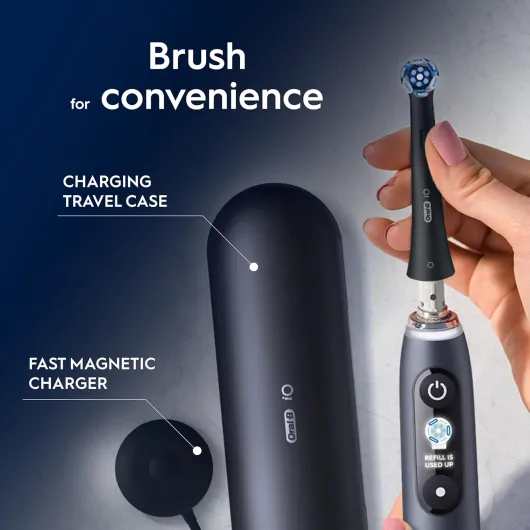
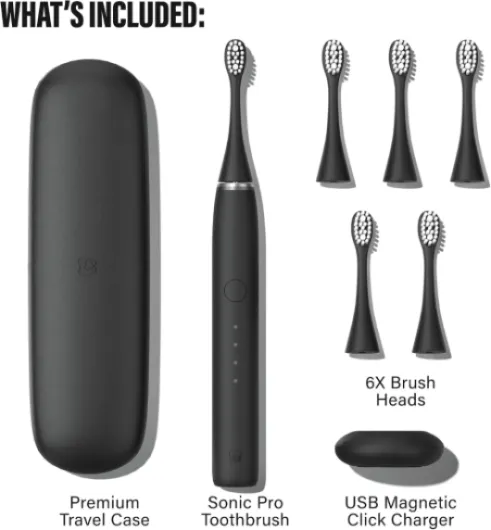
Battery life and charging convenience also influence long term value, especially for people who travel regularly or share limited bathroom sockets. A travel case that protects the sonic toothbrush and its spare heads can prevent damage, while USB charging options simplify packing for international trips. For a broader perspective on how different brands position their electric toothbrushes in terms of features and cost, you can read this in depth review of a Colgate electric toothbrush through the following Colgate electric toothbrush comparison.
Oral health outcomes should remain the final benchmark, because preventing cavities and gum disease often saves far more money than any difference in toothbrush price. A sonic toothbrush that encourages two minutes of brushing twice daily, uses a minute timer, and offers gentle yet powerful movements per minute can significantly reduce plaque levels. Over time, this consistency supports teeth whitening effects, fresher breath, and fewer emergency dental visits, which reinforces the value of choosing the best electric option for your needs.
How smart features and design details improve daily brushing
Beyond raw sonic power, the best ultrasonic electric toothbrushes increasingly rely on smart features that guide technique and timing. Many premium electric toothbrush models integrate a minute timer that pulses every 30 seconds, prompting users to move the brush to a new quadrant of teeth. This simple pacing tool helps ensure that each area receives equal attention, which is essential for balanced oral health.
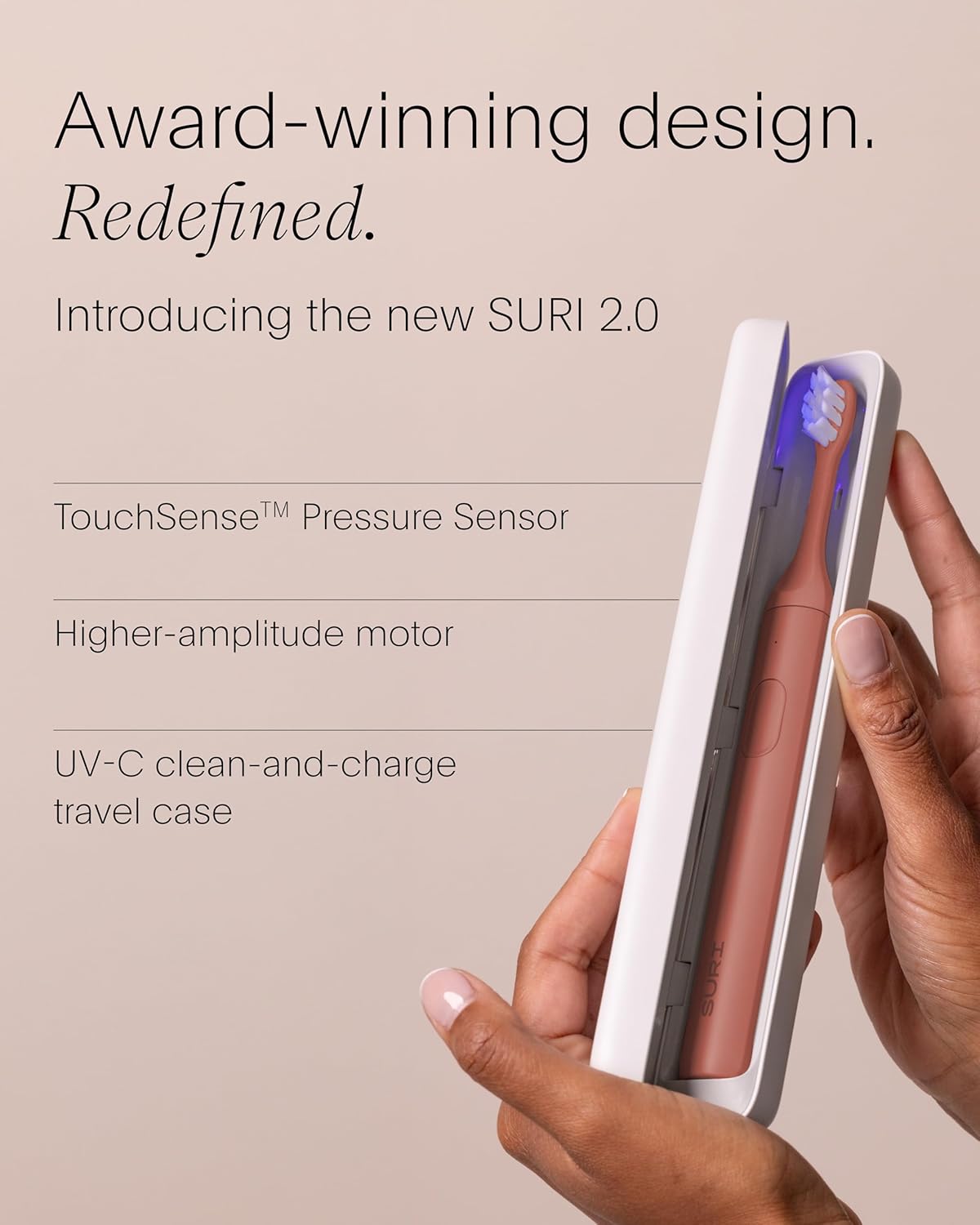
Pressure sensor technology has become another defining feature, especially in higher end Philips Sonicare and sonic pro lines. When the user presses the brush head too firmly against the teeth or gums, the handle vibrates differently or lights up, signalling that the brushing force should be reduced. Over time, this feedback trains a lighter touch that protects enamel and supports healthier gums, particularly for people who previously relied on vigorous manual brush strokes.
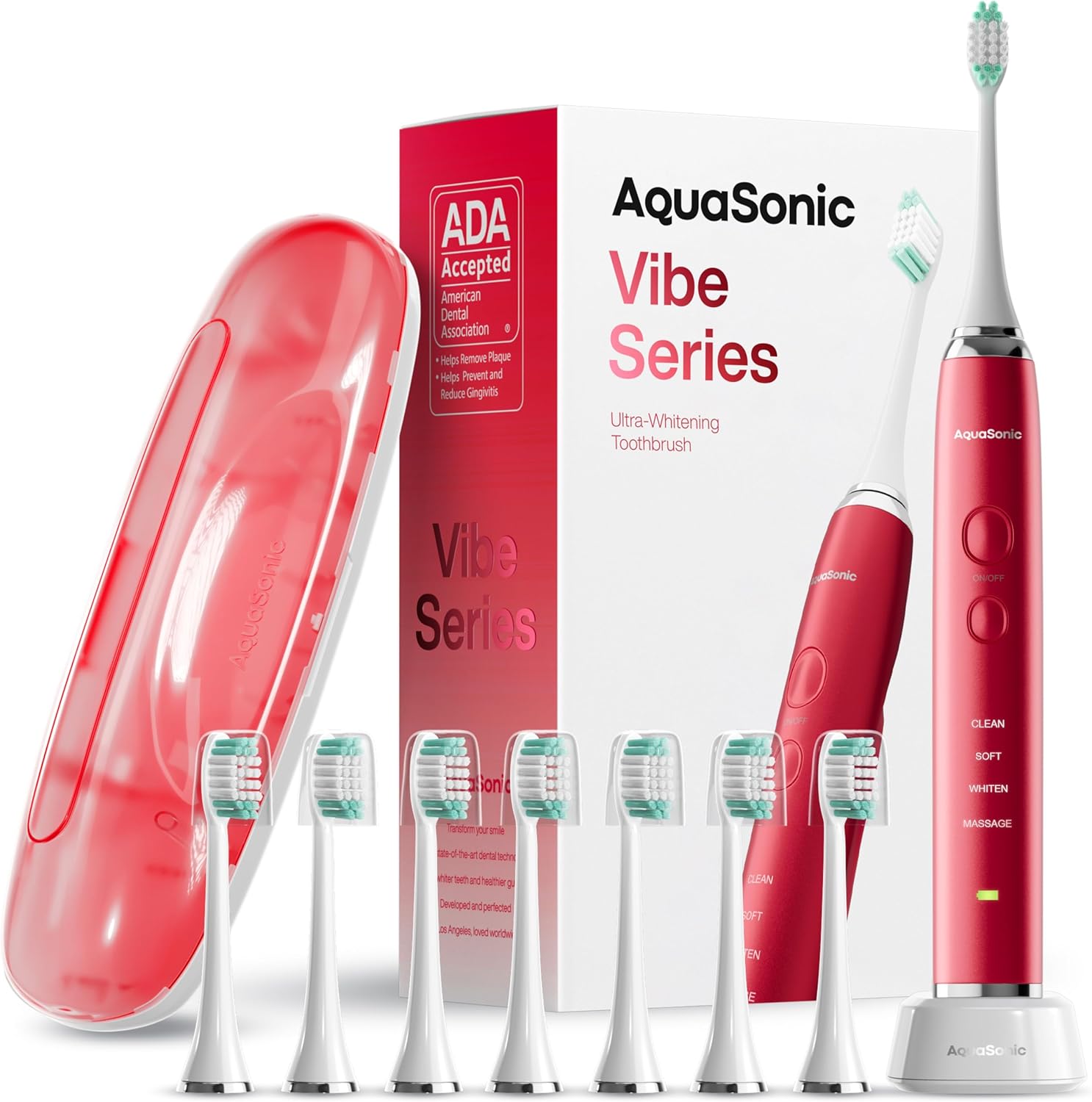
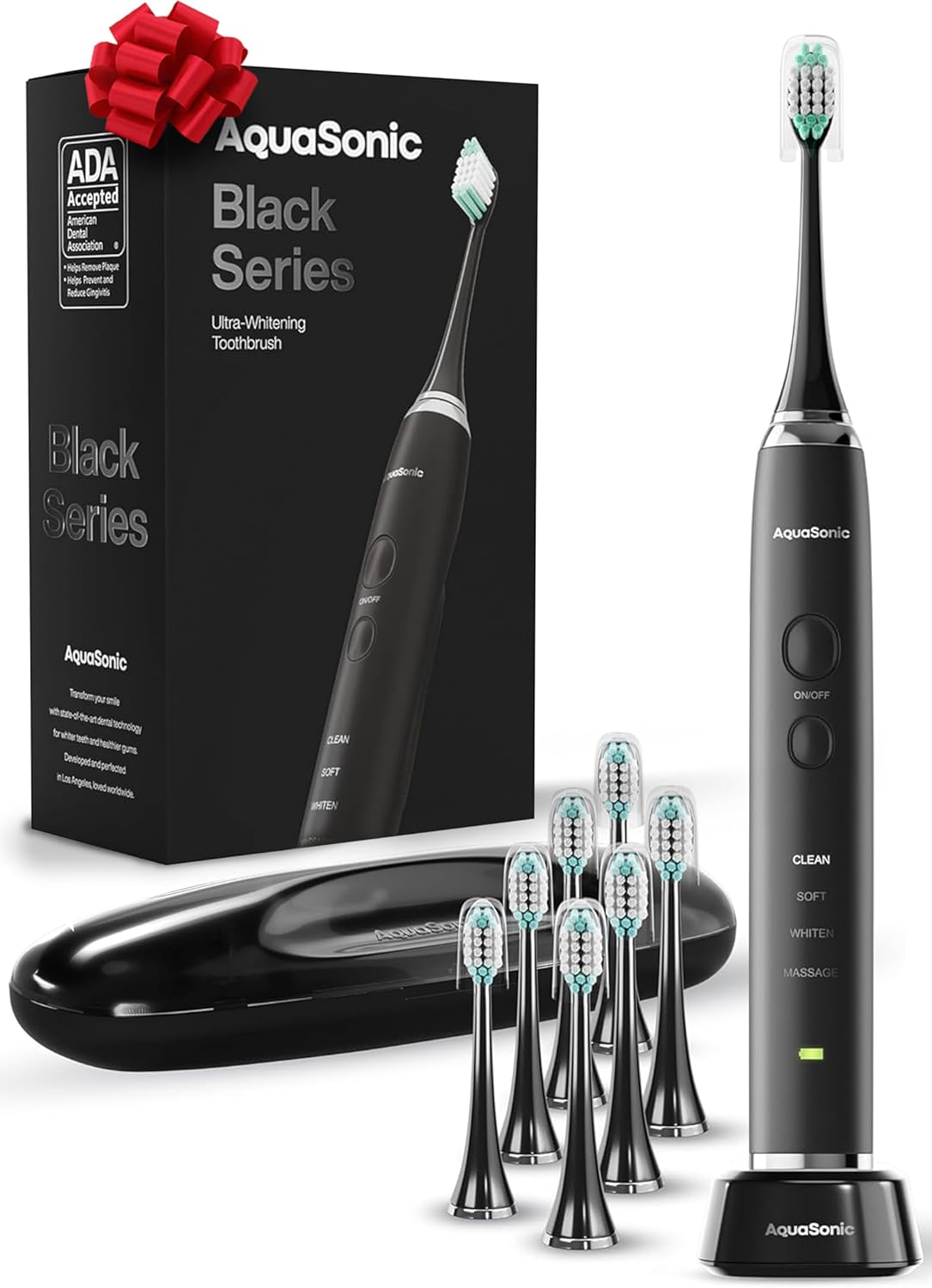
Design details such as handle ergonomics, grip texture, and brush head angle also influence how easily users can reach difficult areas. A slightly angled neck on the sonic toothbrush allows better access behind molars, while compact brush heads can navigate crowded teeth or orthodontic wires. For frequent travellers, a slim handle that fits neatly into a travel case alongside spare brush heads and a compact charging cable can make daily brushing more convenient.
Some electric toothbrushes now connect to smartphone apps that track brushing coverage, duration, and pressure patterns, although not everyone needs these smart features. Readers who prefer a powerful yet less connected experience may appreciate models similar in philosophy to this strong cleaner without excessive smart gimmicks. Whether you choose a fully smart electric toothbrush or a simpler sonic toothbrush, the essential goal remains consistent brushing with appropriate technique and adequate time.
Choosing between leading brands and series for specific needs
Brand reputation still plays a major role when people shortlist the best ultrasonic electric toothbrushes for home use. Philips Sonicare has built strong authority in the sonic toothbrush market, while Ordo Sonic and other emerging brands compete on design, price, and subscription models for brush heads. Each brand organizes its electric toothbrushes into tiers, often labelled as an oral series or pro series, which can confuse first time buyers.
Within a typical oral series, entry level models focus on essential features such as a minute timer, basic sonic movements per minute, and straightforward charging. Mid tier sonic toothbrushes add extra brushing modes, longer battery life, and sometimes a travel case, which suits users who travel frequently or share bathrooms. At the top end, pro and smart ranges may include Bluetooth connectivity, advanced pressure sensor systems, and more specialized brush head designs for teeth whitening or gum care.
When comparing Philips Sonicare with Ordo Sonic or other sonic toothbrushes, consider how each handle feels in your hand and how easily the brush head reaches your back teeth. Some users prefer the slightly heavier weight of a premium electric toothbrush, which can feel more stable during brushing, while others favour lighter handles for easier manoeuvring. Testing different brush heads, including compact and diamond shaped designs, can reveal which option best follows your unique dental anatomy.
It is also worth examining warranty terms, availability of replacement brush heads, and whether the model is ada accepted, because these factors reflect underlying quality standards. Many dentists still emphasize that even the best electric toothbrush cannot compensate for rushed brushing or poor flossing habits. However, a well chosen sonic toothbrush that fits your mouth, schedule, and budget can make it significantly easier to maintain consistent oral care routines.
Practical tips for daily use, maintenance, and travel
Once you have selected one of the best ultrasonic electric toothbrushes, daily habits determine how much benefit you actually gain. Dentists generally recommend brushing teeth twice a day for two minutes, using the electric toothbrush with gentle pressure and allowing the sonic movements per minute to perform most of the cleaning. Holding the brush head at a slight angle toward the gumline helps remove plaque where gums and teeth meet.
After each brushing session, rinse the brush head thoroughly and let it air dry upright, because trapped moisture can encourage bacterial growth. Replace brush heads every three months or sooner if the bristles splay, since worn heads clean less effectively and may irritate gums. Many smart electric toothbrushes track this schedule automatically, while others rely on colour fading bristles as a visual reminder.
For travel, pack a dedicated travel case that protects both the handle and spare brush heads from contamination or damage. If your sonic toothbrush uses a lithium battery with long battery life, you may only need to bring a compact charging cable or none at all for short trips. When shopping on Amazon for accessories, verify that any third party brush head or charger is clearly compatible with your specific Philips Sonicare, Ordo Sonic, or other sonic toothbrush model.
People with orthodontic appliances, implants, or sensitive gums should consult their dentist about the most suitable brush head type and brushing mode. Many professionals now recommend sonic toothbrushes with a pressure sensor and ada accepted status for these patients, because they combine effective plaque removal with controlled force. Used consistently, a high quality electric toothbrush supports teeth whitening, fresher breath, and more stable oral health across many years.
Key statistics about ultrasonic electric toothbrushes and oral health
- Users who switch from manual to electric toothbrushes often achieve significantly higher plaque removal, especially when using sonic toothbrushes with more than 30 000 movements per minute.
- Clinical research frequently shows that consistent use of a sonic toothbrush for two minutes twice daily can reduce gingivitis scores by a notable margin compared with manual brushing alone.
- Surveys of frequent travellers indicate that models with extended battery life and a protective travel case are used more regularly away from home, which supports better long term oral care.
- Market analyses reveal that Philips Sonicare and comparable sonic pro ranges hold a substantial share of the electric toothbrushes segment, reflecting strong consumer trust in sonic technology.
- Dentist reports suggest that patients who follow minute timer prompts and respect pressure sensor alerts tend to show fewer signs of enamel abrasion and gum recession.
Common questions about ultrasonic electric toothbrushes
Are ultrasonic electric toothbrushes better than manual brushes for everyone ?
Ultrasonic electric toothbrushes generally remove more plaque than manual brushes when used correctly, thanks to their high frequency sonic movements per minute. However, they work best when users still apply proper technique, including gentle pressure and full two minute sessions guided by a minute timer. People with very specific dental conditions should ask their dentist whether a particular sonic toothbrush or brush head design suits their needs.
How often should I replace brush heads on an electric toothbrush ?
Most dental professionals recommend replacing each brush head every three months, regardless of whether you use Philips Sonicare, Ordo Sonic, or another brand. If the bristles fray earlier, especially on sonic toothbrushes used with strong pressure, you should change the brush heads sooner. Fresh brush heads maintain effective cleaning performance and reduce the risk of gum irritation or enamel wear.
Does a higher price always mean a better electric toothbrush ?
A higher price can reflect longer battery life, more brushing modes, or a premium travel case, but it does not automatically guarantee better oral health outcomes. Many mid range sonic toothbrushes with a pressure sensor, ada accepted status, and reliable brush heads perform extremely well in daily use. Focus on features that genuinely support your habits rather than paying for cosmetic extras you will rarely use.
Can ultrasonic electric toothbrushes help with teeth whitening ?
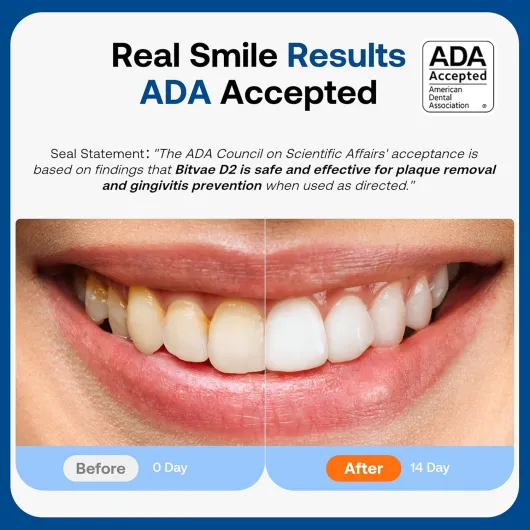
Ultrasonic and sonic toothbrushes can support teeth whitening by removing surface stains more effectively than many manual brushes. Some brush heads are specifically shaped for polishing, and certain oral series include whitening modes that adjust sonic intensity. They do not replace professional whitening treatments, but they help maintain results and prevent new discolouration.
What should I look for in a travel friendly electric toothbrush ?
A travel friendly electric toothbrush should offer strong battery life, a compact handle, and a sturdy travel case that protects both the brush and spare heads. USB charging and universal voltage compatibility simplify use in different countries, especially for frequent travellers. Lightweight sonic toothbrushes with reliable brush heads and a clear minute timer often provide the best balance between portability and effective oral care.



![Sonicare 5500 Electric Toothbrush, Sonic Toothbrush with 2 Modes, Pressure Alert, EasyStart, SmarTimer and BrushPacer, Navy, Model HX7113/01 [New Technology] Sonicare 5500, Navy, Travel Case](https://www.electric-toothbrush-guru.com/storage/1025316/conversions/71vNjog50vL._AC_SL1500_-medium.webp)
![Sonicare 5500 Electric Toothbrush, Sonic Toothbrush with 2 Modes, Pressure Alert, EasyStart, SmarTimer and BrushPacer, Navy, Model HX7113/01 [New Technology] Sonicare 5500, Navy, Travel Case](https://www.electric-toothbrush-guru.com/storage/1025316/71vNjog50vL._AC_SL1500_.jpg)