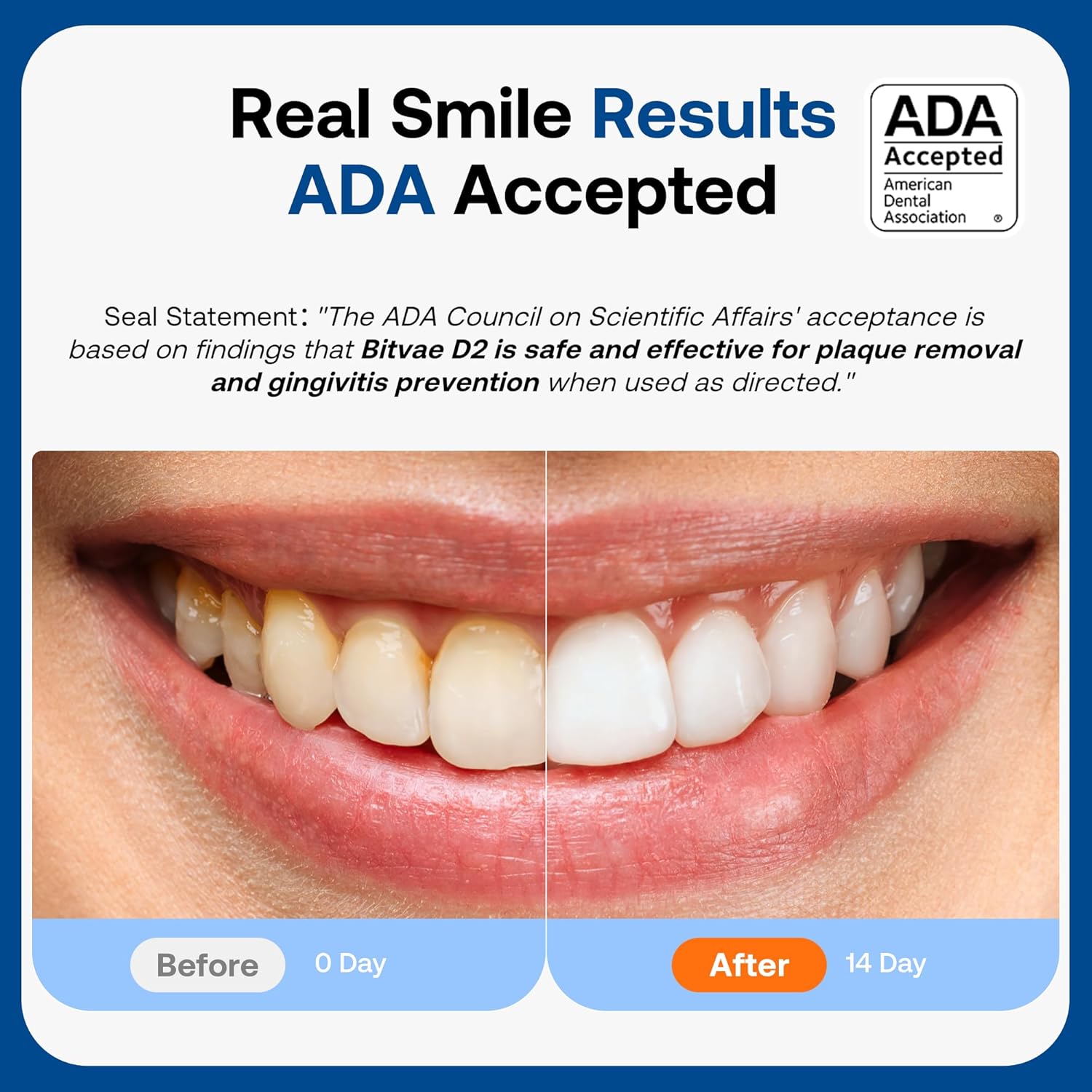
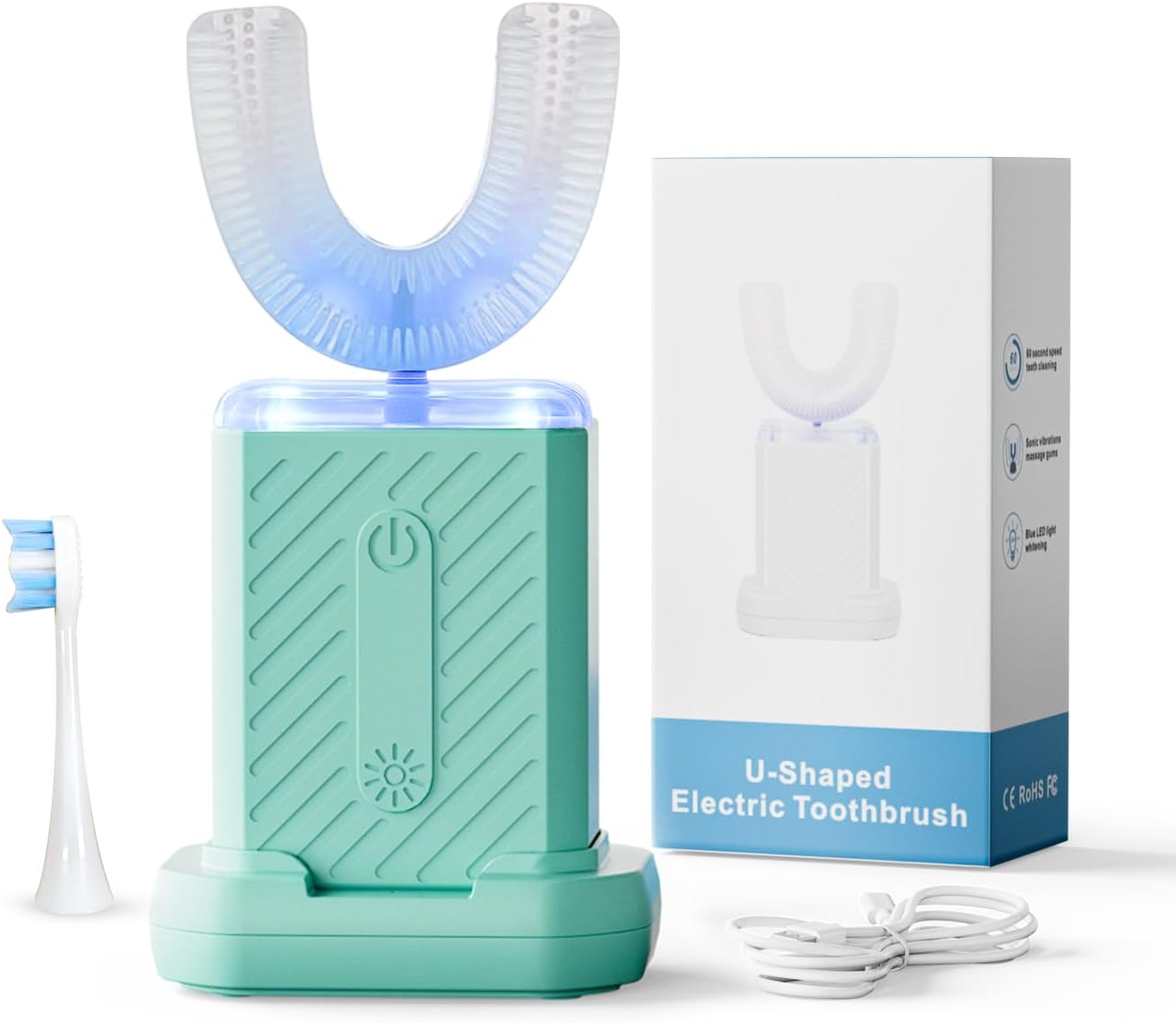
Key features that define the best electric toothbrushes with multiple cleaning modes
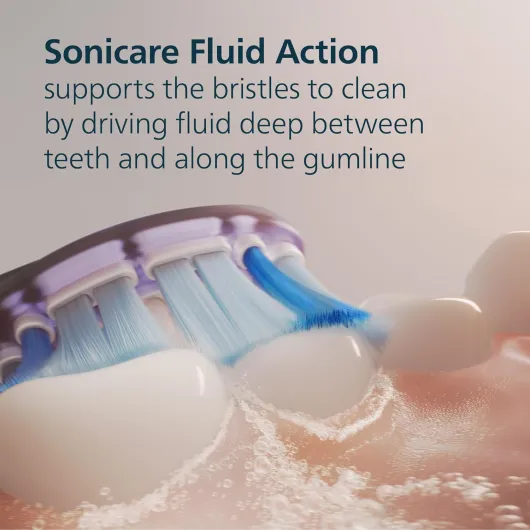
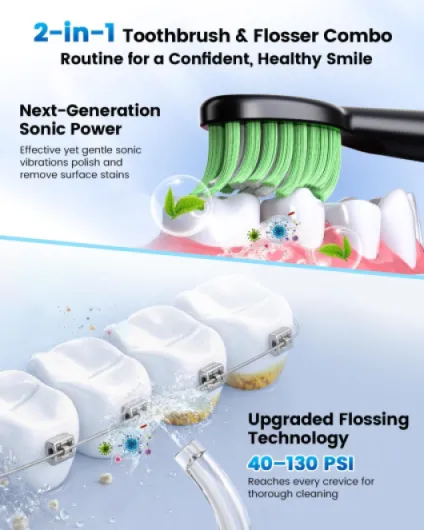
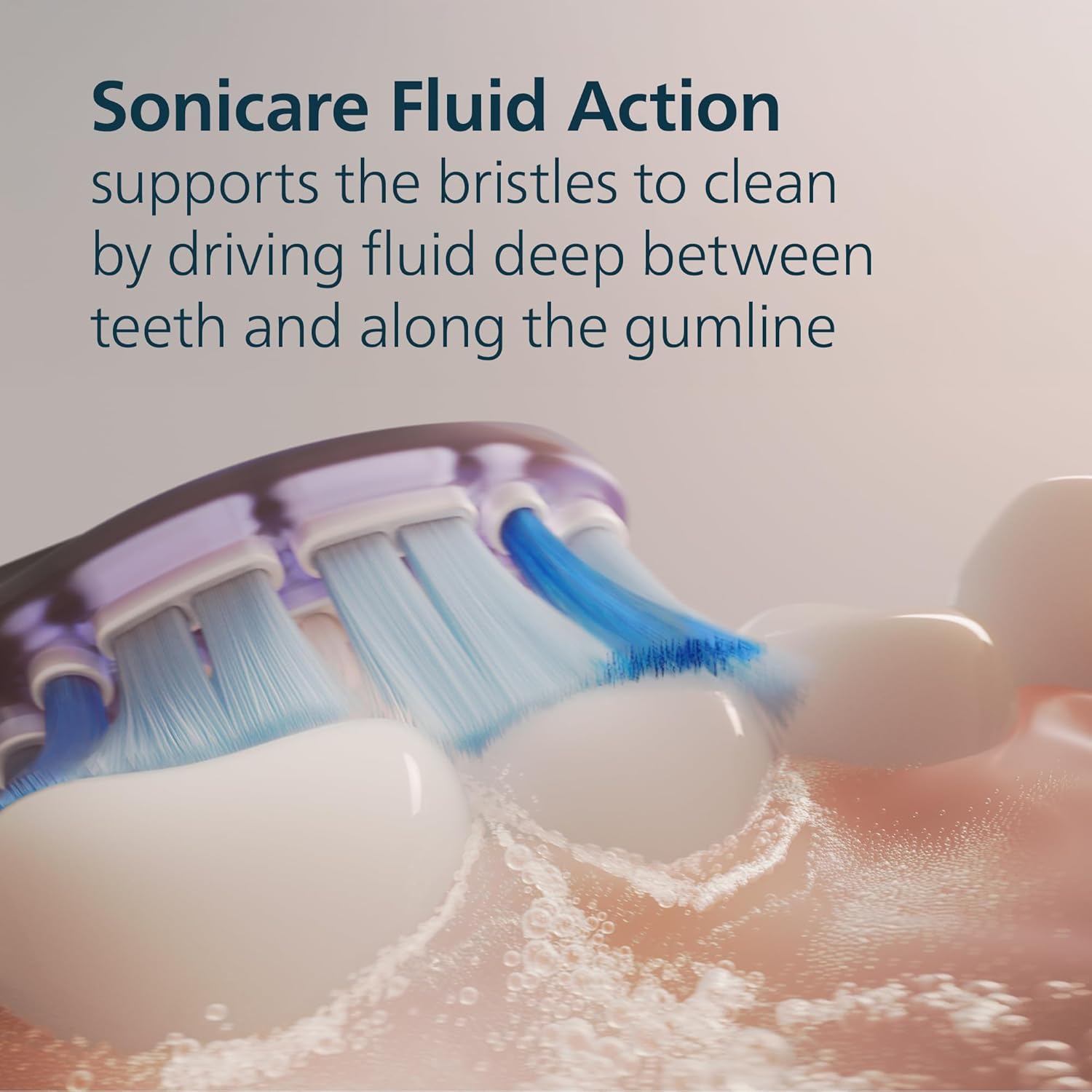
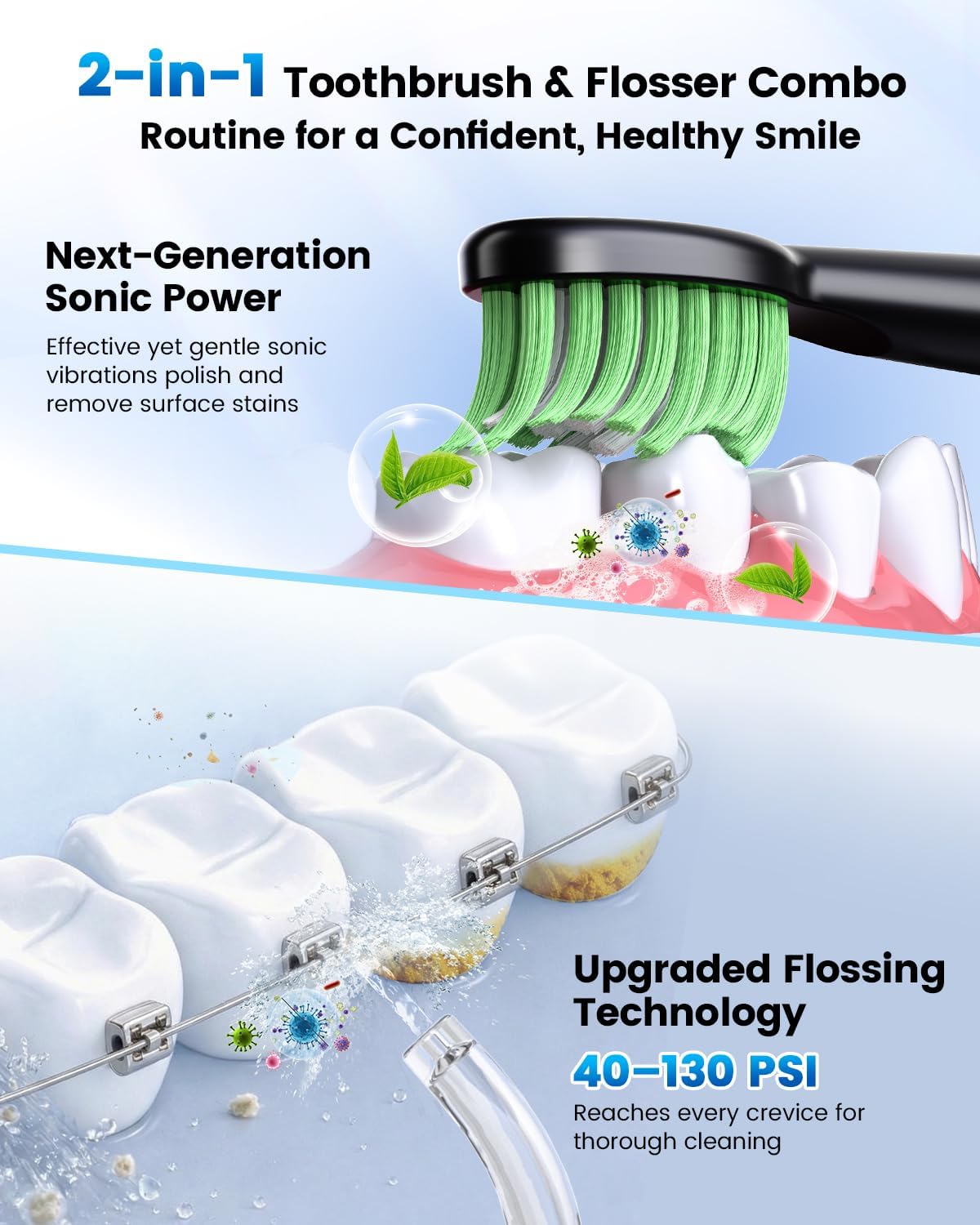
Several core features separate a basic electric toothbrush from the best electric models with advanced cleaning modes. First, look at the motor technology, because sonic systems such as Philips Sonicare generate high frequency brushing movements that drive fluid between teeth. This sonic action can complement flossing and, when combined with a water flosser, supports a more complete routine for cleaner teeth and healthier gums as explained in this guide on whether water flossers are effective, which summarizes current clinical evidence.
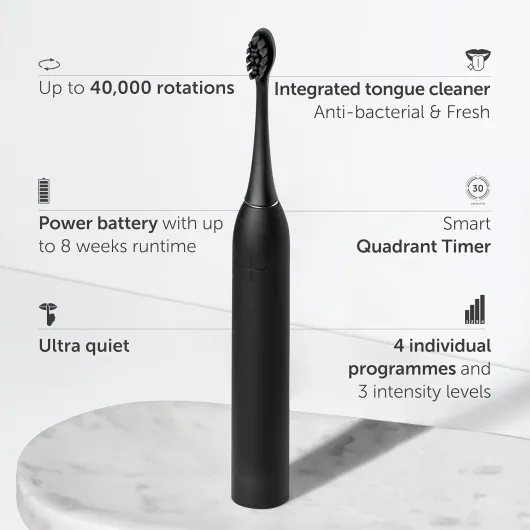
Battery life is another decisive factor, especially if you travel often or share the handle with family members. A strong rechargeable battery should last at least one to two weeks of twice daily brushing, so you are not constantly hunting for a charger. For example, the Philips Sonicare ProtectiveClean 6100 is rated for about two weeks of use on a full charge, while the Oral-B Pro 3 3000 typically runs for around ten to fourteen days depending on mode and pressure sensor activation, according to manufacturer specifications.
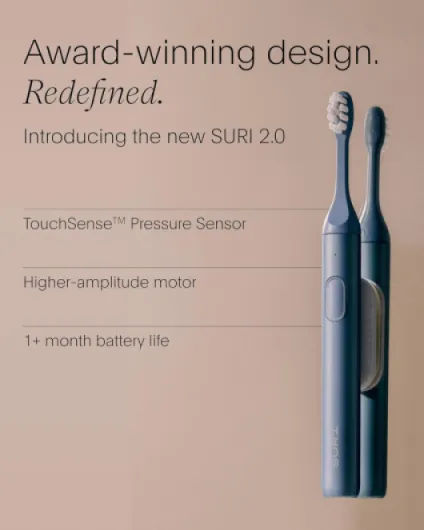
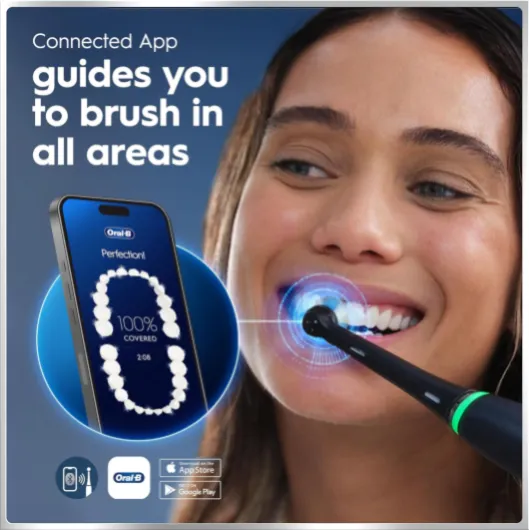
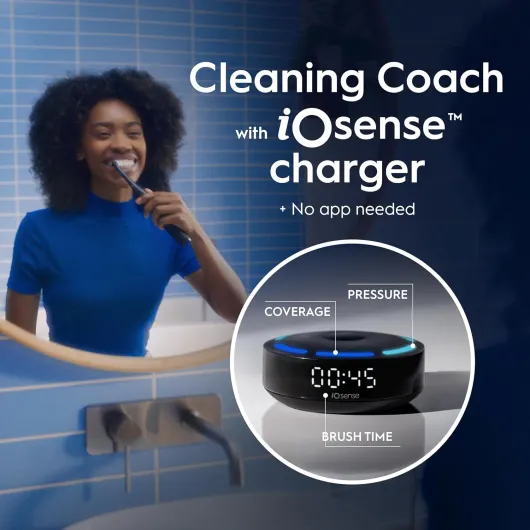
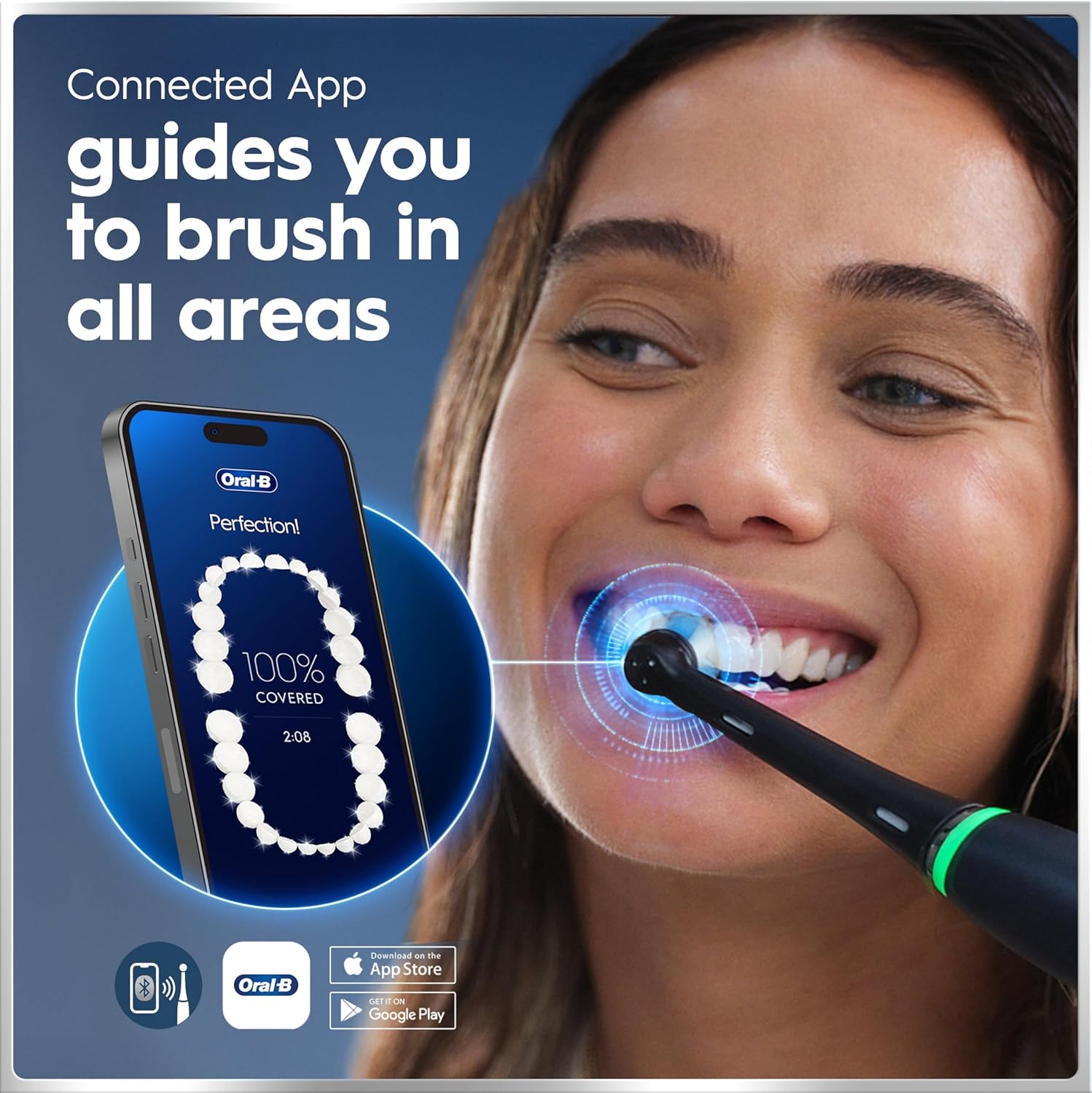
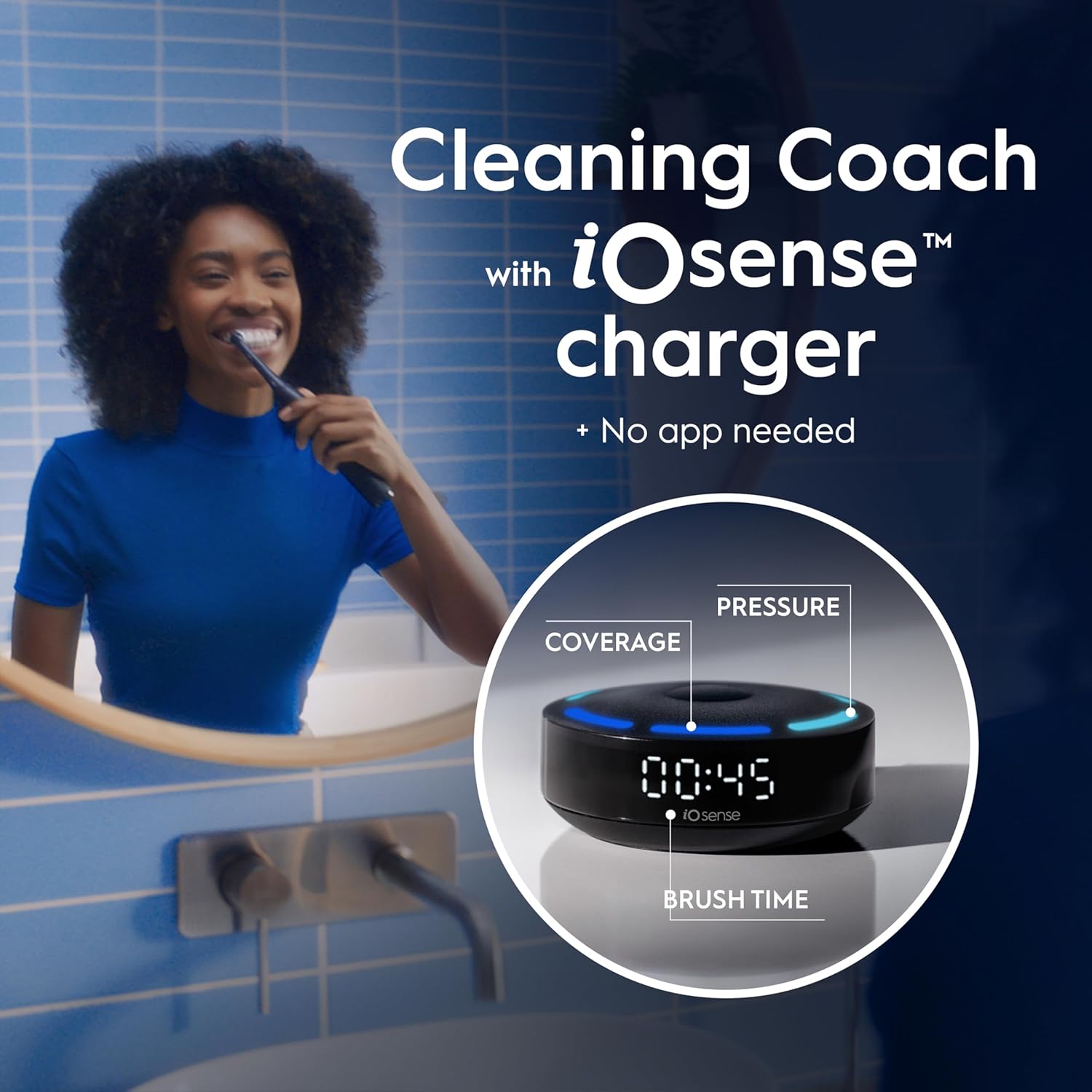
Smart features are becoming common in the best electric toothbrushes with multiple cleaning modes, but not all smart toothbrush designs are equally helpful. Bluetooth connectivity, brushing feedback, and pressure sensors can guide you toward better technique, yet they should never feel like gimmicks. Choose smart features that genuinely help you clean more thoroughly, such as real time pressure sensors that warn you when you press too hard on teeth or gums, or app based coaching that tracks how consistently you use each cleaning mode.
How pressure sensors, brush heads, and cleaning modes work together
Cleaning modes only reach their full potential when combined with the right brush head and effective pressure control. A compact brush head can navigate crowded teeth and orthodontic appliances, while larger brush heads cover more surface area on straight arches. Matching the brush head design to your mouth shape and dental work helps every cleaning mode perform as intended and makes it easier to follow your dentist’s personalized recommendations.
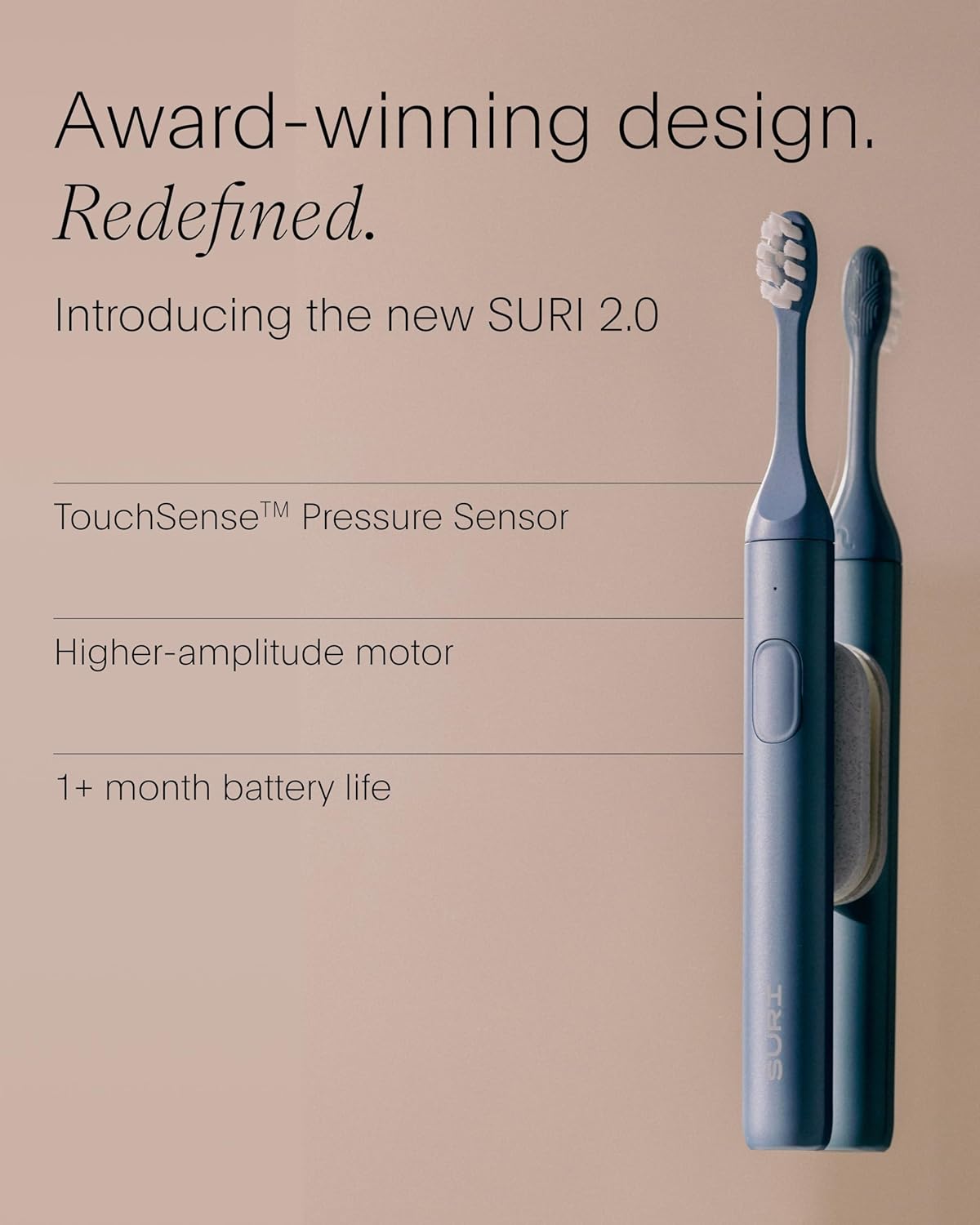
Pressure sensors protect enamel and gums by alerting you when your brushing force becomes excessive. Some electric toothbrushes use visible lights, others reduce motor power, and a few models combine both approaches for clearer feedback. This protection is especially valuable in intense cleaning modes, where users might be tempted to scrub harder to feel a stronger clean, even though clinical guidance emphasizes gentle, controlled pressure.
When you use whitening or deep clean modes, pair them with a brush head labeled for stain removal or plaque control, then let the bristles glide rather than scrape. If you are working on tartar control, remember that no electric toothbrush can remove hardened calculus once it forms, so you still need professional scaling and evidence based advice such as the guidance on how to remove tartar from teeth safely. The goal is to use your electric toothbrush and its cleaning modes to prevent new tartar from forming between dental visits, not to replace professional periodontal care.
Comparing Philips Sonicare, Oral brands, and other leading models
Among the best electric toothbrushes with multiple cleaning modes, Philips Sonicare models stand out for their sonic technology and refined brush head designs. A Philips Sonicare electric toothbrush typically offers several cleaning modes, from daily clean to gum care and whitening, all tuned to its high frequency brushing motion. Many Philips Sonicare brush heads also include reminder bristles that fade when it is time to replace them, and premium lines add smart sensors that track how long you use each mode.
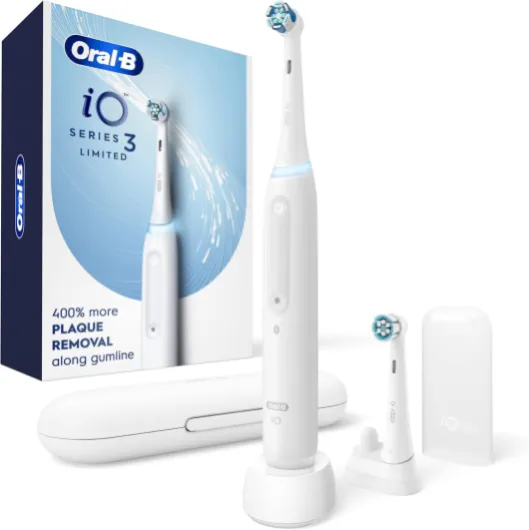
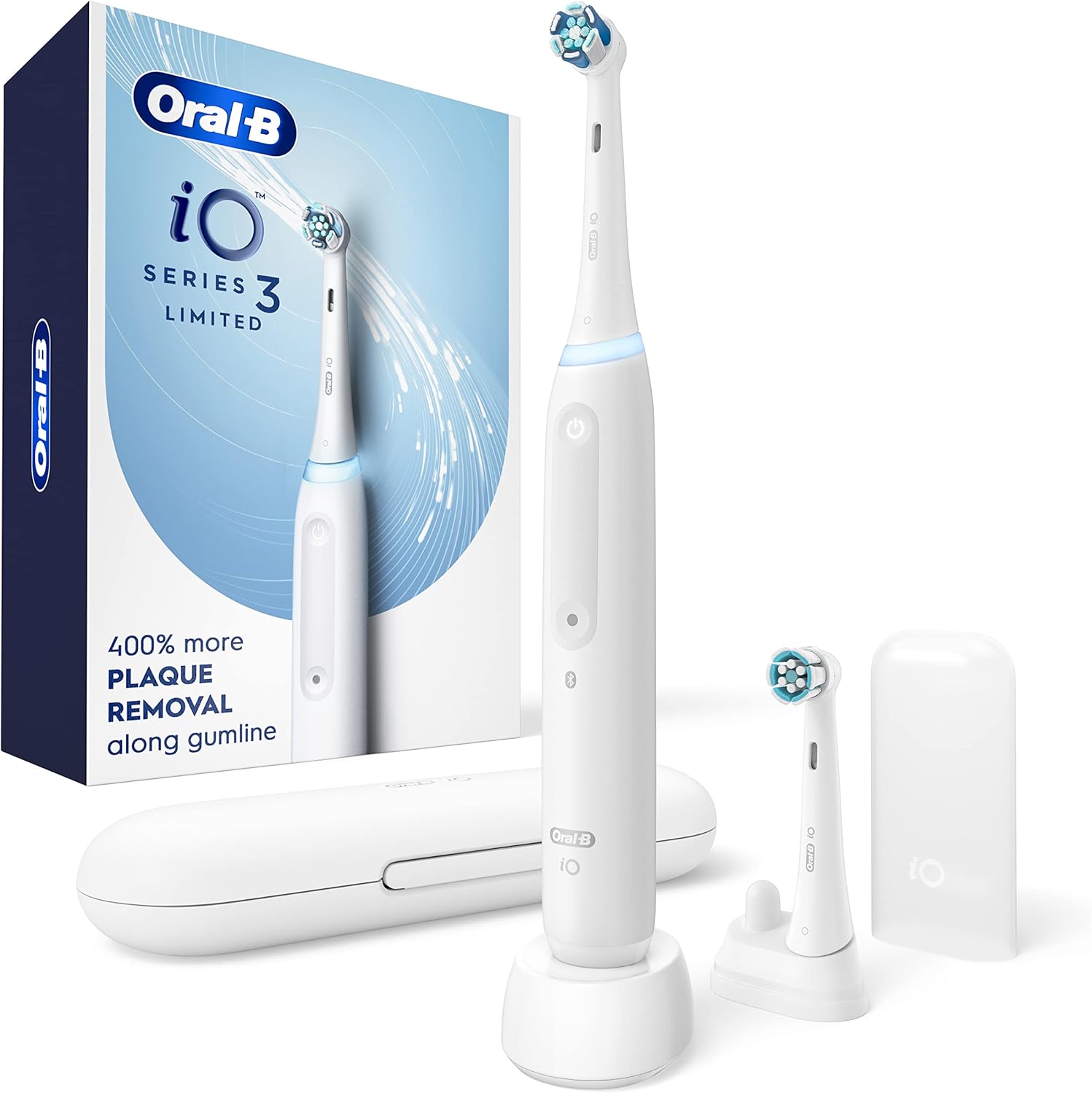
Oral-B brands, including popular Oral-B Pro and Oral-B iO lines, often focus on oscillating rotating brush heads that feel very different from Sonicare. These Oral-B brushes can deliver a strong mechanical clean, especially around the gumline, and some Oral-B iO series models include multiple cleaning modes with visible pressure sensors. When you compare Philips Sonicare with an Oral-B Pro electric toothbrush, think about whether you prefer a sweeping sonic sensation or a pulsing circular motion, and consider how many modes you will realistically use.
Some premium Philips Sonicare ranges, such as the Sonicare DiamondClean Smart and advanced Sonicare Prestige models, add smart features that adapt intensity automatically when pressure sensors detect hard brushing. These smart toothbrush systems can adjust modes, battery usage, and intensity to protect enamel while still cleaning thoroughly. If you want the best electric balance of comfort, cleaning power, and guidance, these higher end electric toothbrushes are worth considering, especially if you value detailed feedback on how effectively you use each cleaning mode.
Battery life, travel cases, and everyday practicality
Owning one of the best electric toothbrushes with multiple cleaning modes only helps if it fits smoothly into daily life. Battery life, charging style, and the quality of the travel case all influence how often you actually use the device. A long lasting battery reduces anxiety about charging, while a sturdy travel case protects both the handle and spare brush heads in your bag and keeps different brush heads organized for each user.
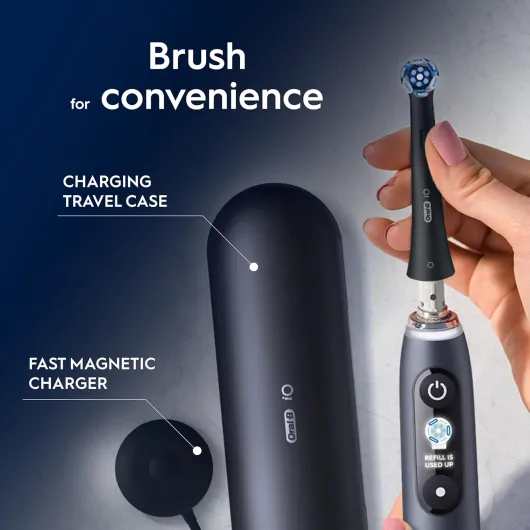
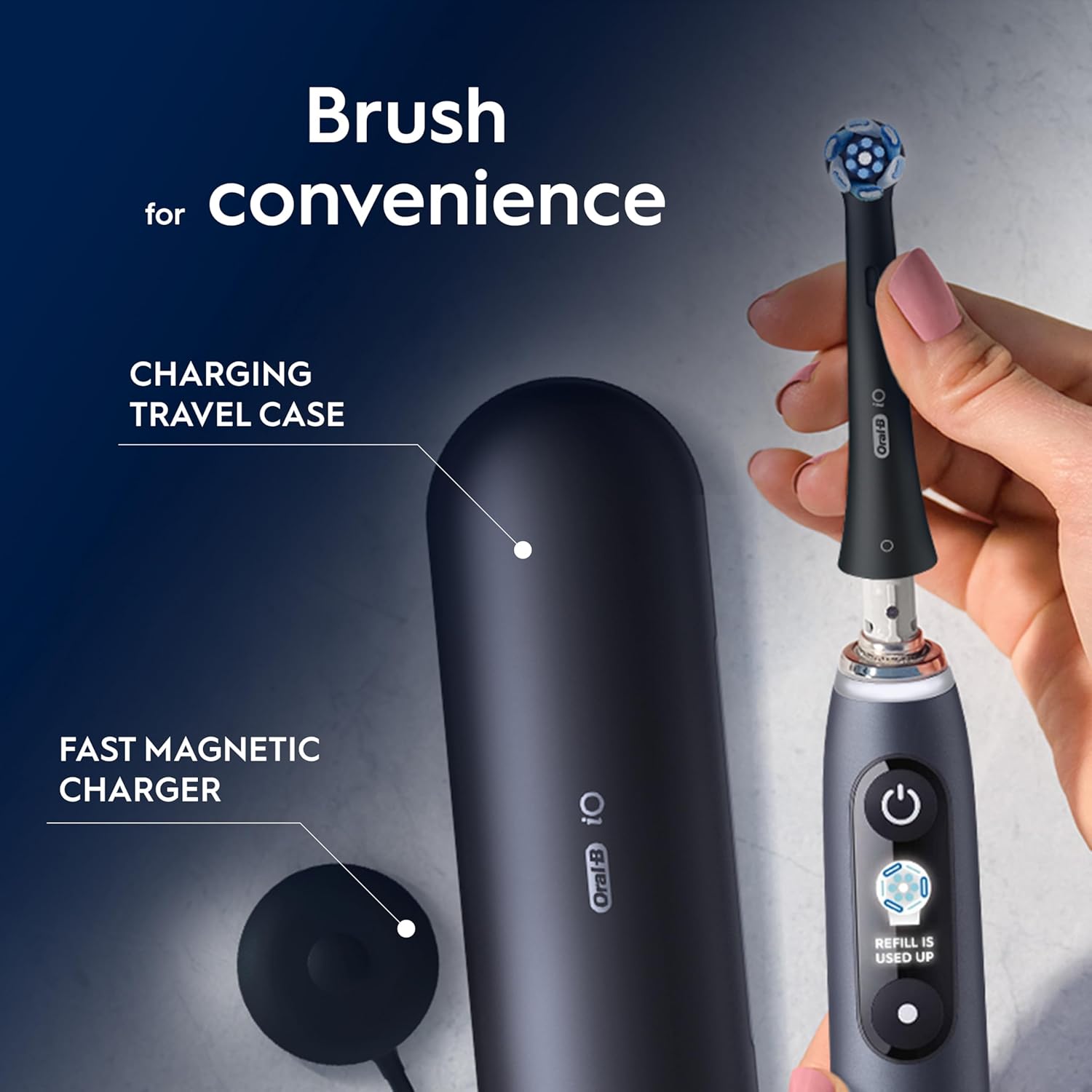
Many Philips Sonicare and Oral-B models now offer USB compatible charging, which simplifies travel planning and reduces the need for bulky adapters. Some travel cases even include built in charging capability, allowing you to recharge the electric toothbrush directly inside the case between brushing sessions. When you compare models, check whether the travel case holds at least one extra brush head, because this small detail matters for hygiene on longer trips and makes it easier to switch between standard and sensitive heads.
Online retailers such as Amazon list a wide range of electric toothbrushes, but pay close attention to verified reviews that mention real world battery performance and durability. Look for comments about how well cleaning modes maintain power as the battery drains, because weak modes battery output can undermine plaque removal. If you often travel, prioritize models that balance strong battery life, compact chargers, and protective cases over rarely used smart features, and compare prices for replacement brush heads at the same time.
How to match cleaning modes to your oral health needs
Choosing among the best electric toothbrushes with multiple cleaning modes starts with an honest look at your oral health. People with sensitive gums or recent dental work usually benefit from softer cleaning modes and smaller brush heads that reduce irritation. Those focused on stain control from coffee, tea, or tobacco may prefer whitening modes paired with polishing brush heads, especially on models that let you fine tune intensity.
If you struggle with plaque buildup between professional cleanings, prioritize deep clean or gum care modes that extend brushing time and adjust intensity around the gumline. Smart toothbrush designs with real time feedback can highlight neglected zones, helping you clean more evenly across all tooth surfaces. For families, a handle that stores several user profiles and supports different brush head types can adapt to varied oral needs and make it easier to share one premium device.
When you are comparing prices on Amazon or in pharmacies, think beyond the initial cost of the electric toothbrush and consider replacement brush head expenses over several years. Some Philips Sonicare and Oral-B models use premium brush heads that cost more but last longer and include advanced bristle patterns. To choose the right combination of handle, brush heads, and accessories for your situation, it can help to review a detailed guide on choosing the right toothbrush pack for your needs, then discuss your plan with your dentist or hygienist so your final choice aligns with professional advice.
Key statistics on electric toothbrush performance and usage
- Randomized clinical trials have shown that electric toothbrushes reduce dental plaque by roughly 20% more than manual brushes after three months of use, which translates into measurably lower gingivitis scores in regular users (for example, a Cochrane review by Yaacob et al., 2014, which is widely cited by dental organizations; see: Yaacob M, Worthington HV, Deacon SA, et al. Powered versus manual toothbrushing for oral health. Cochrane Database Syst Rev. 2014;6:CD002281).
- Meta analyses report that oscillating rotating electric toothbrush models can reduce plaque and gum inflammation slightly more than some sonic designs, although both technologies outperform manual brushing when used twice daily for at least two minutes (Heanue M, Deacon SA, Deery C, et al. Manual versus powered toothbrushing for oral health. J Clin Periodontol. 2003;30 Suppl 5:39–55).
- Consumer surveys in Europe indicate that people who use an electric toothbrush with a built in pressure sensor are significantly less likely to show signs of toothbrush abrasion on exposed root surfaces during routine dental examinations, according to reports summarized by national dental associations and professional bodies (for example, position statements from the British Society of Periodontology and European Federation of Periodontology).
- Market research data show that electric toothbrushes with multiple cleaning modes and smart features now represent a growing share of premium oral care sales, reflecting rising interest in personalized home hygiene tools, as highlighted in recent global oral care industry reports and manufacturer investor summaries (for instance, annual reports from Philips and Procter & Gamble).