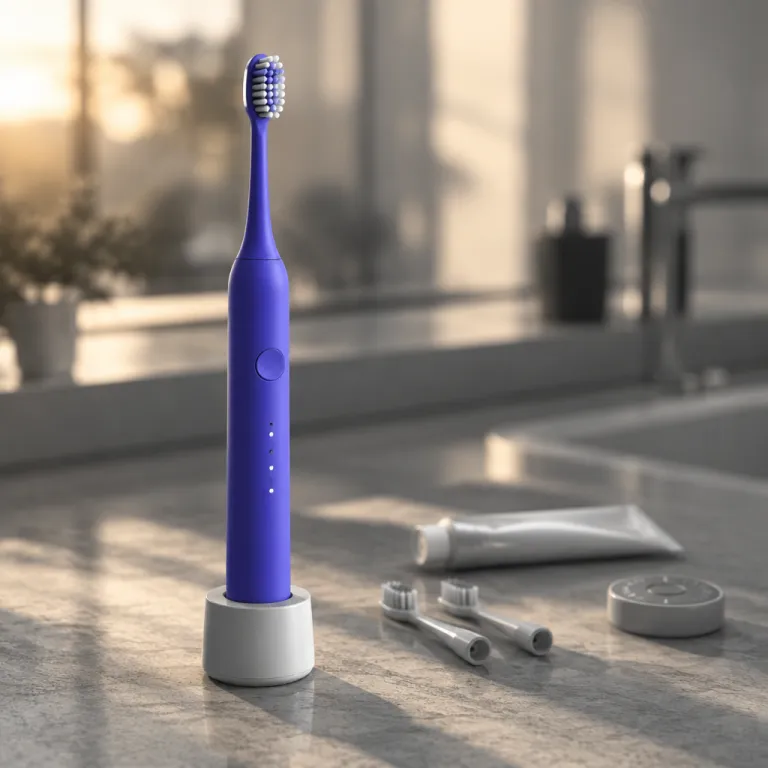
Advanced dental care with electric toothbrush technology
Electric toothbrushes sit at the heart of advanced dental care today. For many patients who want to learn precise brushing techniques, these devices translate professional dentistry guidance into simple daily habits that protect teeth and gums. Used correctly, they support both routine oral health needs and cosmetic goals such as a brighter smile and smoother facial contours around the mouth.
From a practical standpoint, an electric toothbrush helps every patient apply consistent pressure and timing, which is something even the best dentist sees people struggle with during a routine appointment. Timers, pressure sensors, and tailored brushing modes turn your bathroom into a small dental center, giving you feedback similar to what a dental team would offer in a modern dental office. This is where the idea of advanced dental routines truly emerges, blending home technology with the standards of a professional dental practice.
When you think about long term dental care, focus on how your electric toothbrush reaches along the gumline and between crowns, bridges, or around veneers. Short, guided movements allow the bristles to sweep plaque away without scraping enamel, which is essential for patients with cosmetic dentistry work such as dental implants or a full smile makeover. In this sense, advanced dental care at home becomes an extension of the work done in the dental office, protecting your investment in both health and cosmetic treatments.
Brushing techniques that protect gums, tongue, and teeth
Good brushing technique with an electric toothbrush starts before the bristles touch your teeth. Place the brush head at a 45 degree angle to the gumline, then let the powered motion do the work while you gently guide it along each tooth surface. This approach respects the principles of general dentistry and cosmetic dentistry by cleaning thoroughly without damaging delicate tissues.
Many patients press too hard, especially around sensitive teeth or recent dental implants, which can cause gum irritation or even bleeding. Modern devices with pressure sensors support advanced dental routines by alerting you when to ease off, helping every patient maintain healthy gums while still achieving effective plaque removal. If you notice persistent bleeding, it is worth reading a detailed guide on why gums bleed and how an electric toothbrush can help, then discussing the issue with your dentist during your next appointment.
The tongue often gets ignored, yet it harbors bacteria that affect both dental care and breath freshness. Use the back of the brush head or a dedicated tongue cleaner, moving gently from back to front, especially if you have a history of sleep apnea or dry mouth that encourages bacterial growth. If you ever notice that your tongue bleeds when brushing, consult a specialist resource such as this analysis of why the tongue bleeds during brushing and how to stop it safely, then raise the topic with your dental team at your usual dental office.
Tailoring electric brushing routines to different patients
No single brushing routine suits all patients, because every mouth, family history, and dental care background is different. People with braces, veneers, crowns, bridges, or recent cosmetic dentistry procedures need gentler modes and more time around complex surfaces. Those with sleep apnea or dry mouth often require extra attention along the gumline, where plaque builds quickly.
For families, a shared handle with multiple brush heads can turn one device into a small home dental center, especially when paired with color coded heads for each family member. Parents can help children learn proper techniques by guiding the brush slowly along each row of teeth, using the built in timer to ensure the full two minutes are completed. Over time, this transforms brushing from a rushed task into an advanced dental ritual that supports both general dentistry needs and long term cosmetic goals.
Adults who feel anxious in the dental office may benefit from practicing calm, structured routines at home, which can make future visits less stressful. Some will still require sedation dentistry for complex treatments, but a strong home routine often shortens procedures and improves healing. For people trying to reset their habits, a structured thirty day plan such as a dental hygiene month brushing reset can anchor new behaviors that align with the standards of advanced dental care.
From dental office to home: translating professional advice
What you hear in the dental office should shape how you use your electric toothbrush at home. During a check up, ask your dentist to show you exactly how they would move the brush head along your teeth, especially around any dental implants, veneers, or crowns and bridges. Watching a professional apply advanced dental techniques to your own mouth gives you a clear model to repeat twice a day.
Many patients leave the dental center with excellent advice but struggle to remember details once they reach their home location. To avoid this, request appointment notes or short diagrams from the dental team, then keep them near your bathroom mirror as a visual reminder. Some dental practice websites even encourage you to read reviews that mention brushing tips, which can highlight how other patients turned professional dentistry guidance into daily habits.
If your dental insurance allows, schedule a brief hygiene focused appointment between major visits, especially after cosmetic dentistry or a smile makeover. Use that time to refine your brushing technique, ask about the best dentist recommended brush heads, and clarify how to protect both cosmetic and general dentistry work. This ongoing dialogue builds trust between patient and dentist, reinforcing the idea that advanced dental care is a shared project rather than a one time procedure.
Choosing the right electric toothbrush for advanced dental needs
Selecting an electric toothbrush is easier when you think like a dental professional. Look for models with soft bristles, multiple modes, and a pressure sensor, because these features support both general dentistry and cosmetic dentistry goals. For patients with dental implants, veneers, or extensive crowns and bridges, smaller brush heads often navigate tight spaces more effectively.
People who value cosmetic results such as teeth whitening should prioritize brushes with polishing modes and compatible whitening heads. These tools cannot replace professional whitening in a dental center, but they help maintain results between visits and protect the brightness of a recent smile makeover. When combined with fluoride toothpaste and careful technique, they form a core part of advanced dental routines that keep your smile stable over time.
Comfort matters as much as technology, especially for anxious patients or those considering sedation dentistry for future treatments. A handle that feels secure, a quiet motor, and intuitive controls can make twice daily brushing feel less clinical and more like personal care. If you are unsure which model suits your situation, call your dental office, request appointment guidance, and ask the dental team which devices they see working best for patients with needs similar to yours.
Integrating electric brushing into everyday life and follow up care
Advanced dental care only works when it fits smoothly into your daily routine. Aim for two sessions of at least two minutes each, ideally after breakfast and before bed, using your electric toothbrush as your dentist demonstrated. Short, controlled movements along every tooth surface, including the inner sides and chewing surfaces, turn a simple habit into a powerful dentistry tool.
Think of each brushing session as a brief appointment with yourself, where you check in on your teeth, gums, and overall smile. Notice any changes in sensitivity around dental implants, veneers, or crowns and bridges, and write them down to discuss at your next visit to the dental center. If bleeding or discomfort persists despite careful technique, consult a specialist guide on gum health and then call your dental office to book appointment time for a professional assessment.
Many patients feel more confident when they treat their bathroom like a small dental practice, keeping floss, interdental brushes, and tongue cleaners neatly arranged. This environment reinforces the idea that you are part of the dental team caring for your own mouth, not just a passive patient waiting on a road to the clinic suite. Over time, this mindset shift supports both general dentistry health and cosmetic outcomes, aligning your daily actions with the standards of truly advanced dental care.
Key figures on electric toothbrushes and advanced dental care
- Randomized clinical trials have shown that electric toothbrushes reduce dental plaque by roughly 20 percent more than manual brushes after three months of use, which significantly supports advanced dental care goals for high risk patients (for example, a Cochrane Oral Health review pooling over 5,000 participants reported a standardized mean difference favoring powered brushes; see Cochrane Database Syst Rev 2014, CD002281).
- Studies in general dentistry have found that powered brushes lower the risk of gingivitis by around 11 percent compared with manual brushing over similar periods, helping patients protect both natural teeth and cosmetic work such as veneers and crowns and bridges (these estimates are typically expressed as relative reductions in bleeding scores across several hundred adults in controlled trials).
- Research on people with dental implants indicates that consistent use of an electric toothbrush, combined with interdental cleaning, can reduce peri implant inflammation markers by up to one third, which is critical for long term implant survival in modern dentistry (in small cohort studies of roughly 50 to 150 patients, mean bleeding indices and probing depths improved significantly over 6 to 12 months; for instance, see clinical implant maintenance reports in journals such as Clin Oral Implants Res).
- Surveys of dental practice outcomes show that patients who receive hands on brushing instruction at the dental office are significantly more likely to maintain twice daily electric brushing routines, highlighting the value of in person coaching for advanced dental results (in some reports, adherence rates were 15 to 25 percent higher among those given chairside demonstrations and written follow up instructions).
FAQ about electric toothbrushes and advanced dental techniques
How often should I replace my electric toothbrush head ?
Most dentists recommend replacing the brush head every three months, or sooner if the bristles splay or fade. Worn bristles clean less effectively and can irritate gums, which undermines advanced dental care goals. If you have dental implants or veneers, ask your dental team whether you should change heads more frequently.
Can an electric toothbrush damage my enamel or gums ?
Used correctly with light pressure, an electric toothbrush is safe for enamel and gums. Problems usually arise when patients press too hard or use very stiff bristles, which can cause recession or sensitivity over time. Choosing a soft head and relying on the brush’s motion, not your arm strength, aligns with best practices in general dentistry.
Is an electric toothbrush necessary after cosmetic dentistry ?
While not strictly mandatory, an electric toothbrush is strongly recommended after cosmetic dentistry procedures such as a smile makeover, veneers, or crowns and bridges. The precise motion and timing help clean around margins where plaque tends to accumulate, protecting both appearance and health. Many cosmetic focused dental center teams now include powered brushing guidance as part of their post treatment care.
What brushing mode should I use if I have sensitive teeth ?
Most modern devices offer a sensitive or gentle mode that reduces speed and pressure, which is ideal for people with exposed dentine, recent dental implants, or gum recession. Start with this mode and gradually test standard settings if you remain comfortable, always following your dentist’s advice. If sensitivity worsens, call your dental office and request appointment time to rule out underlying problems.
Can an electric toothbrush help with bad breath related to sleep apnea ?
Yes, an electric toothbrush can help reduce bad breath associated with sleep apnea by improving plaque removal and making tongue cleaning easier. People with sleep apnea often breathe through the mouth, which dries tissues and encourages bacterial growth on teeth and the tongue. Combining careful electric brushing, tongue cleaning, and regular check ups at your dental practice offers the most reliable results.