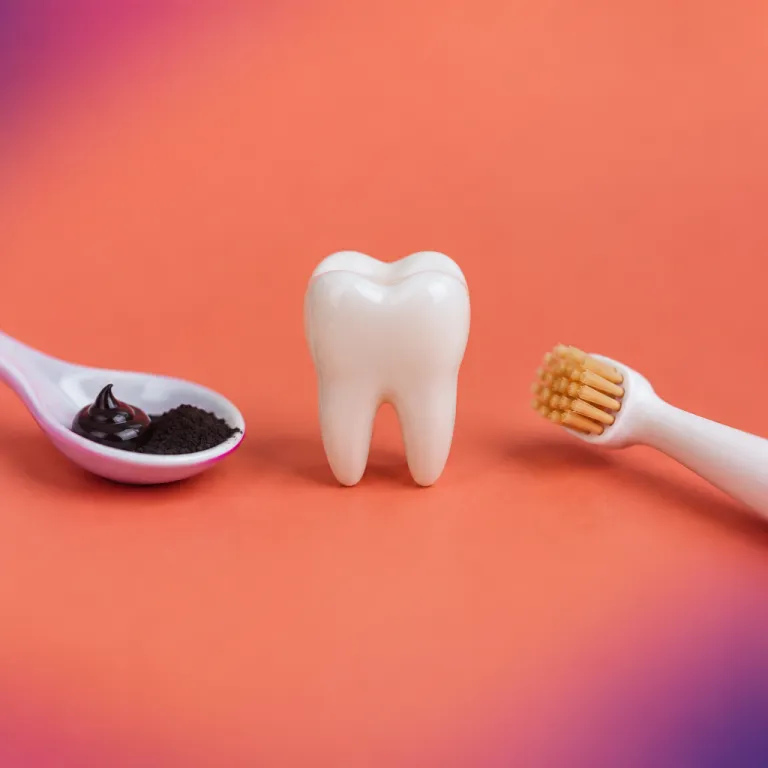

Can charcoal toothpaste whiten teeth or just polish the surface ?
Many people ask whether charcoal toothpaste can whiten teeth safely. The short answer is that it can sometimes make teeth look more white by polishing away some surface stains, but it does not change the natural colour of tooth enamel. When you read claims about dramatic teeth whitening from charcoal teeth products, they usually refer to removing recent surface stains rather than deep intrinsic stains that alter the underlying shade of the tooth.
Charcoal toothpaste is formulated with activated charcoal particles that are highly porous and can bind pigments from coffee, tea, or red wine on the tooth surface. These activated particles may help remove some stains by gentle scrubbing, which can support oral health when combined with proper dental care and regular checkups. However, the same charcoal particles can be abrasive, and if the toothpaste is too aggressive, it may thin tooth enamel over the long term and increase tooth decay risk.
For people using an electric toothbrush, the combination of powered brushing and charcoal toothpaste can intensify the abrasive effect on the tooth surface. This can make teeth look slightly more white at first, but repeated use may roughen enamel and create new microscopic grooves that trap pigments and discolour teeth more quickly. Dental professionals often recommend limiting charcoal toothpaste use to occasional stain control, while relying on a standard fluoride toothpaste for daily dental health and stronger protection against tooth decay.
How charcoal toothpaste compares with electric whitening toothbrush routines
When you ask whether charcoal toothpaste can whiten teeth as effectively as a whitening electric toothbrush, the answer is usually no for long term results. A modern whitening electric toothbrush is designed to remove surface stains with controlled motion and soft bristles, while charcoal particles in some pastes can be irregular and more abrasive. Over time, a well chosen electric brush with fluoride toothpaste tends to support better oral health and more stable dental health than frequent use of highly abrasive charcoal formulas.
Charcoal toothpaste can still play a role in teeth whitening routines when used carefully alongside an electric toothbrush. For example, some people alternate between a gentle fluoride toothpaste for most brushing sessions and a charcoal toothpaste once or twice a week to help remove stubborn surface stains from coffee or tobacco. This balanced approach aims to protect tooth enamel while still addressing stains that sit on the outer layer rather than intrinsic stains deeper inside the tooth structure.
If you already use a whitening electric toothbrush, you may gain more by optimising your brushing technique than by adding more abrasive products. Choosing a soft brush head, letting the brush do the work without pressing hard, and brushing for a full two minutes can help remove surface deposits without damaging enamel or increasing sensitivity. For readers who want a deeper dive into how powered brushing supports teeth whitening and a brighter smile, you can explore detailed guides from reputable dental organisations or peer reviewed research on electric toothbrush benefits.
What science says about activated charcoal and tooth enamel safety
Scientific reviews of activated charcoal in toothpaste show mixed results for teeth whitening. Some laboratory tests suggest that charcoal toothpaste can help remove certain surface stains, but many products have not been rigorously tested for long term effects on tooth enamel. When you read marketing claims that charcoal toothpaste can whiten teeth dramatically, remember that most evidence still focuses on short term polishing rather than deep colour change.
To understand whether charcoal toothpaste is safe, researchers look at its abrasivity, often measured as Relative Dentin Abrasivity (RDA). The American Dental Association generally considers an RDA below about 250 acceptable for daily use, while many standard pastes fall closer to 70–100. If charcoal particles are too coarse, they can wear down enamel and expose the softer dentin underneath, which may actually make teeth look less white and increase tooth decay risk. This is why many dental care professionals advise using charcoal toothpastes sparingly and always pairing them with fluoride toothpaste to support remineralisation and overall dental health.
Another scientific concern is that some charcoal formulas omit fluoride entirely, which can compromise oral health when used as the only toothpaste. Fluoride helps strengthen tooth enamel and repair early damage from acids, while activated charcoal alone only targets stains on the surface. For a balanced approach, many dentists recommend a fluoride based paste for daily use, reserving activated charcoal products for occasional stain control and combining them with evidence based whitening methods such as supervised peroxide gels or professionally guided home trays.
Charcoal toothpaste, electric toothbrushes, and sustainable oral care choices
People who care about oral health often care about environmental health as well, and this shapes how they evaluate charcoal toothpaste and electric toothbrush options. Some charcoal toothpastes are marketed as natural or eco friendly, but the presence of activated charcoal particles does not automatically make a product sustainable. Packaging, manufacturing practices, and whether the toothpaste includes fluoride all influence both dental health and environmental impact.
Electric toothbrushes are sometimes criticised for plastic waste, yet new designs and lower waste brush heads are changing that picture. When you combine a durable electric handle with replaceable heads and a low waste toothpaste, you can support both a bright smile and more responsible dental care habits. Readers interested in how plastic conscious toothbrush designs are reshaping electric brushing habits can look for independent reviews, life cycle assessments, and guidance from environmental health organisations that place whitening routines in a broader sustainability context.
From a stain management perspective, sustainable choices still need to protect tooth enamel and prevent tooth decay. A gentle fluoride toothpaste used with an efficient electric brush can remove surface stains gradually without relying heavily on abrasive charcoal products. Occasional use of charcoal toothpaste may help remove recent discolouration, but it should not replace a well formulated daily paste that supports long term oral health and a naturally white smile.
Practical tips for using charcoal toothpaste with an electric toothbrush
If you decide to test whether charcoal toothpaste can whiten teeth in your own routine, start slowly and monitor how your teeth respond. Use a soft bristled electric brush head, apply only a pea sized amount of charcoal toothpaste, and let the brush work gently without extra pressure. This reduces the risk that abrasive charcoal particles will scratch tooth enamel or irritate the gums.
Limit charcoal toothpaste use to once or twice a week, keeping your regular fluoride toothpaste for most brushing sessions to maintain strong oral health. This pattern allows charcoal products to help remove some surface stains while fluoride supports remineralisation and protection against tooth decay. If you notice increased sensitivity, greyish staining along the gumline, or a rough feeling on the tooth surface, stop using the charcoal formula and consult a dental professional promptly.
Rinsing thoroughly after each use is essential because residual charcoal particles can lodge between teeth and along the gum margin. Some people also prefer to brush first with fluoride toothpaste and then briefly with charcoal toothpaste to reduce contact time with tooth enamel. Whatever method you choose, remember that no toothpaste alone can replace regular dental care, professional cleanings, and lifestyle changes such as reducing smoking or dark drinks that stain teeth and cause persistent discolouration.
When charcoal toothpaste is not enough for a whiter smile
There are clear limits to what charcoal toothpaste can achieve when you want to whiten teeth significantly. Because it mainly targets surface stains, it cannot change the underlying colour of tooth enamel or address intrinsic stains caused by medication, trauma, or developmental conditions. In these situations, professional teeth whitening supervised by a dentist is more effective and safer for long term dental health.
Professional whitening gels use controlled concentrations of hydrogen peroxide or carbamide peroxide that penetrate the tooth structure rather than just polish the surface. These treatments can lighten intrinsic stains while your dentist monitors tooth sensitivity, gum health, and the integrity of tooth enamel. Charcoal toothpaste may still help remove surface stains between treatments, but it should be seen as a cosmetic adjunct rather than a primary solution for deep staining problems.
People with existing tooth decay, worn enamel, or gum recession should be especially cautious with abrasive products such as some charcoal toothpastes. For them, the priority is stabilising oral health with fluoride toothpaste, tailored dental care, and possibly a whitening electric toothbrush that is gentle on exposed root surfaces. Once dental health is stable, a dentist can advise whether limited charcoal use makes sense or whether other whitening strategies will work better for preserving a natural white smile.
Key statistics on charcoal toothpaste, whitening, and electric brushing
- Clinical studies have shown that professionally supervised peroxide based teeth whitening can lighten tooth colour by several shades in a few weeks, while most over the counter whitening toothpastes, including charcoal toothpaste, mainly remove surface stains and provide more modest changes.
- Surveys of dental professionals report that many dentists remain cautious about long term daily use of abrasive whitening pastes, including some charcoal toothpastes, because excessive abrasivity is associated with increased tooth wear and sensitivity over time.
- Electric toothbrushes have been shown in multiple controlled trials to reduce plaque and gingivitis more effectively than manual brushes, which indirectly supports better oral health and may reduce the accumulation of new stains on the enamel surface.
- Public health data consistently link regular use of fluoride toothpaste with lower rates of tooth decay, while non fluoride whitening products, including some charcoal formulas, do not provide the same protective effect against cavities.
FAQ: charcoal toothpaste, whitening, and electric toothbrushes
Can charcoal toothpaste really whiten teeth or only clean them ?
Charcoal toothpaste can help remove some surface stains on teeth, which may make them look slightly more white, but it does not change the natural colour of tooth enamel or reliably treat intrinsic stains. Its main effect is polishing the outer surface rather than bleaching the tooth from within.
Is charcoal toothpaste safe to use with an electric toothbrush ?
Charcoal toothpaste can be used with an electric toothbrush, but the combination may increase abrasivity on the tooth surface, especially if you press hard or use it too often. To protect enamel and dental health, dentists usually recommend limiting charcoal use and relying on a gentle fluoride toothpaste for daily brushing.
Does charcoal toothpaste protect against tooth decay like fluoride toothpaste ?
Most charcoal toothpastes do not contain fluoride, so they do not provide the same protection against tooth decay as a standard fluoride toothpaste. For strong oral health, charcoal products should be used only as an occasional supplement, never as the sole toothpaste in your dental care routine.
How often should I use charcoal toothpaste if I want whiter teeth ?
Many dental professionals suggest using charcoal toothpaste no more than once or twice a week to help remove surface stains while minimising the risk of enamel wear. Daily use is generally discouraged, especially for people with sensitive teeth, gum recession, or existing enamel erosion.
What should I do if charcoal toothpaste makes my teeth more sensitive ?
If you notice increased sensitivity, roughness, or darker staining after using charcoal toothpaste, stop using it immediately and switch back to a fluoride toothpaste designed for sensitive teeth. Schedule a dental examination so a professional can assess any enamel damage and recommend safer whitening options, such as supervised teeth whitening or a whitening electric toothbrush routine.