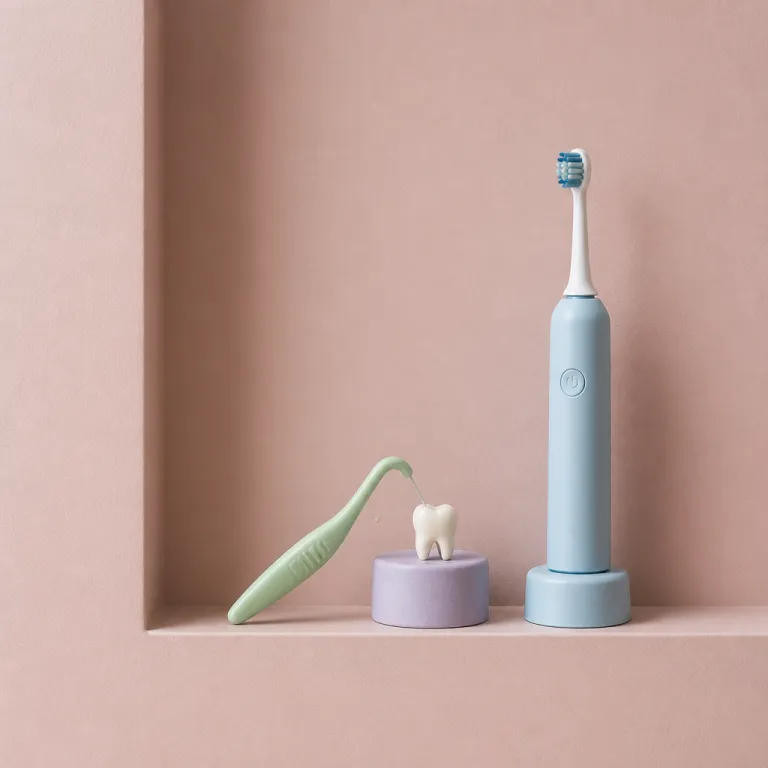

Why a reach dental floss handle matters alongside your electric toothbrush
An electric toothbrush removes substantially more plaque from broad tooth surfaces than most manual brushes, especially when you follow a two minute routine. Yet even the best powered brush struggles in tight embrasures where teeth overlap and where deep contact points shelter sticky biofilm. A well designed reach dental floss handle, sometimes called a handle based flosser or reach flosser, bridges that gap and turns awkward flossing into a precise daily habit.
Think of the handle as a guided access flosser that extends your fingers into narrow reach areas between back molars. When you pair this type of interdental flosser with a quality electric brush, you create a more thorough cleaning pathway along the gumline that a brush head alone cannot reach. The result is a more complete oral care routine that targets plaque removal duties above and just below the gum edge.
Many people abandon floss because traditional dental floss cuts into fingers, feels hard to control or shreds between tight teeth. A reach style flosser handle solves this by holding shred resistant floss under tension, so you glide it gently while keeping full control. This simple product change often turns flossing from a painful chore into a quick check of how clean your teeth can actually feel.
Floss, flossers and water flossers: how they complement electric brushing
Electric toothbrushes excel at polishing exposed enamel, but they leave interdental cleaning to floss, flossers and water flossers. Classic dental floss remains the most precise tool for scraping plaque from the sides of teeth where cavities and early gum inflammation often begin. A reach dental floss handle or similar handle based flosser makes that traditional method easier to use, especially when your fingers cannot comfortably reach areas behind bulky cheeks.
Handle based flossers, including any flosser starter kit or refill pack, suspend a short length of floss between two small heads. These compact flossers slide between teeth quickly, so many users find they floss more often and keep better oral care habits. When you choose a dental flosser with a slim handle and angled neck, you gain better access to hard reach molars without straining your wrist or jaw.
Water flossers add a pressurized stream that flushes food particles and loose plaque from deep pockets, but they do not scrape biofilm as effectively as taut floss. For that reason, many dentists recommend combining a reach dental floss handle with a water flosser, especially if you wear braces or have dental implants. To see how these tools fit with electric brushing in a complete routine, you can read this detailed guide on how flossing and water flossers work with electric toothbrushes.
Design details that make a reach dental floss handle effective
The most useful reach dental floss handle designs share several quiet but important engineering choices. First, the angle between the handle and the flossing heads determines how easily you can reach contact points behind your last molars. A slight curve often gives better access than a straight stick, especially when you are working around crowded teeth.
Second, the type of dental floss used in the product matters for comfort and durability. Shred resistant floss reduces the risk of frayed strands catching on fillings, while a mint coated dental floss can leave your mouth feeling fresher after each session. Some reach dental products also offer pfas free materials, which in reputable models is supported by manufacturer testing or third party lab reports that confirm non detectable levels of common per and polyfluoroalkyl substances.
Third, look at how the handle manages refill heads or flosser refill cartridges. A reusable access flosser with snap in refill heads can reduce plastic waste compared with single use floss picks, especially when sold as a compact starter kit. Before you click to add an item to your cart on any interdental cleaning product page, check whether the refill system looks sturdy enough to last more than a single month of daily use.
Two in one devices that combine a brush and flosser in a single handle often promise convenience but compromise performance. Separate tools usually clean better because each product can focus on one job, with brush heads optimized for surfaces and flossers optimized for tight gaps. For a deeper analysis of why combo tools still fall short, see this expert discussion of the limits of combined brush and flosser devices.
Choosing the right reach dental floss handle and accessories
When you compare reach dental floss handle options, start by matching the design to your mouth. People with small jaws or crowded teeth often benefit from slimmer handles and compact heads that can reach areas behind second molars. Those with larger hands may prefer a thicker grip that offers better control while guiding the floss between teeth.
Next, examine the full range of products and refill items offered by the same brand. A well thought out flosser starter kit usually includes a handle, several refill heads and sometimes a travel case, which makes it easier to maintain your routine on the road. Check whether the refill pack sizes match how often you floss, because a single pack that lasts one month for one person may last much longer for another household.
Price also deserves careful attention, but focus on price per use rather than the headline price product figure. A slightly higher price for a durable, pfas free handle with reliable flosser refill heads can be better value than a cheap product that breaks quickly. Before you confirm your cart on any dental flosser page, look for verified buyer feedback that mentions comfort, ease of access and whether the mint floss flavor feels pleasant or overpowering.
Finally, consider how the handle fits into your existing electric toothbrush schedule. If you already replace brush heads regularly, you can align flosser refill purchases with that same delivery rhythm to simplify planning. Many people find that pairing brush head changes with new flossers every second month keeps both tools performing at their best.
Building a daily routine that reaches where your brush cannot
A strong routine starts with timing, so choose a moment when you can focus. Many dental professionals suggest flossing before brushing, because clean gaps allow fluoride from toothpaste to reach areas between teeth more effectively. Using a reach dental floss handle first also helps you feel where plaque still clings, which can guide your electric brush work.
Begin by threading or attaching the dental floss or refill heads according to the product instructions. Hold the handle like a pen, then gently guide the floss between two teeth with a small sawing motion until it passes the tight contact point. Curve the floss into a C shape around each tooth, slide it under the gumline and move it up and down several times to act as a precise plaque removal method.
Work methodically from one side of the mouth to the other, paying special attention to hard reach molars. A reach style handle with a slim neck can make these back teeth easier to access, especially when the neck is angled to follow the curve of your jaw. Once every space feels smooth, use your electric toothbrush for two full minutes, then rinse and check your teeth with a quick view in the mirror.
Routine maintenance of your tools matters as much as technique. Rinse the handle and any reusable flossers thoroughly, then let them dry in open air rather than a closed cabinet. To understand how often you should replace both brush heads and flossing items for healthier gums, consult this guide on changing your toothbrush and related oral care tools.
Electric toothbrush users with special needs: braces, implants and sensitive gums
People with orthodontic braces face unique challenges that a standard electric toothbrush cannot fully solve. Brackets and wires create extra surfaces where plaque and food debris hide, especially in hard reach corners near the gumline. A reach dental floss handle with slim heads can slide under the wire more easily than fingers, allowing you to clean around each bracket with controlled pressure.
For dental implant patients, flossing technique becomes even more critical to protect the surrounding bone and soft tissue. A pfas free, shred resistant dental floss used with a gentle access flosser can reduce the risk of fibers catching on rough implant surfaces. Many implant specialists recommend flossers or floss picks that wrap around the implant crown in a loop, then act as a targeted cleaning aid without cutting into delicate gums.
Sensitive gum sufferers often avoid floss because they fear bleeding or pain. In many cases, a reach handle with a soft grip and thin floss can actually reduce trauma, because you control the angle and depth more precisely than with bare fingers. Start by flossing only the front teeth for a few days, then gradually extend to back teeth as your gums adapt and inflammation decreases.
Children and older adults may also benefit from handle based flossers that improve access and control. A small flosser starter kit with colorful items can encourage children to see flossing as a normal part of oral care rather than a punishment. For seniors with limited hand strength, a longer handle and larger grip can make it easier to reach areas that an electric toothbrush head alone cannot fully clean.
How to evaluate online offers for reach dental floss handle products
Online shopping makes it easy to compare dozens of reach dental floss handle models in minutes. Yet the sheer number of products and items can feel overwhelming, especially when every product page claims excellent access performance. A structured checklist helps you separate marketing language from real value for your teeth and gums.
Start by scanning the quick view section for clear information about materials, refill heads and whether the floss is pfas free and shred resistant. Look for details on how many flossers or refill cartridges come in each pack, and calculate the cost per use rather than focusing only on the headline price. A transparent price product breakdown that shows cost per month of daily flossing is more useful than a single large number without context.
Next, read verified customer reviews that mention specific experiences with reach areas, comfort and durability. Pay attention to comments about whether the mint flavor feels subtle or strong, whether the handle slips when wet and how easy it is to add refills to your cart without confusion. Consistent praise for access to hard reach molars and stable cleaning performance usually signals a well engineered dental flosser.
Finally, consider delivery options and environmental impact. Some brands offer subscription delivery for refill packs, which can prevent running out of floss at the worst moment, while others focus on minimal packaging to reduce waste. Choosing a sturdy starter kit with reusable handles and compact refills often balances convenience, price and sustainability in a way that supports long term oral care habits.
Key figures on flossing, electric brushing and oral health
- Randomized clinical trials have shown that people who combine daily interdental cleaning with twice daily electric toothbrushing can substantially reduce gingival bleeding scores compared with brushing alone, highlighting the added value of cleaning between teeth. These figures are drawn from controlled studies of adult patients using standardized bleeding indices over several months.
- Population surveys in several European countries report that only about one third of adults floss or use interdental brushes daily, which means many people leave plaque between teeth for more than 24 hours at a time and increase their risk of interdental cavities. These surveys typically rely on self reported oral hygiene habits collected through national health questionnaires.
- Studies comparing manual and electric toothbrushes indicate that oscillating rotating electric models remove more plaque after three months of regular use, but still leave biofilm in tight contact points that require floss or flossers. This estimate comes from meta analyses that pool plaque index scores across multiple clinical trials.
- Research on orthodontic patients shows that consistent use of floss or water flossers around braces can markedly cut the incidence of white spot lesions on enamel, especially when combined with fluoride toothpaste and regular professional cleanings. These outcomes are based on follow up examinations that document new lesions over the course of treatment.
- Economic analyses of preventive oral care suggest that investing a modest amount per month in floss, flossers and brush head replacements can reduce long term dental treatment costs by a significant margin over a decade. Such models factor in the average cost of fillings, periodontal therapy and crown work avoided through better plaque control.
FAQ about reach dental floss handles and electric toothbrush routines
How often should I use a reach dental floss handle with my electric toothbrush ?
Daily use is ideal, because plaque begins to harden within about 24 hours and becomes more difficult to remove. Flossing once per day with a reach dental floss handle, then brushing twice per day with an electric toothbrush, offers strong protection against cavities and gum disease. If daily flossing feels overwhelming at first, start with three evenings per week and build up gradually.
Is a reach dental floss handle better than floss picks or a water flosser ?
Each tool has strengths, so the best choice depends on your mouth and habits. A reach dental floss handle gives you the precision of classic floss with improved access, while floss picks offer speed and water flossers provide gentle flushing around braces or implants. Many dentists suggest using whichever tool you will use consistently, and combining methods if you have higher risk areas.
Can a reach dental floss handle replace professional dental cleanings ?
No home tool, including electric toothbrushes and advanced flossers, can fully replace professional cleanings. Dental hygienists use instruments to remove hardened tartar that floss and brushes cannot dislodge once plaque mineralizes on teeth. A good home routine with a reach dental floss handle reduces how much tartar forms, but you still need regular check ups and cleanings.
What should I do if my gums bleed when I start using a floss handle ?
Light bleeding during the first week of consistent flossing often signals existing inflammation rather than damage from the tool. Use gentle pressure, avoid snapping the floss into the gums and continue daily use, because healthy tissue usually stops bleeding as plaque levels fall. If heavy bleeding or pain persists beyond ten days, consult your dentist or hygienist for a personalized assessment.
How long does a refill pack for a reach dental floss handle usually last ?
The duration depends on how many refill heads or flossers you use per day and how many people share the pack. For one person flossing once daily, a pack of thirty single use flossers or thirty refill heads typically lasts about one month. Always check the product description for item counts and adjust your delivery schedule so you never run out unexpectedly.