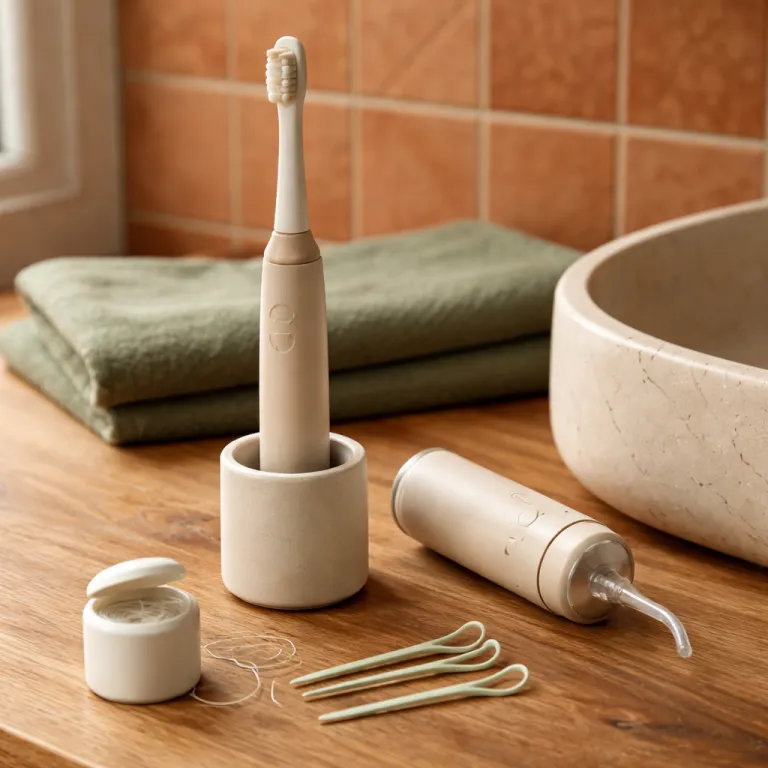
Water flosser vs flossing electric toothbrush: how each tool really cleans your mouth
What each tool really cleans in your mouth
Think of your daily oral care routine as cleaning a kitchen. The electric toothbrush is your main sponge for brushing, scrubbing the visible tooth surfaces where plaque builds fastest and where stains first appear. Yet even the best electric toothbrushes leave a substantial portion of the tight spaces between teeth and under the gumline untouched, which is where dental problems quietly start. Imaging and clinical studies suggest that conventional brushing alone can miss plaque on roughly one third of interdental surfaces, even with powered brushes.
Traditional string floss and modern water flossers target those hidden areas that a toothbrush, whether electric or manual, simply cannot reach. String floss slides between teeth to scrape plaque from the contact points and just under the gums, while water flossing uses a focused jet of water to flush food debris and bacteria out of gum pockets and around dental work. When people compare a water flosser with an electric toothbrush that claims to replace floss, they are really weighing tools that handle different jobs rather than true substitutes.
In practical terms, the electric toothbrush handles large surface cleaning while floss and water flossers handle the narrow gaps and gumline. Systematic reviews on oral hygiene consistently show that brushing alone, even with premium electric toothbrush models, is less effective at removing interproximal plaque than brushing plus either string floss or a water flosser. For example, a randomized controlled trial by Sharma and colleagues (2012) reported that adding a water flosser to toothbrushing reduced gingival bleeding by about 50% compared with brushing alone over four weeks. If you want reliable plaque removal and better oral health, you need a combination of brushing, flossing, and targeted water cleaning rather than relying on one hero gadget.
Parents often ask whether a powerful electric toothbrush can replace dental floss for their children. The answer is no, because plaque and food particles lodge between teeth where bristles, even with oscillating rotating or sonic motion, cannot fully reach. The American Dental Association (ADA) continues to recommend cleaning between teeth once a day with floss or another interdental cleaner to disrupt plaque in those tight spaces. For a family, the smartest approach is to treat the electric toothbrush as the foundation and then layer floss or a flosser electric device on top for complete oral hygiene.
Once you see how each tool works, the phrase water flosser vs flossing electric toothbrush starts to feel misleading. The real decision is how to combine toothbrush water cleaning, string floss, and water flossers so they complement each other. That mindset shift, supported by guidance from dental professionals and evidence based recommendations, protects teeth, gums, and long term oral health far more effectively than chasing a single miracle device.
Why brushing alone, even with electric power, is not enough
Many people proudly say they upgraded to an electric toothbrush and stopped flossing. That feels like progress, but from a dental perspective it is a sideways move, because you improved surface cleaning while abandoning the only tool that reliably cleans tight contacts between teeth. Clinical studies show that adding dental floss to brushing reduces bleeding between teeth, which is an early warning sign of gum disease. In one often cited trial by Gjermo and Flötra (1970s era research on interdental cleaning), participants who brushed and flossed had significantly lower gingival bleeding scores than those who brushed alone after several weeks.
Electric toothbrushes excel at consistent brushing because the motor handles the motion and the built in timer keeps you honest. They are especially helpful for children, older adults, or anyone with limited dexterity who struggles with manual toothbrushes and precise brushing technique. Yet even the best electric flossers that combine brushing and water cannot change the basic geometry of teeth, where narrow gaps trap plaque and require either string floss or targeted water flossing to reach. That is why professional guidelines emphasize both toothbrushing and interdental cleaning as separate, complementary steps in a daily routine.
When you compare a water flosser with a flossing style electric toothbrush, remember that the brush is designed for tooth surfaces, not for deep gum pockets. A water flosser, by contrast, sends a pulsating stream of water along the gumline and between teeth, flushing away debris and bacteria that brushing leaves behind. Manufacturer sponsored research on powered irrigators, such as a trial by Goyal et al. (2012), has reported reductions in gingival bleeding of around 50–60% and meaningful plaque decreases when water flossers are used alongside regular brushing. That is why many dentists recommend water flossers for people with braces, bridges, or implants, where traditional floss can be awkward or impossible to thread.
For a health conscious parent, the key is to build a routine where brushing and interdental cleaning are non negotiable partners. Children can start with a gentle electric toothbrush and supervised flossing, then graduate to a compact electric flosser or countertop water flosser as they gain confidence. If you want a deeper dive into how advanced cleaning tools fit around an electric toothbrush routine, a guide on a sonic retainer cleaner and oral hygiene can show how these technologies stack together in daily life and support appliance care.
One more practical detail often overlooked in the water flosser vs flossing electric toothbrush debate is maintenance. Water flosser tips need replacing when they are bent, frayed, or after long use, because worn tips reduce cleaning power and comfort. The same logic applies to toothbrush heads and even string floss, which must be used with fresh segments to stay effective at removing plaque and protecting oral health. Following manufacturer instructions and ADA style recommendations on replacement intervals keeps every part of your routine working as intended.
Water flosser vs string floss: who benefits most from each
Choosing between string floss and a water flosser is less about which is universally better and more about which fits your mouth, your hands, and your habits. Traditional floss, whether waxed or unwaxed dental floss, excels at scraping plaque from the tight contact points where teeth actually touch. When used correctly, string floss hugs the tooth in a C shape and physically wipes away plaque, which is why many studies still treat it as the gold standard for interproximal cleaning and why professional organizations continue to endorse daily flossing.
Water flossers take a different route by using pressurized floss water to flush debris and bacteria from under the gumline and around orthodontic brackets or bridges. For people with sensitive gums, arthritis, crowded teeth, or fixed dental work, water flossing often feels more comfortable and realistic to maintain every day. In those cases, water flossers’ effective performance at reducing bleeding and inflammation, documented in several randomized trials comparing irrigators plus brushing to brushing alone, can outweigh the theoretical precision of string floss that never gets used consistently.
If you are comparing a water flosser and a flossing electric toothbrush for a teenager with braces, the water option usually wins. String floss can snag on brackets and wires, turning nightly oral care into a frustrating chore that gets skipped, while a compact electric flosser with orthodontic tips can glide around hardware in under a minute. Parents often find that when flossing feels easier and less painful, children actually do it, which matters more for oral health than perfect technique that never leaves the bathroom drawer.
For adults without complex dental work, a hybrid approach works well. Use traditional floss or modern floss picks for the tightest spaces, then follow with a water flosser to rinse out loosened plaque and food particles along the gumline. If you want practical guidance on choosing between classic dental floss, floss picks, and other tools, a detailed explainer on the benefits of tooth floss picks for oral health can help you match products to your specific needs and dexterity level.
From a journalist analyst perspective, the most honest answer to the water flosser vs flossing electric toothbrush question is that neither replaces careful string flossing entirely. Yet both electric toothbrushes and water flossers can make the whole routine faster and more forgiving, especially for busy families. The winning setup is the one that keeps your gums healthy and your plaque scores low at every dental check up, not the one that looks most impressive on the bathroom counter or promises shortcuts without evidence.
Building a realistic three minute morning and evening routine
Parents rarely have ten spare minutes for elaborate oral care rituals. A realistic routine for most families is about three minutes, twice a day, split between brushing and some form of interdental cleaning. The trick is to make each step simple enough that children, teenagers, and tired adults will actually follow it every night, turning good intentions into a repeatable habit.
Start with two minutes of brushing using an electric toothbrush, because the built in timer and consistent motion help compensate for rushed technique. Aim the bristles at a 45 degree angle to the gumline and move slowly along each tooth surface, letting the electric power do the work rather than scrubbing aggressively. For younger children who still use manual toothbrushes, parents can guide their hand or finish the brushing themselves to ensure even plaque removal and better oral hygiene across all tooth surfaces.
Next comes one minute of interdental cleaning, which is where the water flosser vs flossing electric toothbrush question really shows up in daily life. If you or your child are comfortable with string floss, use it first to clean the tight contacts, then rinse with toothbrush water or a quick sip to wash away loosened debris. If flossing is a constant battle, swap in a compact water flosser or flosser electric device and focus on tracing the gumline and pausing briefly between teeth, adjusting the pressure to a comfortable level.
For families with braces, implants, or gum disease, that one minute of flossing or water flossing is non negotiable. Electric flossers with multiple tips can help different family members share a single base unit while keeping their own nozzles for hygiene and comfort. Over time, you will notice less bleeding, fresher breath, and fewer warnings from your dental hygienist about plaque hiding between teeth, which aligns with what clinical studies report when interdental cleaning becomes consistent.
Once the basic three minute routine feels automatic, you can layer in extras without adding much time. A weekly deep cleaning session with a dedicated sonic retainer cleaner or similar device can support overall oral care, especially if you wear aligners or night guards that trap plaque against enamel. The goal is not perfection but a sustainable rhythm where brushing, flossing, and water cleaning become as routine as washing your face before bed.
Combination devices and how to choose what fits your family
Combination devices that merge an electric toothbrush with a built in water flosser promise a tidy answer to the water flosser vs flossing electric toothbrush dilemma. The Waterpik Sonic Fusion, for example, allows you to brush and use water flossing at the same time through a single brush head. On paper, that sounds like the ultimate shortcut for busy parents trying to keep everyone’s teeth and gums healthy while minimizing clutter on the bathroom counter.
In practice, these hybrid systems involve trade offs that matter if you care about precise plaque removal and long term oral health. When brushing and water flossing happen simultaneously, it can be harder to focus on gentle gumline cleaning because the sensation is more intense and noisy. Some users also find that the brush head design on combination units feels bulkier than standalone electric toothbrushes, which can make careful cleaning behind back teeth more awkward and less thorough.
For many households, a more flexible setup is an electric toothbrush paired with a separate countertop or cordless water flosser. This lets each person choose their preferred toothbrush style, from slim sonic handles to chunkier oscillating models, while still sharing a powerful electric flosser base. It also means you can upgrade one device at a time as new studies, better motors, or improved water flossers arrive, instead of replacing a single all in one unit when one component wears out or feels outdated.
Cost and counter space also shape the decision more than marketing materials admit. A family might start with a solid mid range electric toothbrush and a basic water flosser, then add extra tips and toothbrushes as children grow and dental needs change. Over several years, that modular approach often delivers better value and more tailored oral care than a single premium combo device that tries to do everything at once but may not suit every user equally well.
When you weigh water flosser vs flossing electric toothbrush options, remember that the best system is the one your family will actually use twice a day. Pay attention to comfort, noise, and how easy it is to refill water, swap tips, and clean the reservoir, because those details decide whether a flosser electric device becomes a daily habit or a dusty gadget. In oral care, it is not the feature list but the Monday morning brushing feel and long term checkup results that keep plaque away and smiles healthy.
FAQ
Does a water flosser replace string floss completely ?
A water flosser does not fully replace string floss for most people. It is excellent at flushing debris and bacteria from under the gumline and around braces or bridges, but it does not always scrape plaque from the tight contact points as effectively as dental floss. Many dentists recommend using both tools, or at least choosing the one you will use consistently every day, because adherence matters as much as theoretical cleaning power.
Is an electric toothbrush really better than a manual toothbrush ?
Electric toothbrushes generally clean more consistently than manual toothbrushes because the motor provides thousands of movements per minute and built in timers encourage full coverage. Studies show that many users remove more plaque with electric models, especially oscillating rotating or sonic designs, than with manual brushing alone. That said, a well used manual brush with good technique still beats a neglected electric toothbrush left on the charger and rarely used for the full two minutes.
How long should a full brushing and flossing routine take ?
A practical routine for most adults and children is about three minutes, twice a day. Spend two minutes brushing with an electric or manual toothbrush, then use about one minute for string floss or water flossing between teeth and along the gumline. If you have braces, implants, or gum disease, your dentist may suggest adding a little extra time for targeted cleaning around those areas or using specialized tips for your water flosser.
Are water flossers safe for children to use ?
Water flossers are generally safe for older children and teenagers when used on a low to medium pressure setting with supervision at first. They can be especially helpful for kids with braces, where string floss is difficult to thread and easy to skip. Younger children usually do better starting with gentle brushing and learning basic flossing skills before adding a water flosser later, once they can control the spray and follow instructions reliably.
How often should I replace toothbrush heads and water flosser tips ?
Most toothbrush heads should be replaced every three months or sooner if the bristles splay or fade. Water flosser tips typically last several months, but they should be replaced immediately if they become bent, cracked, or visibly worn, because damaged tips reduce cleaning effectiveness and comfort. Fresh heads and tips help keep plaque removal reliable and support better long term oral health, which is why both manufacturers and dental organizations emphasize regular replacement.