
Summary
Editor's rating
Value for money: very good brush, very painful pricing
Design: sleek and modern, with a couple of everyday annoyances
Battery life and charging: good, but not mind-blowing
Comfort in the mouth and in the hand
Durability concerns: premium price, mixed confidence
Daily performance and real use of the modes and smart features
What you actually get in the box (and what feels like upsell bait)
Cleaning performance: teeth feel great, app is mostly hype
Pros
- Cleans very well: teeth feel noticeably smoother and gums handled gently with multiple modes
- Quieter and more comfortable than many oscillating Oral‑B models
- Good travel setup with USB charging case and compact stand
Cons
- Very expensive at full price, with high ongoing cost for replacement heads
- Smart app features and mouth tracking are basic and not very accurate
- Durability concerns reported by users around the 2‑year mark, and only standard warranty

Specifications
View full product page →| Brand | Philips |
A £300 toothbrush… seriously?
I’ve been using electric toothbrushes for years, mostly mid-range Oral‑B and a couple of cheaper Sonicare models. When I first saw the price of the Philips Sonicare DiamondClean 9900 Prestige, my first thought was basically: “No way a toothbrush is worth that.” But I was curious, especially with all the talk about SenseIQ, the app, and the fancy travel case, so I decided to actually live with it for a few weeks and see if there was anything behind the marketing.
I used this brush twice a day for just over three weeks, replacing my usual Oral‑B. Same toothpaste, same routine, same tap water, so I could really feel what changed and what was just hype. I also paired it with the app, played with all the modes, and took it on a short trip using the charging travel case. I’m not a dentist or a tech blogger, just someone who wants clean teeth without feeling ripped off.
Right away, the difference versus a cheap electric brush is obvious: the cleaning feels more even and my teeth feel smoother after each 2‑minute session. But at the same time, a lot of the “smart” stuff is more gimmick than life‑changing. The app is fine for a few days, then it becomes one more thing you don’t really open unless you’re a data nerd about your teeth. The pressure light and automatic intensity change are handy, but not magic.
So, is it good? Yes, it’s genuinely a very solid toothbrush. Is it good for this price? That’s where it gets complicated. If you buy it on a big discount, it starts to make sense. At full price, you really need to know what you’re paying for and accept that some of the features are nice to have, not essential. I’ll break it down by design, comfort, performance, battery, durability and value so you can decide if it fits your budget and expectations.
Value for money: very good brush, very painful pricing
Let’s be blunt: at full retail, the Philips Sonicare 9900 Prestige is expensive for a toothbrush. You’re not just paying for clean teeth; you’re paying for the fancy design, smart features, travel case, and the whole premium branding. In terms of pure cleaning, a mid‑range Sonicare or even a decent Oral‑B already gives you a big jump over manual brushing at a fraction of the price. So you have to decide if the extra polish and app stuff are worth it to you.
Where this model makes more sense is when it’s heavily discounted. At around half price, it becomes easier to justify: you get a very good clean, a nice quiet brush, a solid travel case with charging, and some genuinely useful features like pressure sensing and brush head tracking. It still isn’t cheap, but at that point it feels like a high‑end toothbrush rather than a luxury toy. Above that, you’re paying a lot for things that don’t change your teeth that much in real life.
Ongoing costs are where the value really takes a hit. The A3 Premium All‑in‑One heads are effective, but they are expensive, especially if you replace them as often as the app suggests. If you have multiple users in the house, that adds up quickly. And the app’s gentle nudging towards replacing heads and auto‑reordering is convenient, but it’s obviously there to make sure you keep buying their stuff. If you’re budget‑conscious, you’ll feel that over a couple of years.
So, is it worth it? If you have the money, really care about your oral hygiene, like quiet sonic brushing, and catch it on sale, I’d say it’s a pretty solid purchase with some nice extras. If you just want clean teeth and don’t care about apps, pressure lights, and faux‑leather cases, there are cheaper Philips or Oral‑B models that will get the job done nearly as well for much less. In that case, this one feels more like paying for the fancy trim level of a car when the basic version already drives fine.
Design: sleek and modern, with a couple of everyday annoyances
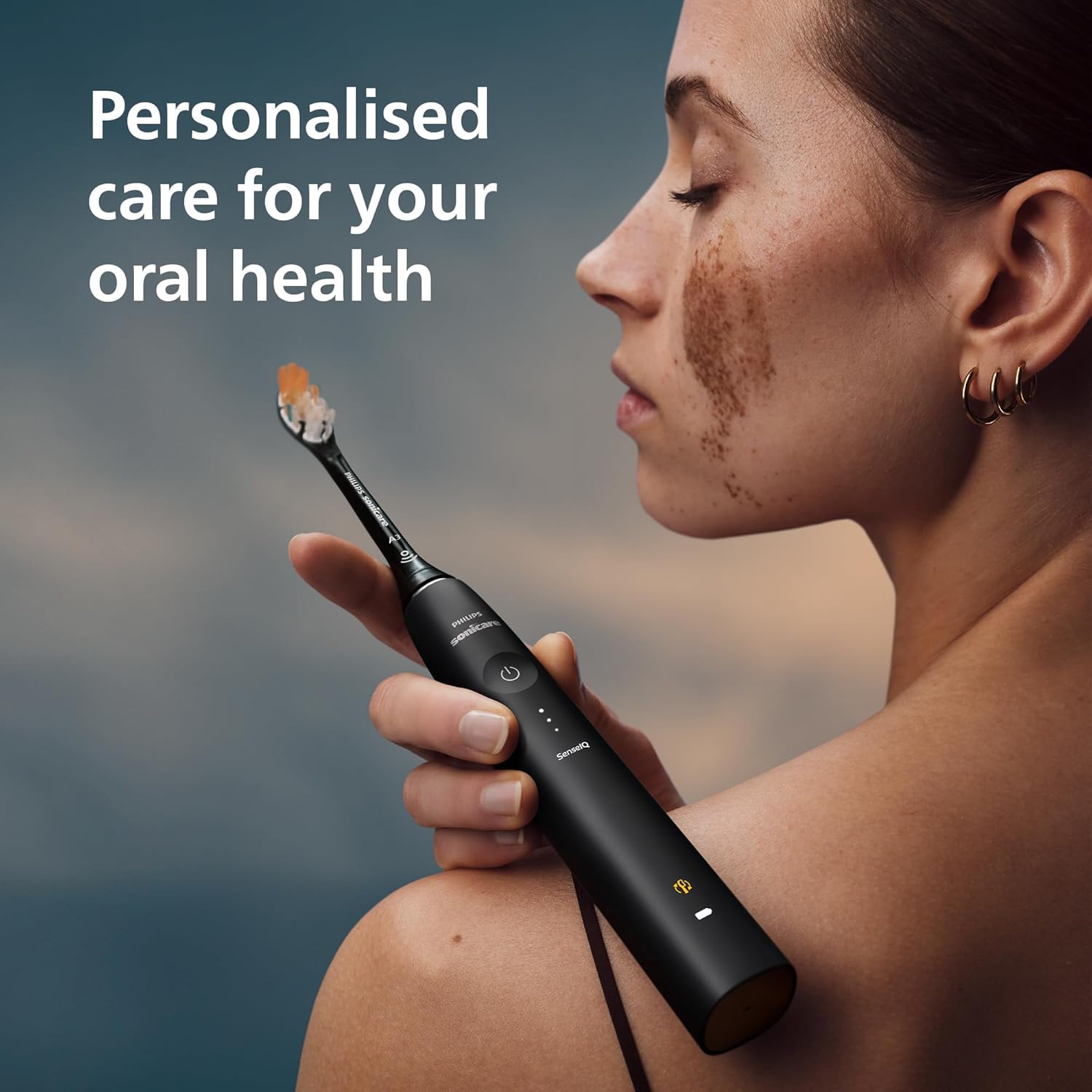
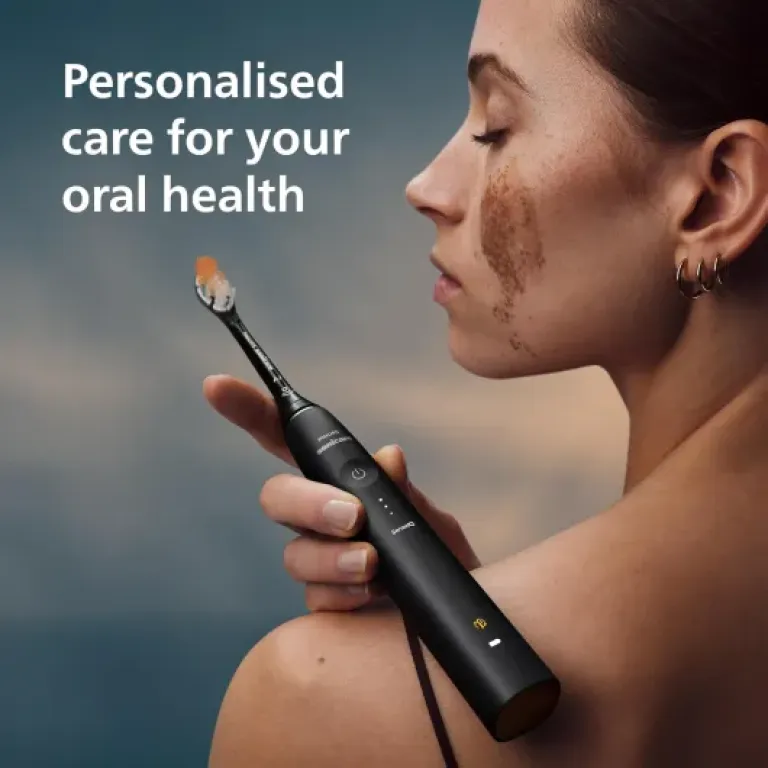
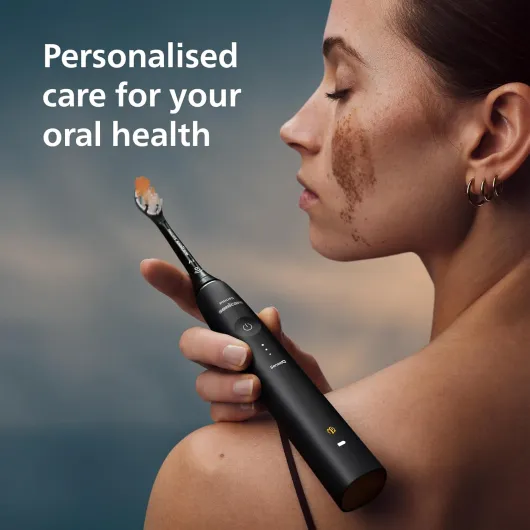
Design-wise, this toothbrush looks and feels high-end. The black version I used has a matte finish that hides fingerprints pretty well and doesn’t scream “medical device” on the sink. The shape is slim and long, and the weight is well balanced, so it doesn’t feel top‑heavy when you’re brushing. Compared to the chunkier Oral‑B bodies with rubber grips everywhere, this one is cleaner and more minimal. If you care what your bathroom looks like, this fits in nicely.
The single-button layout is simple, but it has a downside: it’s quite easy to accidentally change intensity or turn the brush off mid‑session. More than once, I adjusted my grip and either lowered the intensity or stopped the brush by mistake. It’s not a disaster, but for a product at this price, that kind of basic ergonomics issue is a bit annoying. A slightly firmer click or a second smaller button for mode switching would make more sense in real life.
One thing I did like is that the handle is not covered in that soft rubber that ages badly and gets sticky over time. It’s mostly one consistent material, which is good if you’re sensitive to rubber textures or just hate when grips start to peel. Cleaning the handle is easy: a quick wipe and it looks new again. The only area that tends to collect gunk is around the top where the head clicks on, and that’s pretty standard for any electric toothbrush. You just need to rinse it properly and occasionally pull the head off to wipe under it.
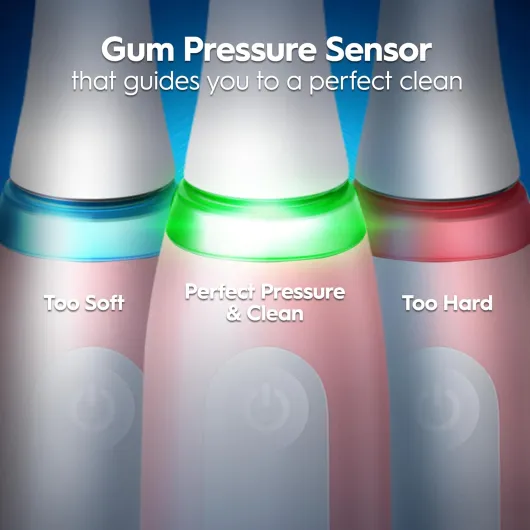
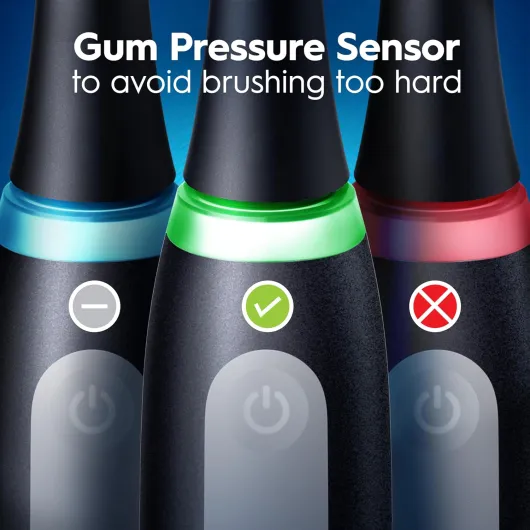
The light ring at the bottom is useful and not just decoration. It flashes when you press too hard, and it’s visible in the mirror without you having to stare at the app. The wireless charging stand is small and doesn’t take much space, which I appreciated. The only part of the design that feels a bit cheaper is the plastic cover on the charger; it does the job but doesn’t match the rest of the premium vibe. Overall, the design is pretty solid, but there are a few small usability quirks that remind you this is still a toothbrush first, gadget second.
Battery life and charging: good, but not mind-blowing
Battery life on the Sonicare 9900 Prestige is decent, but it’s not some miracle device you never have to charge. With two 2‑minute brushes per day plus a few longer gum‑care sessions, I was getting around 10–12 days before it really needed a charge. Some people report about a week; I think it depends on your mode and intensity. Either way, it’s fine for normal use and okay for short trips if you don’t want to bring the charger every time.
The handle arrived a bit over 50% charged, and I got almost a week from that before my first full charge. Charging is through a small stand that connects via USB, which I actually prefer over having another weird proprietary bathroom plug. You can easily plug it into a USB adapter, a power strip with USB ports, or even a computer if you’re desperate. The stand is compact, so it doesn’t dominate your sink area. From low battery to full charge took a couple of hours, which is fine considering you only do it every week or two.
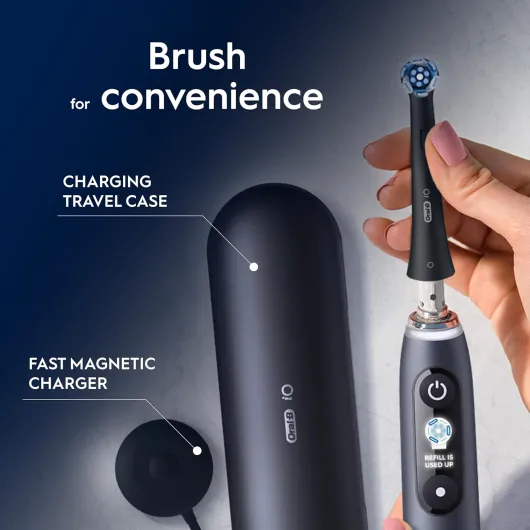
The charging travel case is a nice bonus if you travel a lot. You pop the handle and head in, close the case, and charge via USB from the outside. My only gripe is that it doesn’t have an integrated cable; you have to remember to pack a separate USB cable. Not the end of the world, but for the price, a built‑in cable or USB‑C port would make more sense. Still, being able to charge in a closed case is handy for tossing it in a bag without exposing the brush to whatever else is in your luggage.
Overall, I’d say the battery and charging setup are good enough but not a reason alone to buy this model. It’s not worse than cheaper Sonicares, but it’s also not massively better. If your current electric brush barely lasts a few days, you’ll appreciate the extra headroom here. If you were hoping for a month between charges, that’s not what you’re getting. It’s reliable and convenient, just not anything particularly special given the price tag.
Comfort in the mouth and in the hand
Comfort is where the Sonicare style brushing really stands out compared to oscillating brushes like many Oral‑B models. The vibrations are high‑frequency and feel more like a strong buzz than a mechanical scrubbing. If you’ve only used cheap electric brushes before, the first time can feel a bit intense, especially on the highest intensity, but you get used to it after a few days. I have moderately sensitive gums, and I ended up using medium intensity most of the time, switching to low on days when my gums felt a bit sore.
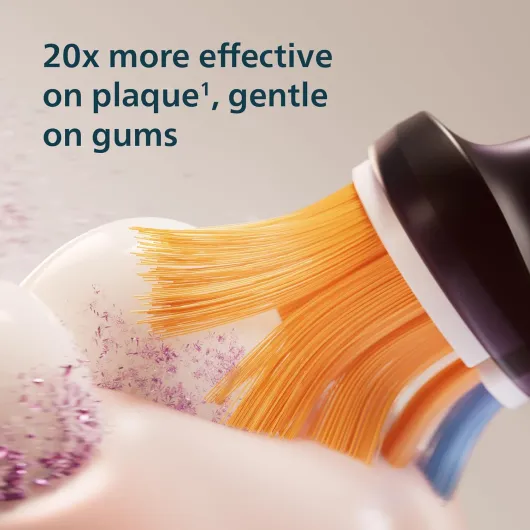
The A3 Premium All‑in‑One heads have medium firmness bristles. They’re not super soft, but they don’t feel harsh either. The head shape is slightly oval and not huge, so you can reach the back molars without dislocating your jaw. Compared to some chunky Oral‑B heads, this one actually slides into tighter spaces a bit easier. After about a week, I noticed my gums bled less when flossing, which suggests the brush isn’t beating them up too much while still cleaning properly.
In the hand, the handle is comfortable enough, but the lack of any real grip can be a bit of a problem with wet hands. It hasn’t slipped out of my hand, but I did feel it twist slightly when my fingers were soapy, which is probably why I kept accidentally hitting the button. If you’re used to rubbery grips, this will feel more slippery at first. On the positive side, there’s no weird rubber smell or sticky feel, and the uniform material is nicer if you’re sensitive to textures.
Noise-wise, it’s quieter than most Oral‑B brushes I’ve used. It still makes noise, you’re not brushing in silence, but the sound is more of a high‑pitched hum than a loud mechanical rattling. If you brush early in the morning and don’t want to wake everyone, this is a bit easier to live with. Overall, in terms of comfort, I’d say it’s very good: the actual brushing feels gentle but effective, and the only real downside is the slippery-ish handle and the slightly awkward button placement.
Durability concerns: premium price, mixed confidence
Durability is where I’m a bit cautious with this brush. I haven’t had it for two years obviously, but I did dig through a lot of user feedback and saw a pattern: quite a few people report issues around the 2‑year mark. Things like the internal mechanism getting louder, the vibration feeling rougher, and in some cases the head connection getting loose so the top literally starts rattling or coming off. One reviewer even said it started sounding like a mini tractor. For something this expensive, that doesn’t inspire a lot of confidence.
Physically, the handle feels solid in the hand. No flex, no cheap creaking plastic. The finish seems resistant to scratches and doesn’t show water marks easily. The travel case looks well made too, and the faux leather didn’t scuff in my bag. The charging stand is the only part that feels slightly cheaper due to the plastic cover, but it’s not something you handle much anyway. So in terms of materials and first impression, it feels like a product that should last a while.
The problem is the internal moving parts, which you can’t really judge in a few weeks. Sonic toothbrushes have a lot of vibration, and over time that can wear out connections. Philips gives you a 2‑year warranty, which is standard, but when you see multiple people saying their brush started failing just after two years, it makes you wonder. Some cheaper Oral‑B models even offer an extra year, which is ironic when this one costs so much more.
My advice if you buy it: register it immediately for any extended warranty Philips offers and treat 2 years of solid use as the realistic baseline. If it lasts longer, good. If you expect 5–7 years from it, you might be disappointed. Also, factor in the cost of replacement heads over those years; they’re not cheap and they’re part of the long‑term durability picture. The hardware feels premium in the short term, but based on user reports, I wouldn’t call this a long‑term tank. It’s more like a high‑end gadget that you might need to replace after a couple of years.
Daily performance and real use of the modes and smart features
Day to day, the Sonicare 9900 Prestige is easy enough to live with, but you quickly narrow down which features actually matter. The 5 brushing modes sound impressive on paper, but realistically I used Clean for 80–90% of my brushes, Gum Health or Sensitive on a few days, and White+ maybe twice a week. Deep Clean is basically just a longer, more intense clean that I didn’t really need. If you like to tweak things, the app lets you fine‑tune intensities, but once you find your comfort zone you’re not constantly changing modes.
The timed brushing with 30‑second quadrant alerts works like most decent electric brushes now. You get a slight pause every 30 seconds to tell you to move to the next section, and it stops at the end of the cycle. This is standard stuff, but it does keep you honest about brushing long enough and not just giving your teeth a quick 20‑second scrub. I found myself sticking to the full 2 minutes every time without thinking about it, which is already better than what most people do with manual brushes.
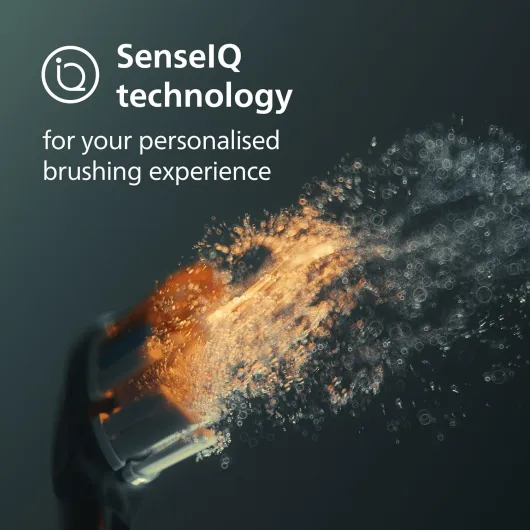
SenseIQ is the headline feature, and in practice it’s useful but not revolutionary. The handle senses pressure and motion and will lower intensity if you push too hard. You feel a small drop in vibration strength and see the light ring flash. The first week, it went off a few times because I was used to pressing more with my old brush. After that, it rarely triggered, which means it did help me adjust my technique. Is that alone worth the price jump over a mid‑range Sonicare with a basic pressure sensor? For most people, probably not, but it’s not useless either.
Bluetooth and the app are where the product feels the most “overdesigned” for what is essentially brushing your teeth. You have to remember to keep your phone nearby, open the app, and connect it just to see a somewhat inaccurate map of where you brushed. The smart brush head tracking that tells you when to replace the head is actually the most useful app feature, but it’s also there to remind you to buy more of their expensive heads. Overall, performance as a toothbrush is very solid; performance as a smart gadget is decent but nothing special.
What you actually get in the box (and what feels like upsell bait)
Out of the box, the Philips Sonicare 9900 Prestige definitely feels like a premium kit. You get the handle, the charging base, a USB charging travel case, and in this version supposedly 4 A3 Premium All‑in‑One heads (though in some markets people only get 1 head, which is a bit stingy for the price). The whole thing comes in a proper box, not some flimsy blister pack, and the unboxing feels closer to a phone than a toothbrush.
The handle itself is slim, fairly light and looks pretty clean on the bathroom counter. There’s just one physical button, and most of the settings are handled either through that button or via the app. Philips clearly wants this to feel like a “smart” object, not just a tool. You’ve got 5 modes (Clean, White+, Gum Health, Deep Clean, Sensitive) and 3 intensity levels. In practice, I used two modes 95% of the time: Clean in medium intensity for everyday, and Gum Health when my gums felt a bit irritated.
The travel case is one of the more practical bits of the set. It has USB charging, so you can plug it into a power bank or laptop when you travel. It’s covered in faux/vegan leather in a color matching the handle and looks more like a glasses case than a toothbrush box. It actually made me more likely to take the electric brush on trips instead of falling back to a manual one. That said, needing to remember a separate cable instead of having a built‑in USB‑C in the case is slightly annoying, especially if you already travel with a mess of chargers.
On paper, the package looks complete: brush, case, stand, heads, app. In reality, this is also clearly designed as a long‑term money machine for Philips. The A3 heads are good, but they are not cheap at all, and the brush is constantly nudging you (via the app and internal counter) to replace them on schedule. If you’re already annoyed by overpriced razor blades, expect the same feeling here. The base kit is nice, but the whole ecosystem is built to keep you spending.
Cleaning performance: teeth feel great, app is mostly hype
Let’s talk about what actually matters: does it clean well? Short answer: yes, it does a very good job. After the first proper 2‑minute session in Clean mode, my teeth had that smooth, just‑left‑the‑dentist feeling. After a few days of using it twice a day, I noticed less plaque build‑up around the gum line and between teeth, especially compared to my older brush. The A3 Premium All‑in‑One heads seem to do a solid job of handling plaque, surface stains and gum line cleaning without you needing three different head types.
Philips claims stuff like “up to 20x more plaque removal” and “up to 100% more stain removal in 2 days”. I can’t measure that precisely, but I can say: my teeth definitely looked a bit brighter on the front surfaces after about a week, just from my normal brushing plus my usual coffee habit. It’s not some dramatic whitening like an in‑office treatment, but surface stains from tea and coffee seemed to reduce a bit faster than with my older brush. The White+ mode is a bit more intense, and I only used it a few times a week; using it every day felt unnecessary for me.
The gum‑focused modes are actually useful. On days when my gums felt a bit inflamed, switching to Gum Health or Sensitive mode made the experience gentler without feeling like I was just moving foam around. The SenseIQ feature that reduces intensity when you press too hard is subtle but helpful. I intentionally pressed harder a few times to see what would happen, and you can feel the brush slightly back off. Combine that with the light ring warning you, and it does nudge you towards better habits, especially if you tend to scrub like you’re cleaning a pan.
Now, the app. The idea is nice: real‑time tracking, coverage feedback, pressure history, brush head usage, etc. In practice, the tracking is not very accurate. It often thinks you missed spots even when you clearly didn’t, and if you stop and restart, it will sometimes log it as separate sessions. After about a week, I mostly ignored the live map and just used the app occasionally to check how worn the head was and whether I was over‑pressing. So, as a cleaning tool, the 9900 is solid and genuinely better than a basic electric brush. As a “smart” device, it’s more of a novelty; helpful at the beginning, then you forget about it.
Pros
- Cleans very well: teeth feel noticeably smoother and gums handled gently with multiple modes
- Quieter and more comfortable than many oscillating Oral‑B models
- Good travel setup with USB charging case and compact stand
Cons
- Very expensive at full price, with high ongoing cost for replacement heads
- Smart app features and mouth tracking are basic and not very accurate
- Durability concerns reported by users around the 2‑year mark, and only standard warranty
Conclusion
Editor's rating
After a few weeks using the Philips Sonicare DiamondClean 9900 Prestige, my take is pretty straightforward: as a toothbrush, it’s very good; as a purchase, it really depends on your budget and how much you care about the extra tech. My teeth felt cleaner and smoother than with my older brush, my gums were a bit happier, and the whole experience (noise, vibrations, travel case) was pleasant. The SenseIQ pressure control and the light ring do genuinely help if you tend to brush too hard, and the different modes cover most needs without you having to think too much once you’ve found your favorite.
Where it’s less convincing is the price and the “smart” side. The app is okay for the first week, then it’s mostly a gimmick. The tracking isn’t very accurate, and the most useful part is just the brush head counter and pressure history. Replacement heads are pricey, and there are enough user reports about issues around the 2‑year mark to raise some doubts about long‑term durability. If you grab it on a big discount and register for extended warranty, it starts to look like a solid high‑end option. At full price, I’d only recommend it to people who really care about premium design, quieter sonic brushing, and travel convenience, and who are fine with ongoing head costs. If you just want a reliable electric brush that cleans well, you can save a lot of money with a simpler Sonicare or Oral‑B and not lose much in terms of actual oral health.