Smart features and app integration that actually improve oral care
Smart features in the best electric toothbrushes with Bluetooth focus on three pillars. They help you brush every tooth surface evenly, they protect gums with pressure control, and they extend brush head performance through timely replacement reminders. A Bluetooth electric toothbrush with a well designed app can turn vague oral advice into specific daily actions.
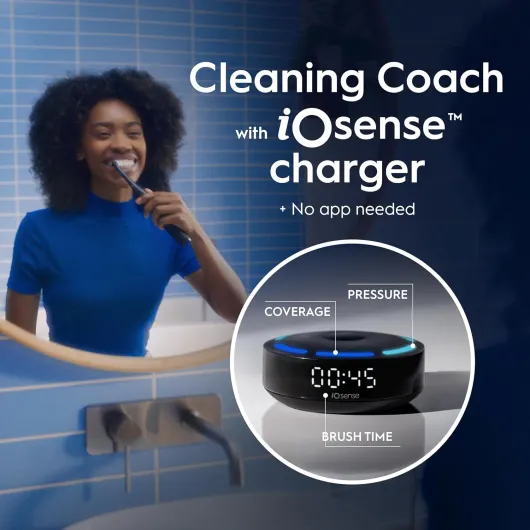
Leading brands such as Philips Sonicare and Oral-B iO or Oral-B Pro series models use Bluetooth to map where the brush head moves in your mouth. When the toothbrush senses that some teeth or gum lines are missed, the app highlights those zones and suggests different cleaning modes or a slower brushing rhythm. This kind of toothbrush with app support is reshaping daily oral care by linking each electric vibration to a clear visual guide on your screen.
App integration also helps you manage battery life, track days between charges, and log how often you change brush heads. A smart electric toothbrush can send alerts when replacement heads are due, when the pressure sensor detects aggressive brushing, or when the minute timer shows that you cut sessions short. Over time, these oral insights help you choose the best electric settings, the right brush head style, and a realistic price level for future electric toothbrushes.
How Bluetooth tracking, pressure sensors, and timers guide better technique
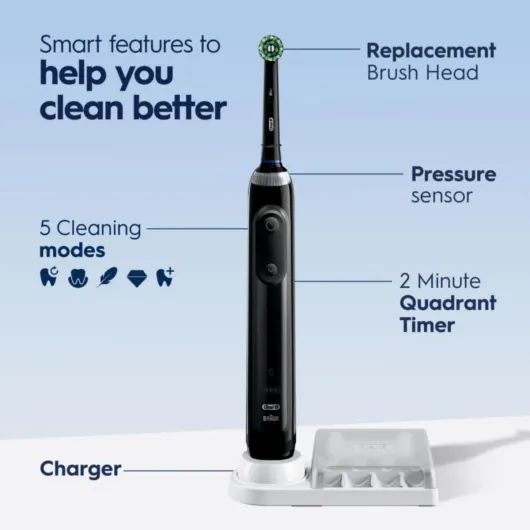
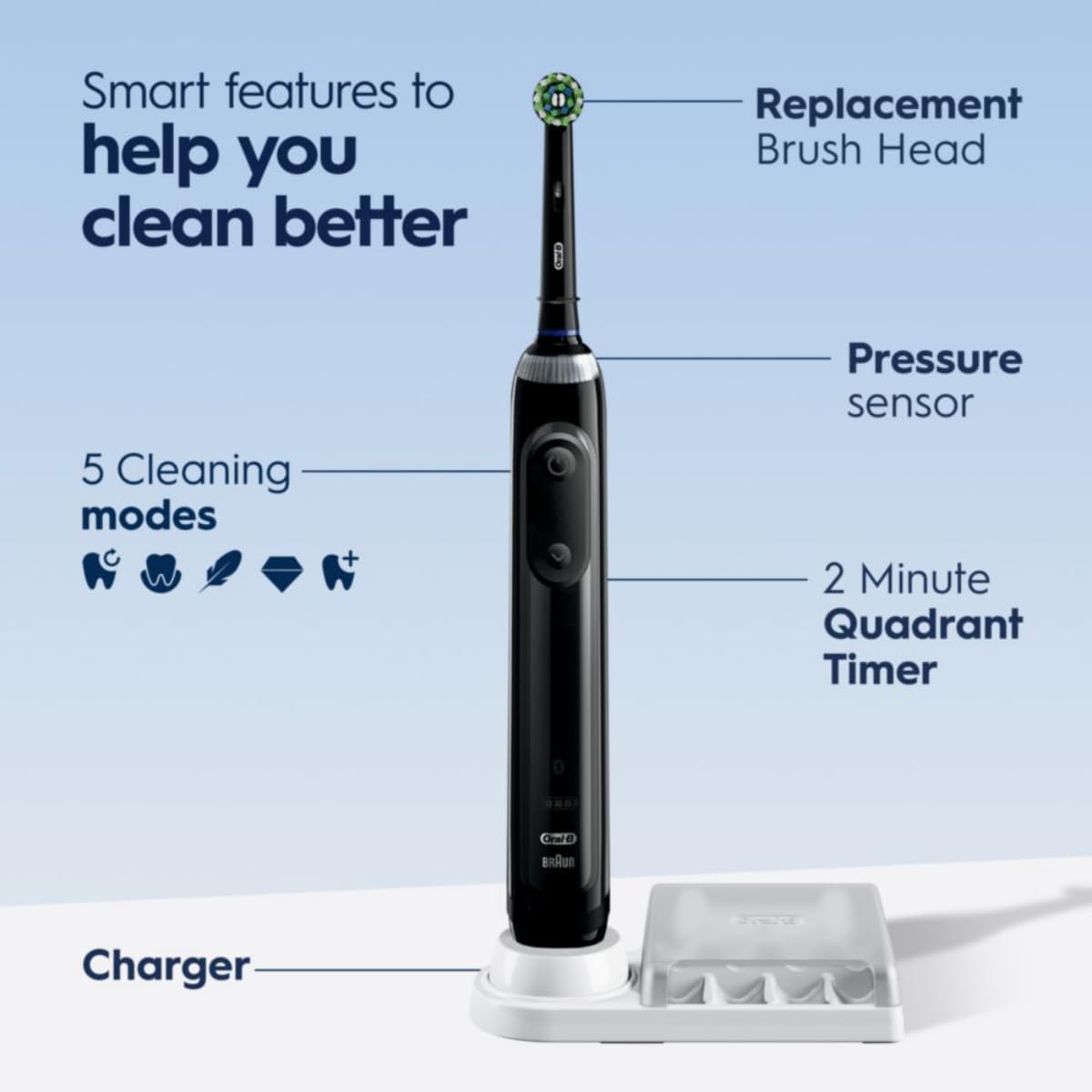
Bluetooth tracking in the best electric toothbrushes with Bluetooth works hand in hand with sensors. A pressure sensor inside the toothbrush handle measures how hard you press against teeth and gums, then sends that data to the app. When the electric motor detects too much pressure, it can reduce power, flash a light, or vibrate differently to protect your oral tissues.
Minute timer functions are another quiet hero in every smart electric toothbrush. Many models split the two minute brushing time into four equal segments, prompting you to move the brush head from one quadrant of the mouth to the next. When this timer data appears in the Bluetooth app, you can see whether you rush some areas, neglect back teeth, or over focus on the front where cleaning feels easier.
Some advanced Oral-B iO and Philips Sonicare models combine these tools with detailed brushing maps. Smart toothbrushes track everything, but the key question is whether all that data makes you brush better, and consistent app feedback usually does. Over several days and weeks, you learn to adjust cleaning modes, angle the brush with more care, and choose brush heads that match your teeth sensitivity and gum health.
Comparing leading Bluetooth electric toothbrush ranges and their smart ecosystems
Among the best electric toothbrushes with Bluetooth, Philips Sonicare and Oral-B dominate the conversation. Philips Sonicare models often use sonic technology that creates a gentle sweeping motion, while many Oral-B Pro and Oral-B iO brushes rely on oscillating rotating heads for a different cleaning feel. If you want to understand what oscillating, rotating, and sonic actually feel like in your mouth, a detailed guide to brushing sensations can help you compare these technologies before buying.
Within the Philips Sonicare family, the Philips Sonicare Prestige line stands out for its adaptive intensity control and refined app coaching. A Sonicare Prestige electric toothbrush can adjust power automatically when the pressure sensor detects hard brushing, then log that event in the app so you can review patterns later. These smart features work best when you pair them with the correct brush head, regular replacement heads, and a realistic view of price versus long term oral benefits.
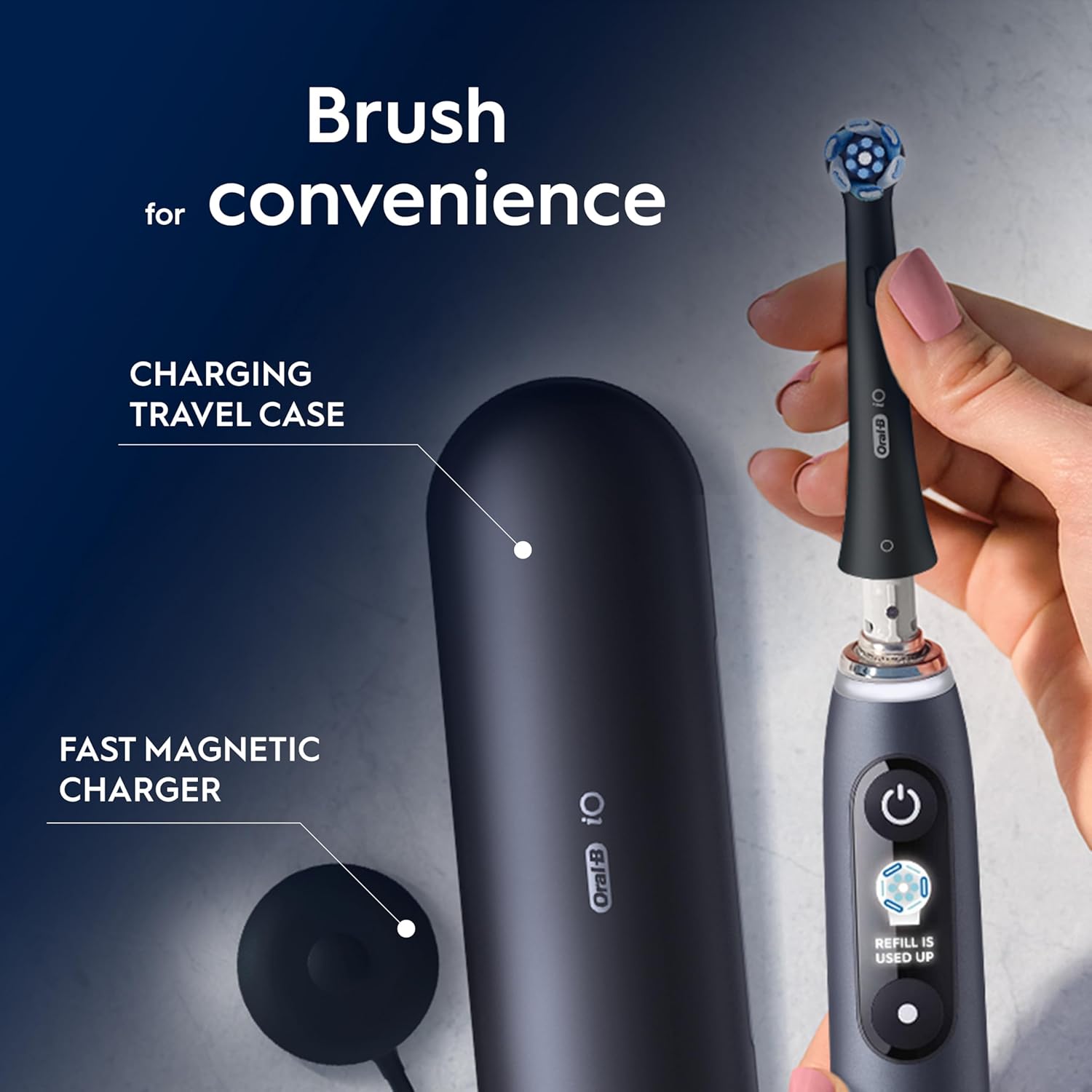
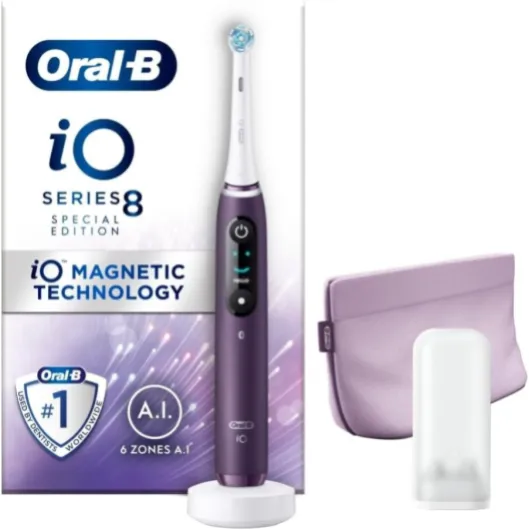
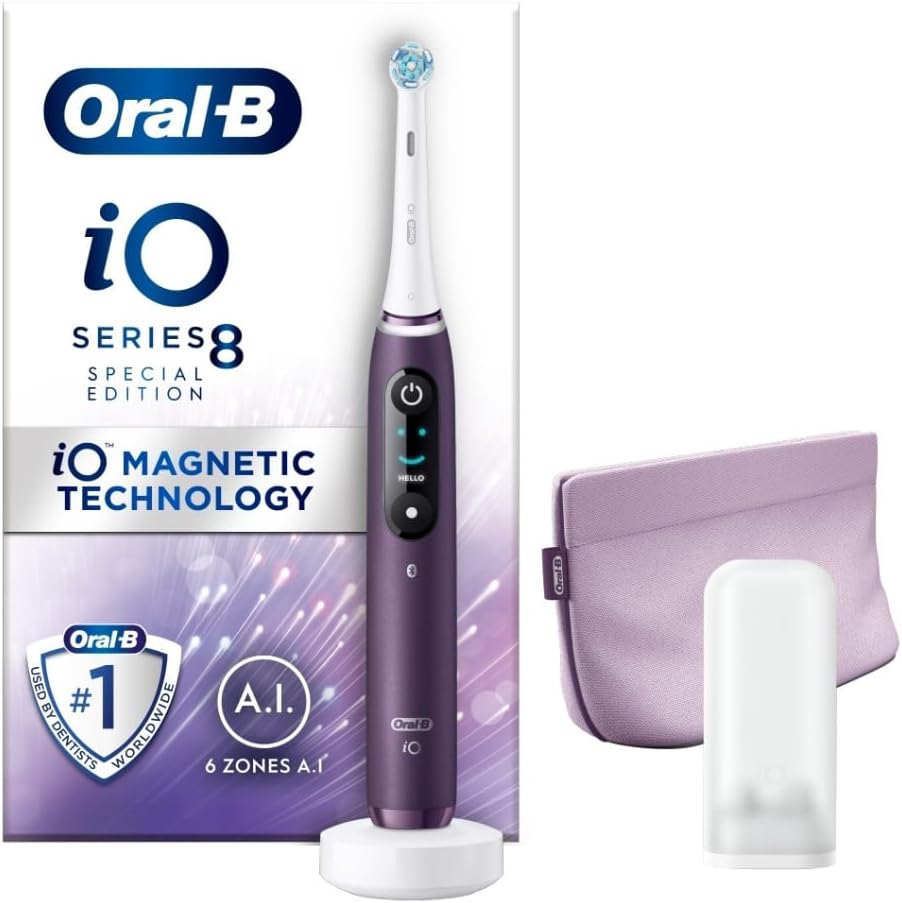
Oral-B Pro and Oral-B iO models with Bluetooth often emphasise multiple cleaning modes, robust battery life, and a sturdy travel case for frequent travel. Their apps reward consistent brushing with streaks and badges, which can motivate users who struggle with routine. Whether you choose Philips Sonicare, an Oral-B series, or another best electric brand, focus on how the toothbrush with Bluetooth, the app design, and the brush heads ecosystem fit your daily habits.
Evaluating price, battery life, and accessories for real world use
Price differences between the best electric toothbrushes with Bluetooth can be significant. Premium electric toothbrush models such as Philips Sonicare Prestige often cost more upfront but include advanced pressure sensors, refined cleaning modes, and high quality brush heads. Mid range toothbrushes may offer fewer smart features yet still provide strong cleaning and a reliable battery.
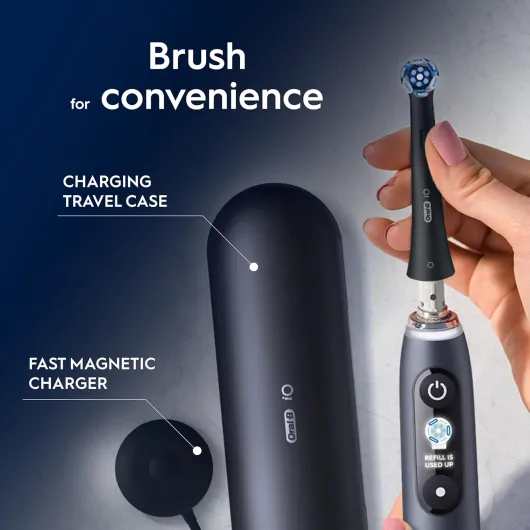
Battery life is a practical factor that shapes how you use an electric toothbrush every day. Some models promise several days or even weeks between charges, which matters if you travel often or dislike constant charging. When you compare electric toothbrushes, check whether the stated battery life matches independent tests and whether the toothbrush includes a compact travel case that protects the brush head and handle.
Accessories also influence long term value, especially when you factor in replacement heads and compatible brush heads. A toothbrush with an included travel case, multiple brush head types, and a clear indicator for when to change each head can reduce oral care costs over time. To identify the best electric option for your budget, weigh the initial price against ongoing spending on brush heads, potential dental savings from better cleaning, and the convenience of smart Bluetooth guidance.
Notable niche models and what they offer different types of users
Beyond the major oral care brands, several niche models compete for a place among the best electric toothbrushes with Bluetooth. The Quip Smart and Quip Smart Electric Toothbrush ranges, for example, focus on slim design, simple cleaning modes, and a lightweight travel case that doubles as a stand. Their electric motors are less intense than some Philips Sonicare or Oral-B brushes, which may appeal to users with sensitive teeth or gums.
Some smart toothbrushes target users who want minimalist apps rather than complex dashboards. A compact electric toothbrush with a single minute timer, a basic pressure sensor, and straightforward brush head options can still improve oral health when used consistently. For these buyers, the best electric choice balances gentle cleaning, reasonable price, and enough Bluetooth feedback to correct obvious brushing mistakes.
Other users prioritise design details such as quiet motors, textured grips, or eco friendly replacement heads. They may choose a brush with fewer cleaning modes but a strong ADA Seal of Acceptance, signalling that the toothbrush meets recognised oral care standards. When you assess these niche electric toothbrushes, consider how often you travel, how sensitive your teeth feel, and whether the Bluetooth features genuinely help you brush better rather than simply adding another app to your phone.
Key statistics about smart electric toothbrush adoption
- Market research from Grand View Research reports that the global electric toothbrush market exceeded 3 billion euros in annual revenue, with smart Bluetooth models representing a rapidly growing share of new sales (Grand View Research, “Electric Toothbrush Market Size, Share & Trends,” 2022, grandviewresearch.com).
- Surveys published by the American Dental Association indicate that people using an electric toothbrush with a built in timer are significantly more likely to reach the recommended two minutes of brushing compared with manual toothbrush users (American Dental Association, “Oral Health and Well-Being in the United States,” 2015, ada.org).
- Clinical trials referenced by Philips show that sonic style brush heads can remove more plaque along the gumline than many manual brushes when users follow guided cleaning modes (Philips Sonicare, “Plaque Removal and Gum Health Clinical Summaries,” 2019, philips.com).
- Consumer testing by independent organisations has found that models with a pressure sensor reduce signs of gum abrasion in frequent brushers compared with similar electric toothbrushes without pressure feedback (for example, testing reported by Consumer Reports, “Electric Toothbrush Ratings & Reliability,” 2021, consumerreports.org, and comparable product review labs).
- Travel focused studies from oral care brands suggest that users are more likely to maintain twice daily brushing routines when their electric toothbrush includes a protective travel case and a battery life of at least ten days per charge (internal brand usage surveys and follow up questionnaires summarised in manufacturer white papers between 2018 and 2021).
Trusted sources for further reading
American Dental Association (ADA) ; Cochrane Oral Health ; Consumer Reports oral care testing.


![Sonicare 7100 Electric Toothbrush, Sonic Toothbrush with App, 4 Brushing Modes and 3 Intensity Levels, Pressure Alert, EasyStart, SmarTimer, Navy Blue, Model HX7423/01 [New Technology] Sonicare 7100, Navy, 2 Brush Heads](https://www.electric-toothbrush-guru.com/storage/886063/conversions/716cWACgncL._AC_SL1500_-medium.webp)
![Sonicare 7100 Electric Toothbrush, Sonic Toothbrush with App, 4 Brushing Modes and 3 Intensity Levels, Pressure Alert, EasyStart, SmarTimer, White and Navy, 2 Pack, HX7429/01 [New Technology] Sonicare 7100, Dual Pack, Navy/Black](https://www.electric-toothbrush-guru.com/storage/1012721/conversions/71vNjog50vL._AC_SL1500_-medium.webp)


![Sonicare 7100 Electric Toothbrush, Sonic Toothbrush with App, 4 Brushing Modes and 3 Intensity Levels, Pressure Alert, EasyStart, SmarTimer, Navy Blue, Model HX7423/01 [New Technology] Sonicare 7100, Navy, 2 Brush Heads](https://www.electric-toothbrush-guru.com/storage/886063/716cWACgncL._AC_SL1500_.jpg)
![Sonicare 7100 Electric Toothbrush, Sonic Toothbrush with App, 4 Brushing Modes and 3 Intensity Levels, Pressure Alert, EasyStart, SmarTimer, White and Navy, 2 Pack, HX7429/01 [New Technology] Sonicare 7100, Dual Pack, Navy/Black](https://www.electric-toothbrush-guru.com/storage/1012721/71vNjog50vL._AC_SL1500_.jpg)