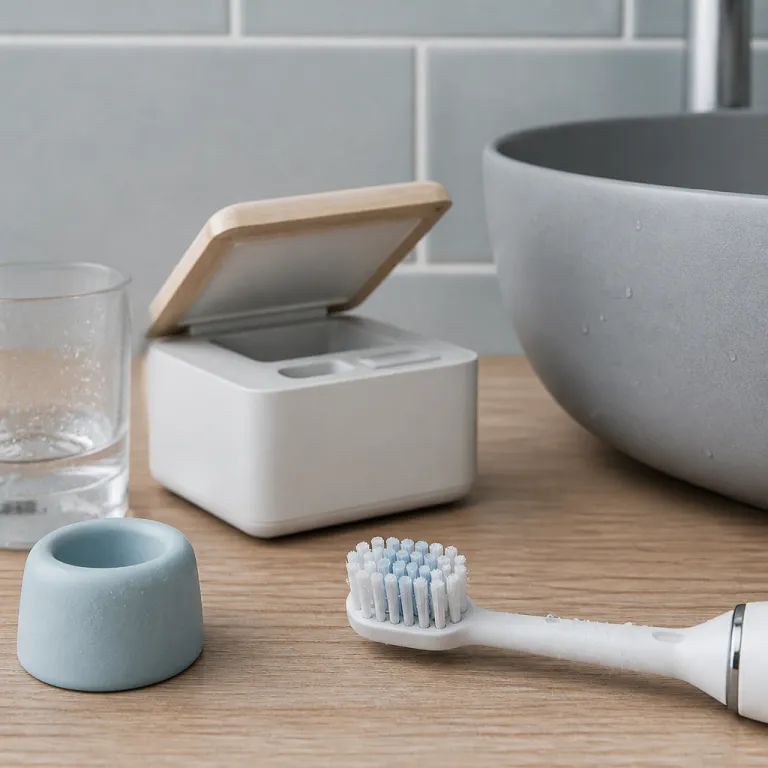
What UV light really does to your toothbrush bristles
Ultraviolet C light damages the DNA of bacteria on a toothbrush so they cannot reproduce. In controlled tests, a focused UV toothbrush sanitizer can reduce the total microbe count on brush heads by up to 99.9 percent, but that figure reflects ideal lab conditions rather than the messy humidity of a family bathroom. For everyday users trying to keep a toothbrush clean, that gap between laboratory promise and real oral hygiene practice is where the value question starts.
Most electric toothbrushes already rinse reasonably clean under running tap water, and the mechanical action of the brush plus toothpaste does far more for oral health than any add on sanitizer ever will. When you rinse a tooth brush thoroughly, shake off excess water, and let the toothbrush head air dry upright in a simple toothbrush holder, the remaining bacteria rarely threaten a healthy immune system. In that context, a toothbrush sanitizer or a set of toothbrush sanitizers acts as a risk reducer at the margins rather than a core oral care tool.
UV toothbrush sanitizer worth it is a phrase that often appears in online reviews, yet many people read those reviews without understanding what the light actually changes. The UV light does not remove food debris, hardened plaque, or staining from brushes, and it cannot compensate for worn bristles or poor brushing technique. If your brush heads are frayed, your rechargeable battery is dying after two days, or your brushing time is too short, upgrading those basics will usually improve dental outcomes more than adding a wall mounted UV box.
Lab claims versus bathroom reality: when 99.9 percent matters
Manufacturers often report that their toothbrush sanitizers kill 99.9 percent of bacteria, yet that number usually comes from tests on a single type of microbe placed directly under the light. In a real bathroom in the United States, a toothbrush sits near tap water splashes, aerosol from toilets, and the warm moisture of daily showers, so new bacteria can land on the bristles minutes after a sanitizing cycle ends. That means the impressive reduction in total germ count is temporary, and the benefit depends heavily on how you store and keep toothbrush heads between uses.
Clip on UV cases sold on Amazon and bundled with some premium brushes typically run a three to five minute cycle, then shut off to save the rechargeable battery, leaving the brush to dry in a semi closed space. If the toothbrush holder or wall mount blocks airflow, you may end up keeping toothbrush bristles damp for longer, which is not helpful for oral hygiene even if the last cycle killed most bacteria. A simple open stand that lets a toothbrush clean and dry freely can sometimes rival a high tech sanitizer in practical oral care outcomes.
For people recovering from illness or living with immunocompromising conditions, the calculus shifts, and the question UV toothbrush sanitizer worth it deserves a more cautious read. In those cases, reducing the bacterial load on toothbrushes and on each toothbrush head can be a reasonable extra layer of protection, especially in shared bathrooms. If that is your situation, pairing a UV toothbrush sanitizer with careful routines such as using hydrogen peroxide occasionally to rinse toothbrush bristles and replacing brush heads more often can offer a fuller hygiene strategy than relying on light alone.
When you already invest in a quality electric toothbrush, it also pays to match the right accessories, from mouthpiece cleaners to storage. A detailed guide such as the ultimate guide to choosing the right mouthpiece cleaner helps you weigh whether a sanitizer, a travel case, or a better stand will actually improve your daily routine. The key is to judge each add on by its real impact on brushing comfort, cleaning performance, and long term oral health rather than by a single percentage on the box.
Who genuinely benefits from UV toothbrush sanitizers
Not every household needs a toothbrush sanitizer, but some situations make the upgrade more rational than gimmicky. People who share cramped bathrooms, live in dorms, or store toothbrushes close to toilets may appreciate the extra barrier against airborne bacteria, especially when several toothbrushes and brush heads cluster together on a shelf. In those environments, a compact wall mounted or wall mount sanitizer that encloses each toothbrush head between uses can reduce cross contamination and keep toothbrush handles from touching.
Immunocompromised users, patients undergoing chemotherapy, and older adults with complex dental histories often receive stricter oral care advice from clinicians, and a UV toothbrush sanitizer worth it assessment leans more strongly toward yes for them. While dentists still emphasize basic steps such as rinsing with tap water, letting brushes dry, and replacing a tooth brush every three months, they may also support using UV light or hydrogen peroxide rinses as part of a broader infection control plan. In that context, a sanitizer becomes one tool among many, not a magic shield, but a helpful addition to careful oral hygiene.
Some electric toothbrush systems integrate sanitizing directly into their charging bases, such as the AquaSonic Duo Pro, which parks two brushes and runs UV cycles automatically. Others, like the SURI 2.0, build a travel case with a UV light and a cable included for charging, aiming to keep toothbrush clean while you move between hotels and offices for days at a time. If you already value quiet motors, long rechargeable battery life, and compact storage, these integrated designs can feel like a natural extension of a thoughtful oral health setup rather than a separate gadget to manage.
For users who are already exploring advanced cleaning tools, a UV unit can sit alongside devices such as an at home dental ultrasonic cleaner. Resources like this overview of how a dental ultrasonic cleaner elevates everyday oral care show how multiple technologies can work together without overlapping unnecessarily. The goal is to build a coherent routine where each device, from brushes to sanitizers, earns its place by improving either hygiene, comfort, or convenience in a measurable way.
When UV sanitizing is overkill for your electric toothbrush
Healthy adults who brush twice daily with a well maintained electric toothbrush usually gain little extra protection from a sanitizer. If you rinse toothbrush bristles thoroughly with tap water, store the brush upright in a ventilated toothbrush holder, and avoid closed travel caps between uses, the everyday bacterial load rarely threatens your oral health. In that scenario, the main drivers of dental outcomes remain brushing time, technique, fluoride toothpaste, and regular checkups, not the presence or absence of UV light around your brushes.
Many Amazon best seller lists now highlight toothbrush sanitizers, and the marketing language can make a UV toothbrush sanitizer worth it feel almost mandatory. Yet dentists consistently remind patients that simple habits such as replacing each toothbrush head every three months, avoiding shared brushes, and not storing toothbrushes in sealed, damp cases do more for oral hygiene than any gadget. For most people, spending the same money on spare brush heads, professional cleanings, or a higher quality brush with a pressure sensor will yield a better return than buying a wall mounted sanitizer that mostly gathers dust.
There is also the risk of false reassurance when a device promises a 99.9 percent reduction in bacteria and flashes a reassuring light after each cycle. Some users stretch the life of worn toothbrushes because they feel the sanitizer keeps them safe, even as the bristles lose their ability to remove plaque effectively. A more balanced approach is to treat a toothbrush sanitizer as optional, and to prioritize a solid electric brush, a reliable rechargeable battery that lasts several days, and a storage setup that keeps toothbrushes separated and dry.
If you are choosing between accessories, a guide on how to choose the right toothbrush head will usually influence cleaning results more than any sanitizer purchase. Matching the right bristle shape and stiffness to your gums and enamel can change how your mouth feels after every session. That kind of upgrade affects both comfort and plaque removal, while UV devices mainly adjust the invisible microbe count on already clean bristles.
Cost, convenience, and how to read online reviews
From a budget perspective, a UV toothbrush sanitizer competes with many other oral care upgrades, and the value depends on your priorities. A basic clip on unit with a rechargeable battery and a cable included for charging may cost less than a premium toothbrush head multipack, while a full wall mounted station that holds several toothbrushes and brush heads can rival the price of a mid range electric brush. When you weigh those totals, ask whether reducing invisible bacteria for a few days at a time matters more to you than a better brushing feel every morning.
Online reviews and each long post about a toothbrush sanitizer can be helpful, but they often blur the line between hygiene and peace of mind. Many users in the United States praise the feeling of using toothbrush sanitizers more than any measurable change in dental checkups, and they rarely report fewer cavities or gum issues directly linked to the device. When you read those reports, look for details about build quality, ease of mounting, whether the wall mount or wall mounted design keeps toothbrush handles stable, and how often the rechargeable battery needs charging.
For a more grounded view, compare how people describe their daily routine before and after adding a sanitizer, and note whether they changed other habits at the same time. If someone started flossing, switched toothpaste, and bought a new electric brush, you cannot attribute better oral health solely to the UV light, no matter how glowing the reviews sound. Treat a toothbrush sanitizer as one small variable in a complex oral hygiene system, and decide whether that variable earns a place in your bathroom based on your health status, living situation, and tolerance for extra gadgets.
FAQ
Is a UV toothbrush sanitizer worth it for most healthy adults?
For most healthy adults with no immune problems, a UV toothbrush sanitizer is usually not essential. Rinsing the brush with tap water, letting it air dry upright, and replacing the toothbrush head regularly provide strong protection. In these cases, investing in a better electric toothbrush or more frequent dental checkups often delivers more tangible benefits.
Can UV light damage my toothbrush or brush heads over time?
Short UV cycles used in consumer toothbrush sanitizers are generally too weak to damage bristles quickly. Over many months, there may be minor material fatigue, but most people replace brush heads long before that becomes an issue. If a manufacturer warns against excessive exposure, follow their guidance and avoid running unnecessary extra cycles.
Do UV toothbrush sanitizers kill all germs on the bristles?
No consumer sanitizer can guarantee a completely germ free toothbrush, even when it claims a 99.9 percent reduction. Those figures usually come from tests on specific bacteria under controlled conditions, not from real bathrooms. New microbes can land on the bristles soon after a cycle ends, so the effect is significant but temporary.
When should I seriously consider buying a UV toothbrush sanitizer?
A UV sanitizer becomes more reasonable if you are immunocompromised, recovering from serious illness, or sharing a crowded bathroom where toothbrushes sit close together. In these situations, reducing the bacterial load on bristles can be a useful extra layer of protection. It should still complement, not replace, good brushing habits and regular dental care.
Are built in UV sanitizers better than standalone units?
Built in systems integrated into a charging base or travel case are usually more convenient because they fit naturally into your existing routine. Standalone units can work just as well, but they add another device to charge, mount, and clean. The best choice is the one you will actually use consistently without disrupting your daily brushing habits.