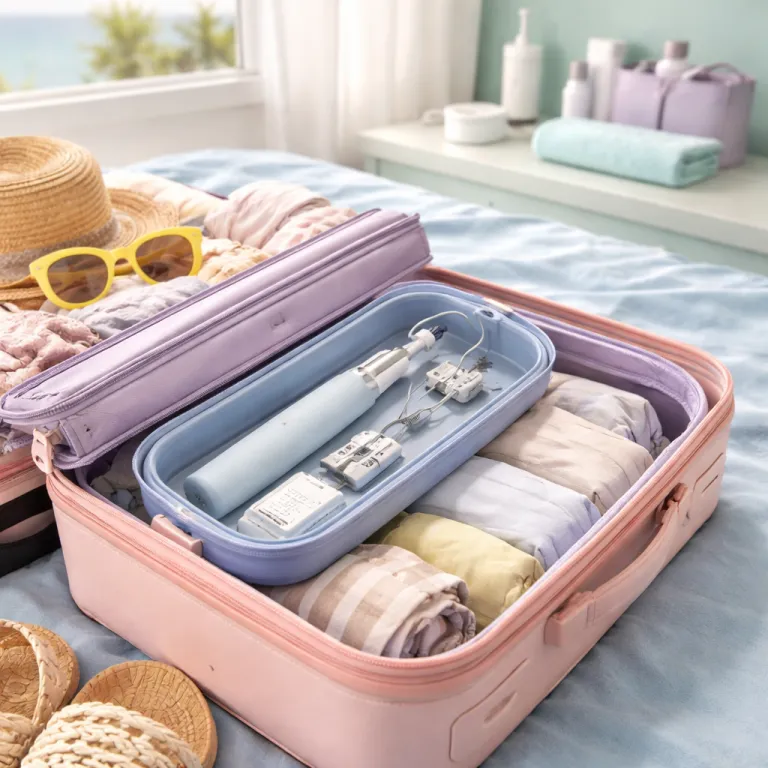
Why battery life decides the best travel electric toothbrush
For summer trips, the best travel electric toothbrush is the one you never need to charge mid‑holiday. When you compare a compact sonic toothbrush with a chunky oscillating rechargeable electric model, the real differentiator is not the brush feel but the practical battery life over a full two‑week travel itinerary. A toothbrush that dies on day five turns every airport socket into a priority and quietly pushes you back toward manual brushing habits.
Look first at stated battery duration, then cut the marketing claim by roughly a third to estimate real‑world performance. Independent lab tests and long‑term user reviews consistently show that a Philips Sonicare ProtectiveClean‑class handle rated for three to four weeks usually gives a realistic 18 to 21 days of twice‑daily use, while many Oral‑B Pro and iO‑style oscillating electric toothbrushes top out at roughly 10 to 14 days before the low‑battery warning light appears. Fairywill FW‑507 and similar Aquasonic‑style sonic toothbrush models are frequently reported in consumer runtime tests to stretch close to a 25 to 30 day battery on one charge, which makes them strong candidates for a dedicated toothbrush travel setup.
Battery chemistry matters as much as capacity when you plan long travel. A modern rechargeable toothbrush with a lithium‑ion cell typically holds charge better in a hot car or cabin than older nickel‑metal hydride electric toothbrushes, which self‑discharge more noticeably during long travel days. If you still use AA‑powered sonic toothbrush products, pack spare cells in your case, store them in your carry‑on rather than checked luggage, and factor that price and environmental impact into whether this is really your best travel electric toothbrush choice.
Summer also exposes weak charging ecosystems. A brush that needs a proprietary stand and a fragile supply chain of replacement cables is less useful than a rechargeable electric toothbrush that tops up via USB‑C from the same power bank as your phone. When you compare price and star ratings on Amazon or another retailer, read verified reviews that mention measured battery life on the road rather than only home bathroom use. The best travel electric toothbrush for you is the one that finishes the trip with charge to spare and still drives consistent oral hygiene.
Quick comparison of popular travel‑friendly electric toothbrushes
| Model family | Typical real‑world runtime* | Charging type | Approx. weight (handle + head) | Price band |
|---|---|---|---|---|
| Philips Sonicare ProtectiveClean‑class | 18–21 days (2×2‑minute brushes) | Inductive proprietary base | ~130–140 g | Mid‑to‑high |
| Oral‑B Pro / iO‑class | 10–14 days (2×2‑minute brushes) | Proprietary stand or magnetic puck | ~135–155 g | Mid‑to‑premium |
| Fairywill FW‑507 & similar compact sonic brushes | 25–30 days (2×2‑minute brushes) | USB (micro‑USB or USB‑C) | ~95–110 g | Budget‑friendly |
*Figures based on aggregated independent runtime tests and long‑term owner reports rather than manufacturer claims.
Travel cases, brush heads and packing your oral routine
Once battery is sorted, the next travel electric decision is how your toothbrush survives your luggage. A slim travel case that protects the handle and one brush head is usually enough for a week away, while a bulkier charging case makes more sense for frequent flyers who treat their electric toothbrush as a daily carry item. Think about where the case will sit in your bag and whether it will share space with liquids that might leak onto the brush heads during a long travel day.
Charging travel cases for premium Philips Sonicare and Oral‑B iO‑style models add weight but remove charger anxiety. The Oral‑B iO Series 9, for example, includes a case that both shields the electric toothbrush and tops up the battery when plugged in, which can justify the higher price for some travellers. If you prefer a lighter toothbrush travel kit, a simple hard‑shell case around a compact rechargeable electric handle and two spare brush heads usually balances protection and portability.
Spare heads matter more on summer trips than most people expect. Chlorinated hotel water, beach sand and sunscreen residue can wear down a brush head faster, so packing at least one extra head in the travel case keeps your oral care consistent. If you are planning extended travel, consider how easy it is to find compatible Philips or Philips Sonicare brush heads at your destination, because a rare product with a fragile supply chain can leave you stuck with worn bristles.
Maintaining gum health away from home is not only about the electric toothbrush itself. If you are prone to tartar buildup, read a practical guide on how to safely remove tartar from teeth for healthier gums before you leave, then match your brushing modes and pressure sensor settings to that advice. The best travel electric toothbrush will support your existing routine with clear brushing modes, a gentle pressure sensor and a case that makes it easy to unpack and repack twice a day without excuses.
TSA rules, lithium batteries and whether you need a dedicated travel brush
Airline rules around an electric toothbrush are less intimidating than many travellers fear. Current Transportation Security Administration guidance and Federal Aviation Administration battery rules allow electric toothbrushes with built‑in lithium batteries in both carry‑on and checked bags, because the battery capacity in a typical rechargeable toothbrush is far below the 100 watt‑hour threshold that triggers special handling. That means your best travel electric toothbrush can usually ride in your cabin bag inside its travel case without any extra paperwork or declarations.
Where you pack it still matters for practical reasons. Keeping your toothbrush travel kit in your carry‑on protects the electric handle and brush heads from rough baggage handling, and it also lets you freshen up during long layovers or overnight flights. If you use a smart brush with Bluetooth features and smart‑tracking modes, remember that the wireless function must stay off during takeoff and landing under standard airline rules, although most toothbrushes only transmit when actively brushing.
The bigger strategic question is whether to buy a dedicated travel electric toothbrush or to pack your main daily driver. A separate compact sonic toothbrush such as a Fairywill FW‑507 or Aquasonic‑style model keeps your premium Philips Sonicare or Oral‑B handle safe at home, and the lower price makes loss or damage less painful. On the other hand, using one familiar electric toothbrush year‑round means your muscle memory, brushing modes and pressure sensor feedback stay consistent, which can be crucial if you are managing gum disease, implants or orthodontic work.
Cleaning and storage on the road deserve attention too. If you use ultrasonic cleaners or UV sanitising cases for your electric toothbrushes at home, check a detailed explainer on whether ultrasonic cleaners really work for dental devices and electric toothbrush care before investing in a travel version. For many people, rinsing the brush head thoroughly, letting it air‑dry outside the case whenever possible and wiping the travel case interior every few days strikes the right balance between hygiene and realistic travel habits.
Comfort, brushing feel and keeping your routine on holiday
Even the best travel electric toothbrush fails if you stop using it by day three. Comfort and brushing feel matter more on holiday, because you are brushing in unfamiliar bathrooms and often at odd hours after late dinners or early excursions. A handle that feels secure with wet hands, intuitive brushing modes and a quiet motor will see more use than a louder, harsher brush that feels like a chore.
People who switch between oscillating‑rotating and sonic toothbrush technologies often describe a different sensation on enamel and gums. If you are unsure how these technologies compare, read a clear guide on what oscillating, rotating and sonic actually feel like in your mouth before committing to a new rechargeable electric model. Matching the feel of your home toothbrush reduces the temptation to shorten sessions or skip the second daily brush when you are tired from travel.
Smart features can help, but only if they stay out of your way. App‑based coaching, smart reminders and real‑time pressure sensor alerts are useful during normal life, yet on a beach holiday you may not want to open an app every time you brush. In that context, a simple two‑minute timer, a long battery life and a compact travel case often beat a fully smart electric toothbrush with complex brushing modes that you never use.
Finally, think about value beyond the headline price and Amazon star rating. Free delivery on a rechargeable toothbrush or replacement brush heads is convenient, but long‑term environmental impact, durability and the reliability of the product supply chain should also shape your decision. The best travel electric toothbrush is not the one with the longest spec sheet, but the one that quietly fits your summer routine so well that you barely notice it until you realise your smile still feels like a normal Monday morning at home.
FAQ
Can I pack an electric toothbrush in my carry on bag ?
You can safely pack an electric toothbrush in your carry‑on or checked luggage. The lithium battery inside a typical rechargeable toothbrush is small enough that it does not trigger special airline restrictions under current TSA and FAA rules, and spare AA cells for battery‑powered models should travel in your hand luggage rather than in the hold. For convenience and protection, most travellers keep the brush and travel case in their cabin bag.
How long should the battery last on a travel electric toothbrush ?
For a two‑week summer trip, aim for an electric toothbrush with at least 14 days of realistic battery life. Sonic models such as many Philips Sonicare handles often reach three weeks between charges in independent tests, while some compact sonic toothbrush products stretch close to a full month. Choosing a brush with this level of endurance means you can usually leave the charger at home.
Is a dedicated travel toothbrush better than using my main brush ?
A dedicated travel electric toothbrush makes sense if you own an expensive smart model you would rather not risk losing or damaging. A lighter, cheaper sonic toothbrush with a simple travel case can stay permanently in your luggage and still deliver solid oral care. If you value consistent brushing feel and pressure sensor feedback, taking your main brush may still be the better choice.
Do I really need a travel case for my electric toothbrush ?
A travel case is not mandatory, but it protects the brush head from dirt and impact in your bag. Hard‑shell cases prevent accidental activation of the power button and keep moisture away from electronics. For frequent travellers, a well‑designed case quickly becomes part of a reliable toothbrush travel routine.
How many brush heads should I pack for a long trip ?
For trips up to two weeks, one brush head on the handle and one spare in the case is usually enough. Longer journeys or beach‑heavy holidays may justify packing a third head, especially if you use softer bristles that wear faster. Extra brush heads take little space and help you maintain your usual oral hygiene standard while away from home.