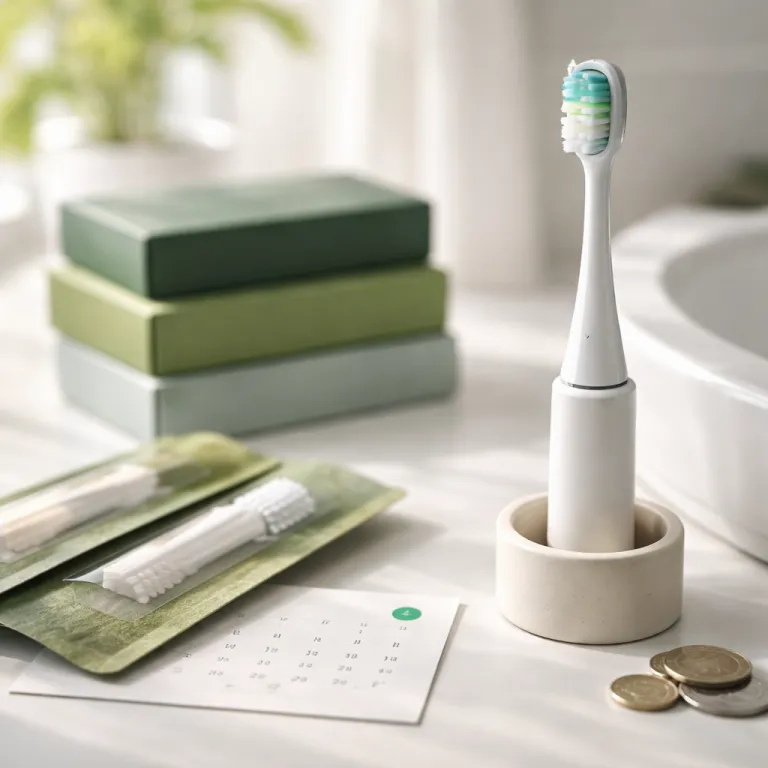
The real question behind “is a toothbrush subscription service worth it”
When people ask whether a toothbrush subscription service is worth it, they are really weighing control against convenience. A subscription promises that a fresh brush head will arrive every three months automatically, but it also quietly locks your oral health routine to one brand and one pricing structure. The right electric toothbrush can last for years, while the wrong subscription plan can drain your budget in months.
Take quip, Burst, and Colgate Hum, which all sell an electric toothbrush bundled with toothbrush subscriptions for brush heads and sometimes toothpaste. Their pitch is simple: you choose a toothbrush once, then the subscription service sends each replacement brush head on a fixed schedule so you never think about it again. That rhythm of three months between each toothbrush head change matches standard dental guidance for optimal hygiene, but the economics are less straightforward.
Quip and Burst typically charge a flat fee every three months for a new brush head and optional paste, while Philips and Philips Sonicare rely more on traditional retail sales of replacement heads. When you compare the annual cost of these subscription services with buying compatible brush heads in bulk, the answer to “is a toothbrush subscription service worth it” shifts depending on how disciplined you are. If you already set a calendar reminder to change your brush head on time, the automatic shipment will not save you money; it will simply automate a habit you already manage.
Lock-in is the hidden cost here, because each electric toothbrush uses a proprietary brush head mount that prevents easy switching. Once you have six months of quip or Burst heads in a drawer, you are less likely to jump to a Philips Sonicare or another electric toothbrush that might suit your gums better. That is how a seemingly harmless toothbrush subscription can shape your future purchase decisions long after the first charged payment clears.
For informed replacers who already own an electric toothbrush, the key is to separate the value of the brush from the value of the subscription. Your existing handle may still deliver excellent cleaning performance, but the ongoing price of replacement heads through a subscription service might quietly exceed the cost of buying compatible brush heads in bulk. Asking whether a toothbrush subscription service is worth it means looking beyond the sleek color options and travel case accessories to the long term cost per brush head.
Doing the math on quip, Burst, and Philips Sonicare
To decide whether a toothbrush subscription service is worth it, you need to compare annual costs, not just the first bill. Quip and Burst often advertise that their subscription services send a new brush head every three months for what sounds like a small fee, but those modest charges accumulate quickly over twelve months. Meanwhile, brands like Philips and Philips Sonicare sell multi packs of replacement heads that can undercut subscription pricing when you buy in bulk.
Consider a typical scenario where a quip electric toothbrush user pays for a subscription service that includes one replacement brush head every three months. As of early 2024, quip’s standard refill plan in the United States is about 7 US dollars per shipment for one brush head, or roughly 28 dollars per year for four heads, according to the company’s published pricing (pricing pages accessed January 2024). Over twelve months, that total often lands in the same range as buying a pack of four Philips Sonicare brush heads or Oral B equivalents on a marketplace, where multi packs commonly sell for 25 to 35 dollars based on major online retailer listings reviewed in 2024. The difference is that with toothbrush subscriptions you are paying for automation and convenience, while with bulk purchases you are paying once and then relying on your own discipline.
Some non subscription brands such as AquaSonic and Fairywill include six to eight brush heads in the box, which can cover eighteen to twenty four months of use at the standard three months per head. In that case, the “is a toothbrush subscription service worth it” question becomes sharper, because you are effectively prepaying for replacement heads at a discount without any ongoing subscription. When you add in the fact that many of these electric toothbrushes also include a travel case and long lasting battery, the value proposition looks stronger than a slim handle that relies on an AAA battery and recurring shipments.
Battery type matters too, because a handle powered by an AAA battery will incur its own replacement costs over time. A rechargeable electric toothbrush that stays charged for several weeks can reduce both waste and hassle, especially if you travel frequently. When you weigh these factors, the toothbrush subscription service value calculation should include not only brush head prices but also battery replacements, charging convenience, and the real cleaning performance you get for the money.
If you care primarily about plaque removal and gum health, you might be better served by choosing from the top electric toothbrushes for plaque removal and then buying compatible replacement heads in bulk. That approach lets you choose toothbrush models based on cleaning modes, pressure sensors, and sonic frequency rather than on the promise of automatic deliveries. In many cases, a toothbrush subscription service is worth it only for people who would otherwise forget to change a brush head for six months or longer.
Lock-in, flexibility, and what happens when you want to switch
The most overlooked part of the “is a toothbrush subscription service worth it” debate is what happens when your needs change. Maybe your dentist recommends a softer brush head, or you develop sensitivity that makes your current electric toothbrush feel too aggressive. If you are tied to a toothbrush subscription with six months of prepaid replacement heads, switching becomes psychologically and financially harder. Quip, Burst, and similar services design their brush heads to fit only their own handles, which means your drawer full of spare brush heads becomes sunk cost the moment you consider a Philips Sonicare or another sonic model. That proprietary design is not inherently bad, but it does mean that toothbrush subscriptions can nudge you to stay with a brand even when a different brush might improve your oral health. In that sense, a toothbrush subscription service is worth it only if you are confident that the handle, brushing feel, and cleaning performance will suit you for several years.
Travel habits add another layer, because some subscription focused brushes rely on an AAA battery while others use built in rechargeable cells. A handle that runs on an AAA battery can be convenient for short trips, but constantly buying new batteries over many months erodes the value of any subscription service tied to that brush. By contrast, a rechargeable electric toothbrush with a compact travel case and universal voltage charger may offer better long term value, even if you buy replacement heads separately.
There is also the question of support; if your handle fails, you will need to contact support and navigate warranty terms that may or may not align with your remaining stock of brush heads. With a more open ecosystem like Philips Sonicare, you can often find compatible brush heads from multiple suppliers, which softens the blow if you need to replace the handle. That flexibility makes a toothbrush subscription service worth it only in narrow cases where the subscription services genuinely undercut retail prices and the hardware itself is robust.
For people focused on gum health and tartar control, it can be smarter to invest in a high performing sonic or ultrasonic brush and then learn how to safely remove tartar from teeth with proper technique. In that scenario, toothbrush subscriptions become optional extras rather than the backbone of your oral health strategy. A toothbrush subscription service is worth it only when it supports, rather than dictates, your broader approach to cleaning and preventive care.
When auto ship genuinely helps, and when to walk away
There are situations where a toothbrush subscription service is worth it, but they are narrower than the marketing suggests. If you routinely forget to change your brush head for more than six months, an automatic shipment every three months can be a simple behavioral nudge that protects your oral health. In that case, the small premium you pay for subscription services might be cheaper than the long term cost of neglected gums and extra dental work.
Parents managing several children, caregivers supporting older relatives, or busy professionals who travel constantly may find that toothbrush subscriptions reduce cognitive load. When a new brush head arrives automatically, you do not need to remember the last time you changed it or schedule a time purchase for replacement heads. For these users, a toothbrush subscription service is worth it because it turns optimal hygiene into a default rather than an aspiration.
However, if you are the kind of informed replacer who already tracks battery life, charging cycles, and brush head wear, you can usually beat subscription pricing by buying in bulk. A pack of eight brush heads for a mainstream electric toothbrush can cover two full years of use, and a simple calendar reminder every three months will keep you on schedule. In that scenario, a toothbrush subscription service is worth it only if the per head cost is clearly lower than retail, not just similar.
For those exploring more advanced sonic or ultrasonic options, it is worth reading about refined ultrasonic toothbrush technology and then deciding whether any attached subscription service aligns with your needs. Many high end electric toothbrushes now include smart timers, pressure sensors, and multiple modes that do more for your oral health than an auto ship plan ever will. A toothbrush subscription service is worth it only when it complements a well chosen handle, not when it compensates for a mediocre one.
Ultimately, the best way to choose toothbrush hardware and services is to start with your mouth, not with marketing. Think about your gum sensitivity, your brushing habits, your travel patterns, and your willingness to manage small recurring tasks like buying a replacement brush. Then ask whether a toothbrush subscription service is worth it for you personally, or whether a one time investment in a robust handle, quality brush heads, and a simple reminder on your phone will serve you better over the next several months and years.
Key figures on electric toothbrush subscriptions and oral health
- Dentists commonly recommend replacing a brush head every three months, which means four replacement heads per year for each electric toothbrush user (guidance from major dental associations such as the American Dental Association and similar bodies, accessed 2023–2024). This schedule underpins most toothbrush subscriptions that ship quarterly, aligning subscription services with clinical advice rather than arbitrary marketing cycles. When you evaluate whether a toothbrush subscription service is worth it, check that the shipment frequency matches this three month interval.
- Original equipment manufacturer brush heads for leading brands such as Philips Sonicare and Oral B typically cost between 6 and 15 US dollars per head when bought in multi packs, according to major online retailers surveyed in 2024. Subscription brands often advertise per head prices in the 5 to 8 US dollar range, but that figure may include bundled toothpaste or shipping that complicates direct comparisons. Calculating your annual spend across twelve months is the only reliable way to decide if a toothbrush subscription service is worth it financially.
- Surveys of electric toothbrush users consistently show that many people delay replacing brush heads, with a significant share stretching a single head to six months or longer (consumer oral care surveys published between 2020 and 2023 report this pattern). This behavior undermines optimal hygiene and can reduce the effectiveness of even the best electric toothbrushes, especially for people prone to plaque buildup. For these users, the behavioral nudge of automatic shipments every three months may justify the extra cost of a subscription service.
- Battery life and charging patterns also influence long term value; handles that stay charged for two to three weeks reduce the need for frequent charging and make it easier to maintain consistent brushing routines. Models that rely on an AAA battery can be convenient for travel, but the recurring cost and environmental impact of disposable cells add up over several years. When you weigh whether a toothbrush subscription service is worth it, include both brush head and battery related expenses in your total cost of ownership.