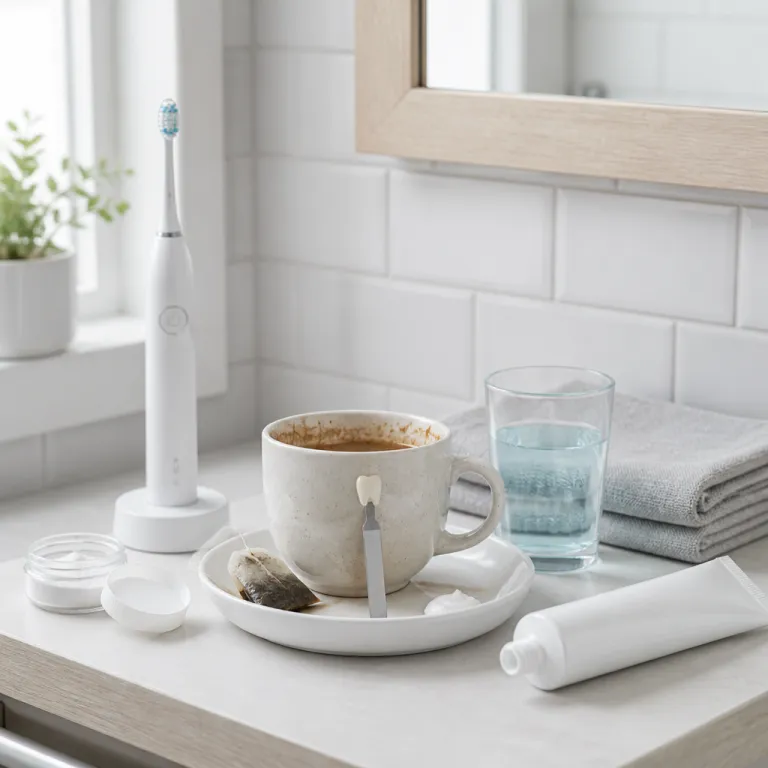
Do electric toothbrushes really whiten teeth or just clean better?
Do electric toothbrushes whiten teeth or just clean better ?
Electric toothbrushes make teeth look cleaner and often slightly brighter. When you switch from manual toothbrushes to a well designed electric toothbrush, you usually remove more plaque and more visible surface stains. That cleaner enamel reflects more light, so your smile can appear like teeth whiter even though the natural color teeth underneath has not changed.
The key distinction is simple but crucial for oral care and expectations. Brushing, whether with sonic toothbrushes or oscillating electric toothbrushes, can only act on the outer surface of each tooth, where pigments from coffee, tea, red wine, and tobacco settle as surface stains. To actually whiten teeth in the strict sense, you need a chemical process such as peroxide based teeth whitening that changes the internal color of enamel rather than just polishing its surface.
Think of your tooth like a white shirt that has picked up stains. A powerful electric brush head with the right whitening toothpaste is like a good laundry cycle that can remove stains from the fabric surface and restore its original shade. Peroxide gels, professional whitening strips, or a dentist supervised whitening kit are more like a bleaching agent that can lighten the fabric itself beyond its original color, which is something toothbrushes whiten only in marketing language, not in reality.
How electric brushing tackles surface stains and boosts brightness
When people ask do electric toothbrushes whiten teeth, they are usually talking about surface stains. These are the brown or yellow marks that sit on the enamel surface, caused by daily coffee, tea, cola, curry, or smoking, and they respond very well to consistent electric brushing. A quality electric toothbrush with a fresh brush head and a gentle whitening toothpaste can remove stains gradually over several weeks, especially along the gumline where manual toothbrushes often miss plaque and pigment.
Sonic toothbrushes and oscillating rotating models approach whitening teeth in slightly different ways. Sonic designs use high frequency brushing vibrations to agitate fluid around the tooth surface, helping to dislodge plaque and pigment in tight spaces between teeth where a manual brush struggles. Oscillating electric toothbrushes scrub each tooth with a small round brush head, which can be very effective at polishing away surface stains when you guide the brush teeth slowly from tooth to tooth.
Many brands now sell whitening modes, whitening brush heads, and even whitening kit bundles that promise to whiten teeth dramatically. In practice, these whitening toothbrushes whiten mainly by improving mechanical cleaning and by pairing the brush with a stain focused toothpaste, not by changing the internal color teeth of your enamel. Clinical reviews, including Cochrane style analyses, suggest that powered brushes reduce plaque and gingivitis more than manual brushing over several months, which supports better stain control but still does not replace peroxide based whitening. For a deeper look at how a whitening electric toothbrush fits into a broader stain care routine, you can read a detailed guide on the benefits of using a whitening electric toothbrush, which explains how polishing and plaque removal support overall oral health and a brighter smile.
Why blue light, led gadgets, and whitening pastes have limits
Some electric toothbrushes now include blue light or a small led light near the brush head, marketed as a way to accelerate teeth whitening. At home devices that combine an electric toothbrush with a mouthpiece and led light can look high tech, but the light alone will not whiten teeth without a proven whitening gel. Current evidence from controlled studies shows that blue light or led light may slightly warm peroxide gels and help them work faster, yet the active whitening still comes from the peroxide, not from the light itself.
For everyday brushing, the more important choice is your toothpaste and how you use it. Many whitening toothpaste formulas rely on mild abrasives to scrub away surface stains, sometimes with added chemical agents that help dissolve pigments on the tooth surface. If the paste feels gritty and you pair it with aggressive brushing pressure, you risk wearing down enamel over time, exposing yellower dentin underneath and making the natural color teeth look darker rather than achieving teeth whiter results.
A safer strategy is to combine a soft or extra soft brush head with a pressure sensor equipped electric toothbrush and a gentle whitening toothpaste that has a low to medium abrasivity rating, often in the range many dental organizations consider acceptable for daily use. High fluoride toothpaste can support dental health while you focus on stain control, and you can learn more about the benefits of high fluoride toothpaste for oral health in guidance from the American Dental Association and similar bodies. The American Dental Association notes that fluoride toothpastes with around 1,000–1,500 ppm fluoride help prevent cavities, while whitening gels used under professional supervision often contain roughly 10–35% carbamide or hydrogen peroxide, so following label directions and your dentist’s advice is essential. This approach protects your tooth structure while still helping to remove stains and maintain a brighter smile over the long term.
Building a realistic whitening routine with an electric brush
If you are upgrading from manual toothbrushes, the first big win is consistency. Two minutes of electric brushing twice a day, with the brush teeth angled at 45 degrees to the gumline, will usually improve oral health and reduce new surface stains within a few weeks. Most people also benefit from replacing the brush head every three months, because worn bristles bend and glide over plaque instead of scrubbing it away, which limits how much an electric toothbrush can whiten teeth or even keep them at their natural shade.
Daily habits matter as much as the device in your hand. Sipping coffee or tea slowly across the morning bathes tooth enamel in pigments for hours, while drinking these in shorter sittings and rinsing with water afterward reduces stains on the surface. Using a straw for iced coffee, spacing out acidic drinks, and avoiding brushing immediately after very acidic foods can all protect enamel and support both dental health and cosmetic teeth whitening goals.
Professional cleanings remain a powerful part of any whitening teeth plan. A hygienist can remove hardened tartar and deep surface stains that no home electric toothbrush or whitening kit can fully reach, especially between crowded teeth or around old fillings. Once that baseline is restored, your electric toothbrush, your chosen whitening toothpaste, and possibly occasional whitening strips can work together to maintain a brighter smile rather than trying to fix years of buildup alone. As one general dentist might put it, “Think of your electric brush as maintenance; the real color change comes from whitening treatments and regular professional care working together.” To make those two minutes of brushing count, divide your mouth into four quadrants and spend about 30 seconds on each, slowly guiding the powered brush along the outer, inner, and chewing surfaces.
When you need more than an electric toothbrush for a whiter smile
There is a hard limit to what even the best electric toothbrushes can do for color. If your teeth look uniformly yellow or gray rather than just patchy with brown surface stains, you are probably dealing with intrinsic discoloration inside the tooth structure. In those cases, no amount of extra brushing, no matter how advanced the sonic toothbrushes or how bright the led light, will truly whiten teeth beyond their natural baseline shade.
Intrinsic discoloration can come from aging, certain medications, trauma to a tooth, or very thin enamel that lets the darker dentin show through. Here, peroxide based teeth whitening treatments such as dentist supervised trays, in office whitening, or carefully used whitening strips are the tools that can actually change the internal color teeth. Your electric toothbrush still plays a supporting role by maintaining oral health, helping to remove stains that form after whitening, and protecting your investment in a professional whitening kit or clinic treatment.
For many first time upgraders, the smartest path is a staged plan. Start with a quality electric toothbrush, a soft brush head, and a sensible oral care routine that includes regular checkups and cleanings, then reassess your smile after a few months of better brushing. If you still want teeth whiter than your natural shade, that is the moment to talk with a dental professional about whitening strips, custom trays, or other options, and you can also explore how to choose the softest bristle toothbrush for sensitive gums and electric brushing so that your whitening journey protects both your gums and your enamel.
FAQ
Do electric toothbrushes actually whiten teeth or just remove stains ?
Electric toothbrushes primarily remove stains from the enamel surface rather than bleaching the tooth from within. By improving plaque control and polishing away pigments from coffee, tea, wine, and tobacco, they can make teeth look brighter and the smile fresher. However, true teeth whitening that changes the internal color requires peroxide based products such as whitening strips, gels, or professional treatments.
Are sonic toothbrushes better than manual toothbrushes for whitening ?
Sonic toothbrushes and other powered brushes are generally more effective than manual toothbrushes at removing plaque and surface stains when used correctly. The high frequency brushing motion and consistent timing help you clean each tooth more thoroughly, especially along the gumline and between teeth. That improved cleaning can make teeth appear whiter, but it still does not replace dedicated whitening treatments for deeper color changes.
Will blue light or led light on a toothbrush whiten my teeth faster ?
Blue light or led light built into some electric toothbrushes has not been shown to significantly whiten teeth on its own. These lights may enhance certain peroxide gels in separate whitening devices, yet the active whitening still comes from the chemical agent, not from the light. For daily oral care, brushing technique, brush head quality, and toothpaste choice matter far more than any onboard light feature.
Can whitening toothpaste damage enamel when used with an electric toothbrush ?
Some whitening toothpaste formulas are quite abrasive, and when combined with hard brushing from an electric toothbrush they can gradually wear enamel. Enamel loss can expose the yellower dentin layer, making teeth look darker over time despite aggressive stain removal. Choosing a gentle whitening paste, using a soft brush head, and letting the brush glide with light pressure helps protect enamel while still improving surface stain control.
When should I consider professional teeth whitening instead of relying on my brush ?
If your teeth remain uniformly yellow or gray after several months of consistent electric brushing and stain conscious habits, it is time to consider professional whitening. A dentist can assess whether intrinsic discoloration, thin enamel, or old restorations are limiting how white your teeth can look with brushing alone. From there, they may recommend whitening strips, custom trays, in office treatments, or alternative cosmetic options such as bonding or veneers.