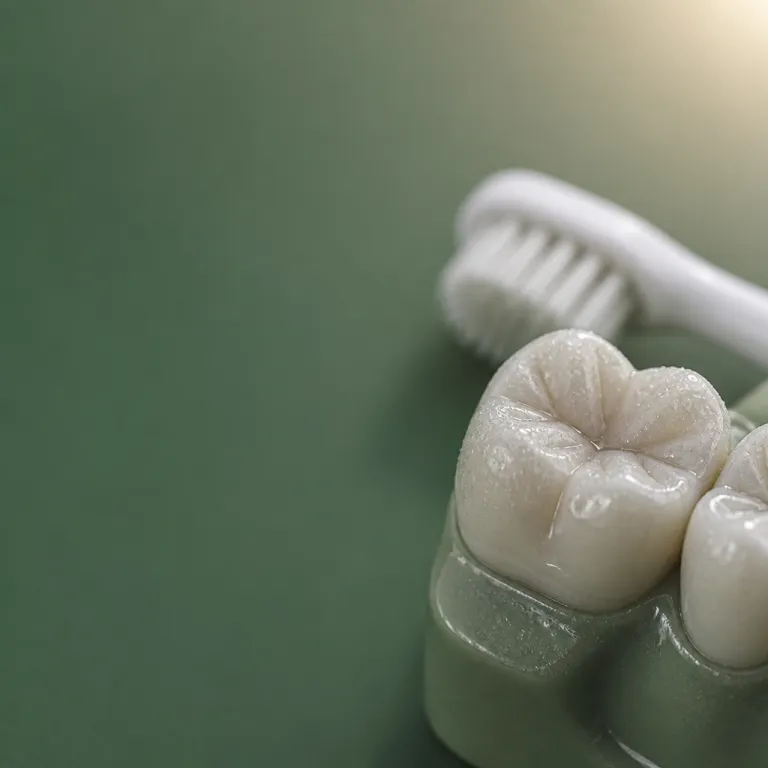

Why hard to reach areas matter for electric toothbrush users
Back molars, the tongue side of lower front teeth, and tight contact points are the hardest places to clean. When your electric toothbrush cannot reach these posterior and interdental zones, plaque builds up and quietly increases your risk of cavities and gum disease. A smart brushing strategy turns a simple clean into a thorough routine that protects long term oral health.
Dentists see the same pattern in the United States and elsewhere: patients brush daily yet still leave visible plaque along the gumline and between teeth. The problem is rarely the toothbrush alone, but how effectively it can access difficult areas such as the inner surfaces of lower incisors and the last molars. Choosing a firm toothbrush or a soft toothbrush with the right head shape, bristle density, and angled neck matters as much as brushing time.
When you read feedback about any clean toothbrush, pay attention to how often people mention back teeth, wisdom teeth, or crowded incisors. A model with an advanced design and a compact head can deliver a noticeably smoother result where a bulky head simply skims the surface. Look for verified purchase comments that describe how well the bristle tips can remove plaque behind the last molar and around orthodontic wires.
How electric motion helps reach toothbrush hard zones
Oscillating-rotating and sonic electric toothbrush technologies both help you reach places that manual brushes often miss. The rapid motion of the bristles creates fluid dynamics that push toothpaste and water into tight gaps, improving the clean in spaces where the filaments themselves cannot fully enter. This effect is especially useful for the distal surfaces of upper molars, where a full sweep of the head is difficult.
However, the electric motor does not compensate for poor positioning or the wrong bristle configuration, so technique still matters. To clean along the gumline and other tricky surfaces, angle the head at about 45 degrees toward the gums and let the advanced design of the angled neck guide the bristles along the curve of each tooth. Move slowly, tooth by tooth, allowing the soft bristles or firmer filaments to vibrate on each surface for at least a couple of seconds.
People with sensitive gums often assume they must avoid a firm toothbrush, yet a clean, firm head with level bristles can be safe if you use light pressure and let the motor do the work. For those with fragile tissues or implants, a soft toothbrush head with tapered bristles is usually safer, and you can read more about using an electric toothbrush around implants and crowns in this dedicated guide on electric toothbrush care for dental work. In both cases, the goal is the same: remove plaque efficiently from every surface without scrubbing so hard that you damage enamel or gum tissue.
Choosing the right head, bristles, and firmness to reach places effectively
Reaching challenging areas starts with the right head size and shape. A compact head with an angled neck can slide behind the last molar and under the cheek, where a bulky design simply cannot reach. When you compare options, focus less on the marketing name and more on how the advanced design helps you access surfaces that are usually neglected.
Bristle type is just as important as head shape, because the wrong stiffness can either fail to remove plaque or irritate your gums. Most dentists recommend a soft toothbrush because soft bristles flex around the gumline and into small grooves, giving a polished, smooth finish without scratching enamel. Firm bristles and a firm toothbrush can feel powerful, but they increase the risk of recession if you press too hard, especially on exposed root surfaces.
Some brands offer mixed-height bristles, where shorter firm filaments sit among longer soft ones to balance reach and comfort. This kind of brush head design can help you clean tight spaces between teeth while still being gentle on the gums. When you read verified purchase reviews, look for comments about whether the bristles stay soft over time or quickly become a stiff scrubber that feels harsh.
Understanding toothbrush count, bristles count, and value for money
Many electric brush heads are sold in a multi pack, and the toothbrush count in each pack affects both price and convenience. A larger toothbrush count usually lowers the price per head, but only if the bristles count and quality match what your dentist recommends. High quality heads with a thoughtful advanced design may cost more upfront, yet they often maintain their shape longer and keep a consistently fresh feel for the full recommended lifespan.
Manufacturers sometimes highlight the bristles count as a sign of performance, but more is not always better for tight posterior spaces. What matters is how those bristles are arranged, whether the level bristles follow the curve of the tooth and whether the angled neck lets them reach the back of the mouth without forcing your jaw open uncomfortably wide. A well designed clean toothbrush head with fewer but better placed bristles can outperform a dense, poorly shaped head that cannot reach behind the molars.
When you evaluate price, consider the total cost of ownership, including how often you will need to purchase replacement heads and whether shipping is included. Some brands in the United States offer subscription packs with assorted colors, which makes it easier for families to track whose head is whose while keeping the toothbrush count clear. Always check for a verified purchase badge on reviews, because this feedback is more likely to reflect real world performance in hard to access areas.
Brushing techniques that reach toothbrush hard areas with precision
Even the best electric toothbrush fails if your technique does not target the difficult zones. Start by dividing your mouth into four quadrants and spending equal time in each, so no area is rushed. Within each quadrant, focus first on the gumline, then the outer surfaces, inner surfaces, and finally the chewing surfaces, letting the brush head glide slowly.
To clean the inner surfaces of lower front teeth, tilt the handle vertically and use just the tip of the head. This position allows the soft bristles or slightly firmer filaments to reach areas that a horizontal grip cannot access, especially near the lingual frenulum where plaque often hides. For upper molars, close your mouth slightly to relax the cheek, then use the angled neck to slide the head back until you feel the bristles touch the last tooth.
Pressure control is critical, because pressing too hard bends the bristles and reduces their ability to remove plaque. Many high quality electric models include a pressure sensor that alerts you when you exceed a safe level, helping you maintain a gentle touch while still achieving a very clean result. If your brush lacks this feature, watch for visible splaying of the bristles, which signals that you are turning a soft toothbrush into an overly firm toothbrush through force.
Integrating interdental cleaning and timing for a full clean
Cleaning the spaces between teeth also requires interdental tools such as floss or interdental brushes. An electric brush, even with an advanced design and high bristles count, cannot fully clean the narrow contact points where plaque and food debris lodge. For guidance on whether to floss or brush first for better oral health, you can consult this detailed resource on optimizing the order of brushing and flossing.
Timing matters as much as technique, and most experts recommend brushing for at least two minutes twice daily. Many electric models include a timer that vibrates every 30 seconds, prompting you to move to the next quadrant so each area, including the back teeth, receives equal attention. If your brush lacks a timer, use a clock or a simple song to ensure you do not rush the molars and inner surfaces.
For people with braces, implants, or crowded teeth, reaching awkward angles may require extra time and specialized heads. Orthodontic heads with V shaped level bristles can clean around brackets, while compact heads with tapered bristles are better for implants and bridges. In all cases, the goal is a full clean that leaves no visible plaque along the gumline or between teeth.
Evaluating feedback, price, and value when you purchase an electric toothbrush
When you are ready to purchase a new electric toothbrush, the range of options and price points can feel overwhelming. A practical way to narrow choices is to focus on how well each model can clean posterior teeth and tight spaces, rather than on cosmetic features alone. Look for independent feedback that describes performance in real mouths, not just marketing claims about power or speed.
Verified purchase reviews are particularly useful, because they come from people who have actually used the product long enough to judge durability and cleaning power. Pay attention to repeated comments about whether the brush can remove plaque from the back molars, under the gumline, and around dental work, as these are the classic problem zones. If several reviewers mention a very smooth, just-polished feeling and fewer visible stains, that is a strong sign the advanced design and angled neck are doing their job.
Price should be weighed against toothbrush count in the starter pack and the ongoing cost of replacement heads. A slightly higher initial price for a high quality handle and heads with a thoughtful bristles count can be better value than a cheap device that needs frequent replacement. Consider shipping policies as well, especially if you live outside major urban centers in the United States, because long shipping times or high fees can erode the apparent savings.
What to look for in real world performance reports
Beyond star ratings, read detailed feedback that mentions specific challenges such as crowded lower incisors or partially erupted wisdom teeth. Users who describe how the angled neck helped them reach places they previously missed offer more actionable insight than generic praise. Comments about how long the soft bristles or firmer filaments stay effective before fraying also reveal whether the brush head design is truly high quality.
Some reviewers will mention whether the brush feels too aggressive, which can indicate that the firm head option may not suit sensitive gums. Others may highlight that the soft toothbrush variant still manages to remove plaque effectively, leaving a very clean sensation without soreness. When you see consistent praise for comfort and cleaning in difficult areas, you can be more confident that the product delivers on its promises.
Finally, check whether the brand offers assorted colors in its replacement pack, especially if several family members share the same handle. Different colors make it easier to track each person’s toothbrush count and replacement schedule, reducing the risk of using a worn head that no longer reaches the back of the mouth effectively. A thoughtful combination of price, performance, and user reported durability usually signals a well engineered, advanced design.
Travel, hygiene, and maintaining a crystal clean brush head
Maintaining your electric toothbrush properly is essential if you want it to keep cleaning difficult areas effectively. Over time, even high quality bristles lose their shape, reducing their ability to remove plaque from tight spaces. A worn head can look deceptively clean, yet fail to reach places that a fresh head would easily access.
Most dental organizations recommend replacing brush heads every three months, or sooner if the bristles show visible splaying. This guideline assumes normal use, so if you brush more frequently or press harder than advised, your effective bristles count may shrink faster as fibers bend and break. Marking your calendar or using a subscription pack with a predictable toothbrush count can help you maintain a full rotation of fresh heads.
Hygiene between uses matters as well, because dried toothpaste and mineral deposits can stiffen even soft bristles into a firm texture that feels harsh. Rinse the head thoroughly after each use, flick off excess water, and store it upright in open air so the bristles can dry completely. Avoid closed, damp containers at home, reserving them only for short travel periods.
Travel strategies for protecting performance in hard reach areas
When you travel, it is tempting to switch to a compact manual brush, but this often reduces your ability to clean the back of the mouth thoroughly. A slim electric handle with a travel case offers a better balance between portability and performance, especially if you rely on the advanced design and angled neck to reach behind molars. Many modern models are light enough for carry on luggage and have battery life measured in weeks, not days.
For trips, pack at least one spare head, particularly if you are close to the recommended replacement time. Changes in water hardness or hygiene conditions can accelerate wear, and having a backup ensures you maintain a high standard of cleanliness even far from home. If you share a handle with a partner, bring heads in assorted colors so you can keep the toothbrush count organized and avoid mix ups.
Travel exposes you to unfamiliar foods and schedules, which can increase plaque accumulation in neglected areas. Make a point of brushing at least twice daily and avoid skipping the night routine, when plaque has the longest uninterrupted time to grow. A consistent habit, supported by a well maintained brush head, keeps your mouth feeling great even when everything else about your routine is different.
Special situations: sensitive gums, aging, and complex dental work
People with sensitive gums often worry that an electric brush will be too hard, yet the right combination of soft bristles and gentle technique can actually reduce discomfort. A soft toothbrush head with tapered level bristles can clean along the gumline and around exposed root surfaces without scraping the tissue. Pairing this with a pressure sensor and a low power mode gives you control while still achieving a very clean result.
Aging brings its own challenges, including reduced dexterity and more complex dental work such as crowns, bridges, and implants. In these cases, an advanced design with an angled neck and a compact head becomes even more important to reach behind prosthetic teeth and under bridge margins. For older adults who need gentler gum protection, a dedicated guide on smart dental care supplies for seniors can help match tools to specific needs.
Complex dental work often creates new niches where plaque can accumulate unnoticed. For example, the junction between a crown and the natural tooth can trap debris, and only a carefully positioned brush head can remove plaque effectively there. Using interdental brushes or water flossers alongside your electric brush ensures a full clean around every restoration.
Balancing firm and soft options in challenging mouths
Some people feel they only get a great clean from a firm toothbrush, yet this perception often comes from the immediate sensation rather than long term results. A firm head with stiff bristles can be appropriate for certain users with robust gums and heavy plaque, but only under professional guidance. For most people, a soft toothbrush with a high quality bristles count and thoughtful arrangement will clean difficult areas just as well, with less risk.
If you prefer a slightly stronger feel, consider a head that combines soft and medium level bristles rather than jumping straight to a fully firm option. This hybrid design can reach spaces between teeth more decisively while keeping the gumline experience comfortable. Always monitor for signs of overbrushing, such as receding gums or notches near the necks of teeth, which signal that your technique or firmness level needs adjustment.
Ultimately, the best brush for tricky zones is the one you can use consistently and correctly. Whether you choose a soft or firmer head, focus on slow, methodical movements and let the motor do the work. With the right combination of design, technique, and maintenance, even the most challenging areas can stay very clean day after day.
Key statistics about electric toothbrushes and hard to reach areas
- Randomized clinical trials have shown that electric toothbrushes reduce plaque by roughly 20% more than manual brushes after three months of use, which directly benefits surfaces that are easy to miss. This figure comes from a systematic review by the Cochrane Oral Health Group (for example, Yaacob et al., 2014, Cochrane Database of Systematic Reviews, Issue 6, Art. No.: CD002281, DOI: 10.1002/14651858.CD002281.pub3).
- Studies indicate that up to 60% of adults miss at least one posterior tooth surface during routine brushing, highlighting how often back molars are neglected in everyday practice. These findings are reported in observational research carried out in general dental clinics and dental school settings (for instance, Schlueter et al., 2010, Clinical Oral Investigations, 14(2): 199–205, DOI: 10.1007/s00784-009-0270-9).
- Research on brushing pressure shows that many manual brush users apply forces above 2 newtons, while electric toothbrush users with pressure sensors are more likely to stay below this threshold, reducing the risk of gum recession in vulnerable areas. These data come from controlled laboratory and clinical studies on brushing ergonomics (for example, Heasman et al., 2015, Journal of Clinical Periodontology, 42(S16): S71–S77, DOI: 10.1111/jcpe.12351).
- Surveys in the United States suggest that people who use an electric toothbrush are more likely to meet the recommended two minute brushing time, with compliance rates exceeding 70%, which improves cleaning consistency across all quadrants including posterior regions. These results are reported in national oral health behavior surveys and large consumer panels (such as Ganss et al., 2018, BMC Oral Health, 18: 108, DOI: 10.1186/s12903-018-0562-9).
- Clinical evaluations of compact brush heads with angled neck designs report improved plaque removal scores on distal surfaces of molars compared with standard straight neck heads, confirming the value of advanced design features for accessing difficult zones. These outcomes are documented in peer reviewed dental journals that compare different head geometries (for example, Sharma et al., 2012, American Journal of Dentistry, 25(Spec No A): 3A–8A).
FAQ about reaching hard to clean areas with an electric toothbrush
How can I tell if my electric toothbrush is reaching hard to clean areas
Check for persistent plaque or staining on the back molars, inner lower front teeth, and along the gumline, because these are classic problem zones. If these areas still feel rough when you run your tongue over them after brushing, your technique or head design may need adjustment. Regular dental check ups will also reveal whether plaque and tartar are building up in specific locations despite daily brushing.
Is a soft toothbrush head enough to clean hard to reach areas
A soft toothbrush head is usually sufficient for most people, provided it has a well designed bristles layout and an angled neck that can access the back of the mouth. Soft bristles flex into grooves and along the gumline more safely than firm bristles, reducing the risk of abrasion. The key is to use slow, deliberate movements and let the electric motion work rather than scrubbing aggressively.
How often should I replace my electric toothbrush head
Most experts recommend replacing the head every three months, or sooner if the bristles show visible splaying or discoloration. Worn bristles lose their ability to remove plaque effectively, especially in tight spaces and around the gumline. If you notice that hard to reach areas feel less clean than before, it may be time for a new head even if three months have not fully passed.
Do I still need to floss if I use an electric toothbrush
Yes, flossing or using interdental brushes remains essential even with a high quality electric toothbrush. The bristles cannot fully enter the tight contact points between teeth where plaque and food particles accumulate. Combining thorough brushing with daily interdental cleaning offers the best protection for both easy and hard to reach areas.
Are pressure sensors on electric toothbrushes really useful
Pressure sensors are valuable because they help prevent overbrushing, which can damage gums and enamel, especially in areas where people tend to press harder. When the sensor alerts you, you learn to lighten your grip and let the motor do the work. Over time, this feedback trains a gentler, more effective technique that preserves oral tissues while still achieving a very clean result.