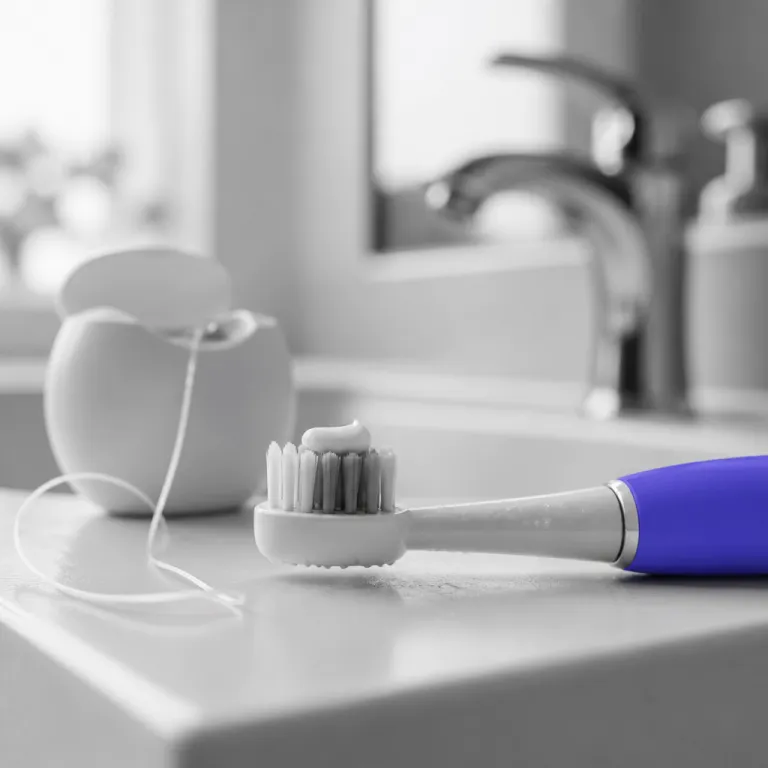
Floss first or brush first with an electric toothbrush
Floss first or brush first with an electric toothbrush
Many people who use an electric toothbrush still wonder whether they should floss first or brush first for the best oral health. When you understand how dental plaque forms on teeth and how brushing and flossing remove different layers of plaque and trapped food, the order of your hygiene routine starts to matter more. For most adults, flossing before brushing teeth with a powered toothbrush appears to offer advantages for cleaner teeth, healthier gums, and fresher breath, although individual habits and preferences still play an important role.
Clinical research suggests that flossing first helps dislodge food particles and plaque trapped between teeth, which prepares the mouth for more effective brushing. Once flossing has broken up this plaque and loosened debris around the gums, an electric toothbrush with fluoride toothpaste can reach the newly exposed tooth surfaces more efficiently and spread fluoride across the enamel. In a randomized crossover trial by Kwon et al. (Journal of Periodontology, 2018; 89(7): 824–832, 25 adult participants), flossing before brushing was associated with higher fluoride concentrations on tooth surfaces than brushing first, supporting the idea that this sequence allows the brush to push fluoride deeper along the gum line and into areas that flossing has already opened. The authors noted that the study was short term and focused on fluoride levels rather than long-term cavity outcomes, so the findings should be interpreted with these limitations in mind.
Choosing whether to floss first or brush first also affects how mouthwash works at the end of your routine. If you floss and brush in the right order, you reduce the amount of plaque that can block mouthwash from contacting the tooth surface and the gums. A clean path created by flossing, then brushing, means that an alcohol-free mouthwash can better target bacteria linked to gum disease and bad breath, especially when used as directed by your dental professional.
Quick routine checklist
- Step 1: Floss between every tooth to loosen plaque and food.
- Step 2: Brush with an electric toothbrush and fluoride toothpaste for two minutes.
- Step 3: Spit out excess foam and avoid vigorous rinsing with water.
- Step 4: Finish with a suitable fluoride or antibacterial mouthwash if recommended.
How order affects plaque removal and tooth decay risk
When you think about whether to floss first or brush first, focus on how plaque behaves on teeth during the day. Plaque is a sticky biofilm that traps food particles and bacteria against the tooth surface, and this mixture of plaque, food, and acids slowly weakens enamel and irritates gums. Electric toothbrush technology helps break up this layer, but it cannot fully reach between tight teeth where flossing or interdental cleaning is essential for complete oral care.
Flossing first allows the thread or interdental brush to scrape plaque from the sides of each tooth and from just under the gum margin. After this initial cleaning, an electric toothbrush can better remove the remaining plaque on the chewing surfaces and along the gum line, especially when you brush teeth for the dentist-recommended two minutes. Using a fluoride toothpaste during brushing then delivers fluoride ions directly to the freshly exposed enamel, which strengthens the tooth structure and reduces the risk of tooth decay by making enamel more resistant to acid attacks.
Timing also matters when you use mouthwash as part of your hygiene routine. If you floss, then brush, and then rinse, you remove more bacteria that cause gum disease and bad breath while leaving a protective fluoride layer on the teeth and gums. Many clinicians advise spitting out excess toothpaste foam and avoiding a vigorous water rinse before using mouthwash, so that fluoride from the toothpaste can stay in contact with the tooth surface for longer and support optimal dental health.
Electric toothbrush advantages in a floss first routine
Electric toothbrush designs offer specific benefits when you decide whether to floss first or brush first as part of a structured oral hygiene plan. Oscillating-rotating and sonic toothbrush models generate thousands of movements per minute, which helps remove plaque more efficiently from teeth and along the gum line than many people achieve with a manual brush. A Cochrane review by Yaacob et al. (2014, Cochrane Database of Systematic Reviews, CD002281) reported that powered brushes, particularly oscillating-rotating types, reduced plaque and gingivitis more than manual toothbrushes after several months of regular use. The review pooled data from multiple randomized controlled trials and noted that most studies were short to medium term and varied in design, so while the overall trend favored electric brushes, the exact size of benefit may differ between users.
Modern electric toothbrush heads are engineered to support oral care by targeting both teeth and gums with soft bristles and contoured shapes. After you floss and then brush in the recommended order, a compact round or diamond-shaped head can follow the curve of each tooth, improving oral health outcomes by reducing plaque scores in clinical studies. As one periodontist often tells patients, “Let the brush do the work—guide it slowly along the gum line instead of scrubbing hard,” which helps protect delicate gum tissue while still achieving thorough cleaning.
Many electric toothbrush handles include pressure sensors and timers that support a consistent hygiene routine. These features help prevent excessive force on the gums, which can otherwise contribute to gum recession and increased tooth sensitivity even when plaque is under control. When combined with regular flossing, correct brushing technique, and the proper use of fluoride toothpaste, these smart tools make it easier to maintain long-term dental health and reduce the likelihood of gum disease or tooth decay.
Designing a practical daily oral care sequence
For most adults using an electric toothbrush, a simple structured sequence can make the floss first or brush first decision easier. Start by flossing between every tooth to remove food particles and plaque, paying special attention to the curve where the tooth meets the gum. This first step allows you to feel where the gums may bleed or feel tender, which can signal early gum disease or areas needing better dental care and professional advice.
Next, use your electric toothbrush with a pea-sized amount of fluoride toothpaste to brush teeth methodically in small sections. Aim to cover all outer, inner, and chewing surfaces while angling the bristles at about 45 degrees toward the gums, which improves oral hygiene by sweeping plaque away from the gum margin. Many experts recommend spending roughly 30 seconds in each quadrant of the mouth, and you should replace the toothbrush head every three months or sooner if the bristles splay or show visible wear.
After brushing teeth, spit out the excess foam but avoid rinsing vigorously with water so that fluoride can remain on the tooth surface longer. Finish with a fluoride or antibacterial mouthwash if your dental professional recommends it, swishing gently around the teeth and gums and between spaces where flossing has already cleared debris. For more detail on maintaining your toothbrush for better oral health and gum protection, you can read this guidance on how often to change your toothbrush for healthier teeth and gums.
Flossing, mouthwash, and electric brushing for gum disease prevention
Gum disease begins when plaque accumulates along the gum line and between teeth, so the order of floss first or brush first can influence how thoroughly you remove this biofilm. Flossing first helps break the seal of plaque that hides bacteria, allowing the following brushing stage to reach deeper into the sulcus around each tooth. When you then use a suitable mouthwash, you expose more bacteria to antimicrobial agents that support better oral health and fresher breath.
People with early gum disease often notice bleeding gums during flossing and brushing, which can tempt them to avoid flossing altogether. In reality, consistent gentle flossing and careful use of an electric toothbrush with soft bristles usually improve gum health over several weeks by reducing inflammation and plaque retention. If bleeding persists despite good oral care, a dental examination is essential to rule out more advanced periodontal disease or systemic health issues that may affect healing.
Bad breath frequently results from sulfur-producing bacteria that thrive in plaque deposits and trapped food particles around the teeth, gums, and tongue. A routine that starts with flossing first, continues with thorough brushing using fluoride toothpaste, and ends with a targeted mouthwash can significantly reduce these bacterial populations. Cleaning the tongue with a scraper or the back of a toothbrush head adds another layer of protection for overall dental health and more reliable breath control.
Adapting the floss first or brush first approach to individual needs
Not every mouth is the same, so the ideal floss first or brush first routine may vary slightly depending on dental conditions and manual dexterity. People with orthodontic appliances, dental implants, or crowded teeth often need extra tools such as interdental brushes or water flossers to supplement traditional flossing. In these situations, the principle remains the same, because you still want to remove plaque and food particles from between teeth before using the electric toothbrush to polish and protect the tooth surfaces.
Individuals with sensitive gums or a history of gum disease should choose soft-bristle toothbrush heads and gentle flossing techniques. Starting slowly with flossing first and then using a low-power brushing mode can help the gums adapt while still improving oral hygiene and reducing plaque accumulation. Over time, this careful brush-and-floss pattern supports stronger teeth and gums and lowers the risk of tooth decay and other dental health complications.
Parents teaching children to care for their teeth can introduce the idea of flossing and brushing as a team effort rather than a chore. Young children may begin with brushing teeth using a small electric toothbrush under supervision, then gradually add flossing as their coordination improves and their dental care needs change. Whatever the age, a consistent hygiene routine that respects the sequence of floss first, brush second, and rinse with mouthwash last offers a clear framework for lifelong oral health.
Key statistics on brushing, flossing, and oral health outcomes
- Population surveys from national dental associations, such as the American Dental Association’s consumer reports, show that fewer than half of adults report flossing once per day, yet daily flossing is associated with significantly lower rates of gum disease compared with occasional flossing in observational studies.
- A Cochrane review by Yaacob et al. (2014) comparing electric toothbrushes with manual brushes found that powered brushes can reduce plaque by roughly 21% and gingivitis by about 11% after three months of regular use, which supports their role in a structured oral care routine. The authors cautioned that the evidence quality ranged from low to moderate and that longer-term data are still limited.
- Studies examining the sequence of flossing and brushing, including the randomized trial by Kwon et al. (2018), indicate that flossing before brushing can leave higher concentrations of fluoride on tooth surfaces, which may enhance protection against tooth decay when fluoride toothpaste is used correctly. These studies are relatively small and short term, so they suggest a beneficial pattern rather than proving a direct cause-and-effect relationship with fewer cavities.
- Public health data and reviews from organizations such as the U.S. Centers for Disease Control and Prevention and the American Heart Association consistently link poor oral hygiene with increased risk of systemic conditions such as cardiovascular disease and diabetes complications, highlighting that effective brushing and flossing habits contribute to overall health, not only to a clean smile.
FAQ
Should I always floss before using my electric toothbrush
Most dental professionals recommend flossing before brushing teeth because this order removes plaque and food particles from between teeth, allowing the electric toothbrush and fluoride toothpaste to contact more of the tooth surface. Flossing first also helps mouthwash reach deeper into cleaned spaces. However, if flossing after brushing is the only way you will do it consistently, regular flossing in any order is still better than skipping it.
Can an electric toothbrush replace flossing for tight spaces
An electric toothbrush improves plaque removal on accessible surfaces but cannot fully clean the narrow contact points between teeth where flossing is required. Bristles, even on advanced toothbrush heads, cannot reliably slide through these tight spaces without damaging the gums. For complete oral hygiene, you need both brushing and flossing, sometimes with interdental brushes or water flossers for complex dental work or orthodontic appliances.
How does the order of brushing and flossing affect bad breath
Bad breath often comes from bacteria living in plaque deposits and trapped food particles between teeth and around the gums. Flossing first removes much of this material, then brushing teeth with fluoride toothpaste and cleaning the tongue reduce the remaining bacterial load. Finishing with an appropriate mouthwash after this sequence usually provides fresher breath for longer than brushing alone.
Is mouthwash necessary if I already floss and brush teeth well
Mouthwash is not a replacement for brushing and flossing but can be a useful addition for people at higher risk of gum disease or tooth decay. Fluoride mouthwashes help strengthen enamel, while antibacterial formulas reduce bacteria that cause plaque and bad breath. Your dental professional can advise whether a specific mouthwash fits your oral health needs and hygiene routine.
What type of fluoride toothpaste works best with an electric toothbrush
A standard fluoride toothpaste with around 1,000 to 1,500 parts per million of fluoride is suitable for most adults using an electric toothbrush. People with a high risk of tooth decay may receive a prescription for higher fluoride levels from their dentist as part of targeted dental care. Whichever formula you use, applying it after flossing and brushing for the recommended time helps maximize fluoride contact with the tooth surface and supports long-term dental health.