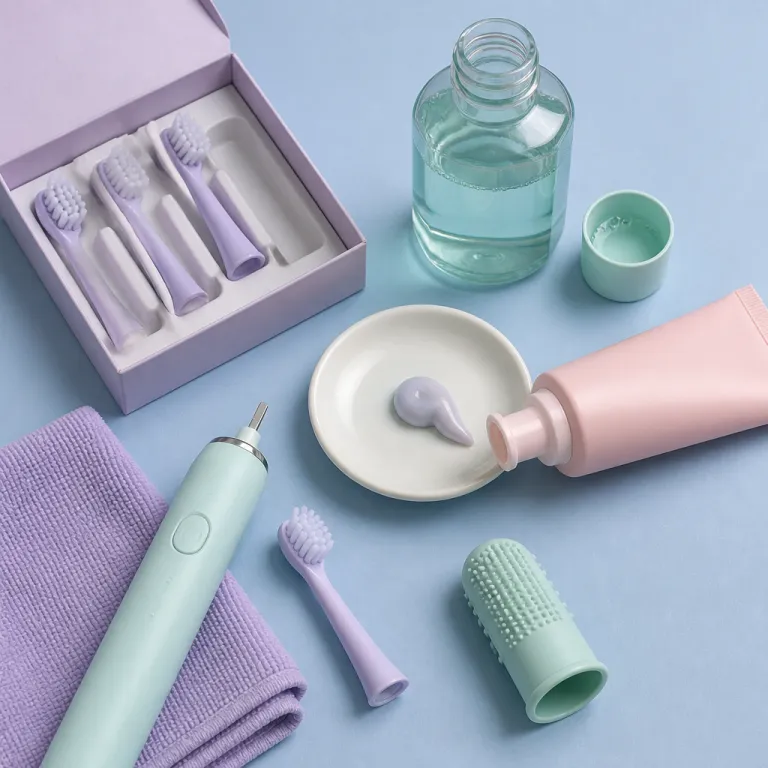
Why dental care supplies for elderly people must focus on fragile gums
As people grow older, their oral health needs shift in subtle but important ways. Aging changes the teeth, gums, and mouth tissues, so dental care supplies for elderly users must protect delicate surfaces rather than simply scrub plaque aggressively. Many older adults only realise this when gum pain, bad breath, or tooth decay suddenly appear.
Gum tissue in seniors often recedes, exposing roots and increasing the risk of root caries, which are cavities that form on the softer root surface instead of the enamel. This makes gum disease and tooth decay more likely, especially when oral hygiene has been inconsistent for years or when chronic health conditions complicate daily routines. Electric toothbrush products designed for gentle gum care can help older patients clean teeth and gums effectively without causing further irritation.
Dry mouth is another common older problem, often linked to medications used by elderly patients for blood pressure, depression, or diabetes. Less saliva means less natural protection for oral health, so plaque builds faster and teeth and gums become more vulnerable to infection. In this context, dentists recommend pairing a soft electric toothbrush with alcohol free mouth rinses and other best dental care tools to support overall dental health in seniors.
How aging changes teeth, gums, and the mouth
With each passing decade, the mouth experiences wear that even excellent oral care cannot fully prevent. Enamel thins, teeth darken slightly, and gums pull back, which leaves older adults more exposed to sensitivity and gum disease. These changes mean that dental care supplies for elderly people must prioritise comfort, precision, and safety.
Many seniors also live with chronic conditions such as arthritis, stroke after effects, or Parkinson’s disease, which reduce hand strength and coordination. In these situations, an electric toothbrush with a larger handle and automatic brushing motion can help older patients maintain daily dental hygiene without relying on fine motor skills. For caregivers who provide health care support, choosing the right dental tools can make the difference between stable oral health and repeated dental emergencies.
People who wear dentures face different challenges, because dentures can rub against gums and create sore spots that invite infection. Partial dentures also trap food around remaining teeth, increasing the risk of tooth decay and bad breath if oral hygiene is rushed. Dental care supplies for elderly denture wearers should therefore include soft brushes for gums, alcohol free cleansers, and oral care products that protect both natural teeth and prosthetic surfaces.
Choosing electric toothbrush products that respect sensitive gums
When selecting dental care supplies for elderly users, the electric toothbrush often becomes the central tool. A good model supports oral hygiene by removing plaque efficiently while keeping pressure on teeth and gums under control. This balance is essential for older adults with a history of gum disease or dental health problems.
Look for an electric toothbrush with a pressure sensor, several gentle modes, and a small round or compact head. These features help protect oral health by reducing the risk of overbrushing, which can worsen gum recession and expose roots to painful sensitivity and root caries. Many dentists recommend sonic or oscillating toothbrush products with soft bristles for seniors who already have tender gums or dry mouth issues.
Built in timers are another quiet but powerful ally for dental hygiene in seniors. Two minute cycles encourage thorough oral care, while quadrant pacing helps older patients cover every part of the mouth without guesswork. For people with braces or complex dental work, guidance from orthodontists on choosing the right electric toothbrush to combat gingivitis can help align gum protection with long term dental care goals.
Features that help older adults maintain daily oral hygiene
Comfortable grip design matters more than many families realise when buying dental tools for seniors. A thicker handle, rubberised surface, and simple buttons help older adults with arthritis or tremors manage oral hygiene without frustration. These ergonomic details turn dental care supplies for elderly users into practical health care allies rather than complicated gadgets.
Battery life and charging style also influence how consistently older patients use their toothbrush. A long lasting battery reduces the need for frequent charging, which is especially helpful for seniors with limited mobility or memory challenges who may forget cables and sockets. Some products include travel cases that protect the toothbrush head from bathroom bacteria, supporting better dental health for people who move between family homes or care facilities.
Interchangeable brush heads allow families to match bristle softness to specific oral health conditions. Ultra soft heads suit people with sore gums, recent dental surgery, or severe gum disease, while standard soft heads work for most seniors with stable dental care routines. Replacing these heads every three months, or sooner if bristles splay, keeps teeth, gums, and the mouth cleaner and reduces the risk of bad breath caused by worn out brushes.
Supporting gum health and sensitivity with the right oral care products
Gum health in seniors depends on more than just a toothbrush, because oral care is a complete system. Dental care supplies for elderly people should include toothpaste, mouthwash, interdental brushes, and sometimes gels that protect sensitive tissues. Each product plays a role in preventing gum disease, tooth decay, and painful infections.
For older adults with sensitive teeth and exposed roots, toothpaste containing fluoride and desensitising agents can strengthen dental health while easing discomfort. These formulas help block nerve pathways in the teeth, making hot or cold drinks less painful and supporting consistent oral hygiene. When combined with gentle brushing, they reduce the risk of root caries that often affect aging patients with long standing gum recession.
Mouthwash selection deserves careful attention, especially for elderly people with dry mouth. Many dentists recommend alcohol free rinses because alcohol can worsen dryness, irritate gums, and contribute to bad breath by disrupting the natural balance of the mouth. Guidance on choosing the ideal mouthwash for optimal gum health helps families align daily oral care with the specific needs of seniors who already struggle with saliva reduction.
Managing dry mouth and bad breath in aging patients
Dry mouth is more than a minor annoyance for seniors, because saliva protects teeth and gums by neutralising acids and washing away food particles. When saliva flow drops, dental health declines quickly, and tooth decay or gum disease can develop even in people who brush regularly. Dental care supplies for elderly patients with dry mouth should therefore include saliva friendly oral care products such as gels, lozenges, and gentle sprays.
Bad breath often signals underlying oral health problems, including gum disease, poorly cleaned dentures, or trapped food between teeth. Regular cleaning of dentures with non abrasive, alcohol free solutions and soft brushes reduces odour while protecting the fit and surface of the prosthesis. For older adults who still have natural teeth, interdental brushes or floss holders can help remove debris that ordinary toothbrush bristles miss.
Some seniors feel embarrassed about bad breath and avoid social contact, which can worsen isolation and mental health. Caregivers and family members can help older patients by normalising conversations about oral hygiene and offering practical support with dental tools and routines. When dental care supplies for elderly people are easy to use and tailored to their needs, confidence often returns along with fresher breath.
Adapting dental hygiene routines for seniors with limited mobility
Many older adults struggle with daily oral hygiene because of mobility limitations, not lack of motivation. Arthritis, stroke, or neurological conditions can make it difficult to hold a manual toothbrush firmly or move it accurately around the mouth. Electric toothbrush products with large, slip resistant handles and automatic motion can help older patients maintain dental care even when hand strength is reduced.
For some elderly people, sitting at a table with a bowl and mirror instead of standing at a sink makes brushing safer and less tiring. Caregivers can prepare dental tools in advance, placing toothpaste on the brush and offering water in a cup to rinse, which simplifies oral care for those with balance issues. These small adjustments transform dental hygiene from a risky task into a manageable part of daily health care.
When seniors live in care homes, staff training on dental hygiene becomes crucial for protecting oral health. Clear protocols for cleaning dentures, brushing natural teeth, and monitoring signs of gum disease help prevent painful emergencies that require urgent dentistry. Dental care supplies for elderly residents should be stored accessibly, labelled clearly, and replaced regularly to maintain both hygiene and dignity.
Caregiver strategies that help protect teeth and gums
Caregivers often juggle many responsibilities, so simple, repeatable routines work best for supporting dental health. A morning and evening checklist that includes brushing, denture cleaning, and a quick mouth inspection can help catch early signs of tooth decay or gum disease. Noticing redness, swelling, or bleeding around teeth and gums allows families to arrange dentistry appointments before problems escalate.
Using a headlamp or strong bathroom light can help caregivers see inside the mouth more clearly. This is especially useful for older adults with dementia who may not communicate pain but show subtle changes in eating habits or facial expressions. Dental care supplies for elderly patients with cognitive decline should emphasise safety, with soft toothbrush heads, alcohol free rinses, and minimal choking risk.
Some families find that playing calm music or using familiar routines reduces resistance to oral care in seniors with memory loss. Gentle explanations, slow movements, and breaks between steps can help older patients feel respected rather than rushed. Over time, these compassionate strategies support better oral health outcomes and reduce the need for emergency dental tools or hospital based dentistry.
Working with dental professionals to prevent gum disease and tooth loss
Regular check ups with a dentist or dental hygienist remain essential for older adults, even when teeth feel fine. Many serious oral health problems, including gum disease and root caries, develop quietly without obvious pain until they are advanced. Dental care supplies for elderly people work best when guided by professional assessments and personalised advice.
During appointments, clinicians can measure gum pockets, check for tooth decay, and evaluate how well current oral hygiene routines are protecting teeth and gums. They may adjust fluoride levels, recommend specific toothbrush products, or suggest alcohol free mouth rinses for patients with dry mouth. These tailored recommendations help older adults and their caregivers choose the best dental tools for long term protection.
For seniors with complex medical histories, coordination between dentistry and general health care providers is especially valuable. Medications that affect saliva, blood clotting, or bone density can influence dental treatment plans and the choice of oral care products. When professionals share information, dental health strategies become safer and more effective for vulnerable elderly patients.
When to seek specialist dentistry for aging adults
Some situations call for referral to specialists such as periodontists, prosthodontists, or geriatric dentistry experts. Persistent gum bleeding, loose teeth, or repeated denture sores suggest that ordinary dental care supplies for elderly users are not enough on their own. In these cases, advanced treatments may be needed to stabilise oral health before daily hygiene routines can maintain it.
Older adults with extensive tooth loss may benefit from implant supported dentures or other prosthetic solutions that improve chewing and speech. These treatments require meticulous oral hygiene and carefully chosen dental tools to prevent infection around implants and remaining teeth. Electric toothbrush models with small heads and precise motion can help clean around complex restorations more effectively than many manual brushes.
For people wearing braces later in life, or managing mixed natural teeth and prosthetics, advice on electric toothbrushes and braces can guide safe cleaning techniques. Aligning daily oral care with specialist instructions reduces the risk of gum disease and tooth decay around brackets or attachments. Over the years, this integrated approach helps seniors keep more of their natural teeth and maintain comfortable, functional smiles.
Building a personalised dental care plan for elderly family members
Every older adult brings a unique combination of medical history, dental experiences, and personal preferences. A personalised plan for dental care supplies for elderly relatives should therefore start with a clear picture of current oral health and daily habits. Families can then match toothbrush products, mouth rinses, and other dental tools to real needs rather than generic assumptions.
Begin by listing any existing dental health issues such as gum disease, tooth decay, dry mouth, or denture discomfort. Add information about medications, mobility limits, and whether the person can manage oral hygiene independently or needs help. This overview makes it easier to choose the best dental equipment, from electric toothbrush handles to alcohol free mouthwashes that support overall health care.
Next, agree on simple routines that fit naturally into morning and evening schedules. For some seniors, brushing after breakfast and before bed works well, while others prefer to clean their mouth before eating to reduce bad breath. Whatever the pattern, consistency matters more than perfection, and small daily efforts protect teeth, gums, and oral health over many years.
Reviewing and updating dental care supplies as needs change
Health conditions, medications, and living arrangements often change as people age. Dental care supplies for elderly users should be reviewed at least once a year to ensure they still match current abilities and oral health status. Worn toothbrush heads, expired products, or unsuitable dental tools can quietly undermine even the best intentions.
Families can schedule a joint visit with a dentist to reassess dental hygiene routines and equipment. During this appointment, professionals may suggest switching to softer bristles, adjusting fluoride levels, or introducing new oral care aids such as interdental brushes or gels for dry mouth. These updates keep dental health strategies aligned with the realities of aging bodies and evolving medical treatments.
Over time, a thoughtful combination of professional guidance, appropriate products, and compassionate support helps older adults maintain comfort, dignity, and confidence in their smiles. Dental care supplies for elderly people are not just objects in a bathroom cabinet, but practical tools that protect health, ease daily life, and honour the experiences of seniors who have cared for their teeth and gums over many years.
Key figures on oral health and aging
- The World Health Organization reports that almost 100% of adults experience dental caries at some point in life, and the prevalence of untreated decay is highest among older adults, highlighting the need for targeted dental care supplies for elderly people (see WHO Oral Health Fact Sheet, 2022, based on the document “Oral health” first published 25 March 2022 and updated 16 November 2022).
- According to the Centers for Disease Control and Prevention, nearly 70% of adults aged 65 and over have gum disease, which confirms that gum focused oral care and regular professional dentistry are critical in later life (CDC, “Periodontal Disease,” last reviewed 10 May 2023, National Center for Chronic Disease Prevention and Health Promotion).
- Data from the American College of Prosthodontists indicate that about 30% of adults aged 65 to 74 have no natural teeth, underlining the importance of proper denture hygiene and alcohol free cleaning products for seniors (ACP, “Edentulism in the United States,” 2016 position statement and accompanying fact sheet).
- Research published by the National Institute of Dental and Craniofacial Research shows that approximately one third of older adults report dry mouth symptoms, often linked to medications, which significantly increases the risk of tooth decay and root caries (NIDCR, “Salivary Gland Problems,” last updated 2021, part of the National Institutes of Health oral health information series).
- Studies comparing manual and electric toothbrush use in seniors have found that powered brushes can reduce plaque and gingivitis more effectively over several months, especially when older patients have limited dexterity (for example, a systematic review in the Journal of Clinical Periodontology, 2019, which evaluated long term plaque and gingival outcomes with oscillating rotating and sonic electric toothbrushes).
FAQ about dental care supplies for elderly people
How often should elderly adults brush their teeth and clean dentures ?
Most dentists recommend that older adults brush natural teeth twice daily with fluoride toothpaste and clean dentures at least once a day. Dentures should be removed at night, brushed gently with a soft brush, and soaked in an appropriate cleanser to protect gums and oral health. This routine reduces the risk of gum disease, bad breath, and fungal infections under the denture base.
What type of electric toothbrush is best for seniors with sensitive gums ?
For seniors with sensitive gums, a soft bristled electric toothbrush with a pressure sensor and gentle cleaning modes is usually the safest choice. A small or round brush head helps reach tight areas without scraping delicate tissues, which supports better dental hygiene. Many dentists recommend models that include built in timers to encourage thorough yet comfortable brushing.
How can caregivers help older adults who resist daily oral hygiene ?
Caregivers can help by creating calm, predictable routines and explaining each step slowly. Using comfortable positions, such as sitting at a table, and choosing easy to hold dental tools can reduce frustration for both the caregiver and the older person. Positive reinforcement, patience, and regular professional guidance from dentistry teams often improve cooperation over time.
Are alcohol free mouthwashes really better for dry mouth in seniors ?
Alcohol free mouthwashes are generally better for seniors with dry mouth because they avoid the drying effect of alcohol on oral tissues. These rinses can still provide fluoride and antibacterial benefits without worsening discomfort or increasing the risk of tooth decay. For personalised advice, older adults should ask their dentist which specific oral care products best match their medications and saliva levels.
When should an elderly person see a dentist urgently ?
An elderly person should seek urgent dentistry care if they experience sudden severe tooth pain, facial swelling, uncontrolled bleeding from the gums, or a denture that suddenly no longer fits and causes sores. These signs may indicate infection, advanced gum disease, or other serious dental health problems that cannot wait for a routine appointment. Early treatment protects both oral health and overall health, especially in patients with chronic medical conditions.