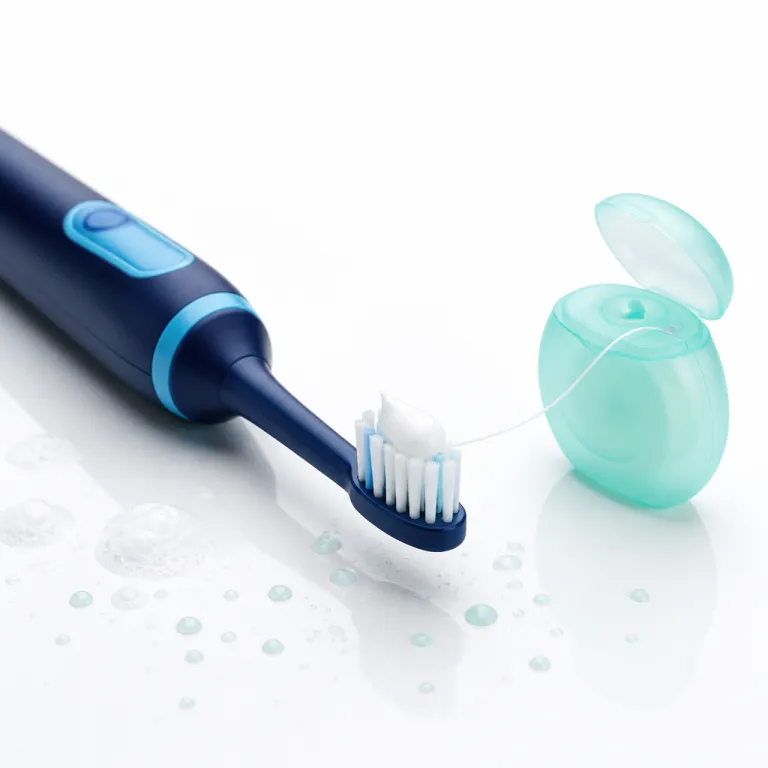
Should you floss or brush first when you use an electric toothbrush ?
Many people with electric toothbrushes still wonder whether they should floss or brush first for the best oral health and cleaner teeth. When you understand how dental plaque forms on each tooth and how different flossing–brushing sequences change its removal, the daily hygiene routine becomes more strategic. The order you choose for brushing teeth and using floss can influence how much plaque, food debris, and trapped food particles you remove from your mouth.
Dental plaque is a sticky biofilm that clings to teeth and gum margins, and it hardens into tartar if you do not remove plaque effectively. Electric brushing can disrupt plaque on exposed surfaces, but it cannot always reach tight spaces where flossing first or flossing after brushing is needed to protect oral hygiene. That is why every dentist insists you should floss as well as brush, not treat floss as an optional extra in your hygiene routine.
When people ask whether they should brush first or floss first, they are really asking how to get better protection against gum disease and tooth decay. If you use an electric brush with a timer and pressure sensor, you already support your oral health, yet the sequence of brushing and flossing still matters. The key is choosing a routine that lets fluoride toothpaste, mouthwash, and mechanical cleaning work together on every tooth surface and along every gum line.
Quick guide for skimmers: (1) Use an electric toothbrush for two minutes with fluoride toothpaste. (2) Clean between teeth with floss or an interdental tool once a day. (3) Try flossing first for a week, then brushing first for a week, and keep the order that makes you floss consistently.
What science says about floss first versus brush first
Clinical research comparing people who floss first with those who brush first shows a measurable difference in fluoride levels around teeth. In a controlled trial by Kwon et al. (Journal of Periodontology, 2018; doi:10.1902/jop.2017.170370), participants who flossed before brushing had significantly higher fluoride concentrations in interdental plaque (mean increase of roughly 30 % compared with brushing first). When you floss first, you dislodge plaque, biofilm, and trapped food particles from between teeth, so fluoride from toothpaste can coat those newly exposed surfaces more effectively.
In contrast, people who brush first with an electric toothbrush remove surface plaque but may leave compacted debris between teeth if they delay flossing until later. That means the fluoride in toothpaste and any fluoride mouthwash might not reach the tight spaces where tooth decay frequently begins, particularly in patients with sensitive teeth or crowded dental arches. For many adults, flossing first before brushing teeth with an oscillating or sonic brush offers a practical way to remove plaque more thoroughly and improve interdental hygiene scores.
However, some patients find they are more likely to skip floss if they do not brush first, so behavioural habits matter as much as dental science. If brushing teeth with your electric device motivates you to continue with flossing, then a brush first approach may still improve oral health compared with irregular flossing. The most effective hygiene routine is the one you can maintain twice a day with consistent flossing, careful brushing, and thoughtful use of toothpaste and mouthwash.
For people who struggle with manual floss, pairing an electric toothbrush with a compact water flosser can make interdental cleaning easier. A two in one teeth cleaning kit with a rechargeable oral irrigator can help remove plaque and food particles from around braces, bridges, and implants where string floss is awkward. In these cases, whether you should brush or should floss first may depend on the device settings, your dexterity, and your dentist’s personalised advice.
How electric toothbrushes change the flossing brushing equation
Electric toothbrushes deliver thousands of movements per minute, so they can remove plaque more efficiently from tooth surfaces than many people achieve with a manual brush. This power means that when you floss first, you leave less plaque for the electric brush to tackle, allowing it to polish enamel and massage gum tissue more gently. For users with sensitive teeth or early gum disease, that gentler action can support better long term oral health and more comfortable daily cleaning.
When you brush first with an electric device, you spread fluoride toothpaste across every tooth and along the gum line, then follow with flossing to clear remaining debris. Some dental professionals argue this brush first pattern helps people feel their mouth is already clean, which encourages them to take time with flossing rather than rushing. Others prefer flossing first because it forces plaque, biofilm, and food particles out before the brushing teeth stage, maximising the contact between fluoride and clean enamel.
In practice, the best choice between floss first and brush first depends on your habits, your dental history, and your willingness to use both tools daily. People with orthodontic appliances or fixed retainers often need a more structured hygiene routine that combines an electric brush, interdental brushes, and sometimes a water flosser. For these patients, guidance from an orthodontist on what works with braces, wires, and aligners can be more important than the exact order of brushing and flossing.
Floss technology has also evolved, with refillable floss systems and eco friendly cartridges that sit neatly beside your electric brush. Keeping a dispenser next to the charging base removes one more barrier to daily flossing and makes interdental cleaning feel like a normal part of using your electric toothbrush. When floss is visible and convenient, you are more likely to decide you should floss before or after you should brush, rather than skipping it entirely.
Designing an effective hygiene routine step by step
Start by deciding whether you are more likely to floss first or brush first on busy mornings, because consistency matters more than perfection. If you choose to floss first, slide the floss gently between teeth, curve it around each tooth, and clean just under the gum edge to remove plaque, biofilm, and food particles. This careful flossing first technique protects gum tissue while preparing the mouth for brushing teeth with fluoride toothpaste.
Next, apply a pea sized amount of fluoride toothpaste to your electric brush head and place it at a 45 degree angle to the gum line. Move slowly from tooth to tooth, letting the device do the work while you guide it, and spend at least two minutes so you thoroughly remove plaque from all surfaces. People with sensitive teeth can select a softer brushing mode and a low abrasion toothpaste to maintain oral hygiene without causing discomfort or enamel wear.
If you prefer to brush first, complete the same two minute routine, then follow with flossing to clear any remaining debris and distribute fluoride between teeth. Rinse lightly or simply spit out excess foam, because leaving a thin film of fluoride on enamel can be better for long term oral health. Finish with an alcohol free fluoride mouthwash if your dentist recommends it, swishing around every tooth and gum margin to reinforce protection against tooth decay and gum disease.
Whatever order you choose, schedule your hygiene routine at the same times each day to build a stable habit. Many people find that linking brushing and flossing to existing rituals, such as after breakfast and before bed, reduces the risk of skipping either step. Over time, the question of whether you should brush or should floss first becomes less important than the fact that you always do both thoroughly.
Special situations : sensitive teeth, braces, and gum disease
People with sensitive teeth often worry that flossing and brushing will trigger pain, so they sometimes avoid interdental cleaning altogether. In these cases, using a soft floss, a gentle water flosser, or waxed variants can make floss first more comfortable while still helping to remove plaque, biofilm, and food particles. Pairing this with a low abrasion fluoride toothpaste and a sensitive mode on the electric brush supports oral health without aggravating exposed dentine.
Patients with braces, bridges, or dental implants face extra challenges because brackets and connectors trap plaque and food debris around each tooth. For them, the decision to brush first or floss first may depend on whether they use threader floss, interdental brushes, or an irrigator to maintain oral hygiene. Often, orthodontists recommend brushing teeth with an electric device to loosen plaque, then using specialised floss tools to clean under wires, around brackets, and along gum lines.
When gum disease is already present, dentists usually emphasise that you should floss every day, regardless of whether you prefer flossing first or after brushing. Inflamed gums bleed more easily, but gentle flossing and careful brushing can gradually reduce inflammation as plaque levels fall and oral hygiene improves. In these high risk cases, the sequence of should you floss or brush first matters less than meticulous technique, regular check ups, and tailored advice on toothpaste, mouthwash, and fluoride use.
People with a history of rapid tooth decay may benefit from a more structured hygiene routine that includes night time fluoride mouthwash. Here, flossing first before the final brushing teeth session can help fluoride reach every vulnerable surface, especially around old fillings, crowns, and deep grooves. Over months, this disciplined approach can stabilise oral health, reduce sensitivity, and lower the risk of new cavities forming between teeth.
Making the choice : what you should do today
If you are still undecided about whether you should floss or brush first, start by testing each sequence for a week and noticing how your mouth feels. Many people report that when they floss first, their teeth feel smoother after brushing and their breath stays fresher, suggesting better plaque removal and cleaner interdental spaces. Others prefer to brush first because the immediate clean sensation motivates them to complete flossing rather than postponing it.
Ask yourself which pattern makes you less likely to skip floss, because that is the pattern you should adopt as your default hygiene routine. If flossing first feels like a chore, try brushing teeth with your electric device, then using floss while watching a short video or listening to music. Turning brush and floss time into a small ritual can transform oral hygiene from an obligation into a predictable, almost automatic habit.
Remember that the core goal is to remove plaque and food particles from every tooth surface and along every gum margin twice a day. Whether you choose floss first or brush first, combine a quality electric brush, a fluoride toothpaste, and a suitable mouthwash to protect against tooth decay and gum disease. Over time, this consistent attention to oral hygiene will matter far more for your dental health than any single rule about the exact order of brushing and flossing.
Key figures on flossing, brushing, and oral health
- In large population surveys from the World Health Organization, severe gum disease affects roughly 19 % of adults worldwide (WHO Global Oral Health Status Report, 2022), and inadequate flossing and brushing is a major contributing factor.
- Systematic reviews in leading dental journals report that electric toothbrush users can reduce plaque by around 20 % more than manual brush users after several months (for example, Yaacob et al., Cochrane Database of Systematic Reviews, 2014; doi:10.1002/14651858.CD002281.pub3), which strengthens the case for combining electric brushing teeth with daily flossing.
- Research comparing floss first and brush first routines has found higher fluoride concentrations in interdental plaque when people floss first (Kwon et al., Journal of Periodontology, 2018; doi:10.1902/jop.2017.170370), suggesting that flossing first may offer a small but meaningful advantage for preventing tooth decay between teeth.
- Public health data from several European countries indicate that people who maintain consistent oral hygiene, including both brushing and flossing, are significantly less likely to lose teeth prematurely, underlining the long term value of a stable hygiene routine.
FAQ : should you floss or brush first with an electric toothbrush ?
Is it better for my teeth to floss first or brush first ?
Evidence suggests that flossing first can help fluoride from toothpaste reach between teeth more effectively, which may slightly improve protection against tooth decay. However, if brushing first makes you more likely to floss at all, that sequence may be better for your personal oral health. The best choice is the one that leads to thorough cleaning of every tooth and gum margin twice a day.
Does using an electric toothbrush change whether I should floss first ?
An electric toothbrush removes plaque more efficiently from exposed surfaces, but it still cannot fully clean between teeth. You still need flossing or another interdental method, whether you decide to floss first or after brushing. The electric device improves brushing teeth, while floss or a water flosser targets the spaces your brush cannot reach.
Can mouthwash replace flossing if I brush thoroughly ?
Mouthwash, even with fluoride, cannot mechanically remove plaque, biofilm, and compacted food particles from between teeth. It works best as a supplement to brushing and flossing, not as a substitute for interdental cleaning. For healthy gums and strong enamel, you should brush and you should floss, then use mouthwash if your dentist recommends it.
What if my gums bleed when I floss first ?
Bleeding gums often indicate inflammation from plaque buildup rather than damage from floss itself, especially when you use gentle technique. Continue flossing and brushing carefully for a week or two, and the bleeding usually decreases as oral hygiene improves. If bleeding persists or worsens, consult a dental professional to check for gum disease or other oral health problems.
How long should my daily hygiene routine take with an electric toothbrush ?
A complete routine of brushing teeth with an electric device for two minutes, plus careful flossing between every tooth, typically takes about four to five minutes. Adding a short rinse with fluoride mouthwash may extend this to six minutes, but the extra time significantly benefits long term dental health. Treat those minutes as a daily investment in keeping every tooth and gum as healthy as possible.