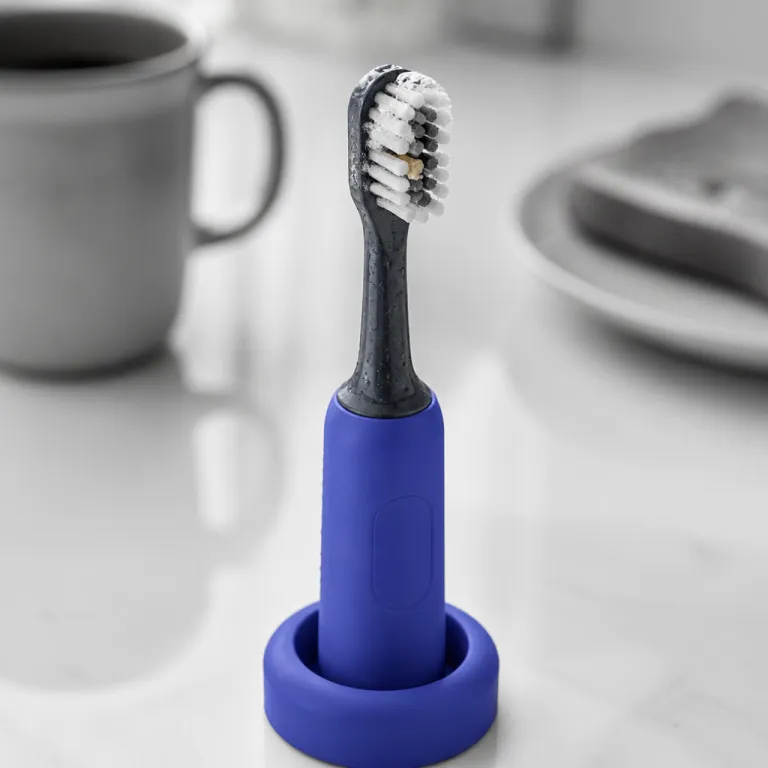
Why the timing of brushing matters more than you think
Your decision to brush teeth before or after breakfast quietly shapes your oral health every single day. During the night, bacteria in the mouth multiply, forming a sticky film on teeth and along the gums that an electric toothbrush can remove more efficiently than most manual brushes. That is why dental medicine specialists keep stressing that your morning routine is not just about fresh breath but about long term protection for tooth enamel and overall dental health.
When you wake up, that bacteria mouth layer has already started producing acids that can irritate gums and weaken enamel. If you brush teeth before breakfast with a fluoride toothpaste, you sweep away much of that bacteria and coat teeth with a protective layer before eating or drinking anything acidic. Brushing teeth at this stage means your toothbrush is working against plaque, not grinding breakfast acids deeper into softened enamel surfaces.
The main timing dilemma is simple to state but less simple to solve. Many people like to eat breakfast first, then brush after eating because their mouth feels cleaner that way and they want to share a fresh smile at work. Others prefer brushing before breakfast because they care more about oral hygiene science than about the taste of toothpaste mixing with coffee or juice during the morning meal.
Electric models such as the Oral B Pro 1000 or the Philips Sonicare ProtectiveClean 6100 do not change the chemistry of enamel, but they do change how consistently you follow your chosen schedule. A built in two minute timer nudges you to give teeth, gums and tooth enamel the full recommended brushing time, whether you brush before or after breakfast. That consistency matters more for oral health than chasing a perfect but unrealistic routine you will abandon after a week.
The science case for brushing before breakfast
If you want the most protective option, brushing before breakfast usually wins. When you brush before eating, you remove overnight plaque and bacteria mouth buildup, then leave fluoride from the toothpaste on teeth before they face coffee, juice, or toast. That fluoride layer acts like a raincoat for enamel, so acids from eating breakfast have a harder time penetrating and damaging tooth enamel during the rest of the morning.
Think about what actually happens if you eat breakfast first and only brush teeth after breakfast with a strong electric toothbrush. The food and drinks you eat and drink, especially citrus, fruit juice, or sweetened coffee, temporarily soften enamel and make teeth after exposure more vulnerable to abrasion. If you then scrub hard with a stiff toothbrush head, brushing after that acid hit can remove softened enamel instead of just plaque, which is the opposite of good dental care.
Brushing before breakfast with an electric toothbrush also helps people who rush their morning routine. You can roll out of bed, head to the bathroom, and let the built in timer guide you through two full minutes of brushing teeth before you even think about what to eat. That way, even if you later forget to brush after eating, your oral hygiene has already had one solid, fluoride rich session that supports long term oral health.
For anyone with braces, implants, crowns, or veneers, brushing before breakfast is even more compelling. Orthodontic brackets and dental work trap more bacteria in the mouth, so clearing that film early reduces the risk of inflamed gums and staining around hardware. If you are comparing electric toothbrushes and braces guidance, a detailed resource on what orthodontists recommend for electric models can help you match your timing habits with the right brush head and pressure sensor.
When you prefer brushing after breakfast: how to do it safely
Some people simply cannot stand the taste of orange juice over minty toothpaste, so they insist on brushing teeth after breakfast. That preference is fine for oral health, as long as you respect how long enamel stays softened after eating and adjust your timing. The key is to wait minutes before brushing after acidic foods or drinks, so you are not sanding down tooth enamel that has not yet rehardened.
A practical rule is to wait at least 30 minutes after eating or drinking anything acidic before you pick up your toothbrush. During that waiting period, rinse your mouth thoroughly with plain water to dilute acids and wash away loose food particles from around teeth and gums. You can also chew sugar free gum to stimulate saliva, which naturally buffers acids and helps enamel recover before after you brush.
Electric toothbrushes are especially helpful for people who insist on brushing after breakfast but want to avoid damage. Choose a model with a pressure sensor that flashes or vibrates when you press too hard, because aggressive brushing after eating is what really harms softened enamel. Softer bristles and a sensitive mode can turn brushing after breakfast into a gentle polish instead of a harsh scrub that undermines dental health.
If you are setting up your child’s first electric toothbrush, timing habits matter as much as the device itself. Many families find it easier to build a playful morning routine where kids eat breakfast first, then wait minutes while getting dressed before brushing teeth with a kid friendly timer. A step by step checklist for a child’s electric toothbrush setup can help you teach them why brushing before or after breakfast is not just a rule but a way to care for their growing enamel.
Electric toothbrush advantages in the morning routine
Switching from a manual brush to an electric toothbrush changes more than just the buzzing sound in your bathroom. Oscillating rotating or sonic models deliver thousands of movements per minute, which means they remove more plaque and bacteria from the mouth in the same two minutes of brushing. That efficiency matters whether you brush teeth before breakfast, after breakfast, or both, because the real goal is consistent plaque control rather than chasing perfection.
Timers built into most electric toothbrushes solve one of the biggest human problems in oral hygiene. People routinely overestimate how long they spend brushing teeth, often quitting after 40 seconds when they think they have hit two full minutes. With a timer that pulses every 30 seconds, you are nudged to give each quadrant of teeth equal care, which improves dental health whether you brush before or after eating.
Pressure sensors are another quiet advantage, especially if you like brushing after breakfast when enamel may still be slightly softened. Instead of grinding the brush head into teeth and gums, the handle warns you to ease up, protecting tooth enamel from unnecessary wear. This is particularly valuable for people with sensitive teeth after acidic drinks, because they can still clean thoroughly without worsening sensitivity.
If you have implants, crowns, or veneers, timing and technique become even more critical. An in depth guide on using an electric toothbrush around implants, crowns, and veneers explains how to angle the brush and choose modes that protect both natural enamel and dental work. Pairing that guidance with a consistent morning routine, whether you brush before breakfast or focus on brushing after eating, gives you a realistic plan you can follow every day.
Night brushing, fluoride, and a simple rule you can follow
Amid all the debate about whether to brush teeth before or after breakfast, one fact stands above the rest. Brushing teeth thoroughly at night with a fluoride toothpaste is non negotiable for good oral health, because it removes the day’s plaque and food debris before a long period of reduced saliva flow. If you skip night brushing, bacteria in the mouth feast on leftover sugars for hours, producing acids that attack tooth enamel while you sleep.
There is also a quiet myth about rinsing that deserves attention. Many people brush, then immediately rinse their mouth vigorously with water, washing away much of the fluoride that should stay on teeth for extra protection. A gentler approach is to spit out excess toothpaste foam but avoid a long rinse, so a thin film of fluoride remains on enamel and continues to support dental health between meals.
So what is the clear rule you can actually use tomorrow morning. If you want maximum protection, brush teeth before breakfast with a fluoride toothpaste, then rinse with water after eating and only brush again later if you have time and your enamel has recovered. If you strongly prefer brushing after breakfast, rinse with water right after eating, wait minutes before brushing, and use a soft bristled electric toothbrush with a pressure sensor to protect tooth enamel.
Either way, focus on two full minutes of brushing teeth twice a day, gentle pressure, and regular dental care visits. That combination does more for oral hygiene and long term dental medicine outcomes than obsessing over a perfect before after schedule you cannot maintain. In the end, the best morning routine is not the one that looks ideal on paper, but the one your half awake self will actually follow when the alarm goes off.
FAQ
Is it better for oral health to brush before or after breakfast
From a protective standpoint, brushing before breakfast is usually better because it removes overnight plaque and bacteria and leaves fluoride on teeth before they face acidic foods or drinks. Brushing after breakfast can still be healthy if you wait at least 30 minutes after eating and use gentle pressure with a soft bristled or electric toothbrush. The most important factor is brushing thoroughly twice a day with fluoride toothpaste rather than the exact timing alone.
How long should I wait to brush after eating breakfast
If you choose to brush after breakfast, wait about 30 minutes before brushing. This pause allows saliva to neutralize acids and lets softened enamel reharden so it is less vulnerable to abrasion from brushing. In the meantime, rinse your mouth with water or chew sugar free gum to help clear food particles and support enamel recovery.
Does an electric toothbrush change whether I should brush before or after breakfast
An electric toothbrush does not change the underlying science of enamel softening, so the basic timing rules stay the same. What it does change is consistency, because built in timers and pressure sensors help you brush for a full two minutes with gentle force whether you brush before or after breakfast. That consistency in technique and duration often matters more for long term oral hygiene than the exact moment you brush.
Should I rinse my mouth with water right after brushing
Rinsing vigorously with a lot of water right after brushing can wash away much of the fluoride that should stay on teeth for extra protection. A better approach is to spit out the excess toothpaste but avoid a long rinse, or use only a small sip of water if needed. Leaving a thin film of fluoride on tooth enamel helps strengthen it between meals and supports better dental health.
Is night brushing more important than the morning timing question
Yes, brushing thoroughly at night is more critical than whether you brush before or after breakfast. Night brushing removes the day’s plaque and food debris before a long period of low saliva flow, which greatly reduces the risk of cavities and gum disease. Once that habit is solid, you can fine tune your morning routine to match your preferences while still protecting enamel.