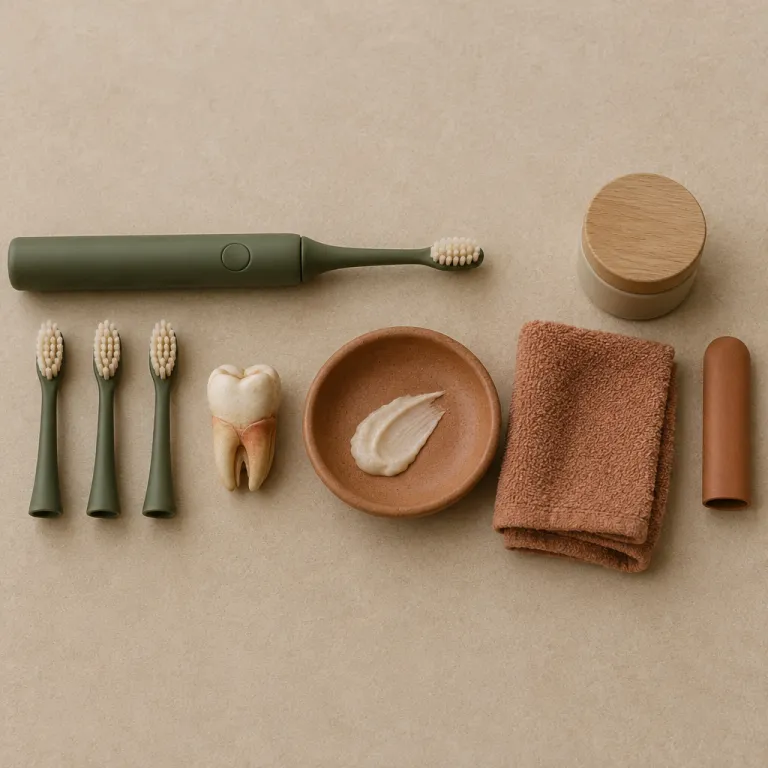
Why brushing with gum recession feels risky, and what is really at stake
Brushing with gum recession feels like walking a tightrope between pain and protection. When gums pull back, the softer root surface of each tooth is exposed, and that root dentin is far more vulnerable than the glossy enamel that once covered it. Many people blame their electric toothbrush for receding gums, yet the real culprits are usually aggressive brushing pressure, poor oral hygiene habits, and untreated gum disease that quietly erodes gum tissue over time.
To understand why recession matters, picture the gum tissue as a protective collar that seals around the teeth and shields the underlying bone. When that collar shrinks, the root surface and the tiny ligament fibers that support gum attachment are left open to wear, decay, and sensitivity from hot, cold, or sweet foods. Early gum recession can start with mild inflammation from plaque that you did not fully remove, then progress into periodontal disease where the supporting bone and gum health decline together if dental care and treatment are delayed.
Once the root is exposed, the tooth surface is softer and easier to damage with aggressive brushing or a hard bristled toothbrush. A standard manual brush with stiff bristles can act like sandpaper on that exposed tissue, especially when someone scrubs horizontally along the gumline. That is why a soft bristled electric toothbrush, used with a lighter touch and better technique, can actually help support gum health and remove plaque more safely than rushed recession brushing with a worn manual brush.
Does an electric toothbrush cause gum recession, or does technique do the damage ?
People often arrive at the dentist convinced that electric toothbrushes caused their gum recession. In reality, dental research and everyday clinical experience show that pressure, angle, and time matter far more than whether you use electric toothbrushes or a manual bristled toothbrush. When you push too hard, brush teeth too often, or scrub sideways along the gums, you create a perfect storm for recession gum problems and long term oral health damage.
Most modern electric toothbrush models from brands like Oral B and Philips Sonicare include pressure sensors that light up or slow the motor when you press too hard. That feature is not a gimmick ; it is a built in coach that can help you avoid aggressive brushing on delicate gum tissue and exposed roots. For older adults or anyone with sensitive gums, pairing a pressure sensor with a soft bristled head and a gentle mode can transform recession brushing from something that hurts into a routine that genuinely supports gum health and comfort, as highlighted in this guide to gentler gum protection for seniors.
When dentists see receding gums, they look for a pattern that tells a story about technique and oral hygiene. Notches on the outer surfaces of teeth near the gumline often point to years of hard horizontal brushing with a firm toothbrush, while generalized inflammation suggests plaque buildup and early periodontal disease. The electric toothbrush itself is rarely the villain ; instead, it is how you brush with it, how long you brush, and whether you combine it with regular dental care and professional cleanings that determines whether gum recession stabilizes or continues to worsen.
Protecting exposed roots: a step by step electric brushing technique for receding gums
Once you are brushing with gum recession, the goal shifts from just cleaning to protecting exposed roots. Start by choosing a soft bristled or extra soft sensitive head for your electric toothbrush, because stiff bristles can shred fragile gum tissue and wear down root dentin. If your brush offers modes, select a sensitive or gum care setting, which lowers the intensity and gives you a safer baseline for daily oral care.
Next comes the angle, which is where many people with receding gums go wrong and end up worsening recession gum problems. Hold the toothbrush so the bristles meet the gumline at about 45 degrees, letting half the bristle tips rest on the gums and half on the teeth, then let the oscillating or sonic motion do the work instead of scrubbing back and forth. Glide slowly along each tooth, pausing for a second or two at every spot, and trust the built in timer to guide you through a full two minute routine that balances plaque removal with gentle gum health support, as explained in this practical guide to starting with an electric brush when your gums are sensitive.
On the most sensitive recession areas, lighten your grip until the handle almost feels like it could slip from your hand. That relaxed hold naturally reduces pressure on the tooth and gum tissue, which protects against further wear while still allowing you to remove plaque along the gumline. If your electric toothbrush has a smaller head, use it to trace around each tooth individually, especially near any gum grafting sites, because precise, gentle brushing there can help support gum healing and long term oral health stability.
Managing tooth sensitivity and choosing products that respect receding gums
Tooth sensitivity often flares when gum recession exposes the root surface and tiny tubules inside the dentin. Those microscopic channels lead straight to the nerve, so cold air, ice water, or even gentle brushing can trigger sharp pain that makes people avoid proper oral hygiene. The right combination of toothpaste, brush head, and technique can calm that sensitivity while still protecting gum health and overall oral health.
Look for a fluoride toothpaste labeled for sensitivity, which usually contains ingredients that block those dentin tubules over time. These formulas help reduce nerve response while fluoride strengthens the tooth surface, making it more resistant to decay along the exposed root where gum tissue has receded. Be cautious with abrasive whitening pastes, because on receding gums and exposed roots they can act like a polishing compound that accelerates wear, especially when combined with aggressive brushing or a hard bristled toothbrush.
If sensitivity spikes suddenly in one area, that is a signal to schedule a visit with your dentist or hygienist rather than just switching products. Localized pain, visible notches at the gumline, or bleeding gums can indicate early periodontal disease, cracked tooth structure, or the need for targeted treatment such as bonding or gum grafting. Your dental care team can help you adjust your electric toothbrush settings, refine your recession brushing technique, and choose a soft bristled head that supports gum tissue healing instead of aggravating already receding gums.
When gum recession means it is time to see a dentist, not just switch brushes
Some gum recession is a normal part of aging, but rapid changes or deep pockets around teeth are not. If you notice that more tooth surface is visible month to month, or you feel a step where the gum used to be smooth, that is a sign to book a dental exam rather than simply changing your toothbrush. Persistent bad breath, loose teeth, or gums that bleed easily can signal periodontal disease that needs professional treatment to protect both gum health and long term oral health.
Dentists evaluate receding gums by measuring the distance from the gum margin to a fixed point on the tooth, then tracking those numbers over time. When recession combines with bone loss and inflammation, they may diagnose periodontal disease and recommend deep cleaning, localized antibiotics, or gum grafting to rebuild lost gum tissue. In milder cases, they might focus on coaching you through better oral hygiene, adjusting your electric toothbrush technique, and addressing habits like grinding that can worsen recession gum problems.
Professional guidance matters because not all recession is caused by brushing, and not all receding gums respond to the same treatment plan. For example, a tight frenum attachment, misaligned teeth, or thin gum tissue from birth can all predispose someone to gum recession even with excellent dental care. Your dentist can separate what is driven by aggressive brushing from what is structural, then help you use your electric toothbrush and soft bristled heads in a way that supports gum stability rather than triggering further tissue loss.
Habits that slow further recession: pressure control, timing, and daily routines
Once you understand why you are brushing with gum recession, the next step is building habits that slow it down. Think of your electric toothbrush as a precision tool that can either protect or damage depending on how you use it each day. Small changes in pressure, timing, and routine can dramatically reduce the risk of further gum tissue loss and tooth sensitivity.
First, respect the two minute rule and resist the urge to over brush teeth, because more time with heavy pressure does not equal better oral hygiene. Use the built in timer on your electric toothbrush to divide your mouth into quadrants, then let the brush glide gently along the gumline without scrubbing, especially over any gum grafting sites or areas of advanced recession. If your model has a pressure sensor, treat that light or vibration as a non negotiable stop sign that tells you to ease off and protect your gums, not as an optional suggestion you can ignore when you feel rushed.
Second, look beyond brushing to habits that quietly stress your gums and teeth, such as nighttime grinding or clenching. These forces can flex the tooth at the gumline, contributing to notches and receding gums even when your oral hygiene is excellent and your dental care is consistent. A custom night guard, combined with gentle recession brushing and a soft bristled toothbrush head, can help support gum stability and reduce the need for more invasive treatment later.
Choosing the right electric toothbrush when you already have gum recession
If you are replacing an aging electric toothbrush while dealing with gum recession, focus less on flashy apps and more on features that protect gum tissue. Look for a model with a reliable pressure sensor, at least one sensitive or gum care mode, and easy access to soft bristled replacement heads. A compact brush head is often better for receding gums, because it lets you navigate along the gumline and around dental work without scraping exposed roots.
Battery life and noise level matter too, but mostly because they influence whether you will actually maintain consistent oral hygiene. A brush that dies mid week or sounds like a power tool is more likely to end up in a drawer, which leaves plaque on teeth and gums and increases the risk of gum disease and further recession. For families juggling different needs, it can help to build a shared routine anchored by a reliable device, using guides such as this back to school brushing playbook to keep everyone on track without over brushing or aggressive brushing.
When you compare electric toothbrushes, ask one simple question : how does this model help me remove plaque while protecting my receding gums and exposed roots. The best choice is the one that makes gentle, thorough brushing feel automatic on a Monday morning, not the one with the longest feature list or the brightest screen. In the end, your gums respond to consistent, careful dental care and smart recession brushing habits, not marketing claims, and the right toothbrush is the one that quietly supports gum health every single day.
Key figures on gum recession, sensitivity, and electric brushing
- Population studies from the Journal of Periodontology report that more than 50 % of adults show at least one site of gum recession, highlighting how common receding gums are even in people who think their oral health is good.
- Clinical trials comparing electric toothbrushes with manual brushes have found up to 21 % better plaque removal and significant reductions in gum bleeding scores after three months, which supports the role of powered brushing in protecting gum health when used gently.
- Research on dentin hypersensitivity indicates that around 25 % to 30 % of adults experience tooth sensitivity, and the prevalence is higher in people with exposed root surfaces from gum recession and periodontal disease.
- Long term follow up studies on periodontal disease show that patients who maintain regular professional cleanings every three to six months have significantly lower rates of tooth loss than those who rely on home care alone, underlining the importance of combining electric brushing with ongoing dental care.
- Data from clinical evaluations of gum grafting procedures suggest that many treated sites remain stable for five years or longer when patients follow tailored oral hygiene instructions and avoid aggressive brushing on the grafted gum tissue.
FAQ about brushing with gum recession and electric toothbrushes
Can I keep using an electric toothbrush if I have gum recession ?
Yes, you can usually keep using an electric toothbrush when you have gum recession, and in many cases it is safer than a manual brush if you use it correctly. The key is to choose a soft bristled or sensitive head, use a gentle or gum care mode, and let the brush glide along the gumline without scrubbing. If you are unsure, ask your dentist or hygienist to watch your technique and adjust it to protect exposed roots and gum tissue.
How hard should I press when brushing receding gums with an electric brush ?
When you are brushing with gum recession, you should apply only light pressure, just enough to keep the bristles in contact with the teeth and gums. If your electric toothbrush has a pressure sensor, aim to keep it from activating at all during normal brushing. A relaxed fingertip grip on the handle usually provides the right amount of force to remove plaque without damaging gum tissue or exposed root surfaces.
Will switching to a softer bristled toothbrush head really help my receding gums ?
Switching to a soft bristled or extra soft head can significantly reduce mechanical trauma to receding gums and exposed roots. Stiff bristles combined with aggressive brushing can wear away gum tissue and root dentin, especially along the outer surfaces of the teeth. A softer head, used with a gentle technique, still removes plaque effectively while supporting gum health and comfort.
When does gum recession require treatment like gum grafting rather than just better brushing ?
Gum recession may require gum grafting or other periodontal treatment when the root surface is extensively exposed, sensitivity is severe, or the recession is progressing despite good oral hygiene. Your dentist or periodontist will assess the depth of the recession, the thickness of the remaining gum tissue, and any signs of periodontal disease before recommending surgery. In many mild to moderate cases, improving brushing technique, controlling plaque, and addressing grinding can stabilize receding gums without immediate grafting.
Can better oral hygiene alone reverse gum recession once it has started ?
Improved oral hygiene and gentle electric brushing can stop gum recession from getting worse, but they usually cannot regrow lost gum tissue on their own. Healthy gums can tighten and become less inflamed, which sometimes makes recession look slightly less obvious, yet the original gumline height rarely returns without surgical treatment. That is why early attention to gum health, pressure control, and regular dental care is so important when you first notice receding gums.