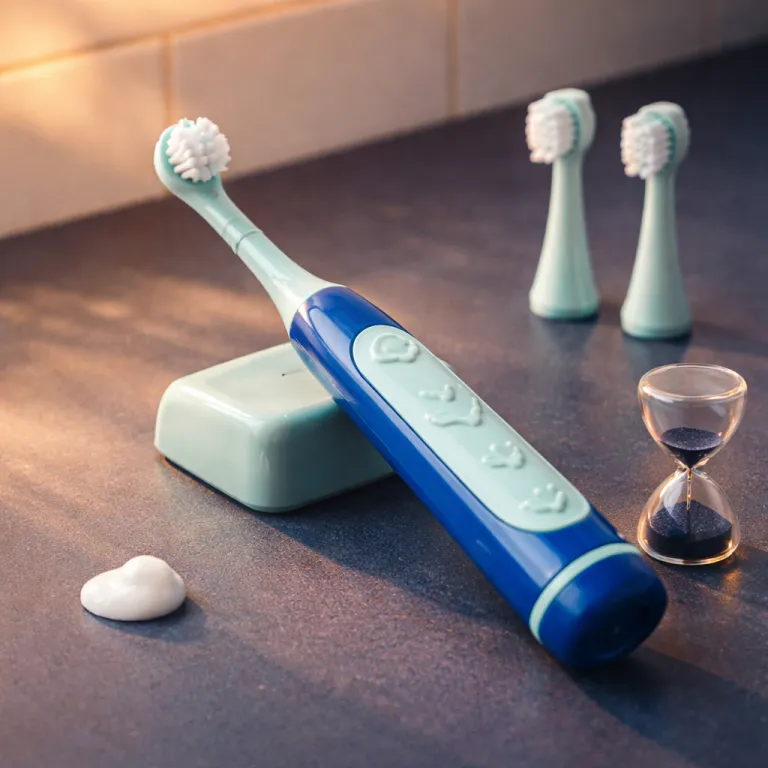
How age shapes the best kids electric toothbrush choice
Parents often ask when kids are ready for an electric toothbrush. Around three years old, most children can start using carefully chosen kids electric toothbrushes with close supervision and very short sessions. At this stage, the goal is gentle brushing and building a calm, predictable routine rather than chasing perfectly clean teeth.
For a baby or toddler under three years, a manual baby toothbrush with extra soft bristles and a tiny brush head usually remains safer. Pediatric dentistry guidelines emphasise that parents should do the brushing for baby children, because fine motor control is not mature enough to move a brush safely and effectively. You can still introduce the idea of an electric toothbrush by letting a child hold a switched off handle while you clean their teeth with a manual brush.
Between three and six years, a small rechargeable toothbrush designed for kids becomes realistic if you stay hands on. Look for kids design handles that are chunky and grippy, with a compact head and soft bristles that flex easily around small teeth and gums. A two minute timer is useful, but many young children will only tolerate one minute at first, so you can gradually add time as their confidence grows.
From six to eight years, most kids can transition toward more independent brushing with a kids electric model. You still need to spot check their teeth, especially the back molars where plaque hides and food sticks. Think of this as co brushing, where the child controls the brush but you guide angles, pressure, and coverage.
By ten years old, many children are ready for more grown up electric toothbrushes with extra modes. A compact adult sonic electric brush with a small brush head can work well if it still offers soft bristles and a pressure sensor. At this age, the best toothbrush for a child is usually the one they will actually use twice a day without a fight.
Core features that make a kids electric toothbrush truly child friendly
When you compare electric toothbrushes for children, size and softness matter more than flashy extras. A genuinely child friendly electric toothbrush uses a small rounded head, soft bristles, and a gentle sonic electric or oscillating motion that feels more like a tickle than a drill. If your child complains that the brush hurts, they will simply stop brushing when you are not watching.
Look closely at brush heads marketed for kids electric models, because not all are equal. The best kids electric toothbrush options use brush heads with tapered soft bristles that bend around tiny teeth and along the gumline. Replacement brush heads should be easy to find and clearly labelled for ages, so you can swap from baby toothbrush style heads to larger kids sonic heads as your child grows.
A built in minute timer is non negotiable for most families, because kids rarely judge time well. Some kids electric toothbrushes break the two minute cycle into four thirty second bursts with fun sounds or lights, nudging children to move the brush from front to back and top to bottom. This simple structure helps children cover every surface without you constantly counting aloud in the bathroom.
Grip and weight also influence whether a child accepts a rechargeable toothbrush. A slim, lightweight handle suits a younger child, while older kids often prefer a chunkier design that feels more like an adult electric toothbrush. If you are unsure how to balance these factors by age, a detailed guide on choosing safe and effective children’s toothbrushes for every age can help you match features to your child’s stage.
Battery life sounds like an adult concern, but it quietly shapes kids’ habits too. A reliable rechargeable electric toothbrush that lasts at least a week between charges avoids the nightly drama of a dead handle and a rushed manual brush. When the brush simply works every time, children are far more likely to build a stable oral routine that protects their teeth for years.
From baby toothbrush to big kid brush: step by step transitions
The jump from a baby toothbrush to a buzzing electric handle can feel huge for a small child. Instead of forcing a sudden switch, treat the best kids electric toothbrush as the final step in a series of gentle transitions. You are not just changing a tool, you are reshaping a daily ritual that anchors your child’s sense of safety.
Start with a baby toothbrush that has a tiny head, ultra soft bristles, and a chunky ring style handle that you can grip easily. Let your baby or toddler chew on the brush under supervision, so the feel of bristles against teeth becomes familiar and non threatening. At this stage, you still do the real brushing, but you can add a short playful turn where the child copies your motions.
When your child approaches three years, you can introduce a kids electric toothbrush in a low pressure way. Let them hold the switched off handle, touch the brush head to their palm, and listen to the sound before it ever goes near their teeth. Some parents even use a favourite toy in a pretend brushing game, which helps children see the electric brush as part of play rather than a medical device.
For especially cautious children, a toddler friendly sonic electric model with very soft bristles can bridge the gap. These brushes often run at lower power, so the vibration feels more like a gentle hum than a strong buzz against baby teeth. A guide on choosing the ideal toddler toothbrush for gentle daily care can help you decide when to move from manual to powered brushing.
As your child grows, gradually extend the time they control the brush while you supervise angles and coverage. By school age, many kids can manage most of the brushing themselves, with you stepping in for a quick final pass on the chewing surfaces and along the gumline. The key is to keep each transition small enough that your child’s confidence grows faster than their anxiety.
Gamification, apps, and letting kids feel in control
For many families, the best kids electric toothbrush is the one that turns brushing into a game. App connected brushes like Colgate Hum Kids use animated monsters on teeth that disappear as children brush, giving instant visual feedback that feels more like a phone game than a hygiene task. Parents can monitor progress through the app, spotting which areas of the mouth their child consistently misses.
Gamification works best in the first weeks, when novelty is high and kids are curious. Research on behaviour change shows that rewards and visual progress bars can significantly increase short term engagement, but routines only stick when children feel genuine ownership of the habit. That is why letting kids choose their own brush head colour, handle pattern, or kids design theme often matters more than yet another digital badge.
Some brands offer themed brush heads, including playful animal prints and even a design pet or pet edition pattern that appeals to animal loving children. Swapping brush heads every few months is not only good oral hygiene, it also gives you a chance to refresh interest with a new colour or character. When you frame each replacement brush as a small upgrade, kids are more likely to accept that heads and bristles must be changed regularly.
App based brushes can also help older kids and tweens who are edging toward adult style electric toothbrushes. A model recognised as a best electric toothbrush for teens, such as certain usmile sonic electric brushes, often pairs a sleek handle with subtle coaching through an app rather than cartoon characters. This respects a child’s growing maturity while still nudging them toward a full two minute clean.
Just remember that games alone rarely sustain habits for years. Rotate rewards, occasionally brush together as a family, and use the app data as a conversation starter rather than a surveillance tool. When children feel that brushing is something they do for their own health, not just to please an app, the routine becomes far more resilient.
Safety, pediatric dentistry guidance, and real world supervision
Safety with an electric toothbrush starts long before you press the power button. Pediatric dentistry organisations consistently advise that children under six years should brush only under close adult supervision, whether they use manual toothbrushes or kids electric models. Young kids simply cannot judge pressure, angle, or swallowing risk as reliably as adults can.
Choose brush heads that are securely attached and large enough not to pose a choking hazard if they ever came loose. Avoid very small detachable accessories for baby toothbrush products, and check that the head locks firmly onto the handle before every brushing session. If your child likes to chew the brush, inspect the bristles and plastic regularly for damage and replace the brush head at the first sign of wear.
Toothpaste quantity also matters for oral safety in children. For baby teeth under three years, use only a smear of fluoride toothpaste about the size of a grain of rice on the brush head. From three to six years, a pea sized amount is appropriate, and you should coach your child to spit rather than swallow the foam after brushing.
Many kids electric toothbrushes now include pressure sensors that slow or stop the motor if a child presses too hard. This feature protects both enamel and gums, especially when enthusiastic children treat brushing like scrubbing a dirty plate. A gentle sonic electric motion with soft bristles is usually safer than a harsh scrubbing action with stiff bristles, even if the latter feels more vigorous.
Finally, keep charging cables and chargers out of reach of very young children, and never let a child use a rechargeable toothbrush unsupervised in the bath. Water and electricity always demand caution, even with well designed electric toothbrushes that meet modern safety standards. A few simple routines around storage and supervision can keep the focus on clean teeth rather than preventable accidents.
Choosing specific models and planning for the whole family
Once you understand age stages and safety basics, specific product choices become easier. For many families, a dedicated kids electric toothbrush for younger children plus a more powerful sonic electric brush for parents and teens strikes the right balance. Shared handles with colour coded brush heads can work, but only if everyone is disciplined about swapping heads and charging.
Philips Sonicare offers several sonicare kids models that pair a slim rechargeable handle with soft bristles and child friendly graphics. The Philips Sonicare for Kids line, for example, uses gentle sonic electric vibrations and a built in minute timer that gradually increases brushing time as a child adapts. Replacement brush heads are widely available, which matters because you will be changing brush heads every three months or sooner if bristles splay.
Families with pets sometimes joke about needing a pet edition brush, but the more practical angle is durability. A robust handle that survives being knocked off the sink, chewed briefly by a curious dog, or dropped in the bath is worth more than an extra cleaning mode you never use. Some brands even lean into a design pet theme on the handle, which can delight animal loving kids and subtly encourage more frequent brushing.
If you are also upgrading adult brushes, it can be efficient to read in depth reviews of advanced sonic electric models that focus on plaque removal and gum care. A detailed test of a two in one vibrating flossing and sonic electric toothbrush, such as the one reviewed under the Airjet Max Jet Clean sonic electric toothbrush plaque removal test, can help you understand what high end technology actually feels like in daily use. Once you know how a premium brush behaves, you can better judge which kids features are essential and which are just marketing gloss.
In the end, the best toothbrush setup for your family is the one that fits your bathroom routines, your budget, and your children’s personalities. Some kids thrive with a simple sonicare kids handle and no app, while others need the full gamified experience of Colgate Hum Kids to stay engaged. What matters most is not the feature list, but the quiet, twice daily brushing that actually happens when the bathroom door closes.
Key statistics about kids and electric toothbrush habits
- According to the American Academy of Pediatric Dentistry (AAPD), children should start visiting a dentist by their first birthday, and early guidance on brushing is associated with a substantially lower cavity risk in the primary school years compared with children who receive no structured advice (see AAPD Reference Manual, Guideline on Infant Oral Health Care, updated 2022).
- Systematic reviews and randomised clinical trials summarised in Cochrane analyses report that powered toothbrushes remove more plaque than manual toothbrushes in both adults and children after several months of use, supporting the choice of a kids electric toothbrush once a child can tolerate the sensation (see Cochrane Oral Health Group review on powered versus manual brushing, most recently updated 2014).
- Surveys of parents in Europe report that only about 45 percent of children consistently brush for the full recommended two minutes, but compliance rises above 60 percent when brushes include a built in minute timer with engaging audio or visual cues (for example, data from European oral health behaviour surveys published between 2018 and 2021).
- Market research on app connected brushes indicates that daily active use of gamified brushing apps often drops by roughly one third after the first month, highlighting the need to pair digital rewards with offline routines and parental encouragement (see consumer usage reports from major oral care brands released in 2020 and 2021).
- Studies on fluoride toothpaste use in children show that parents frequently apply more than the recommended amount for kids under six years, which increases the risk of mild fluorosis and underlines the importance of using only a smear or pea sized portion depending on age (see AAPD and American Dental Association guidance on fluoride toothpaste quantities, updated 2019).
FAQ: practical questions about kids and electric toothbrushes
What age is safe for a child to start using an electric toothbrush ?
Most pediatric dentistry experts agree that around three years old is an appropriate time to introduce a kids electric toothbrush, provided an adult supervises every session. Before that age, a manual baby toothbrush with ultra soft bristles is usually safer and easier to control. Always let your child get used to the sound and vibration gradually before moving to full two minute brushing.
How do I choose the right brush head size and bristle type for my child ?
For toddlers and preschoolers, pick a very small rounded brush head with soft bristles that flex easily around tiny teeth and gums. School age kids can move to slightly larger brush heads, but the bristles should still be soft rather than medium or hard. If the brush leaves red marks on the gums or your child complains of soreness, switch to a softer head immediately.
Do kids really need a two minute timer on their electric toothbrush ?
Yes, a built in minute timer or quadrant timer is one of the most useful features on a kids electric toothbrush. Children are poor judges of time, and without a timer most will stop brushing after 30 to 40 seconds. A fun audio cue or light pattern that runs for the full two minutes helps them cover all tooth surfaces more reliably.
Are app connected brushes like Colgate Hum Kids worth it ?
App connected brushes can be very effective for reluctant brushers, especially in the first weeks when the novelty of chasing monsters on teeth is high. Parents also gain insight into which areas their child tends to miss, which can guide coaching. Over the long term, though, you still need offline routines and rewards, because app engagement often fades after the initial excitement.
How often should I replace my child’s electric toothbrush head ?
Most manufacturers and dental organisations recommend replacing brush heads every three months, or sooner if the bristles start to splay or fade in colour. Children who chew on the brush or press very hard may need replacement brush heads more frequently. Regular changes keep the bristles effective at plaque removal and reduce the build up of bacteria on the brush.