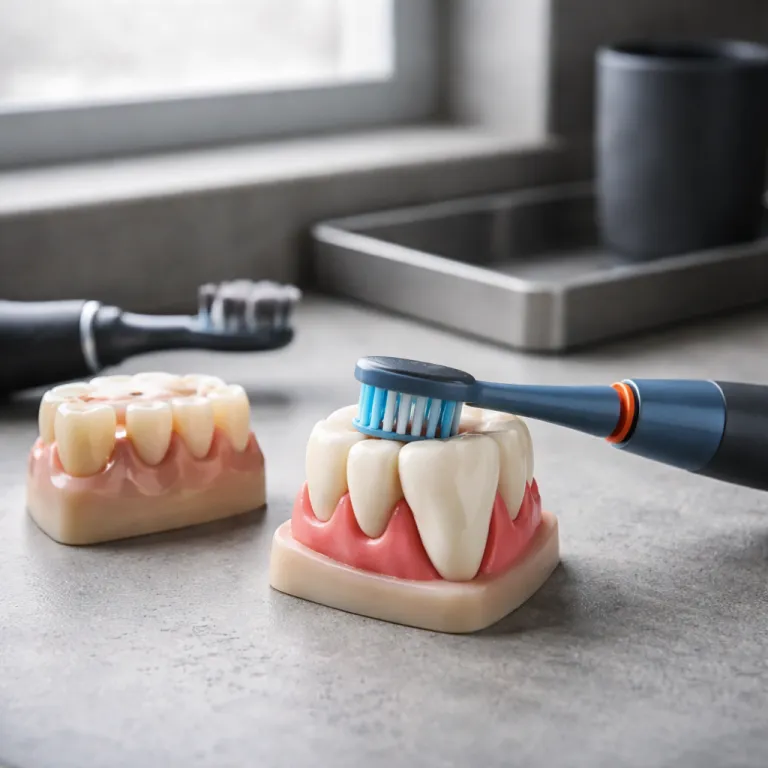
What an electric toothbrush pressure sensor actually does
An electric toothbrush pressure sensor is a tiny guardian for your gums. Inside the handle, a small strain gauge or piezoelectric element measures how much force your toothbrush applies against teeth and oral tissues, then the brush adjusts or alerts you when you push too hard. That means the electric toothbrush becomes less about raw power and more about controlled brushing that protects enamel and helps prevent gum recession.
Most modern electric toothbrushes use a combination of pressure and motion data to judge your brushing style. When the pressure sensor detects force above a manufacturer-specified threshold (typically in the range of roughly 150 to 200 grams in Oral-B and Philips Sonicare manuals), many models reduce motor intensity, change vibration patterns, or flash a light to warn you, which matters because sustained heavy pressure can wear away enamel faster than plaque accumulates. If you are moving from a manual toothbrush to your first rechargeable electric model, this automatic feedback is often the single most important feature for long term oral health, far more useful than an extra two cleaning modes or a fancy black finish.
Brands implement this pressure technology differently, but the goal stays the same. Oral-B iO and similar Oral-B series models use a ring of LEDs around the neck of the brush head that glows green at the right pressure and red when you press too hard, while many Philips Sonicare ProtectiveClean and DiamondClean series handles use a subtle haptic buzz or brief pause to signal excess force. A few newer smart toothbrush designs go further, letting the pressure sensor talk to an app that tracks your brushing pressure over time, so you can see whether you really protect gums better after a few weeks of practice.
How brands turn pressure data into real world feedback
Once you understand that brushing force is typically measured in grams, the next question is how your electric toothbrush tells you what to change. Oral-B iO and related Oral-B series brushes rely on a clear visual cue, using a color coded LED ring that shows safe pressure in green, dangerous pressure in red, and sometimes too little pressure in white or blue, which makes it easy to glance in the mirror and adjust your brushing in real time. Philips Sonicare models often skip the bright light and instead use a change in vibration pattern, so the brush feels rougher or briefly pauses when the pressure sensor detects that you are bearing down too hard.
Some rechargeable electric toothbrushes add sound or app based alerts on top of the in handle feedback. When the sensor detects sustained high pressure, the app may show a warning icon, log the event, and suggest gentler brushing modes such as clean protect or a gum care setting, which can be especially helpful if you are still learning how to handle a powerful electric brush. A few premium electric toothbrushes even link pressure data with brushing modes and cleaning modes, automatically shifting from a deep clean pattern to a softer mode when your grip tightens and your brushing becomes more aggressive.
Smart toothbrush ecosystems now extend this pressure feedback beyond the bathroom mirror. If you use a travel case with Bluetooth connectivity, some heads travel with you while still logging pressure data to your phone, so you can see whether hotel sinks or rushed airport routines change your brushing habits. For readers curious about how similar smart features work in other devices, a guide to autobrushes for adults shows how whole mouth brushes also rely on pressure and motion sensors, even though their brush heads look very different from a standard Philips or Sonicare brush head.
Why too much pressure harms teeth and gums
Over brushing with an electric toothbrush feels productive, but the damage is slow and silent. Clinical studies and manufacturer guidance consistently show that excessive pressure during brushing is a major contributor to gum recession and wedge shaped enamel defects near the gumline, which means the very tool meant to improve oral health can erode it if used like a scrub brush. A well tuned pressure sensor acts like a seat belt, stepping in before your enthusiasm for a deep clean turns into long term sensitivity and exposed roots.
Think about how a rechargeable electric brush works compared with a manual toothbrush. Sonicare and other sonic models vibrate at tens of thousands of strokes per minute, so even a small increase in pressure multiplies the mechanical load on enamel, while oscillating Oral-B style brushes add rotational force that can saw at the gum margin when you lean in too hard. That is why many experts argue that a reliable pressure sensor is more important than having five brushing modes, because it keeps the powerful motor in a safe range regardless of which cleaning modes or brushing modes you select.
Gum friendly brushing is not only about pressure but also about time and technique. A quiet handle with good battery life encourages you to complete the full two minute cycle, while a comfortable brush head and soft bristles reduce the temptation to scrub aggressively to feel clean. If you are sensitive to noise and tend to clench, choosing a quieter model from a guide to the best quiet electric toothbrush options can indirectly protect gums, because you will grip the handle less tightly and let the pressure sensor do its job.
How to retrain your brushing pressure in the first week
The first week with a new electric toothbrush is the perfect time to reset your brushing habits. Start by letting the brush do the work, holding the toothbrush like a pen and resting the brush head lightly against each tooth until the pressure sensor stays quiet or the LED ring shows the safe color. If you feel the motor slow, hear a warning tone, or see the light turn red, back off until the feedback returns to normal, then remember that this gentler pressure is your new baseline.
A simple routine helps you learn quickly. For the first three days, use a standard clean mode rather than intense deep clean settings, and avoid stacking multiple cleaning modes in one session, because higher power makes it harder to judge pressure accurately. On days four to seven, you can experiment with gum care or clean protect programs, but keep your grip relaxed and check the pressure feedback in a mirror, especially along the lower front teeth where people often scrub hardest and where gum recession usually starts.
Small adjustments in hardware can also make retraining easier. Shorter brush heads give you more control in tight spaces, while a slightly thicker handle can reduce the urge to squeeze, which keeps the pressure sensor from triggering constantly and makes brushing feel less like a chore. If you are choosing a brush for a child or someone with a very small mouth, it is worth reading a guide on gentle toddler toothbrush options, because the same principles of soft bristles, compact heads, and low pressure apply to adults with sensitive gums.
Choosing a pressure smart electric toothbrush without overpaying
When you shop for an electric toothbrush, the pressure sensor should sit near the top of your checklist, just below basic reliability. Ignore the marketing fireworks about ten brushing modes or luxury finishes, and instead look for clear pressure feedback, comfortable brush heads, and honest battery life claims that match how often you want to recharge. A solid rechargeable electric model with a dependable pressure sensor, two or three practical cleaning modes, and a simple travel case usually offers better value than a premium pack stuffed with accessories you will never use.
On retail sites such as Amazon, do not be distracted by star ratings alone. Read how people describe the pressure alerts, whether the sensor is too sensitive or not sensitive enough, and how the brush feels after a week of daily cleaning, because those comments reveal more than a five stars average ever will. Pay attention to replacement brush head price and availability too, since affordable brush heads and heads travel packs make it easier to change them every three months, which keeps the pressure sensor working with fresh bristles rather than worn stubs.
Color and style matter less than ergonomics, but they still play a role. A black handle may look sleek on the sink, yet a lighter color sometimes makes it easier to see plaque stains on the brush, nudging you to replace heads on time and maintain consistent cleaning performance. In the end, the best electric brush is the one whose pressure sensor quietly keeps you in the safe zone every morning, because what counts is not the feature list but the calm, confident brushing you can sustain for life.
FAQ
How hard should I press with an electric toothbrush?
Most dentists recommend using roughly the pressure needed to blanch your fingernail when you press the brush against it. In practice, that is usually around 150 grams of force according to typical manufacturer guidance, which feels much lighter than most people expect. If your electric toothbrush pressure sensor rarely triggers and the bristles keep their shape instead of splaying outward, you are probably in the right range.
Do I really need a pressure sensor if I have soft bristles?
Soft bristles reduce the risk of abrasion, but they do not eliminate damage from heavy pressure over many years. A pressure sensor adds a second layer of protection by warning you whenever your technique slips, even on days when you are tired or rushed. For first time users of electric toothbrushes, this feedback is especially valuable while you adjust from manual brushing habits.
Is a pressure sensor more important than extra brushing modes?
For most people, yes, a reliable pressure sensor matters more than having many brushing modes. Once you have a standard clean mode and perhaps a gentle gum care setting, additional cleaning modes add little benefit compared with consistent, low pressure technique. A good sensor keeps every mode within a safe range, which protects enamel and gums regardless of the pattern you choose.
Can a pressure sensor help with sensitive teeth and gums?
Many people with sensitivity press harder to feel clean, which worsens the problem. A pressure sensor interrupts that cycle by signaling when you push too hard, encouraging a lighter touch that reduces irritation over time. Combined with a soft brush head and a gentle mode, it can make daily brushing more comfortable and sustainable.
Will a pressure sensor drain the battery faster?
The electronics for a pressure sensor use very little power compared with the motor itself. In most modern rechargeable electric toothbrushes, the impact on battery life is negligible, so you still get several days or weeks of use between charges. If you notice poor runtime, it is more likely due to an aging battery than the sensor feature.