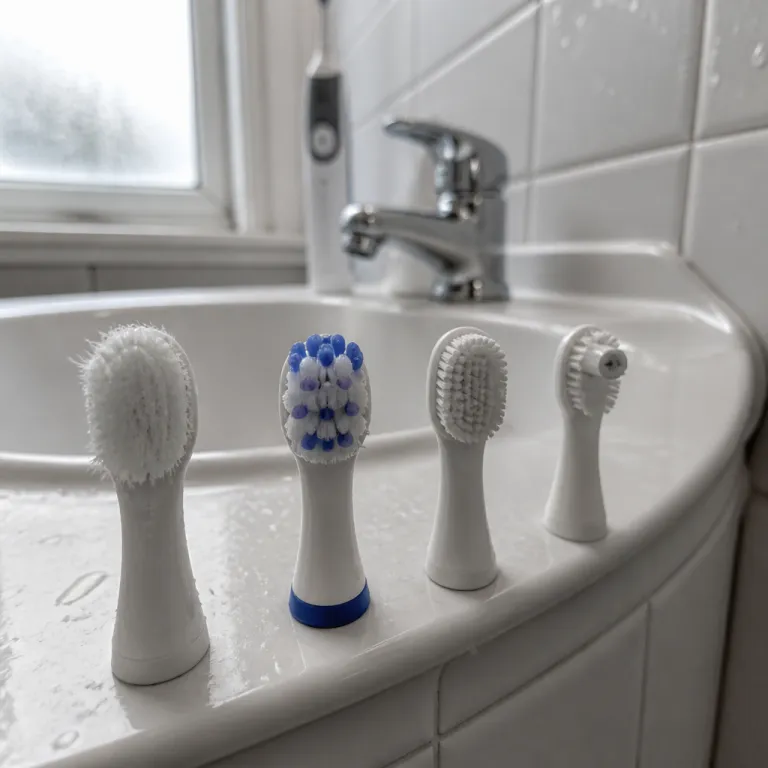
Electric toothbrush brush head types explained for real mouths
Most people never move beyond the default toothbrush head that came in the box. For an informed replacer who already owns an electric toothbrush, understanding electric toothbrush brush head types explained properly can upgrade every brushing session without changing the handle. When you match a brush head to your teeth, gums, and oral hygiene habits, you often get a cleaner feel than any extra mode or app can provide.
Think of the head as the business end of the toothbrush, where bristles, head shape, and motion actually touch tooth and gum surfaces. Standard cleaning heads aim for balanced plaque removal on enamel, while soft and gum care designs trade some scrubbing power for a gentler feel on sensitive teeth gums and exposed roots. Whitening and polishing brush heads add denser polishing cups or stiffer cleaning zones that target stains on the tooth surface rather than deep gum care.
Across brands, you will see compact heads, full size toothbrush heads, and specialty designs for orthodontics or interdental cleaning. A round head on oscillating electric toothbrushes hugs each tooth individually, while elongated sonic brush heads sweep along several teeth at once with a rotating sonic style vibration. The key is not chasing the best sounding marketing term, but choosing the toothbrush head that fits your mouth size, dental history, and how disciplined you are with daily brushing.
Round oscillating heads versus elongated sonic heads
When people ask for electric toothbrush brush head types explained clearly, the first fork in the road is usually head shape. Oscillating models use a small round head that cups each tooth, while sonic toothbrushes use an elongated oval head that looks closer to a manual toothbrush. Both toothbrush heads can clean well when used correctly, but they feel and behave differently in a real bathroom, not just in diagrams.
A round head on many electric toothbrushes excels at focused plaque removal, especially around braces, crowns, and tight contact points between teeth. You place the oral brush on each tooth, let the rotating sonic style motion work, then glide slowly along the gumline for thorough oral care. Elongated sonic brush heads, such as many Philips Sonicare designs, sweep along several teeth at once, which can feel more natural if you are used to manual toothbrushes and like a broader cleaning stroke.
If you are unsure which head shape suits you, compare how easily you can reach the back molars and inner surfaces. A compact round head often slips behind the last tooth more easily, while a slim sonic brush head can hug the inside of the lower front teeth where tartar loves to form. For a deeper dive into how round brush heads and elongated brush heads change where and how well you clean, see this detailed guide on brush head shape and cleaning coverage, then match what you read to your own oral health priorities.
Soft, sensitive and gum-care heads versus firmer standard heads
Bristle softness is where comfort, safety, and effectiveness collide, especially when you want electric toothbrush brush head types explained without brand spin. Soft and extra soft toothbrush heads use thinner, more flexible bristles that bend easily along the gumline, while standard cleaning heads feel firmer and more scrubby on enamel. For most people, soft or sensitive brush heads are the best default, because they protect gums and still deliver strong plaque removal when paired with a modern electric toothbrush.
If your gums bleed, recede, or feel sore after brushing, a gum care or sensitive toothbrush head is not optional, it is essential. These heads often combine tapered bristles at the tip for gentle gum care with slightly thicker bristles in the center for tooth cleaning, so you get a clean feel without shredding delicate tissue. Firmer standard heads can work for people with very robust gums and heavy staining, but they demand perfect technique and light pressure to avoid long term damage to oral health.
Many Philips Sonicare and Philips gum care heads, for example, use feathered or micro tapered bristles that reach slightly under the gum edge while staying kind to soft tissue. If you are tempted by very firm toothbrush head designs, read an evidence based overview such as this analysis of firm electric brush heads and gum safety before you commit. In practice, dentists usually prefer you to pair a soft brush head with consistent two minute brushing, rather than chase aggressive stiffness that can erode enamel and irritate teeth gums over time.
Matching brush head types to real oral needs
Once you understand the main electric toothbrush brush head types explained above, the next step is to map them to your own mouth. If you have sensitive teeth or gum recession, prioritize soft or gum care brush heads with tapered bristles and a smaller head shape that lets you angle gently along the gumline. People with orthodontic appliances, implants, or crowded teeth often benefit from compact or specialty heads that snake between brackets and tight spaces more easily than a standard toothbrush head.
Whitening and polishing heads can help lift surface stains from coffee, tea, or red wine, but they are not magic erasers. These brush heads usually add denser polishing cups or slightly firmer cleaning zones that buff the outer tooth surface, so they work best when your oral hygiene basics are already solid. If your gums are inflamed or you have active dental issues, a whitening head should come after a period of gentle gum care, not before, because irritated tissue will not tolerate extra friction well.
For people with limited dexterity or arthritis, a smaller, rounded brush head can make positioning easier and reduce the need for wrist twisting. In that case, the best electric toothbrush is the one whose head you can place accurately on every tooth, even if it is not the fanciest model in the Philips Sonicare or Oral-B catalog. When in doubt, ask your dental professional to watch your brushing with your current toothbrush and suggest whether a different head type, rather than a whole new electric toothbrush, might give you a cleaner result with less effort.
Replacement heads, compatibility and long term cost
For an informed replacer, electric toothbrush brush head types explained properly must include the ongoing cost of replacement heads. Most manufacturers and dental associations recommend changing a brush head every three months, or sooner if the bristles splay, because worn bristles lose plaque removal efficiency and can fray into the gums. That means your choice of toothbrush heads is not just about feel, but about how much you are willing to spend each year to maintain oral health.
Staying within one brand ecosystem, such as Philips Sonicare or another major electric toothbrush line, simplifies compatibility and usually guarantees that every replacement toothbrush head will fit your handle. Generic or third party brush heads can cut costs, but quality varies widely in bristle softness, glue, and head balance, which can affect both cleaning and comfort. If you decide to replace electric brush heads with off brand options, inspect the bristles closely, check that the head locks firmly, and stop using any head that vibrates oddly or feels rough on teeth gums.
Some premium electric toothbrushes use smart chips in the head to track wear or optimize modes, which can lock you into proprietary replacement heads at higher prices. Before you commit to a handle, calculate the cost of three months replacement over several years, and weigh whether a simpler model with widely available brush heads might be the better long term value. For practical tips on keeping your electric toothbrush running well so heads, motors, and batteries last longer, see this maintenance guide on cleaning and storing an electric toothbrush correctly.
When to switch head types and how to judge results
Even with electric toothbrush brush head types explained in detail, many people stick with whatever came in the starter pack for years. A better approach is to treat your toothbrush head like a piece of oral care equipment you can tune, not a fixed accessory, and adjust when your mouth or habits change. If you notice more plaque between dental visits, new staining, or gum tenderness, that is your cue to reassess whether your current brush head still matches your needs.
Switch to a softer or gum care head if your gums bleed regularly, feel sore after brushing, or if your dentist mentions recession or abrasion marks. Try a compact or round head if you consistently miss the back molars or struggle to clean behind lower front teeth, because a smaller head shape often improves access more than any extra brushing mode. Consider a whitening or polishing head only after your baseline oral hygiene is stable, and use it as a targeted tool for stain prone areas rather than a permanent everyday choice.
The simplest test is how your teeth feel when you run your tongue along them a few hours after brushing. Smooth, glassy surfaces and calm gums usually mean your current toothbrush and brush head combination is working, while rough patches or sore spots suggest a mismatch between bristles, pressure, and technique. In the end, the right electric toothbrush head is not the one with the longest feature list, but the one that makes your Monday morning brushing feel easy, thorough, and kind to both teeth and gums.
FAQ
How often should I replace an electric toothbrush head ?
Most experts recommend replacing an electric toothbrush head every three months, or sooner if the bristles start to flare. When bristles lose their shape, plaque removal drops and frayed tips can irritate gums instead of protecting them. If you have been sick or notice discoloration at the base of the bristles, changing the head earlier is a sensible oral hygiene precaution.
Are soft brush heads really effective at cleaning teeth ?
Soft brush heads can clean teeth very effectively when paired with a modern electric toothbrush and proper technique. The rapid motion of electric toothbrushes compensates for the gentler bristles, so you still remove plaque while reducing the risk of gum damage. For most people, a soft or sensitive toothbrush head is safer long term than a firm head, especially if they tend to press hard while brushing.
Should I choose a round head or a longer sonic style head ?
A round head suits people who like to focus on one tooth at a time, especially around braces, implants, or tight contacts. A longer sonic style head feels more like a manual toothbrush and can be easier if you prefer sweeping along several teeth in one pass. The best choice is the head shape that lets you reach every surface comfortably and encourages you to brush for the full two minutes.
Do whitening brush heads actually make teeth whiter ?
Whitening brush heads can help remove surface stains from coffee, tea, and tobacco, which can make teeth look slightly brighter. They use polishing cups or denser bristle patterns to buff the enamel, but they do not change the natural color of the tooth from within. For deeper whitening, you would need professional dental treatments or approved whitening products, with the brush head acting as a supportive tool.
Can I mix different head types on the same electric toothbrush handle ?
Yes, as long as the heads are compatible with your electric toothbrush handle, you can switch between different types. Many people keep a soft gum care head for daily use and a whitening or compact head for specific situations, such as after coffee or when cleaning around orthodontic work. Rotating heads this way lets you tailor oral care to changing needs without buying a new toothbrush.