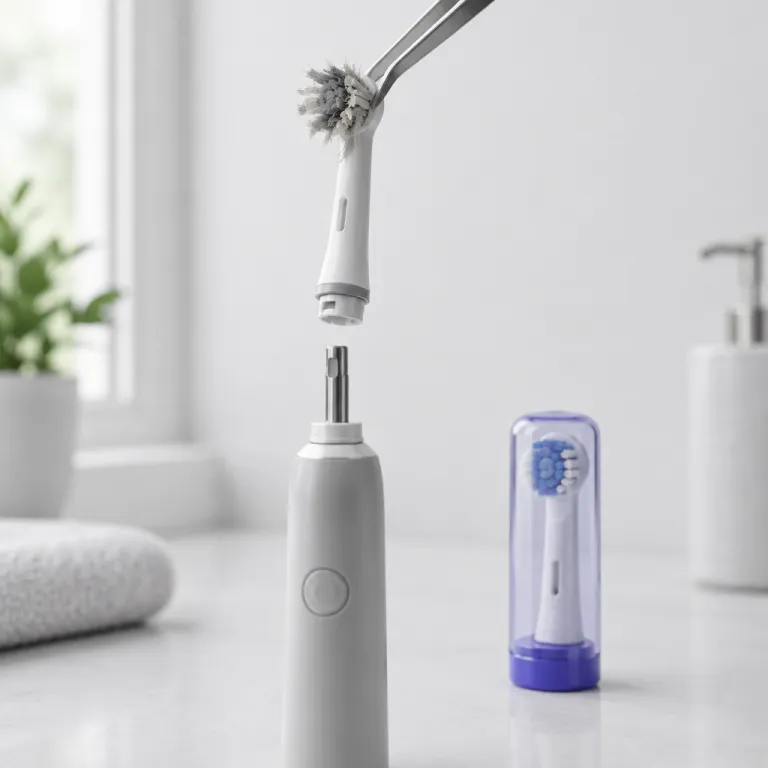
What really lives on your electric toothbrush after illness
Cold and flu season is creeping in as temperatures drop. Your electric toothbrush sits by the sink every day, quietly collecting a mix of harmless oral bacteria and, sometimes, traces of the virus or bacteria that made you sick. That reality makes many people wonder whether they should replace a toothbrush head after being sick or simply keep brushing with the same brush head.
On a used brush head, the nylon bristles hold water, toothpaste residue, and microscopic debris from teeth and gums. When you have a flu, a cold flu, strep throat, or covid, droplets from your mouth can leave some virus or bacterial particles on those bristles after every brush. Laboratory studies cited by the CDC and NIH report that common respiratory viruses such as influenza and SARS‑CoV‑2 can survive on moist plastic surfaces for several hours and, in some cases, up to one or two days, although the amount of live virus drops quickly over time and real‑world risk is lower.
For most healthy adults, reinfecting yourself from your own toothbrush after illness is unlikely, because your immune system has already mounted a response by the time you feel better. The American Dental Association notes that there is no strong evidence that toothbrushes are a major source of reinfection or ongoing illness. However, when you have had a severe illness such as strep throat or a tough flu, replacing toothbrush heads is cheap insurance, especially if you share a bathroom. If you use an electric toothbrush, the handle can last for years, but the brush head is a disposable part designed to be swapped every three months or sooner after being very sick.
Think about how you actually use your toothbrush when you feel awful. You may brush less thoroughly, let the brush head sit wet, or store multiple toothbrushes together in one cup while everyone in the household is sick. Those habits can increase the chance that one sick person’s germs move from one brush head to another, especially when bristles touch or share the same damp holder and do not have time to air dry fully.
Electric toothbrush models from brands like Oral‑B and Philips Sonicare use high speed oscillating or sonic motion that can splatter tiny droplets around the sink area. During an illness, those droplets can carry virus particles from your saliva to nearby toothbrushes after each brushing session. That is why good storage, spacing, and letting each toothbrush air dry matter as much as the decision to replace a toothbrush head after being sick, particularly in a busy family bathroom where several people brush teeth at the same time.
How often to replace brush heads, and when sickness changes the schedule
Most dental care guidelines recommend replacing toothbrush heads roughly every three months. That three month interval is based on how quickly bristles bend, fray, and lose cleaning efficiency on teeth, not on how long a virus survives. For a first time upgrader using an electric toothbrush, this “toothbrush three months” rule is a simple baseline that keeps oral health on track and makes replacing toothbrush less of a guess.
Once you add winter illness into the picture, the timing becomes more nuanced. If you have had a mild cold flu and your bristles still look straight and springy, you can usually keep the same brush head until the normal three months are up. When you have had a more serious illness such as strep throat or after covid, many dentists advise replacing toothbrush heads sooner, because the cost of a new brush head is low compared with the frustration of possibly prolonging recovery or spreading germs to others in the household.
Think of it this way: your standard schedule is every three months, and any significant illness becomes a reset button. If you get sick one month after starting a new brush head, you might keep using it until you feel fully well, then replace the toothbrush head once your symptoms have cleared for at least 48 to 72 hours. If you fall ill right when you were due to replace toothbrush heads anyway, that is the perfect time to toss the toothbrush head and start fresh for both dental care and general health.
For people with weakened immune systems, recent major surgery, or complex oral care needs, the calculus changes. In those cases, dentists often suggest replacing toothbrush heads more frequently, sometimes every six to eight weeks, and always after illness that involves high fever or antibiotics. If you are unsure, ask your dental professional whether your medical history means you should replace a toothbrush head after being sick more aggressively than the usual three month rule.
If you want a deeper dive into timing, a practical guide on how often you are supposed to change your toothbrush for healthier teeth and gums can help you align your electric toothbrush routine with long term oral health. Use that information as your baseline, then layer seasonal illness decisions on top. Over time, this approach turns replacing toothbrush heads into a predictable habit rather than a rushed reaction when you already feel sick.
Storage, cleaning, and when to actually toss the toothbrush head
How you store and clean your toothbrush during and after illness matters more than many people realize. A quick rinse under the tap is not enough if toothpaste and debris stay trapped at the base of the bristles. To keep your electric toothbrush head as clean as possible, you should rinse thoroughly, shake off excess water, and let it air dry upright between uses so the bristles can dry completely and the brush stays ready for the next time you clean your teeth.
During a flu or covid infection, avoid snapping a travel cap over wet bristles, because that traps moisture and slows drying time. Germs generally prefer damp, enclosed spaces, so an open holder that allows air to circulate is better for both oral care and overall health. If several toothbrushes share the same cup, make sure the brush heads do not touch, especially when one person is sick and others are not, to limit cross contamination between toothbrushes and reduce the chance that a virus moves from one brush to another.
Some people reach for hydrogen peroxide or mouthwash to soak their brush head after illness, hoping to disinfect it completely. Short soaks in a diluted hydrogen peroxide solution, such as one part 3% hydrogen peroxide to two parts water for a few minutes, can reduce bacterial load, but repeated harsh soaking can weaken bristles and shorten the life of the brush head. Boiling water, microwave attempts, or strong household disinfectants are more likely to damage the plastic and bristles than to provide meaningful extra protection for your teeth or immune system.
When the bristles start to fan out, feel rough on your gums, or leave your teeth feeling less clean, it is time to replace toothbrush heads regardless of whether you have been sick. At that point, the brush is simply not doing its job, and no amount of rinsing or hydrogen peroxide soaking will restore its original performance. For electric toothbrush users, this is where having a small stock of spare brush heads at home makes replacing toothbrush heads easy instead of a chore when you are already not feeling well.
If you use a spin style electric toothbrush, understanding the importance of Spinbrush replacement heads can help you match the right head to your handle and your oral health needs. The same logic applies across brands: a fresh, well designed brush head with intact bristles is more important than chasing extreme sterilization methods. When in doubt, it is safer to toss the toothbrush head and start with a new one than to keep scrubbing with a worn, tired brush that no longer supports good dental care.
Household cross contamination and practical rules for winter
In a shared bathroom, the bigger risk is not usually reinfecting yourself from your own toothbrush after illness. The real concern is one sick person’s brush head quietly seeding germs onto other toothbrushes stored nearby. That is why simple spacing rules matter during cold flu season, especially when children share a sink and everyone is brushing teeth at the same time and may bump handles or bristles together.
When someone in the household is being sick with flu, strep throat, or covid, move their toothbrush to a separate holder, ideally in a different part of the bathroom. Make sure each electric toothbrush handle and brush head stands upright and can air dry fully between uses, because a dry environment is less friendly to virus particles. If two brush heads accidentally touch while one person is sick, it is reasonable to replace toothbrush heads for both users once the illness has passed and everyone is feeling better.
Parents often ask whether they must always toss the toothbrush after every childhood illness. For a mild cold, you can usually keep the same toothbrush after symptoms fade, as long as you follow good rinsing and drying habits and stick to the three month replacement schedule. For strep throat or after covid, many pediatric dentists suggest replacing toothbrush heads once the child has finished antibiotics or has been fever free for at least a couple of days and is back to normal activity.
First time electric toothbrush users sometimes underestimate how much a fresh brush head changes the brushing feel. A new brush head glides more comfortably, reaches between teeth more effectively, and supports better oral health with less effort, especially when your immune system is already working hard. In that sense, choosing to replace a toothbrush head after being sick is not just about germs; it is about making your daily dental care feel easier at a time when you are tired and trying to recover from illness.
If you notice bleeding or soreness on your tongue or gums when you return to normal brushing after illness, a guide on why your tongue bleeds when brushing and how to stop it safely can help you adjust pressure and technique. Pair that with a fresh brush head and patient, gentle brushing, and your oral care routine will support recovery instead of irritating already sensitive tissues. In the end, the best winter rule is simple: store smart, replace on schedule, and treat any major illness as a good moment to retire a tired brush head.
FAQ
Should I always replace my toothbrush head after being sick
You do not always need to replace your toothbrush head after being mildly sick with a short cold. If your bristles are still in good shape and you are within the normal three month window, thorough rinsing and upright air drying are usually enough. For more serious illnesses such as strep throat, a tough flu, or after covid, replacing toothbrush heads once you feel better is a sensible extra step for your oral health and overall health.
Can my toothbrush make me sick again after illness
For most healthy people, getting sick again from your own toothbrush after illness is unlikely, because your immune system has already responded to that specific virus or bacteria. The bigger concern is spreading germs to others if toothbrushes are stored with bristles touching while someone is still contagious. Keeping brush heads separated, letting them air dry, and following basic dental care hygiene reduces that cross contamination risk more than extreme cleaning methods or aggressive disinfectants.
Is it safe to disinfect my brush head with hydrogen peroxide
A short soak in a diluted hydrogen peroxide solution can reduce bacteria on bristles, but it is not mandatory for good oral care. Repeated or long soaks can weaken the bristles and shorten the life of the brush head, especially on an electric toothbrush. In most cases, rinsing well, shaking off excess water, and allowing the brush head to air dry upright is enough between uses to keep the brush reasonably clean.
How often should I replace an electric toothbrush head if I keep getting sick
If you experience frequent winter illnesses, you may want to replace toothbrush heads slightly more often than every three months. Some dentists suggest every six to eight weeks for people with recurrent infections or reduced immune function, especially during peak cold flu season. Always combine that schedule with good storage habits, such as keeping brush heads apart, letting them air dry, and avoiding closed, damp containers that trap moisture.
Do children need new toothbrushes after every cold or flu
Children do not usually need a new toothbrush after every minor cold, as long as the bristles remain straight and the brush is less than three months old. For strep throat or more severe flu, many pediatric dentists recommend replacing toothbrush heads once the child has completed treatment and is symptom free. Because children often store toothbrushes together, paying attention to spacing and air drying is just as important as deciding when to replace so you can protect both oral health and general health.