What actually makes a kids electric toothbrush different
Parents asking are kids electric toothbrushes worth it are really asking about value. They want to know whether a child truly needs a special kids electric toothbrush or whether a smaller electric toothbrush with a gentle brush head is enough. The answer depends less on cartoon designs and more on how your child actually brushes.
From a pediatric dentistry perspective, the core needs are simple. A child needs a toothbrush that fits a small mouth, has soft bristles, and supports good oral hygiene habits without irritating gums or damaging developing teeth. Everything else in the kids electric toothbrushes market is either a helpful bonus or expensive noise.
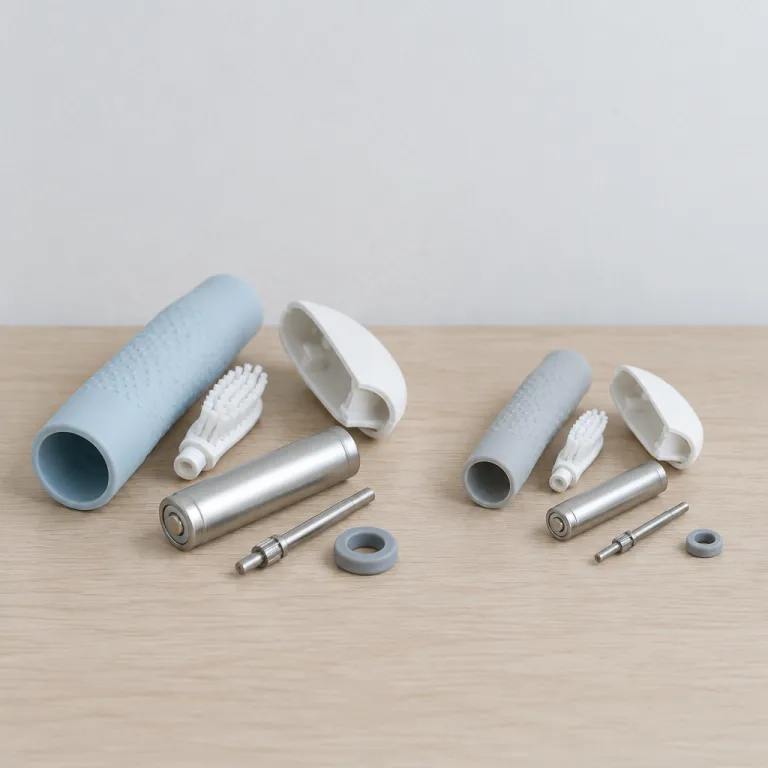
Look closely at many kids toothbrushes on Amazon and you will see the pattern. The same electric toothbrush motor and battery operated base appears under different brands, but the price jumps when you add licensed characters or flashing lights that promise brushing fun. When testers compare these brushes with a basic compact head electric toothbrush for adults, the cleaning performance on children is often similar if the power level is gentle.
What genuinely matters is the size and shape of the brush head and handle. A smaller head lets children reach back teeth without triggering a gag reflex, while a chunky grip helps a child control the brush without over squeezing and grinding the bristles into the gums. Many kids electric toothbrush models from Philips and other brands get this ergonomics piece right, but some generic toothbrushes kids products simply shrink an adult handle and call it a day.
Power level is the next real differentiator. Full strength electric toothbrushes can feel harsh on a first grader’s gums, especially if the child already brushes with pressure. A well designed toothbrush kids model will offer a softer, ramp up mode that starts gentle and gradually increases intensity as the child adapts, which is where lines like Philips Sonicare and Sonicare Kids have a legitimate edge over no name battery operated brushes.
Timers are the last feature that consistently earns their keep. A built in timer that pulses every 30 seconds and stops after two minutes gives children a clear brushing structure and quietly trains them to meet dentist recommended brushing duration. Whether that timer sits in a kids electric toothbrush or in a compact head adult electric toothbrush matters less than whether your child actually responds to the cue and keeps brushing until it stops.
Manual versus electric for children: what dentists really care about
When parents weigh are kids electric toothbrushes worth it, they often assume dentists always prefer electric toothbrushes for children. In reality, most pediatric dentistry specialists care more about technique, time, and supervision than about whether the brush is manual or electric. The right choice shifts as children’s motor skills and attention spans change.
For toddlers and preschool children, a small manual toothbrush with very soft bristles is usually enough when an adult does the brushing. At this age, the child’s role is to get used to the feel of a brush in the mouth and to link brushing with comfort and care, while the parent handles plaque removal on tiny teeth. Electric toothbrush options marketed as toothbrush kids solutions for under threes often add cost and complexity without improving cleaning, and they can tempt parents to hand over control too early.
Once a child can reliably spit and follow simple instructions, usually around school age, the manual versus electric question becomes more interesting. Some children love the buzz of a kids electric toothbrush and instantly brush longer, while others find the vibration overwhelming and clamp down on the brush head, which defeats the purpose. A cautious approach is to start with a manual electric transition — for example, a basic manual brush in the morning and a gentle electric toothbrush at night under supervision.
Many dentist groups in the United States now say that a well used electric toothbrush can help older children remove more plaque, especially around braces and in crowded teeth. However, they also stress that toothbrushes safe for children must have soft bristles, a small head, and a handle that encourages a light grip rather than a fist. If your child scrubs hard with a manual brush, an electric toothbrush with a pressure sensitive design and a built in timer can actually protect gums by doing more of the brushing work.
Parents who want a structured age by age guide to choosing toothbrushes for children can look to specialist resources in pediatric dentistry. A detailed breakdown of how to choose safe and effective children’s toothbrushes for every age can be found in this guide to safe children’s toothbrushes by age, which walks through when to introduce electric toothbrushes and when to stay with manual brushes. Used alongside advice from your own dentist, it can help you decide whether your particular child is ready for a kids electric model or still better served by a simple manual brush.
In practice, the best signal is not the packaging but your child’s behavior. If your child already brushes willingly and reaches all teeth with a manual toothbrush, a kids electric toothbrush may offer only marginal gains. If brushing is a daily battle and plaque scores at the dentist stay high, a well chosen electric toothbrush with a child sized brush head and a clear timer can be a practical tool rather than a gadget.
Engagement, apps, and characters: when kid specific features help or hurt
The most aggressive marketing in this category targets parents who worry that their kids will not brush without entertainment. That is where the question are kids electric toothbrushes worth it collides with apps, games, and licensed characters that promise instant brushing fun. The uncomfortable truth is that some of these features help for a few weeks and then quietly stop mattering.
App connected models like some Philips Sonicare Kids brushes use Bluetooth to track brushing time and reward children with on screen characters and badges. In testing with families, these apps often boost brushing duration in the first month, especially for children who already enjoy screens and respond to gamified goals. By the third month, many children either ignore the app or rush through the motions to unlock rewards, while the electric toothbrush itself continues to do the real cleaning work on their teeth.
Licensed character designs on kids toothbrushes can be a useful icebreaker for anxious children, particularly when starting oral kids routines after a difficult dental visit. A child who loves a specific cartoon may be more willing to open wide for a kids electric toothbrush that carries that character on the handle. However, once the novelty fades, what remains is the quality of the brush heads, the softness of the bristles, and the reliability of the built in timer, not the print on the plastic.
Parents should also consider how quickly children age out of themed toothbrushes. A seven year old who proudly uses a superhero kids toothbrush today may feel self conscious about the same design in two years, long before the electric toothbrush base wears out. That means you may be paying a premium for a design window that lasts a fraction of the product’s functional life, while replacement brush heads for that line remain locked to the original branding.
For babies and very young toddlers, the situation is even clearer. A dedicated guide to choosing the perfect electric toothbrush for babies, such as this resource on baby electric toothbrush choices, consistently emphasizes gentle manual brushing by an adult and extremely soft bristles over any electric features. In that stage, the question are kids electric toothbrushes worth it has a simple answer ; the safest and most effective option is usually a manual brush, not a battery operated gadget.
When you strip away the marketing, the engagement features that reliably earn their place are tactile and simple. A grippy handle that keeps a wet electric toothbrush from slipping in small hands, a quiet motor that does not startle sensitive children, and a clear built in timer that signals when to move to the next quadrant of teeth all support real behavior change. Flashing lights, complex apps, and collectible characters can be pleasant extras, but they should not be the reason you choose one kids electric toothbrush over another.
Cost, waste, and a practical buying framework for parents
Once you look past the surface, the real version of are kids electric toothbrushes worth it is a budget and waste question. Parents are not just buying a single kids electric toothbrush ; they are committing to years of replacement brush heads, batteries, or charging stands. That long tail of cost and plastic waste matters as much as the first unboxing moment.
Proprietary brush heads are the biggest hidden expense in many kids electric toothbrush lines. A compact Philips Sonicare brush head for children can cost several dollars per piece, and a family with multiple children can easily go through a dozen heads per year if they follow dentist guidance to replace every three months or sooner when bristles splay. Cheaper battery operated brushes from Amazon sometimes use non replaceable heads, which means the entire electric toothbrush goes into the bin when the bristles wear out, multiplying waste.
Battery design also shapes both safety and sustainability. Some low cost kids toothbrushes use loose alkaline batteries that children can access if the cap loosens, which is a known hazard in pediatric dentistry and emergency medicine. Sealed rechargeable electric toothbrushes avoid that risk but require parents to manage charging routines, and they often last several years, which makes it more important to choose a neutral design that children will not reject as they grow.
To keep the decision grounded, use a simple three part frame. First, fit and gentleness ; prioritize a small brush head, soft bristles, and a handle that your child can control without gripping too hard. Second, habit support ; look for a reliable built in timer and, if your child responds to it, a basic quadrant pacing pulse rather than elaborate apps that may fade in appeal.
Third, long term cost and flexibility ; check the price and availability of replacement brush heads, and ask whether the same electric toothbrush base can serve both children and adults with different heads. A compact head adult electric toothbrush with a gentle mode can often work for older children, especially when paired with clear instructions from a dentist and regular checks on brushing technique. That approach lets a family share one charging base and a set of compatible brush heads, cutting both clutter and waste.
Parents who travel frequently with children may also want to think about portability and resilience. A guide to portable electric toothbrush choices for smarter travel and healthier teeth, such as this overview of portable electric toothbrush options for families, can help you decide whether a slim manual electric hybrid or a full size kids electric toothbrush makes more sense in a suitcase. In the end, the best choice is the one your child will use twice a day with minimal drama, because what protects smiles pediatric patients and all children is not the feature list, but the quiet, repeated act of brushing.
Key figures on kids and electric toothbrush use
- Randomized controlled trials comparing manual and electric toothbrushes in children have found that powered brushes can reduce plaque scores by roughly 10 to 20 percent over several months of regular use, especially in children with braces or crowded teeth (data summarized by the Cochrane Oral Health Group).
- Surveys from the American Academy of Pediatric Dentistry report that fewer than half of children consistently brush for the full two minutes recommended by their dentist, which is why built in timer features on kids electric toothbrushes are considered clinically useful rather than purely cosmetic.
- Market analyses of the oral hygiene sector show that children’s electric toothbrushes represent a small but fast growing segment of the overall electric toothbrushes market, with licensed character models often priced 20 to 40 percent higher than comparable non branded brushes using the same internal motor technology.
- Studies of toothbrush wear patterns in children indicate that many kids splay the bristles of their brushes within six to eight weeks, which is significantly faster than adults and supports the recommendation to replace brush heads more frequently for children to maintain effective cleaning.
- Consumer safety reports in the United States have documented multiple recalls of battery operated children’s toothbrushes over the past decade due to risks from loose batteries or detaching brush heads, underscoring the importance of choosing toothbrushes safe for children that meet recognized electrical and mechanical safety standards.