Cleaning dentures and natural teeth with an electric brush: what actually belongs under the bristles
Cleaning dentures and natural teeth with an electric brush: what actually belongs under the bristles
Cleaning dentures and natural teeth with an electric toothbrush starts with knowing which surfaces are safe to brush. Your natural teeth, gums and tongue benefit from powered brushing, while the acrylic denture surface and any removable partial denture usually need separate denture care with non abrasive products. When patients mix these steps, they risk scratching the denture, irritating the mouth and undermining long term oral health.
Think of your electric brush as the main tool for your living dental tissues, not for the appliance itself. The goal is to remove plaque from natural teeth and protect oral health, while keeping denture cleanliness high through different cleaning methods away from the sink where you spit. When you separate denture cleaning from brushing your mouth, you reduce denture stomatitis risk and keep both the appliance and your gums in better hygiene.
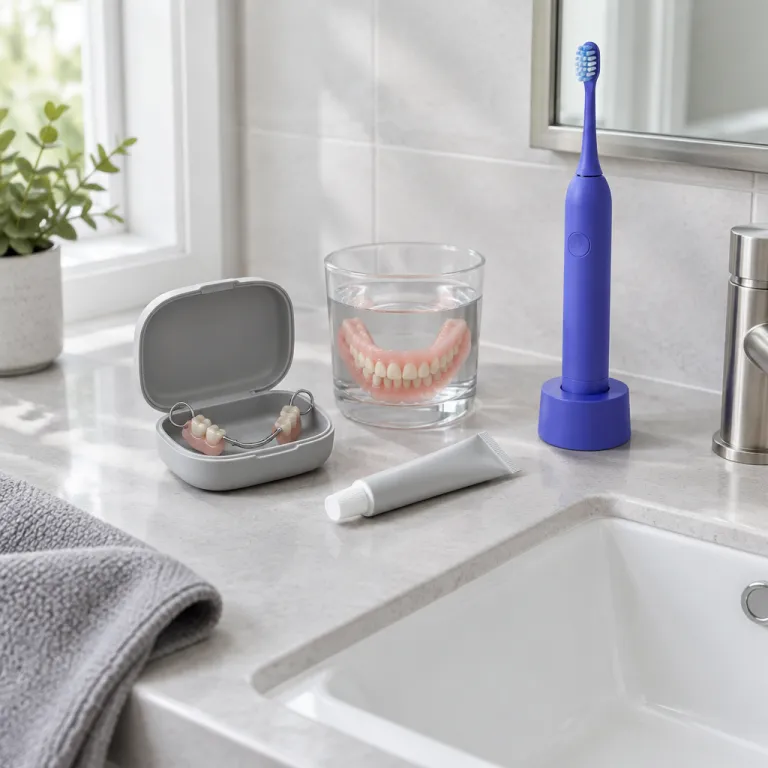
For most denture wearers, the daily routine will follow a simple order. First, remove any removable partial or full denture and place it over a basin filled with cold water or a folded towel, so a dent will not form if it slips. Then you can focus your electric brush on natural teeth, implants and gums, before moving to denture cleaning with a dedicated denture cleaner or denture cleansers in a separate cup of water.
Electric models from Oral B or Philips Sonicare work well for this split approach. Their oscillating rotating or sonic movements clean plaque from natural teeth efficiently, while you keep the denture surface away from abrasive toothpaste that could damage it. This division of labor between brush and denture cleanser is the backbone of care maintenance for mixed mouths that combine dentures and natural teeth.
When you read any systematic review about oral hygiene in denture wearers, one pattern stands out. Cleaning dentures and natural teeth must be treated as two linked but distinct tasks, each with its own tools and cleaning methods. Your electric brush is a precision instrument for the mouth, while denture cleaners and cold water baths are the safer choice for the appliance surface. For readers who want to verify the data, key figures in this article draw on Centers for Disease Control and Prevention surveillance reports on tooth loss in older adults (for example, U.S. data published in 2019), Cochrane Oral Health reviews on powered versus manual brushing (notably updates around 2014), and peer reviewed denture hygiene studies and systematic reviews from prosthodontic and geriatric dentistry journals published between 2009 and 2020.
How to brush natural teeth, gums and tongue when you also wear dentures
Once the denture is out, your electric brush becomes the main line of defense for oral hygiene. Angle the brush head at about 45 degrees to the gumline, letting the bristles sweep plaque from both the tooth surface and the shallow groove where gum meets dent. Short, gentle passes along each arch protect oral health better than scrubbing hard in a few rushed strokes.
Most patients do best with a soft brush head and a standard daily mode, rather than a high power setting. The electric motion already multiplies cleaning power, so extra force from your hand will only irritate gums and any exposed root dent. If your model has a pressure sensor, treat it as a coach that keeps your oral care in the safe zone instead of as an annoying light.
Spend at least two minutes on natural teeth, dividing time between front, back and chewing surfaces. Pay special attention to teeth next to a partial denture clasp, because plaque tends to hide where metal meets enamel and can threaten dental health. These areas often benefit from a second pass with the brush held vertically, so the bristles slide between the clasp and tooth surface.
Do not forget the rest of the mouth once the teeth feel smooth. Gently brush the gums, cheeks and especially the tongue, where bacteria linked to bad breath and denture stomatitis often accumulate. If you still struggle with odor after careful brushing, guidance on cleaning the tongue effectively with an electric brush can close that last hygiene gap.
Rinse with cool or cold water rather than very hot water, which can irritate tissues already under a denture during the day. Many patients like an alcohol free mouthwash after brushing, but it should never replace mechanical cleaning of teeth and tongue. The combination of powered brushing, water rinsing and careful tongue hygiene supports both immediate freshness and long term oral health.
Partial dentures and removable partial appliances: splitting the routine without missing spots
Living with a partial denture means your routine must protect both the remaining natural teeth and the removable partial appliance. Cleaning dentures and natural teeth in this situation starts by taking the partial out, so the electric brush can reach every tooth surface and gumline. Leaving the partial denture in while brushing almost guarantees plaque traps and weakens dental health around the clasps.
With the appliance out, run your electric brush slowly along the teeth that support the partial. These abutment teeth carry extra load, so plaque control and oral hygiene here will decide how long the partial remains stable. Use the tip of the brush head vertically to clean around each clasp, then follow with interdental brushes or floss where the metal meets the dent.
Once the mouth is clean, move to denture cleaning over a sink partly filled with cold water. Hold the removable partial in one hand and use a separate manual brush with plain soap or a non abrasive denture cleanser, never regular toothpaste. Abrasive pastes can scratch the acrylic surface, reduce denture cleanliness and create tiny pores where bacteria thrive.
For deeper denture care, soak the appliance in a fresh solution of denture cleaner tablets or other denture cleansers as directed. These cleaning methods help reduce biofilm and lower the risk of denture stomatitis, especially in patients who wear the appliance for long hours. Rinse thoroughly with running water before placing the partial back into the mouth, so no cleanser residue irritates the tissues.
If you are upgrading your electric brush at the same time, look for models with smaller heads and a gum care mode. These features make it easier to work around partial denture abutments without hitting metal or over brushing the gum surface. For more detailed technique, resources on advanced electric brushing around complex dental work can help you refine your routine.
Implants, implant supported teeth and where an electric brush helps or hurts
Implants and implant supported teeth sit at the crossroads between natural tissue and prosthetic material. Cleaning dentures and natural teeth in this context means treating implants like high value anchors that demand meticulous oral hygiene. An electric brush with a soft head can be an ally, but only when used with respect for the delicate gum seal around each implant.
Work the brush around implant crowns using gentle pressure and a low to medium power setting. The goal is to disrupt plaque along the gumline and under the contact points, not to scrub the titanium or ceramic surface aggressively. Many patients find that a sensitive or gum care mode offers enough cleaning while reducing the risk of gum recession around the implant.
Interdental brushes sized correctly for the implant spaces are essential companions to the main brush. Slide them under bridges and around implant bars that support overdentures, where the electric brush cannot fully reach. A water flosser can add another layer of cleaning with pulsating water, but it should complement, not replace, contact brushing of teeth and implants.
If you wear an implant supported denture, treat the appliance itself like other dentures when it is out of the mouth. Use denture cleaners or a mild denture cleanser in cold water, and avoid harsh scrubbing that could damage attachments or wear down the acrylic base. Never soak metal components in solutions not approved for that specific dental hardware, because corrosion can quietly undermine long term care maintenance.
Patients with complex implant and denture combinations often benefit from a structured routine. Start with removing any appliance, then clean the mouth and implants with the electric brush, interdental tools and water flossing, and finally perform denture cleaning separately. If you have been sick recently, it can also be wise to follow guidance on when to retire an old brush head after illness, to keep oral health risks lower.
What damages dentures and partials: mistakes to avoid with hot water, paste and pressure
Many denture wearers treat their appliance like natural teeth, and that is where damage starts. Cleaning dentures and natural teeth with the same brush, the same abrasive toothpaste and the same hot water exposes the acrylic to scratches, warping and stains that never fully leave. Over time, these habits reduce denture cleanliness and increase the chance of denture stomatitis.
Toothpaste designed for enamel is usually too abrasive for a denture surface. Those tiny polishing particles that shine up natural teeth can grind microscopic grooves into acrylic, trapping pigments from coffee, tea and tobacco. A systematic review of denture cleaning methods has repeatedly highlighted that non abrasive denture cleansers and soaps are safer for long term denture care maintenance.
Water temperature matters more than most patients realize. Hot or boiling water can distort the shape of a denture or removable partial, especially around thin areas or near metal components. Always use cool or cold water for rinsing and soaking, so the appliance keeps its fit and continues to protect oral health instead of rubbing sore spots into the mouth.
Pressure is another hidden enemy when people use an electric brush directly on dentures. The powered motion already delivers strong cleaning, so pressing hard with the brush can wear down the acrylic and loosen denture adhesives faster. If you must use a powered brush on an appliance, choose a soft head, minimal pressure and a non abrasive denture cleanser, but a dedicated manual denture brush remains the safer option.
Chemical choices also shape the life span of dentures and partials. Bleach based solutions, household cleaners and untested home recipes may whiten the surface briefly while weakening the material and irritating oral tissues. When in doubt, ask your dentist or prosthodontist which denture cleaners and denture adhesives are compatible with your specific appliance before experimenting with new cleaning methods.
Building a daily and nightly routine for mixed mouths
A reliable routine turns cleaning dentures and natural teeth from a confusing chore into a simple habit. Morning and night, the sequence stays the same, so your hands and brain know what comes next even on tired days. Patients who follow a consistent pattern usually show better oral hygiene and fewer denture related problems at regular dental visits.
Start each session by removing any full denture or removable partial and placing it safely over a sink with some water or a towel. Then use your electric brush on natural teeth, implants and gums for at least two minutes, paying extra attention to areas under previous dent work or near clasps. Rinse the mouth with water, clean the tongue and cheeks, and only then move on to denture cleaning in a separate container.
For the appliance, use a dedicated denture brush and a non abrasive denture cleanser or mild soap. Rinse thoroughly with cold water to remove all traces of cleanser, which can otherwise irritate the mouth or change the taste of food. If your dentist has recommended overnight soaking in denture cleaners, follow the instructions closely and refresh the solution daily for proper care maintenance.
Nighttime is when the mouth and gums recover from the pressure of wearing dentures. Leaving the appliance out for several hours lets saliva wash the tissues and reduces the risk of denture stomatitis, especially in older patients or those with diabetes. Store the denture in clean water or a recommended soaking solution, never dry on a bedside table where it can warp or collect dust.
Regular checkups with a dental professional close the loop on this routine. They can assess denture cleanliness, adjust the fit, review your cleaning methods and suggest changes to protect both dentures and natural teeth. If you ever feel sore spots, notice cracks or struggle with persistent bad breath, schedule a visit rather than adding more force or harsher products to your home care.
When to involve your dentist or prosthodontist in denture and electric brush choices
Even the best home routine for cleaning dentures and natural teeth has limits without professional guidance. Dentists and prosthodontists see how your daily habits translate into real changes in the mouth, from plaque patterns on natural teeth to pressure marks under a denture base. Their chairside view lets them tailor advice on electric brush settings, denture care products and follow up intervals for your specific situation.
You should ask for help whenever a new appliance enters the picture. A fresh partial denture, an implant supported bridge or a full set of dentures all change how water, food and plaque move through the mouth. At the delivery appointment, request a step by step demonstration of oral hygiene, including which areas to target with the electric brush and which to reserve for manual denture cleaning.
Persistent redness under a denture, white patches on the palate or chronic bad breath can signal denture stomatitis or other infections. In these cases, more aggressive denture cleansers or longer soaking times are not enough without professional diagnosis and treatment. Your dentist may adjust the fit, prescribe antifungal medication or recommend specific denture cleaners that match your appliance material and oral health status.
Questions about products are another reason to involve a professional. The market for denture adhesives, denture cleanser tablets and electric brush heads is crowded, and not every option suits every patient. A clinician who knows your dental history can suggest evidence based choices rather than leaving you to decode marketing claims alone.
Finally, any time you change systemic medications, develop a dry mouth condition or undergo major medical treatment, revisit your oral care plan. Saliva flow, gum sensitivity and bone support all influence how dentures and natural teeth respond to cleaning methods and tools. A brief review with your dental team keeps your routine aligned with your overall health, instead of relying on habits that may no longer fit your mouth.
Key figures on dentures, natural teeth and electric brushing
- Among adults over 65 in the United States, roughly 17 percent have lost all natural teeth, which makes full dentures or implant supported dentures central to their oral health strategy (data from the Centers for Disease Control and Prevention, including the 2019 “Oral Health Surveillance Report” on tooth loss in older adults).
- Studies comparing manual and electric brushes show that oscillating rotating or sonic models reduce dental plaque by around 20 percent more after several months of use, which is significant for patients trying to protect remaining natural teeth around a partial denture (data from Cochrane Oral Health systematic reviews on powered toothbrushes, such as updates published in 2014).
- Research on denture hygiene suggests that up to 60 percent of dentures show moderate to heavy plaque accumulation when patients rely only on water rinsing, highlighting the need for dedicated denture cleansers and structured cleaning methods (data from peer reviewed dental journals in prosthodontics and geriatric dentistry between 2009 and 2018).
- Clinical surveys indicate that denture stomatitis affects between 15 and 70 percent of denture wearers, with higher rates in those who sleep with dentures in and lower rates in patients who combine nightly removal with effective denture cleaning (data synthesized in systematic review articles on denture related stomatitis published around 2012–2016).
- Among patients using denture adhesives daily, professional assessments often find residual adhesive on the denture surface or in the mouth, which reinforces the importance of thorough nightly cleaning dentures and natural teeth to maintain tissue health (data from prosthodontic practice audits and observational studies reported in specialty journals in the 2010s).
FAQ about electric brushes, dentures and natural teeth
Can I use my electric toothbrush directly on my dentures ?
You can, but it is usually not the best option for denture care. Most electric brush heads and toothpastes are designed for enamel, not for the softer acrylic surface of dentures. A separate manual denture brush with non abrasive denture cleansers in cold water is safer for long term denture cleanliness.
How should I clean my natural teeth if I wear a partial denture ?
Remove the partial denture first, then use your electric brush on all natural teeth and gums for at least two minutes. Pay special attention to teeth that support clasps, using gentle strokes along the gumline and around metal contacts. After the mouth is clean, perform denture cleaning separately over a sink with water and a suitable denture cleanser.
Is a water flosser enough if I have implants and dentures ?
A water flosser is a helpful addition, but it does not replace brushing. You still need an electric brush with a soft head to clean around implants, natural teeth and the gumline. Interdental brushes and proper denture cleaners complete the routine for areas that water alone cannot fully reach.
How often should I soak my dentures in a denture cleaner solution ?
Most patients benefit from soaking dentures in a fresh denture cleanser solution once a day, usually overnight. This complements mechanical brushing of the appliance and helps reduce plaque and odor. Always follow the product instructions and your dentist’s advice, because some materials or metal parts need specific cleaning methods.
When should I ask my dentist to review my cleaning routine ?
You should schedule a review if you notice sore spots, redness under the denture, persistent bad breath or changes in how the appliance fits. A dentist or prosthodontist can assess oral health, adjust the denture and refine your approach to cleaning dentures and natural teeth. Regular checkups, at least once or twice a year, keep small hygiene issues from turning into larger dental problems.