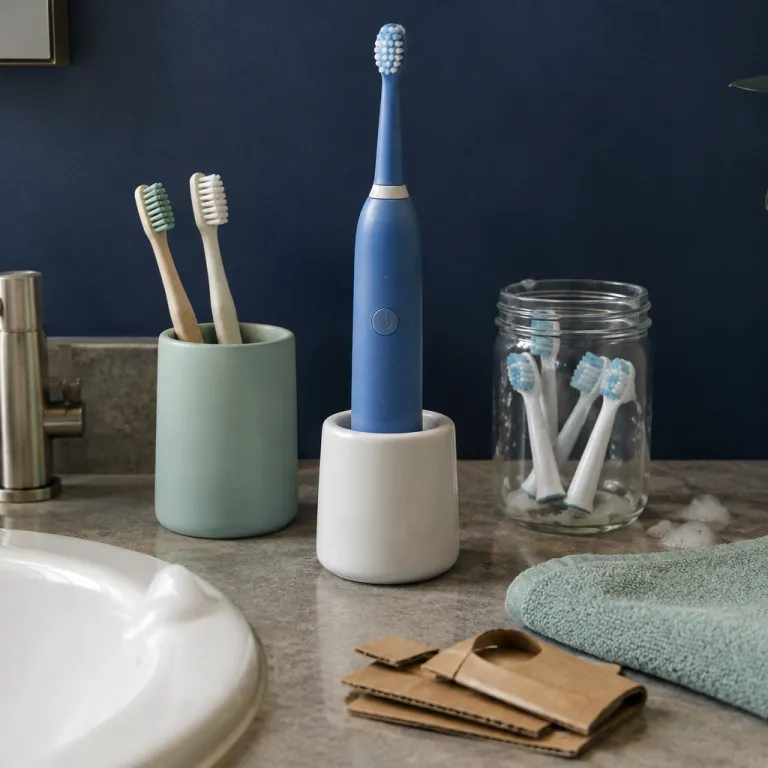
Why a recyclable toothbrush matters in modern oral care
A recyclable toothbrush turns a daily habit into a quiet environmental statement. When you choose toothbrushes designed for recycling, you reduce plastic waste without sacrificing dental performance or comfort. This shift in product design links your teeth health directly with the health of rivers, oceans, and soil.
Traditional toothbrush handles are usually made from mixed plastic that is difficult to separate, so most toothbrushes end up in landfills or incinerators after only a few months of use. By contrast, a recyclable toothbrush uses recycled plastic or bio based materials that can re enter dedicated recycling streams, which makes the entire brush lifecycle more transparent and accountable. For people in the USA and elsewhere who care about both teeth and climate, this alignment between oral care and recycling is becoming a decisive purchase factor.
Designers now focus on bristles, handles, and packaging as three separate levers to make toothbrushes easier to recycle. Some brands, such as Preserve and Humble Brush, offer a toothbrush with a replaceable toothbrush head, so only the small head and bristles are discarded while the main brush handle remains in use for years. This approach works for both manual toothbrushes and electric toothbrushes, and it allows you to keep your oral care routine stable while steadily shrinking your plastic footprint.
From manual to electric toothbrushes recycled for sustainability
Shifting from a manual recyclable toothbrush to an electric toothbrush raises new questions about materials, energy, and end of life options. Electric toothbrushes contain motors, batteries, and complex plastic housings, so responsible recycling requires more planning than simply tossing a brush into a household bin. Yet refurbished and certified toothbrushes electric models from brands such as Philips Sonicare and Oral B show that sustainability and advanced dental technology can coexist.
Many manufacturers now separate brush heads from electric bases, which lets users send used brush heads to specialized recycling partners while keeping the main electric toothbrush body in service for longer. This system works especially well when brush heads use recycled plastic in the neck and a smaller amount of nylon bristles on top, because less virgin plastic is needed for each replacement. If you want to avoid disposable batteries entirely, you can look at guides that review electric toothbrushes that rely on rechargeable lithium ion batteries or inductive charging, which helps you compare charging life, warranty terms, and power systems with a clear focus on waste reduction.
For people with sensitive teeth gums, the move from manual toothbrushes to electric toothbrushes can also improve comfort and plaque removal. Many refurbished electric models offer soft bristles and pressure sensors that protect sensitive areas, while still allowing thorough brush coverage along the gumline. When these products are refurbished, tested, and resold as certified units through programs such as Philips Sonicare Refurbished or Oral B Certified Renew, they extend the life of existing components and reduce the need for new plastic, metals, and packaging.
Refurbished and certified electric toothbrushes as eco friendly choices
A refurbished electric toothbrush is a pre owned device that has been inspected, repaired if necessary, cleaned, and certified to meet specific performance standards. This process keeps electric toothbrushes in circulation longer, which directly reduces demand for new plastic casings, motors, and electronic parts. For a consumer who already values a recyclable toothbrush, refurbished models offer a logical extension of eco friendly thinking into higher tech oral care.
Certified refurbishment usually includes testing battery health, verifying that brush heads attach securely, and confirming that vibration levels remain within the intended range for effective plaque removal. Some independent reviewers explain what vibration numbers actually mean for your teeth, which helps you judge whether a refurbished product still delivers the ultra efficient cleaning you expect. When combined with brush heads made from recycled plastic and bristles soft enough for sensitive teeth, these devices can match or exceed the performance of many new toothbrushes electric models while still qualifying for Energy Star style efficiency ratings where applicable.
Another emerging trend is the multi purpose electric brush that can handle both teeth cleaning and targeted gum massage. Articles that explore electrostatic multi purpose brushes describe how new technologies may reduce the need for multiple separate devices, which again lowers total material use over time. If you pair such a device with a free recyclable return scheme for worn brush heads, such as the Colgate Oral Care Recycling Program or TerraCycle style mail back boxes, you create a closed loop system that respects both oral care standards and environmental limits.
Materials, bristles, and what really makes a toothbrush recyclable
The recyclability of any toothbrush, whether manual or electric, depends on how easily its materials can be separated and processed. A recyclable toothbrush often uses a single type of plastic in the handle, which simplifies sorting and allows mechanical recycling into new oral care products or other household items. When handles use recycled plastic from verified streams, the environmental benefit increases because less fossil fuel is required for each toothbrush produced.
Bristles present a tougher challenge, because most nylon bristles are too small and flexible for standard recycling equipment. Some brands experiment with charcoal bristles or bio based filaments, but these alternatives still need careful testing to ensure they clean teeth effectively without damaging enamel. For now, many eco friendly toothbrushes focus on soft bristles that are gentle on sensitive teeth gums, while offering take back programs that separate bristles from handles in specialized facilities.
Packaging also plays a role in whether toothbrushes recycled claims hold up under scrutiny. Truly eco friendly brands avoid mixed plastic blister packs and instead use cardboard or paper that can enter normal recycling streams. When you add dental floss, toothpaste tubes, and kids toothbrushes to your cart, choosing versions with minimal plastic and clear recycling instructions helps align your entire bathroom routine with the same sustainability principles that guide your choice of brush.
Choosing between soft, sensitive, and ultra gentle options for teeth and gums
People who care about sustainability often also care deeply about comfort, especially when they have sensitive teeth and delicate gums. A recyclable toothbrush with bristles soft enough for daily use can still remove plaque effectively if you use the right technique and brushing time. The key is to match bristle type, handle design, and electric settings to your specific oral care needs.
Soft bristles are usually recommended by dental professionals because they flex around teeth and along the gumline without scratching enamel. Ultra soft options can be helpful for people with gum recession, recent dental work, or conditions that make tissues more fragile, although they may require slightly longer brushing to achieve the same plaque removal. Whether you use manual toothbrushes or electric toothbrushes, the combination of soft bristles and a light grip on the brush handle reduces pressure on teeth gums and supports long term comfort.
Parents choosing kids toothbrushes face an extra layer of responsibility, because children often press too hard and move the brush quickly. A small toothbrush head with bristles soft enough for young enamel, combined with a handle made from recycled plastic, teaches children that oral care and environmental care belong together. When families buy bulk toothbrushes for home, travel, or guests, selecting eco friendly and cruelty free products reinforces these values every time someone reaches for a new brush.
Practical buying guide for recyclable toothbrush and refurbished electric models
Shopping for a recyclable toothbrush or a refurbished electric toothbrush can feel complex, but a few clear criteria simplify the process. First, check whether the product description explains which parts are recyclable, how to return used components, and whether recycled plastic is used in the handle or brush heads. Transparent information about materials and recycling routes is a strong signal that the brand takes both oral care and environmental responsibility seriously.
Second, look for certifications or independent testing that confirm safety and performance, especially for refurbished electric toothbrushes. A certified refurbished label should indicate that motors, batteries, and charging systems have been checked, and that the toothbrush head attachment is secure and compatible with widely available replacements. When you compare models, consider whether the manufacturer offers free recyclable mail back envelopes or drop off points, because these services make it far more likely that toothbrushes recycled programs will actually be used.
Third, think about the rest of your routine, including dental floss, mouthwash, and any extra brush heads you keep in your bathroom cart or cabinet. Choosing eco friendly floss in cardboard packaging, along with cruelty free toothpaste and accessories, creates a coherent system that respects both your teeth and the wider environment. Over time, these consistent choices across manual toothbrushes, toothbrushes electric, and supporting products can significantly reduce the volume of plastic leaving your home each year.
Key figures on recyclable toothbrushes and electric models
- Global plastic production for oral care products, including toothbrushes and dental floss containers, contributes to the more than 350 million tonnes of plastic produced annually worldwide, according to the Organisation for Economic Co operation and Development, which highlights the importance of recyclable toothbrush design and better waste management.
- Many dentists recommend replacing a toothbrush or electric brush head every three months, which means a single person may use around four toothbrushes or equivalent brush heads per year, so choosing recycled plastic handles can significantly cut lifetime waste.
- Life cycle assessments published by environmental research groups, such as studies in the Journal of Cleaner Production, show that extending the life of an electric toothbrush body through refurbishment can reduce its overall environmental impact by more than 20 percent compared with frequent replacement of entire units.
- Surveys of consumers in the USA and Europe, including Eurobarometer and Nielsen style polls, indicate that a growing share of buyers, often above 40 percent in recent polls, consider eco friendly packaging and recyclable materials when selecting oral care products.
- Waste audits from coastal clean up campaigns, such as International Coastal Cleanup reports, consistently find toothbrushes among the smaller plastic items collected, which underlines how even compact products can accumulate in the environment when recycling systems are absent or underused.
FAQ about recyclable toothbrushes and refurbished electric toothbrushes
Are recyclable toothbrushes really better for the environment ?
Recyclable toothbrushes reduce the amount of mixed plastic that ends up in landfills or incinerators, especially when handles use a single material that can be processed in standard recycling facilities. The environmental benefit increases when brands also offer take back schemes for brush heads and packaging. To maximise impact, consumers need to follow the specific recycling instructions provided with each product and check local collection rules.
Can electric toothbrushes be recycled or refurbished safely ?
Electric toothbrushes contain electronics and batteries, so they require specialised recycling or refurbishment rather than normal household bins. Certified refurbishment programs test and clean devices, replace worn parts, and ensure that safety standards are met before resale. When combined with separate recycling for brush heads and packaging through schemes like manufacturer mail back programs or municipal e waste drop offs, this approach keeps more materials in use and reduces demand for new plastic and metals.
What should I look for in a recyclable toothbrush for sensitive gums ?
People with sensitive gums should prioritise soft bristles or ultra soft bristles that flex easily and avoid scratching enamel. A small toothbrush head helps reach tight spaces without pressing too hard on delicate tissues. Handles made from recycled plastic or other eco friendly materials add environmental benefits without changing the way the brush feels in daily use.
How do kids toothbrushes fit into a sustainable oral care routine ?
Kids toothbrushes can support sustainability when they use recycled plastic handles, soft bristles, and minimal packaging that is easy to recycle. Parents can teach children to rinse and store brushes properly, which extends their usable life and reduces waste. Buying bulk toothbrushes for families or schools can also cut packaging per brush, especially when combined with clear recycling or take back options.
Is dental floss compatible with a low waste oral care approach ?
Dental floss is essential for cleaning between teeth, but traditional plastic floss and containers add to household waste. Low waste options include floss made from alternative fibres in cardboard boxes or refillable dispensers that reduce plastic use over time. When paired with a recyclable toothbrush and eco friendly toothpaste, these choices create a more coherent and sustainable oral care routine.