Oral debriding explained: from electric toothbrush to full mouth care
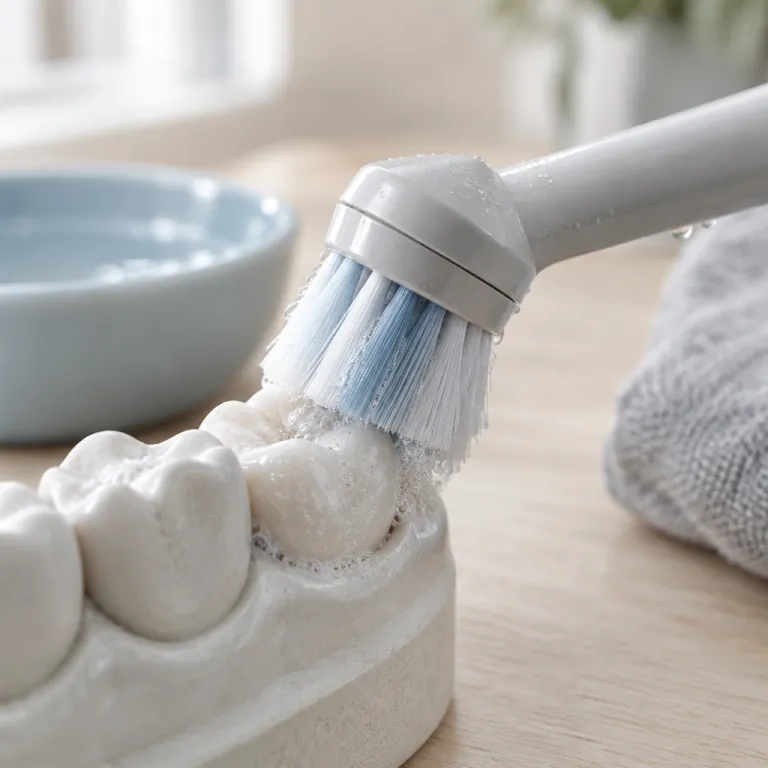
Oral debriding is the process of removing plaque and hardened tartar from teeth and gums. When you pair an electric toothbrush with targeted dental debridement, you move from simple teeth cleaning to a full strategy for protecting oral health. This shift matters because gum disease and periodontal disease often start silently, deep in periodontal pockets where manual brushing rarely reaches.
In clinical language, debridement means clearing away diseased or contaminated material, and in dentistry it refers to plaque, calculus and tartar deposits on every root surface. A careful mouth debridement is more than a quick polish; it is a structured procedure that may include scaling root techniques, root planing and sometimes a staged full mouth approach. Electric toothbrushes support this work by disrupting plaque buildup daily, so the dentist or dental hygienist has less hardened tartar to tackle during professional teeth cleaning sessions.
Think of oral debriding as a continuum that starts at home and continues in the dental chair. At home, practicing good habits with an electric brush, floss and a water flosser helps remove plaque before it hardens into tartar on teeth, gums and along the gum line. In the clinic, the dentist recommends a tailored dental debridement procedure, including debridement scaling and root planing, when periodontal disease or advanced gum disease has already damaged the supporting tissues around the teeth.
Flossing, water flossers and oral debriding around periodontal pockets
Electric toothbrushes excel on exposed tooth surfaces, but oral debriding fails if plaque remains between teeth and under the gum. That is where traditional flossing and modern water flossers become essential partners in full mouth cleaning. When you combine these tools, you create a three dimensional defence against plaque, tartar and biofilm buildup in periodontal pockets.
Conventional floss physically scrapes plaque from tight spaces between teeth and just under the gum margin. Water flossers use a pulsating jet to remove plaque and food debris from deeper periodontal pockets, especially in areas where gum disease has already created irregular spaces that trap bacteria. Clinical studies show that adding a water flosser to electric brushing can reduce bleeding gums and signs of periodontal disease more effectively than brushing alone (for example, Barnes et al., J Clin Dent, 2005;11(4):89–96).
For readers comparing options, floss is better for precise mechanical contact on each root surface, while water flossers excel at flushing complex areas around bridges, implants and crowded teeth. A dentist or dental hygienist may recommend using both tools daily as part of practicing good oral hygiene, especially after a scaling root or root planing procedure. One patient with early periodontal pockets, for instance, was advised to add nightly flossing plus a water flosser after deep cleaning and reported less bleeding and fresher breath within a few weeks.
Where electric toothbrushes stop and interdental tools begin in debridement
Even the best electric toothbrush cannot fully reach the narrow spaces where teeth touch or the base of deep periodontal pockets. Oral debriding in these zones depends on interdental brushes, floss threaders and sometimes rubber tips that massage the gums. These tools extend the reach of daily cleaning so that dental debridement at the clinic does not need to be as aggressive or frequent.
Interdental brushes are tiny cylindrical or conical brushes designed to slide between teeth and along the gum line. They are particularly effective at disrupting plaque, tartar and early calculus buildup on root surfaces exposed by gum disease or periodontal disease, where standard bristles cannot adapt to the irregular anatomy. When used gently, they help maintain teeth and gum health after a full mouth debridement, scaling and root planing procedure, keeping periodontal pockets cleaner between professional visits.
Patients often ask whether they should rely only on an electric brush if it already feels powerful. Oral health specialists consistently answer that good oral routines must include at least one interdental method, because plaque in tight contacts and under the gum is the main driver of periodontal disease. As one periodontist explains, “Your toothbrush cleans the fronts and backs of the teeth; interdental tools clean the hidden sides where gum problems usually begin.”
From routine teeth cleaning to full mouth debridement at the dentist
Routine teeth cleaning at a dental practice focuses on removing soft plaque and moderate tartar from visible tooth surfaces. Full mouth debridement is different; it is a more intensive dental debridement procedure used when heavy plaque, calculus and tartar deposits prevent the dentist from properly examining the gums and root surfaces. In such cases, oral debriding becomes a staged plan, often starting with debridement scaling to clear the field before definitive periodontal treatment.
During full mouth debridement, the dental hygienist or dentist uses ultrasonic scalers and hand instruments to remove plaque and calculus from every accessible surface above and slightly below the gum. Once this initial cleaning reduces inflammation and bleeding, the clinician can accurately probe periodontal pockets, assess periodontal disease severity and decide whether root planing or scaling root therapy is required. This sequence is critical, because hidden buildup can mask deep pockets and distort measurements of gum health.
Root planing, sometimes called deep cleaning, targets the root surfaces inside periodontal pockets to remove plaque, tartar buildup and contaminated cementum. The goal is to create a smooth root that allows the gum tissue to reattach and shrink the pocket depth, improving long term oral health. Patients who maintain practicing good daily care with an electric toothbrush, floss, a water flosser and interdental brushes after such a procedure usually see better gum healing and less need for repeated full mouth debridement.
Electric toothbrush strategies that support debridement and gum health
Choosing the right electric toothbrush settings can make oral debriding more effective and comfortable. Soft or sensitive modes are often best for people with gum disease or recent root planing, because aggressive brushing on inflamed gums can delay healing. A brush head with soft, tapered bristles helps reach along the gum line and into shallow periodontal pockets without damaging the tissue.
Timed brushing is another crucial feature, as many dentists recommend at least two minutes of teeth cleaning twice daily for good oral health. Some models divide this time into 30 second segments per quadrant, encouraging a more even full mouth cleaning that reduces plaque buildup in neglected areas. Pressure sensors are particularly valuable for patients with periodontal disease, because excessive force on teeth, gums and exposed root surfaces can cause recession and sensitivity.
For people managing complex periodontal disease, pairing an electric toothbrush with a structured home care plan can significantly extend the benefits of professional dental debridement. A typical routine might include two minutes of electric brushing, followed by flossing or interdental brushes, then a water flosser to remove plaque remnants from deeper spaces. Readers who want a step by step example of such a routine can discuss a personalised version with their own dentist or dental hygienist, who can adapt the sequence to specific periodontal pockets and areas of concern.
Understanding clinical terms: scaling, root planing and mouth debriding
Many patients feel overwhelmed when they first hear terms like scaling root therapy, root planing or full mouth debridement. In simple language, scaling refers to removing plaque, calculus and tartar deposits from above and just below the gum line, while root planing means smoothing the root surfaces deeper inside periodontal pockets. Together, these procedures form the backbone of non surgical periodontal treatment when gum disease has advanced beyond what home oral debriding can control.
Dental professionals sometimes use the phrase mouth debridement or full mouth debridement when plaque and calculus buildup is so extensive that a standard cleaning is not enough. In such cases, the first appointment focuses on heavy debridement scaling to restore basic gum health and visibility, and a second visit may complete detailed root planing once inflammation has decreased. This staged approach allows the dentist and dental hygienist to measure periodontal disease accurately and design a realistic maintenance plan.
Patients occasionally see abbreviations such as FMD in their records, which usually stands for full mouth debridement and signals that extensive cleaning was required before full periodontal charting. Understanding these terms helps you ask better questions about your oral health and the goals of each procedure. When you know that dental debridement is not just cosmetic cleaning but a medical intervention to remove plaque and infected tissue, you are more likely to commit to practicing good daily care that protects your gums and teeth for the long term.
Key figures on oral debriding, electric toothbrushes and gum health
- Randomized clinical trials have shown that oscillating rotating electric toothbrushes can reduce plaque by around 20% and gingivitis by about 10% more than manual brushes after three months of use, according to systematic reviews published in the Journal of Clinical Periodontology (for example, van der Weijden et al., 2011;38(Suppl 11):123–141, doi:10.1111/j.1600-051X.2010.01671.x).
- Studies on water flossers report reductions in bleeding gums of up to 50% compared with toothbrushing alone after four weeks, particularly in patients with early periodontal disease, based on data from clinical trials summarized by the American Academy of Periodontology (AAP parameters of care, J Periodontol, 2000;71(5 Suppl):847–883, doi:10.1902/jop.2000.71.5-S.847).
- Epidemiological research from large national health surveys indicates that nearly half of adults show some signs of gum disease, and around 10% have severe periodontal disease that may require scaling and root planing or full mouth debridement to stabilize their oral health (Eke et al., J Dent Res, 2012;91(10):914–920, doi:10.1177/0022034512457373).
- Clinical guidelines note that professional teeth cleaning and periodontal maintenance every three to six months can significantly lower the risk of tooth loss in patients with a history of periodontal pockets deeper than 4 millimetres, compared with annual visits only (AAP maintenance guidelines, J Periodontol, 2003;74(9):1395–1401, doi:10.1902/jop.2003.74.9.1395).
FAQ about oral debriding and electric toothbrush care
How does an electric toothbrush help with oral debriding?
An electric toothbrush delivers consistent, high frequency movements that disrupt plaque more effectively than most people can achieve with a manual brush. This daily reduction in plaque and early tartar buildup makes professional dental debridement procedures shorter, less invasive and more comfortable. It also helps maintain gum health after scaling and root planing, reducing the risk of periodontal pockets deepening again.
Do I still need floss if I use a water flosser and an electric brush?
Most dentists and dental hygienists advise using at least one mechanical interdental method, such as floss or interdental brushes, even if you own a water flosser. Water flossers are excellent for flushing debris and bacteria from complex areas, but they may not fully scrape sticky plaque from tight contacts between teeth. Combining an electric toothbrush, floss or interdental brushes and a water flosser offers the most complete oral debriding routine for preventing gum disease.
What is the difference between regular teeth cleaning and full mouth debridement?
Regular teeth cleaning is a preventive procedure for patients with relatively light plaque and tartar deposits and stable gums. Full mouth debridement is reserved for situations with heavy buildup that prevents accurate examination of the gums and root surfaces, often in people who have missed several dental visits. After this initial debridement scaling, the dentist can assess periodontal disease properly and decide whether further root planing or other treatment is needed.
How often should I have scaling and root planing or periodontal maintenance?
The frequency depends on the severity of your periodontal disease and how well you maintain oral health at home. Many patients with a history of gum disease benefit from periodontal maintenance visits every three to four months, where the dental team cleans around periodontal pockets and monitors healing. People with stable gums and excellent daily care may extend intervals, but this decision should always be made with a dentist who knows your full mouth history.
Can oral debriding reverse gum disease completely?
Early gum disease, known as gingivitis, can often be reversed with thorough professional cleaning and consistent home care using an electric toothbrush, floss and possibly a water flosser. Once periodontal disease has destroyed bone and created deep periodontal pockets, treatment such as scaling root therapy and root planing can control the infection and prevent further loss, but it cannot fully restore lost bone without surgical intervention. The goal of oral debriding in these cases is to stabilize the condition, protect remaining teeth and support long term gum health.