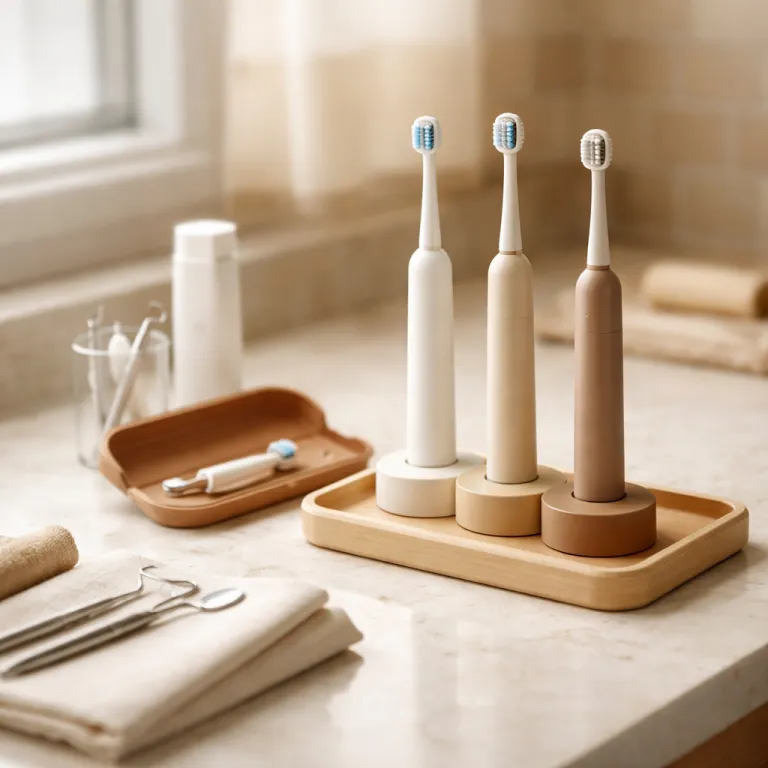
Why the best electric toothbrush under 50 is enough for most people
The best electric toothbrush under 50 already delivers most of the clinical benefit you are looking for. Moving from a manual toothbrush to your first powered brush improves plaque removal and gum health far more than upgrading from a solid mid range handle to a luxury smart model. Systematic reviews in journals such as the Journal of Clinical Periodontology (e.g. Van der Weijden & Slot, 2015) and the Cochrane Database of Systematic Reviews (Yaacob et al., 2014; updated 2021) have consistently found that powered brushes reduce plaque and gingivitis more effectively than manual brushing when used twice daily over several months.
From a value perspective, the jump from a 5 euro manual brush to a 40 euro rechargeable toothbrush is huge for your oral health. You gain powered brushing, a built in two minute timer, and usually at least one everyday clean mode that keeps your teeth noticeably cleaner with less effort. By contrast, moving from a capable electric toothbrush under 50 to a 200 euro flagship mostly adds extra brushing modes, Bluetooth connectivity, and app based coaching, while the additional plaque reduction is relatively modest for most users according to those same long term comparisons.
Think about what really changes in your mouth, not just on the spec sheet. A well designed sonic or oscillating rechargeable toothbrush with a dependable battery and reasonably priced replacement heads will already transform your daily routine. Paying more mainly buys you a premium travel case, extra niche cleaning programs, and a sleeker handle, not dramatically cleaner teeth.
What matters more than price in a first electric brush
For a first time upgrader, the best electric toothbrush under 50 should feel comfortable in the hand and gentle on the gums. The brush head must be compact enough to reach behind molars, and the brushing modes should be straightforward rather than overwhelming. A clear two minute timer and a responsive pressure sensor do more for your oral hygiene than a crowded display or an experimental series of rarely used settings.
Battery life also matters because a flat battery is the fastest way to fall back to a manual toothbrush. Look for rechargeable brushes that last at least 10 to 14 days of normal use, which usually means two brushing sessions per day at two minutes each. That way you can throw the handle into a bag for travel without worrying about a charger on a short trip.
Hidden costs quickly separate the best electric toothbrush under 50 from the forgettable ones. Replacement brush heads can cost more than the handle over a few years, so check the price of each brush head before you commit to a brand. A cheap handle with expensive replacement heads is rarely the best long term choice for your budget.
Oral B Pro 1000 and Philips Sonicare 4100: the benchmark brushes under 50
Among all rechargeable toothbrushes in this price band, two models stand out again and again. The Oral B Pro 1000 and the Philips Sonicare 4100 are often named by dental professionals as the best electric toothbrush under 50 for first time buyers. Both brushes focus on strong core performance rather than flashy smart features that add cost without much extra cleaning power.
The Oral B Pro 1000 uses an oscillating rotating brush head that cups each tooth, which feels different from a sonic brush but cleans extremely well along the gumline. In independent plaque tests cited in reviews of oscillating brushes and manufacturer summaries (Oral B internal data, 2019), this Oral B style of brushing has matched or beaten some premium electric toothbrushes that cost far more. The handle keeps things simple with one main clean mode, a two minute timer, and a basic pressure control system that slows the motor when you press too hard.
By contrast, the Philips Sonicare 4100 uses sonic technology to create a gentle sweeping motion along the teeth. This Philips Sonicare model vibrates at a high sonic frequency, which creates fluid dynamics that help move toothpaste and water between teeth and around the gumline. You still need to guide the brush head slowly, but the brushing feel is smoother and quieter than many budget electric toothbrushes.
| Model | Cleaning technology | Typical battery life* (manufacturer, 2023) | Pressure control | Head compatibility | Typical street price (Europe, 2023–2024) |
|---|---|---|---|---|---|
| Oral B Pro 1000 | Oscillating-rotating | ~7 days | Motor slows under excess force | Compatible with many Oral B heads | Often under 50 euros |
| Philips Sonicare 4100 | Sonic vibration | ~14–21 days | Visible pressure warning light | Works with a wide range of Sonicare heads | Frequently discounted below 50 euros |
| Fairywill E11 | Sonic vibration | Up to ~25–30 days | Mode-dependent intensity control | Limited to brand-specific heads | Comfortably under 50 euros |
*Battery life figures are based on manufacturer claims and independent user testing with two two-minute brushing sessions per day, as reported in consumer reviews and product tests published between 2022 and 2024.
Features that actually matter on these two brushes
Both the Oral B Pro 1000 and the Philips Sonicare 4100 include a two minute timer with 30 second quadrant pacing. That timer nudges you to spend equal time on each section of your mouth, which is more important than having five different brushing modes you never use. For most people, one everyday clean mode plus a reliable timer is enough to keep teeth and gums in good shape.
The Philips Sonicare 4100 adds a visible pressure sensor that lights up when you press too hard, which is rare at this price. That pressure sensor protects your gums and enamel, especially if you are switching from a manual toothbrush and tend to scrub aggressively. The Oral B Pro 1000 uses a motor based pressure control instead, which you feel as a slight drop in power when the brush senses too much force.
Battery life is another key difference between these two affordable electric contenders. The Sonicare 4100 often delivers around two to three weeks of use on a single charge, while the Oral B Pro 1000 usually needs charging after about a week of normal use. Neither includes a hard travel case in the base package, but both handles are compact enough to slip into a simple travel pouch.
Where extra modes and accessories really help
If you want more than one clean mode, look carefully at how brands implement cleaning programs in this price range. Some budget electric toothbrushes advertise multiple brushing modes but only change intensity slightly, which does not always justify a higher price. Before you buy with your eyes, check whether the extra brushing modes match real needs such as sensitive gums, whitening, or gum massage.
For readers who care about multiple cleaning modes, it is worth exploring independent comparisons of affordable brushes with several settings. A detailed guide to top electric toothbrushes with multiple cleaning modes can help you see which models balance extra options with solid core performance. This kind of analysis prevents you from paying more for a mode dial that you will ignore after the first week.
Accessories like a travel case or extra replacement heads can still matter if you travel frequently or share brush heads with a partner. Some bundles include a travel case and several brush heads for only a small increase in price, which can make them the best value over a few years. Always compare the total package, not just the headline cost of the handle.
Budget challengers: Fairywill, AquaSonic and the rise of low cost sonic brushes
Beyond the big names, several newer brands now compete for the title of best electric toothbrush under 50. Fairywill and AquaSonic are two of the most visible challengers, especially for buyers who want a sonic brush with many accessories. Their rechargeable toothbrushes often include multiple brush heads, long battery life, and several brushing modes at a surprisingly low price.
The Fairywill E11, for example, is a sonic electric toothbrush that claims around 40 000 vibrations per minute. It typically ships with up to eight replacement heads in the box, which dramatically lowers your cost per brush head over the first couple of years. For a first time upgrader, that means you can focus on learning good brushing technique without worrying about buying a replacement brush every few months.
AquaSonic models follow a similar pattern, offering several cleaning modes, a sleek handle, and a travel case in many bundles. These sonic brushes often promise 30 days of battery life on a single charge, which is attractive if you travel often or dislike frequent charging. The trade off is that long term availability of replacement heads can be less predictable than for Philips Sonicare or Oral B brush heads.
How these challengers feel in daily brushing
In the mouth, Fairywill and AquaSonic sonic brushes feel lighter and buzzier than an oscillating Oral B brush. The brushing modes range from gentle to quite intense, and some users appreciate the strong clean mode for stain prone teeth. Others prefer a softer brushing mode and find that the highest sonic setting can tickle or numb the lips during longer brushing sessions.
Battery performance on these budget electric toothbrushes is often better than expected. Many users report real world battery life that matches or nearly matches the marketing claims, especially when using a single clean mode at medium intensity. That makes them convenient travel companions, even if the included travel case is sometimes a simple plastic shell rather than a premium hard case.
One area where the big brands still lead is long term ecosystem support. Philips Sonicare and Oral B offer a wide range of brush heads, from sensitive to whitening, and you can usually find compatible replacement heads in supermarkets and pharmacies. With Fairywill or AquaSonic, you may need to plan ahead and order each replacement brush head online.
Smart toothbrush features at budget prices
Some budget brands now market their models as a kind of smart toothbrush, even under the 50 euro mark. In practice, smart features at this price usually mean extra brushing modes, a memory of your last mode, or a simple pressure sensor rather than full Bluetooth tracking. That can still be useful if you want a brush that adapts slightly to your oral needs without paying for a full app based coaching system.
When you read reviews, look with a critical eye at how these smart features affect daily brushing. A well tuned pressure sensor that prevents over brushing is more valuable than a basic smartphone app that you stop using after a week. Similarly, a clear minute timer and a gentle ramp up mode for new users often matter more than a flashy display.
If you are curious about more advanced modern electric toothbrushes and how they compare, a closer look at elevated oral care designs can be helpful. An in depth review of modern electric toothbrushes such as the U Bright 360 shows how premium smart features trickle down over time. That perspective makes it easier to judge which smart features are worth paying for now and which can wait for a future upgrade.
The hidden cost curve: brush heads, replacement heads and long term value
When you evaluate the best electric toothbrush under 50, the handle price is only half the story. Over three to five years, the cost of each replacement brush head and the availability of compatible brush heads can easily exceed the original purchase. A smart buyer looks at the full life cycle cost, not just the sticker price on the shelf.
Philips Sonicare brush heads and Oral B brush heads tend to cost more per unit than many generic alternatives, but they are widely available. That availability matters when you realise you forgot to order replacement heads and need a new brush head the same day. With smaller brands, you may find excellent value on multi packs of replacement heads online, yet face delays or stock issues later.
Some budget bundles offset this by including many heads in the box. A Fairywill E11 package with eight replacement heads effectively pre pays several years of brushing if you change the brush head every three months. In that case, the best electric toothbrush under 50 can become the best bargain once you calculate the cost per month of clean teeth.
How often to change a brush head and why it matters
Most dental organisations recommend changing your toothbrush or electric brush head every three months. The bristles wear down and become less effective at plaque removal, even if the brush still looks acceptable at a glance. Worn heads can also be harsher on gums, especially when combined with strong brushing modes.
Many electric toothbrushes now include reminder bristles that fade with use, nudging you to replace the brush head on time. Some smart toothbrush models in higher price brackets even track brushing time and alert you when a replacement brush is due. Under 50 euros, you are more likely to rely on simple visual cues or a calendar reminder, which still works well if you are consistent.
When comparing electric toothbrushes, calculate the annual cost of replacement heads for each brand. Multiply the price of a single brush head by four to six, depending on how often you change it, and add that to the handle price. The best electric toothbrush under 50 is often the one with a fair handle price and sensible ongoing costs, not just the lowest initial ticket.
Compatibility and mixing brands
Another subtle factor is how locked in you become to a specific ecosystem of brush heads. Philips Sonicare handles generally accept a wide range of Philips Sonicare brush heads, from basic clean heads to premium gum care designs. Oral B handles in the same series often share compatibility across many head styles, which makes it easy to experiment with different cleaning feels.
With some budget electric toothbrushes, you may find only one or two compatible head designs. That can be fine if you like the default brush head, but it leaves less room to adjust as your oral needs change. For example, you might want a softer brush head after dental work or a more polishing style head if you drink a lot of coffee.
In general, avoid mixing third party brush heads that are not designed for your specific handle, especially if they feel loose or unstable. A poorly fitting replacement brush can reduce cleaning efficiency and even strain the motor, shortening battery life. Sticking with well matched replacement heads keeps your best electric toothbrush under 50 performing like new for longer.
The one feature worth paying extra for: a reliable pressure sensor
Among all the features on an electric toothbrush, a reliable pressure sensor is the one upgrade that consistently earns its keep. Many people who switch from a manual toothbrush press too hard, assuming that more force means cleaner teeth. In reality, excessive pressure can erode enamel and irritate gums, undoing some of the benefits of powered brushing.
A good pressure sensor detects when you push the brush head too firmly against the teeth and gums. On some electric toothbrushes, the handle vibrates or the light ring flashes, while others reduce motor speed automatically. This instant feedback trains you to let the electric brush do the work, which is exactly how these devices are designed to clean.
In the under 50 euro range, not every model includes a pressure sensor, so it becomes a key differentiator. The Philips Sonicare 4100 is a strong example of the best electric toothbrush under 50 that still offers a clear pressure warning. If you have a history of gum recession or sensitive teeth, prioritising a pressure sensor over extra brushing modes is a smart choice.
How a pressure sensor changes daily brushing habits
During the first week with a new electric toothbrush, many users trigger the pressure sensor repeatedly. One user described it this way: “I thought I was brushing gently, but the light kept flashing. After a few days I realised how hard I used to scrub with a manual brush.” That kind of feedback quickly reveals how much pressure you were applying before.
Over a few days, you learn to guide the brush gently while the sonic or oscillating action handles the cleaning. This change in technique often leads to less gum bleeding and a more comfortable brushing experience. People who once avoided brushing sensitive areas start to clean them properly because the brush no longer feels harsh.
From a long term perspective, a pressure sensor can help protect dental work such as fillings, crowns, and veneers. Excessive force with a stiff brush head can stress these restorations, while a gentle electric toothbrush with a pressure sensor keeps the load consistent. For many buyers, that peace of mind alone justifies choosing a slightly higher priced model within the best electric toothbrush under 50 category.
When to skip advanced smart features
App based smart features can be useful for some users, but they are not essential for everyone. If you already struggle to maintain a twice daily brushing habit, a simple electric toothbrush with a pressure sensor and a minute timer will serve you better than a complex smart toothbrush. The goal is to make brushing automatic and pleasant, not to add another screen to check.
High end smart toothbrush models often track brushing angles, coverage, and pressure in great detail. Those tools can be powerful for people undergoing orthodontic treatment or managing specific oral conditions under professional guidance. For a first time upgrader on a budget, though, the best choice is usually a straightforward brush that you actually use every morning and night.
Think of smart features as a future upgrade path rather than a starting requirement. Once you have built a solid routine with a reliable electric toothbrush under 50, you can always move to a more advanced series later if your needs change. For now, focus on the fundamentals that protect your teeth and gums every single day.
How to choose your best electric toothbrush under 50 step by step
Choosing the best electric toothbrush under 50 becomes easier when you break it into a few clear steps. Start by deciding whether you prefer an oscillating rotating brush like the Oral B Pro 1000 or a sonic brush like the Philips Sonicare 4100 or Fairywill E11. If you are sensitive to vibration, try holding each type in a shop or read detailed brushing feel descriptions in independent reviews.
Next, list the non negotiable features you want in your electric toothbrush. For most first time upgraders, that list should include a two minute timer, at least one everyday clean mode, and decent battery life between charges. If you have a history of gum issues, add a pressure sensor to that list and be willing to pay a little more within the under 50 range.
Then, compare the long term costs and practicalities of each candidate. Check the price and availability of replacement brush heads, and see whether you can easily buy a new brush head in local shops. Consider whether a travel case matters for your lifestyle, especially if you travel frequently for work or study.
Reading reviews and avoiding marketing noise
When you read reviews, approach them with a critical mindset and look for patterns rather than isolated opinions. Consistent comments about weak battery life or fragile brush heads are more telling than a single glowing or angry review. Pay attention to how people describe the brushing modes and whether they actually use more than one clean setting after the first week.
Independent testing organisations and dental professionals often provide more reliable comparisons than brand marketing. They measure plaque removal, battery performance, and durability under controlled conditions, which helps separate the best performing brushes from the rest. Use those data points to anchor your decision, then layer on your personal preferences for handle feel and brushing sound.
Remember that no electric toothbrush will fix poor brushing habits on its own. You still need to brush twice a day, use fluoride toothpaste, and replace the brush head regularly. The right electric toothbrush under 50 simply makes those good habits easier to maintain and more effective at protecting your teeth.
When to consider ultrasonic and advanced options later
Once you are comfortable with a basic electric toothbrush, you may become curious about more advanced technologies. Ultrasonic toothbrushes and high end smart toothbrush models promise even more refined oral care, often with very specific cleaning modes and app guidance. These tools can be valuable for people with complex oral needs or a strong interest in data driven brushing.
Before you jump, it helps to understand how ultrasonic and advanced sonic designs differ from standard electric toothbrushes. A detailed guide to ultrasonic toothbrushes for refined oral care explains how higher frequency vibrations interact with plaque and biofilm and how they are evaluated in clinical studies. Reading such material after you have real experience with a simpler electric brush makes the technical details easier to relate to your own mouth.
For now, focus on mastering the basics with the best electric toothbrush under 50 that fits your budget and preferences. Once you have a stable routine and a clear sense of what you like or dislike in a brush, any future upgrade will be based on real experience rather than marketing promises. In oral care, the habit you keep beats the gadget you rarely use.
Key figures and statistics about electric toothbrush effectiveness and use
- Clinical studies comparing manual and electric toothbrushes have found that powered brushes reduce plaque by around 20 % and gingivitis by around 10 % more than manual brushing after several months of use, according to large scale reviews published in peer reviewed dental journals such as the Cochrane Database of Systematic Reviews (Yaacob et al., 2014; update search 2020) and the Journal of Clinical Periodontology (Van der Weijden & Slot, 2015).
- Oscillating rotating electric toothbrushes such as the Oral B Pro 1000 have shown slightly higher plaque reduction than some sonic models in certain trials, although both technologies significantly outperform manual toothbrushes when used twice daily for two minutes, as summarised in comparative analyses published between 2015 and 2021.
- Surveys of adult oral hygiene habits in Europe indicate that fewer than half of adults consistently brush for the recommended two minutes, which is why built in minute timers on electric toothbrushes are considered a key behavioural aid rather than a luxury feature. These findings are echoed in oral health surveys conducted by national dental associations between 2018 and 2022.
- Battery life claims for modern electric toothbrushes typically range from 7 to 30 days of use per charge, based on two brushing sessions per day, and independent tests by consumer organisations from 2021 to 2023 often confirm that mid range models such as the Philips Sonicare 4100 meet or slightly exceed their stated battery performance.
- Market analyses of oral care products show that electric toothbrush adoption has steadily increased over the past decade, with a growing share of buyers choosing models under 50 euros as entry level options before considering more expensive smart toothbrush upgrades, according to industry reports published between 2016 and 2023.
FAQ about choosing the best electric toothbrush under 50
Is an electric toothbrush under 50 really better than a manual brush ?
Yes, a well designed electric toothbrush under 50 generally cleans more effectively than a manual toothbrush when both are used correctly. The powered motion of the brush head removes more plaque in the same time, and features like a minute timer help you brush for long enough. The key is to use the brush twice daily and replace the brush head regularly.
Should I choose an oscillating brush or a sonic brush for my first electric model ?
Both oscillating and sonic electric toothbrushes can clean very well when used properly. Oscillating brushes like the Oral B Pro 1000 feel more mechanical and focus on each tooth individually, while sonic brushes like the Philips Sonicare 4100 feel smoother and rely on high frequency vibrations. Your choice should depend on comfort, noise tolerance, and which brushing feel you prefer.
How important is battery life on an electric toothbrush under 50 ?
Battery life matters because a flat battery makes it easy to skip brushing or fall back to a manual toothbrush. Aim for at least 10 to 14 days of use between charges, which most mid range models now provide. Longer battery life is especially useful if you travel often or share a bathroom with limited power outlets.
Do I really need multiple brushing modes on a budget electric toothbrush ?
Multiple brushing modes can be helpful, but they are not essential for everyone. Most people do well with a single everyday clean mode plus perhaps a gentler mode for sensitive gums. If choosing between extra modes and a pressure sensor at this price, prioritise the pressure sensor for better gum protection.
How often should I replace the brush head on my electric toothbrush ?
Most dental professionals recommend replacing the brush head every three months, or sooner if the bristles look frayed. Worn bristles clean less effectively and can be harsher on gums, even if the electric toothbrush motor still works perfectly. Setting a reminder or using heads with fading indicator bristles helps you stay on schedule.