
Summary
Editor's rating
Value for money: worth it, but not cheap
Design and ergonomics: simple, practical, not flashy
Battery life and charging: pretty solid but not perfect
Comfort in daily use: powerful but still manageable
Performance, app, and daily practicality
What you actually get in the box
Effectiveness: does it actually clean better?
Pros
- Very effective cleaning with clear improvement in smoothness and gum comfort
- Strong battery life (around 3 weeks per charge with regular use)
- Useful pressure sensor and multiple modes/intensities that actually make a difference
Cons
- App connection is unreliable and doesn’t consistently track brushing sessions
- Replacement brush heads are quite expensive over time

Specifications
View full product page →| Brand | PHILIPS |
A dual-pack toothbrush that feels like a small dental upgrade
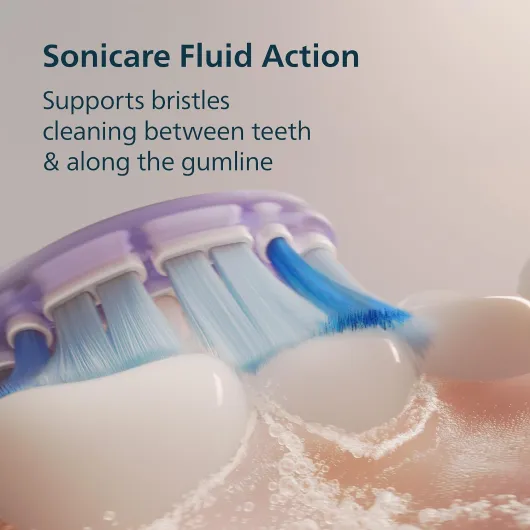
I’ve been using the Philips Sonicare 7100 dual pack (navy/black) for a bit now, one handle for me and one for my partner. We both came from older electric brushes (I had an older Oral‑B, they had a basic Sonicare), so this isn’t my first electric toothbrush. I’m not going to pretend it changed my life, but it did make my teeth feel cleaner than what I was used to, especially around the gumline and between teeth.
Right away, the first thing that stood out is the vibration strength. On the standard Clean mode at medium intensity, you really feel it working. The good news is that the brush doesn’t feel like it’s rattling your skull; it’s strong but still manageable. The built‑in timer that pauses every 30 seconds is there, same as most mid‑range brushes now, and I actually used it instead of just guessing the time like I did with my manual brush.
We also tested the app, since Philips pushes that pretty hard. I’ll be blunt: the app is a nice extra if you like tracking stuff, but it’s not reliable enough to be the main reason to buy this model. Sometimes it connects, sometimes it doesn’t, and I’m not going to stand in my bathroom troubleshooting Bluetooth at 7 a.m. The brush itself is good; the app is more of a bonus that occasionally works than a core feature.
So overall, first impression: solid brush, clearly more efficient than a manual or basic model, but not flawless. If you ignore the app hype and just see it as a sonic toothbrush with pressure control and several modes, it’s pretty convincing. If you’re buying only for the “smart” side, you might be a bit annoyed.
Value for money: worth it, but not cheap
On price, this dual pack sits in that mid‑high range for electric toothbrushes. It’s not the cheapest thing out there, but you are getting two full setups (two handles, two cases, two chargers), not just one handle with extra heads. For a couple or two adults in the same household, it actually works out better than buying two separate high‑end brushes. If you live alone, though, you might not need the second handle and could look at a single‑pack model instead.
Where the cost creeps up is with replacement heads. Philips heads are not cheap, especially the premium lines. If you change heads every three months like recommended, and there are two of you, that’s a running cost you need to accept. You do get a head replacement reminder on the handle, which is nice, but also a reminder that you’re about to spend more money. For me, the cleaning quality justifies it, but it’s something to keep in mind if you’re on a tight budget.
Comparing to cheaper electric brushes I’ve tried, this one does feel like a step up in terms of cleaning, comfort, and battery. The pressure sensor and the multiple modes are actually useful, not just marketing. On the other hand, the whole “smart app” side doesn’t really add enough value to justify a big premium. Since the app is unreliable, I basically treat this like a non‑connected brush with a few extra lights.
Overall, I’d say the value is good but not spectacular. If you care about your teeth, visit the dentist regularly, and want a solid brush for years, it makes sense, especially as a two‑person setup. If you just want something basic that vibrates and don’t care about modes, pressure, or brand, you can spend less and still get a decent clean. This one is for people ready to pay a bit more for a more polished experience and stronger performance, with the understanding that the app is more of a bonus than a core feature.
Design and ergonomics: simple, practical, not flashy
Design‑wise, this is pretty low‑key, which I liked. The navy and black handles are matte, not glossy, so they don’t scream “gadget” on the sink. They’re also not covered in chrome that shows fingerprints, which is nice. The body is mostly smooth plastic with a slight texture, and the grip is decent even with wet hands. It’s not rubbery like some older models, but it hasn’t slipped out of my hand once.
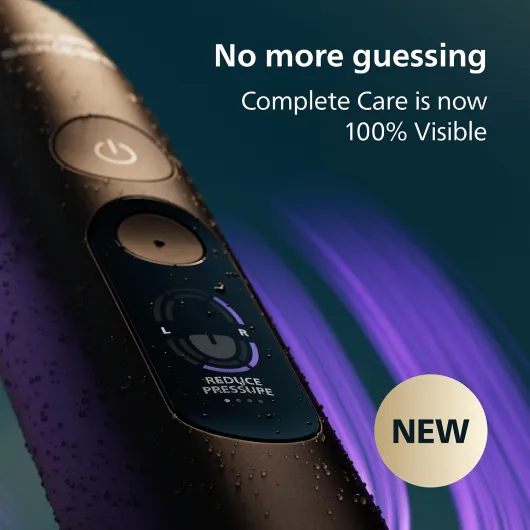
The button layout is simple: one power button, one mode button below it, and a row of small LEDs to show which mode you’re in and how much battery is left. You don’t get a huge screen or any fancy graphics, but frankly, for a toothbrush, that’s fine. You feel the 30‑second pauses and the final stop, so you don’t need to stare at it. The pressure alert is visual (flashes purple) and also changes the vibration, so you notice it even if you’re not looking in the mirror.
One thing I appreciated is the size and weight. It’s light enough that your hand doesn’t get tired, even on the higher intensity. My old Oral‑B felt bulkier and more top‑heavy. Here, the handle is slightly longer and slimmer, and it stands upright steadily on the charger or on the sink. No weird wobble, and it doesn’t fall over if you bump it lightly.
If I had to nitpick, the finish doesn’t feel premium in a luxury way, but at the same time, it doesn’t feel cheap either. It’s just standard solid plastic. The navy version looks a bit nicer than the plain black in my opinion, but that’s personal taste. Overall, the design is practical, low drama, and easy to live with day to day, which is what I want for something I use half asleep every morning.
Battery life and charging: pretty solid but not perfect
Battery life is one of the strong points here. With two people using the brushes twice a day (each with their own handle), we both got around three weeks on a full charge at medium intensity before the low‑battery light came on. That’s in line with what Philips claims. If you only brush twice a day on lower intensity, you can probably stretch it closer to four weeks, but I didn’t push it that far because I hate the stress of a dead toothbrush mid‑week.
The first full charge takes a while (around 24 hours), which is a bit long, but after that, you just pop it on the stand overnight when the indicator gets low. The charger itself is small and doesn’t take up much space. The travel case charging with USB‑A is handy if you’re away from home a lot. You just plug it into a laptop charger or a power bank and you’re set. Again, no adapter in the box, so you need your own plug.
What I like is that the brush doesn’t suddenly die. You get a clear low‑battery warning, and the power stays stable almost until the end. Some cheaper brushes slowly get weaker and you only realize it when your teeth don’t feel as clean. With this one, the performance felt consistent, and when it finally needed a charge, it told me clearly.
If I had to complain about something, it’s that Philips still uses their own little stand system instead of something more universal like USB‑C directly on the handle. But that’s standard in this category. Overall, for a product you use twice a day, I’m satisfied: you don’t have to think about the battery all the time, and it’s easy enough to keep topped up.
Comfort in daily use: powerful but still manageable
In the mouth, the first thing you feel is the strong vibration. On full intensity in Clean or White mode, it’s not gentle. If you’re new to sonic brushes, it might feel a bit much on the first day. The EasyStart feature slowly ramps up power over the first couple of uses, which helps. I used that for about a week, and after that I was fine at medium or high intensity. My partner, who has more sensitive gums, stays on low or medium and mostly uses Sensitive and Gum Health modes.
The G3 Premium Gum Care heads have medium firmness bristles. They’re not super soft, but they don’t feel rough either. After a few days, I noticed my gums were less tender than with my old brush, especially because the pressure sensor kicks in when you press too hard. It flashes purple and the brush backs off a bit. At the beginning, I triggered it a lot out of habit, which showed I was probably brushing too aggressively before. After about a week, I adjusted my pressure and barely saw it anymore.
Noise level is decent. It’s not silent, but it’s not a loud drill either. Compared to my old Oral‑B oscillating model, this Sonicare is a bit higher‑pitched but less “grindy.” Early mornings or late at night, it’s not going to wake the whole house unless your bathroom shares a paper‑thin wall with someone’s bedroom. For me, it was totally acceptable and easy to get used to.
In day‑to‑day use, the comfort is good once you dial in the right mode and intensity. If you have sensitive teeth or gums, you’ll probably live in Sensitive mode on low for a while before moving up. If you like a strong clean, medium or high on Clean or White does the job. It’s not the softest brush I’ve ever used, but it’s controlled, and the pressure feedback helps keep you from overdoing it.
Performance, app, and daily practicality
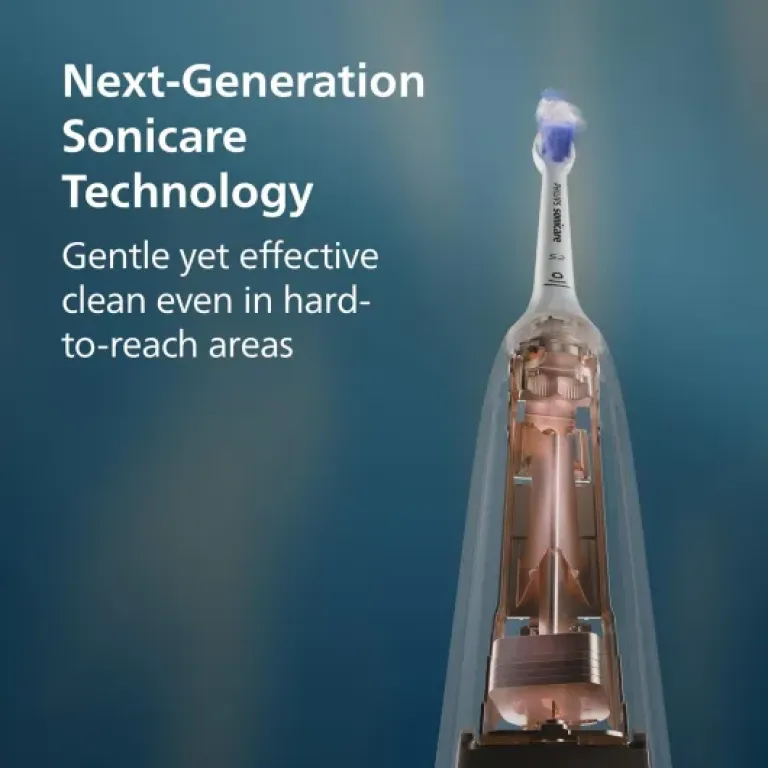
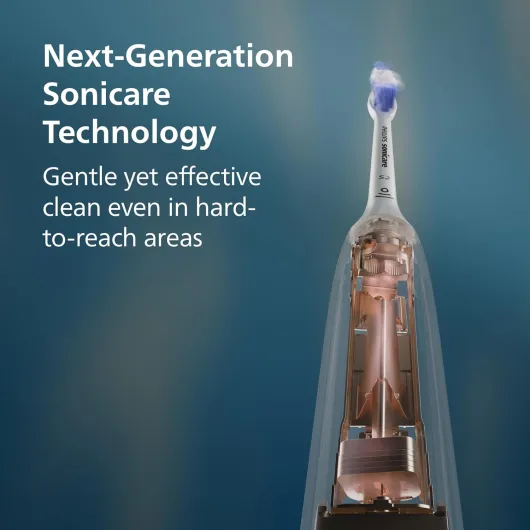
On pure performance (power, modes, consistency), I don’t have much to complain about. The brush delivers a strong, stable vibration even as the battery drains. I didn’t notice any drop in power before the low‑battery light came on. The 62,000 movements per minute number is marketing talk to me, but in practice, it just means the head buzzes fast and clears gunk out of tight spots if you give it time to work. All four modes work as described, and the three intensity levels actually feel different, which isn’t always the case on cheaper models.
The app side is where things get messy. When it works, it’s kind of fun: you get a basic map of your mouth, some feedback on how long you brushed, and reminders if you skipped areas or didn’t hit the full 2 minutes. But the Bluetooth connection is flaky. I had several sessions where the app just didn’t pick up the brushing because my phone wasn’t right next to the sink or because it randomly disconnected. After a few days of trying to use it every time, I gave up and now only open it once in a while.
In practice, I’d say: buy this brush for the hardware, not the app. The brush alone is strong, the modes are useful, and the pressure sensor is actually helpful. The app is more like a side feature for those who like tracking, not something you should depend on. If you hate using your phone in the bathroom or don’t care about stats, you’re not missing much by ignoring it.
Day to day, the performance is steady: you put toothpaste, pick your mode, and it just works. No weird lag, no random stops, and the handle doesn’t feel like it’s going to fall apart. For a mid‑range electric toothbrush, it does what it’s supposed to do without drama, and that’s basically what I want from this kind of product.
What you actually get in the box
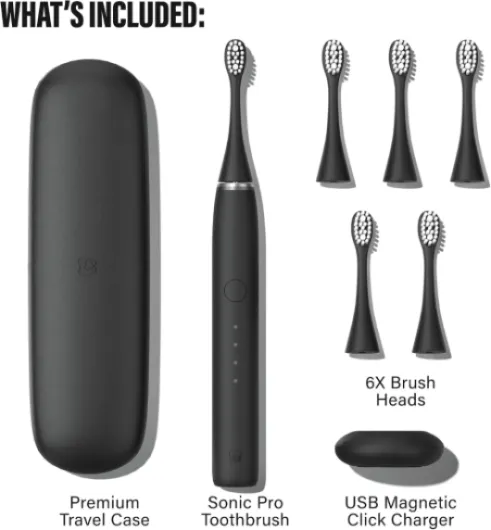
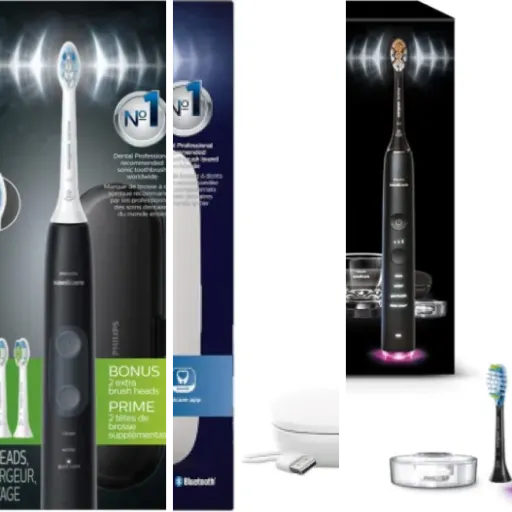
Out of the box, the dual pack is pretty straightforward: you get two handles, two G3 Premium Gum Care heads, two chargers, and two travel cases with USB‑A cables. No power adapters, which is slightly annoying if you don’t already have a spare USB plug lying around, but that seems to be the standard now. The travel cases are actually useful: slim enough to toss in a bag, and they double as a charging case with the cable. For trips, that’s practical.
The brush heads they include are focused on gum care, not the plaque or whitening ones. In practice, the G3 heads are already quite firm and clean well, so I didn’t feel the need to immediately buy different heads. Still, if you’re really into whitening, you’ll probably end up testing other Philips heads later, and that’s where the cost can creep up. Replacement heads are not cheap, especially if two people are using the system.
On the handle itself, you’ve got four modes (Clean, White, Sensitive, Gum Health) and three intensity levels. Realistically, I used Clean and Gum Health the most. My partner likes White in the morning and Sensitive at night. The mode button is separate from the power button, which is good; once you get used to it, you can swap modes quickly before starting. There’s also a tiny light that tells you about pressure and head replacement, but it’s easy to ignore if you’re not paying attention.
Overall, the package is fairly complete for two people: two everything, no need to share a handle or case. If you already have USB chargers, you’re fine. If not, factor in buying one. Nothing fancy in the box, but it’s functional and you don’t feel like something critical is missing, apart from maybe a couple of extra heads for variety.
Effectiveness: does it actually clean better?
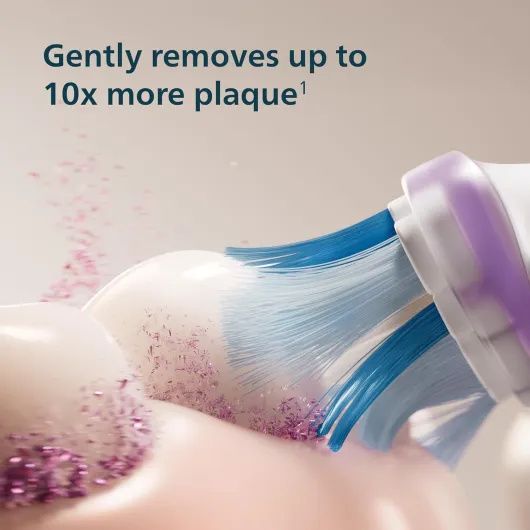
On cleaning performance, this brush is honestly pretty solid. After the first couple of uses, my teeth felt smoother, especially behind the lower front teeth where plaque usually hangs around. Compared to my old manual brush, it’s no contest. Compared to my older Oral‑B electric, I’d say the Sonicare 7100 feels more thorough along the gumline and in between teeth, as long as you let the head glide slowly instead of scrubbing like a manual brush.
I mainly used Clean mode in the morning and Gum Health at night. Clean mode at medium intensity gives that “just left the hygienist” smoothness, especially on the front surfaces. Gum Health is a bit gentler and focuses more on that massaging feeling around the gums. After about two weeks, my gums looked less red in a couple of spots that usually flare up when I’m lazy with flossing. I’m not claiming miracles here, but there was a clear improvement in how my mouth felt overall.
On whitening, the White mode does help with surface stains, but don’t expect your teeth to suddenly jump several shades. What I noticed is that coffee stains on the front teeth built up slower, and my teeth looked a bit brighter, mainly because they stayed cleaner between deep cleanings. It’s more maintenance than a full cosmetic change. If you want real whitening, you’ll still need proper treatments or strips; this just helps keep things from getting too dull.
The built‑in 2‑minute timer with 30‑second zones is standard but useful. I actually followed it properly with this brush, and that alone probably explains part of the better results. When you combine a longer, consistent brushing time, the sonic motion, and the pressure control, you get a cleaner mouth without feeling like you’ve gone overboard. So yes, in terms of effectiveness, it does the job well and clearly better than basic options, but it’s not magic. It’s just a solid, efficient tool if you use it properly.
Pros
- Very effective cleaning with clear improvement in smoothness and gum comfort
- Strong battery life (around 3 weeks per charge with regular use)
- Useful pressure sensor and multiple modes/intensities that actually make a difference
Cons
- App connection is unreliable and doesn’t consistently track brushing sessions
- Replacement brush heads are quite expensive over time
Conclusion
Editor's rating
After using the Philips Sonicare 7100 dual pack daily, my takeaway is pretty simple: as a toothbrush, it does the job really well; as a “smart” gadget, it’s a bit half‑baked. The cleaning is strong, the gums feel better after a couple of weeks, and the pressure sensor actually teaches you to be less rough. The 4 modes and 3 intensity levels aren’t just there for show; I genuinely used different combinations depending on how my mouth felt that day. Battery life is solid, and the dual pack makes sense for couples or flatmates who both want a decent brush.
On the downside, the app is unreliable and more of a gimmick than a serious tool. If you ignore the app and focus on the hardware, you’ll probably be happy. If you’re expecting perfect tracking and coaching every time, you’ll be annoyed. Also, the ongoing cost of Philips heads adds up, so it’s not a cheap long‑term option. In short: this is a good choice if you want a strong, comfortable sonic brush with decent features and you’re okay paying a bit more for it. If you’re on a tight budget or don’t care about modes and pressure sensors, you can find simpler, cheaper brushes that still clean reasonably well.
![Sonicare 7100 Electric Toothbrush, Sonic Toothbrush with App, 4 Brushing Modes and 3 Intensity Levels, Pressure Alert, EasyStart, SmarTimer, White and Navy, 2 Pack, HX7429/01 [New Technology] Sonicare 7100, Dual Pack, Navy/Black](https://www.electric-toothbrush-guru.com/storage/1012721/71vNjog50vL._AC_SL1500_.jpg)