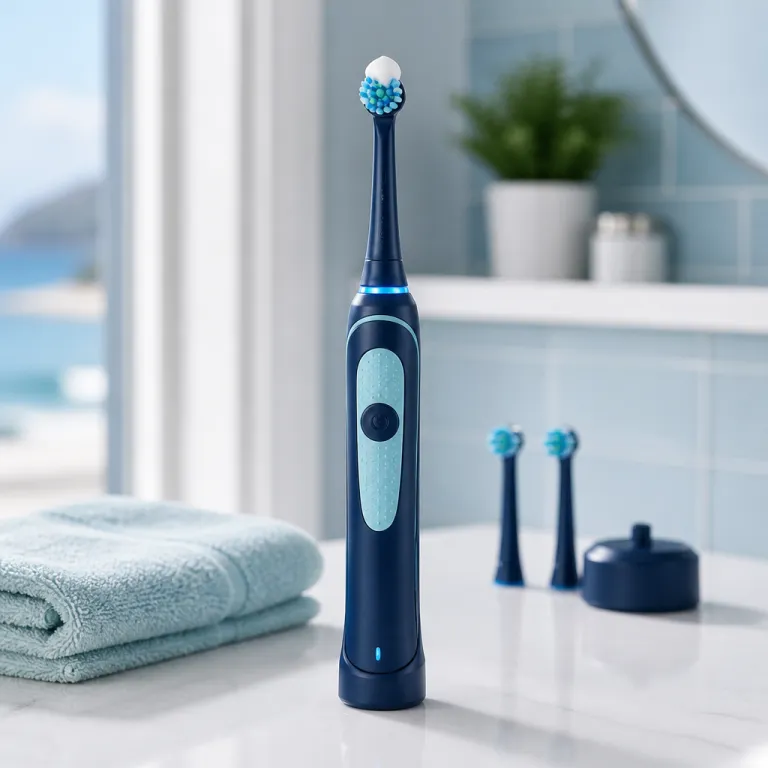

What dentists really mean by a recommended electric toothbrush
A recommended electric toothbrush by dentist is not about trend or gadgets. When clinicians endorse an electric toothbrush or several electric toothbrushes, they look at plaque removal, gum protection, and long term oral health outcomes. A dentist approved toothbrush must help you brush every tooth surface consistently while limiting damage from excessive pressure.
Professionals usually prefer an electric toothbrush with a small round or oval brush head, because this head shape reaches behind molars and along the gumline more easily than many manual brushes. They also value a built in minute timer that guides you to brush for two full minutes, often split into 30 second segments per quadrant for more systematic brushing. For many patients, this structure alone transforms rushed brushing into a predictable routine that finally cleans all teeth evenly.
When dentists compare the best electric models, they examine clinical data on plaque removal and gum bleeding reduction rather than marketing claims. They also assess how intuitive the cleaning modes feel for real people, including those with sensitive teeth or braces, and whether the pressure sensor responds quickly enough to prevent enamel wear. A truly dentist recommended electric toothbrush therefore balances strong cleaning power with gentle bristles, smart features that are easy to ignore if you wish, and a price that patients can realistically sustain over several years and replacement cycles. Recent guidance from professional bodies such as the American Dental Association and updated systematic reviews in journals like the International Journal of Dental Hygiene support the overall benefit of powered brushes when used with proper technique.
Key features dentists look for in the best electric toothbrushes
When a dentist selects the best electric toothbrush for everyday patients, they start with the motor technology and brush head design. Sonic and oscillating rotating brushes move differently on the teeth, yet both can achieve excellent plaque removal when paired with soft brush heads and proper technique. Many clinicians like sonic models such as Philips Sonicare because the high frequency brushing motion creates fluid dynamics that reach slightly beyond the physical bristles.
For patients with sensitive teeth or early gum disease, dentists often insist on multiple cleaning modes and a reliable pressure sensor. A gentle mode reduces intensity while the pressure sensor light or vibration warns you when your brush presses too hard against the enamel and gums, which protects long term oral health. These smart features matter more than flashy apps, because they directly change daily brushing behaviour and help prevent recession or micro cracks in the teeth.
Another non negotiable feature is a clear minute timer, sometimes combined with a pacer that signals when to move the toothbrush head to a new area. This structure ensures that the electric toothbrush spends equal time on all surfaces, not just the front teeth you see in the mirror. If you struggle with discomfort, a dentist may direct you to a model from a curated list of top electric toothbrushes for sensitive teeth, where softer brushes, extra gentle modes battery settings, and smaller brush heads reduce irritation while still delivering thorough cleaning.
How dentists weigh price, battery life, and long term costs
People often ask whether a recommended electric toothbrush by dentist must be expensive to be effective. Dentists usually separate the initial price of the handle from the ongoing cost of each replacement brush or pack of replacement heads, because long term affordability determines whether patients actually maintain their toothbrushes properly. A mid range electric toothbrush with reasonably priced brush heads often delivers better oral health than a premium model whose replacement heads feel unaffordable.
Battery life is another practical factor that clinicians consider when advising frequent travellers or busy families. A handle that lasts 10 to 14 days on a single charge allows you to store it in a travel case without worrying about daily charging, which encourages consistent brushing away from home. When the battery drains too quickly, people tend to revert to manual brushes during trips, and that inconsistency can undo some of the gains from an otherwise best electric routine.
Some dentists also guide patients towards seasonal promotions, especially for those shopping on Amazon or in large pharmacies. A carefully chosen Amazon Prime Day electric toothbrush deal can make a high performing electric toothbrush or several electric toothbrushes more accessible, provided you still budget for replacement heads every three months. The key is to avoid buying a discounted handle with obscure brush head formats, because limited availability of compatible brushes can raise costs and compromise plaque removal over time.
Comparing sonic and oscillating models in dentist recommendations
When you read about a recommended electric toothbrush by dentist, you will often see two main families of technology. Sonic toothbrush designs, including many Philips Sonicare models, use high frequency side to side brushing that feels more like a powerful manual brush. Oscillating rotating toothbrushes, often branded as Oral B or similar, use a small round head that cups each tooth and rotates back and forth.
Dentists rarely claim that one technology is universally the best electric choice, because both can achieve strong plaque removal when used correctly. Sonic brushes may feel more familiar for people transitioning from manual toothbrushes, while oscillating heads can be easier for those who like to place the brush on each tooth and let the motor do most of the work. The most important factor is whether the brush head size, handle grip, and cleaning modes suit your mouth shape, dexterity, and brushing habits.
If you are undecided, many clinicians suggest comparing a mid range Oral B style model with a mid range Philips Sonicare handle. A detailed side by side review such as this Oral B iO versus Sonicare comparison illustrates how pressure sensors, minute timers, and smart features differ in real use. By focusing on how each toothbrush feels during two minutes of brushing, and how clean your teeth feel afterwards, you can align your choice with the same criteria dentists use in their own electric toothbrushes recommendations.
- Sonic (for example, Philips Sonicare): Feels similar to a fast manual brush, with sweeping motions and fluid dynamics that help reach slightly beyond the bristles; often quieter and preferred by people who like a gliding technique.
- Oscillating rotating (for example, Oral B): Uses a small round head that cups each tooth and rotates or pulses; can be easier for users who prefer to hold the brush in place and let the motor do the work, and has shown slightly higher plaque reduction in some comparative studies.
Practical buying guide for person seeking information
For someone seeking a recommended electric toothbrush by dentist, the first step is to define your oral health priorities. If you struggle with bleeding gums or sensitive teeth, prioritise a toothbrush with soft brush heads, a sensitive mode, and a highly responsive pressure sensor that cuts intensity instantly. People focused mainly on stain and plaque removal may prefer stronger cleaning modes and slightly firmer brushes, provided they maintain gentle pressure during brushing.
Next, evaluate the everyday usability of each electric toothbrush rather than only the technical specifications. Check whether the handle feels comfortable in your hand, whether the minute timer signals are clear, and whether the cleaning modes battery indicators are easy to understand at a glance. A travel case can be crucial if you commute or fly often, because it protects the brush head and keeps the electric handle clean in bags or suitcases.
Finally, look at the ecosystem around the toothbrush, including availability of replacement brush options and multi pack brush heads in local shops or on Amazon. Some Philips Sonicare and Oral B compatible replacement heads come in economical packs that lower the cost per brush head, which encourages you to change brushes every three months as dentists advise. When all these elements align, you end up with the best electric routine for your lifestyle, not just the most heavily advertised electric toothbrush on the shelf.
Maintenance, replacement heads, and getting the most from your brush
Even the most recommended electric toothbrush by dentist will underperform if you neglect maintenance. Dentists emphasise that worn brushes bend and fray, which reduces plaque removal and can even trap bacteria against the teeth and gums. Changing the brush head or full brush heads pack every three months, or sooner after illness, keeps the bristles effective and hygienic.
When choosing replacement brush options, match the exact model name of your electric toothbrush or electric toothbrushes to avoid compatibility issues. Many brands offer a range of replacement heads, from standard cleaning to specialised designs for sensitive teeth, orthodontic appliances, or deep interdental cleaning. Rotating between a standard brush head and a more targeted head can improve overall oral health without requiring multiple handles or complicated smart features.
Daily care also matters, so rinse the toothbrush head thoroughly after each use and let it air dry upright. Avoid pressing the brush against the sink or towel, because this can bend bristles and confuse the pressure sensor calibration over time. With consistent brushing twice per day, a reliable minute timer, and timely replacement heads, your electric toothbrush becomes a long term ally for cleaner teeth and healthier gums across many years.
Key figures on electric toothbrush effectiveness and usage
- A Cochrane Oral Health Group systematic review of randomised clinical trials reported that powered toothbrushes reduced dental plaque by about 11 % and gingivitis by roughly 6 % more than manual brushes after three months of use, when people followed standard two minute brushing instructions (Yaacob et al., Cochrane Database Syst Rev 2014).
- Oscillating rotating electric toothbrushes have demonstrated slightly higher plaque reduction than some sonic designs in head to head studies, although both technologies significantly improve outcomes compared with manual toothbrushes when used twice daily (summarised in American Dental Association Council on Scientific Affairs reports).
- Surveys in several European countries indicate that fewer than 50 % of adults consistently brush for the recommended two minutes, but adherence rises markedly when a built in minute timer or quadrant pacer is present on the toothbrush handle (data compiled by national dental associations and public oral health surveys).
- Public health analyses suggest that regular use of an electric toothbrush is associated with lower rates of tooth loss and fewer restorative treatments over long observation periods, highlighting the potential economic benefit of investing in effective brushing tools (for example, Pitchika et al., J Clin Periodontol 2019, in a large longitudinal cohort).
- More recent reviews of powered brushing, including umbrella analyses published after 2020, broadly confirm that both sonic and oscillating technologies improve plaque control and gingival health compared with manual brushing when users follow dentist recommended routines.
FAQ about dentist recommended electric toothbrushes
How often should I replace my electric toothbrush head ?
Dentists advise replacing the brush head or compatible replacement heads every three months, or sooner if the bristles splay or change colour. Worn brushes remove less plaque and can irritate gums, even on the best electric handles. Regular changes keep cleaning performance high and support long term oral health.
Is a sonic toothbrush better than an oscillating model ?
Both sonic and oscillating electric toothbrushes can deliver excellent plaque removal when used correctly for two minutes twice daily. Sonic designs such as many Philips Sonicare models feel more like a fast manual brush, while oscillating round heads often suit people who prefer to rest the brush on each tooth. Dentists usually recommend whichever technology you find comfortable enough to use consistently with gentle pressure.
Do I really need smart features and apps on my toothbrush ?
Smart features such as Bluetooth apps, position tracking, and detailed brushing reports can help some people build better habits. However, dentists consider a pressure sensor, a clear minute timer, and appropriate cleaning modes more important than advanced connectivity. If apps motivate you, they are useful, but a simpler handle can still be a fully recommended electric toothbrush by dentist.
Can an electric toothbrush help with sensitive teeth ?
Many electric toothbrush models include specific modes and brush heads for sensitive teeth, which reduce intensity while maintaining effective plaque removal. A soft replacement brush combined with a responsive pressure sensor prevents over brushing and protects exposed dentine. People with persistent sensitivity should also use a desensitising toothpaste and consult their dentist for a full oral health assessment.
Is an electric toothbrush worth the higher price compared with a manual brush ?
Although the initial price of an electric toothbrush and ongoing replacement heads can be higher than manual options, clinical data show better plaque and gingivitis control for many users. The built in minute timer, consistent brushing motion, and pressure control help people achieve results that are harder to match manually. Over time, fewer fillings and less gum treatment can offset the cost, especially when you choose a model with reasonably priced brush heads and good battery life.