How to judge quality: motors, pressure control, and build
Not every electric toothbrush or water flosser is engineered equally well. When you compare the best electric toothbrushes with water flosser combo units, focus first on the brushing motor, the flosser pressure range, and the durability of the water tank and hose. A strong sonic motor, like those used in Philips Sonicare electric toothbrush models, can deliver around 31,000 brush strokes per minute while remaining gentle on enamel, a figure that aligns with Philips’ own product specifications, whereas many oscillating-rotating brushes operate at several thousand sweeps per minute with a different cleaning action.
Look for a minute timer with quadrant pacing, which briefly pauses every 30 seconds to guide you around the mouth. This feature keeps brushing consistent and prevents people with rushed routines from under cleaning the back molars or the inner surfaces of the lower front teeth. If a product omits a clear timer or offers only vague vibration cues, it usually signals a lower tier design that prioritizes cost over long term oral health and may lead to the kind of inconsistent brushing patterns highlighted in observational studies of home care habits.
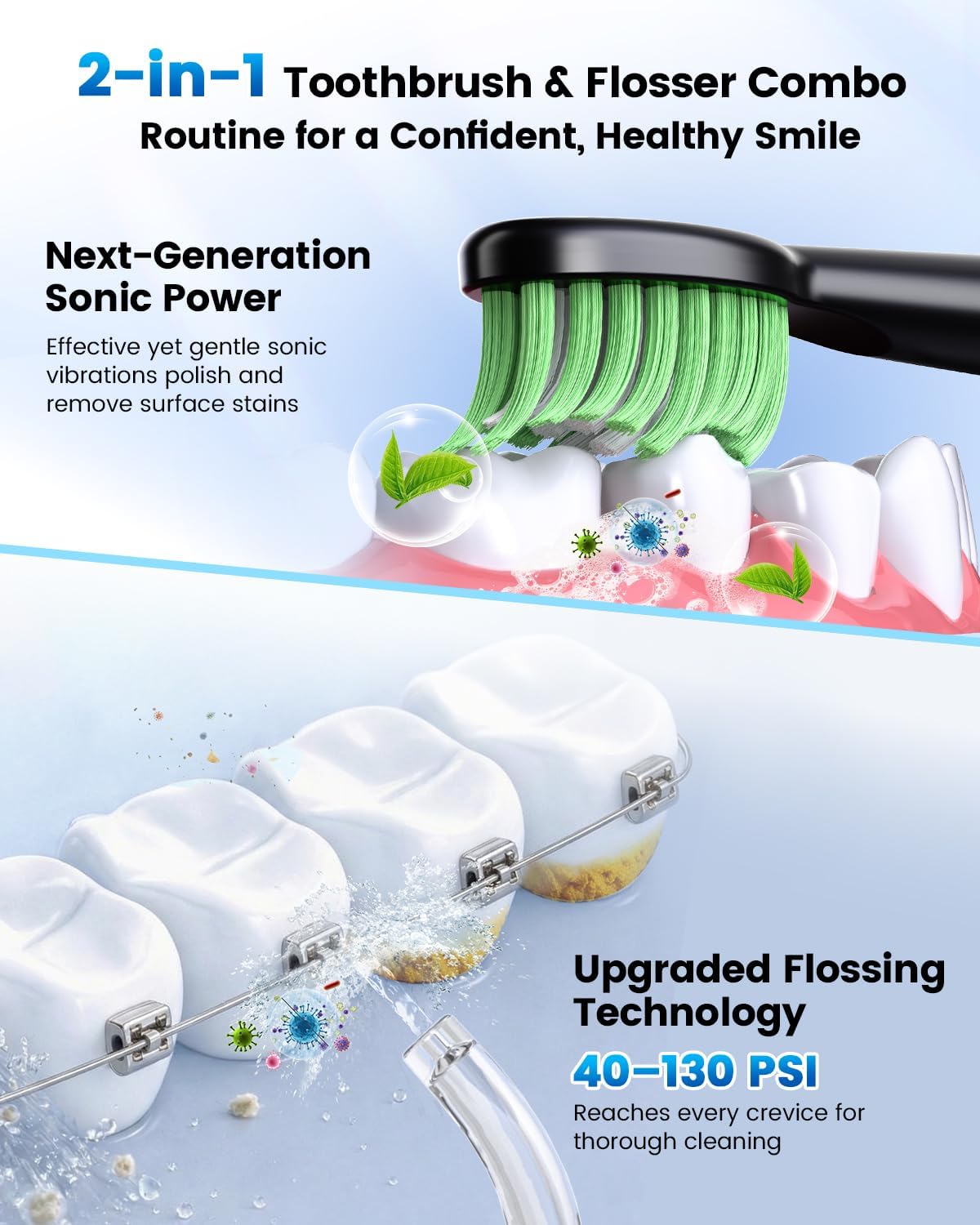
Pressure control on the water flosser side matters just as much as motor strength on the toothbrush side. Quality water flossers, including premium countertop models, offer multiple pressure settings so you can start low and gradually increase as your gums adapt. Typical countertop units span roughly 10 to 100 PSI across 8 to 10 steps, while many cordless designs top out closer to 75 PSI, ranges that are consistent with manufacturer manuals for leading brands. When you read a detailed comparison such as the guide on the real difference between a basic and a premium electric toothbrush, you will notice that better engineering often means quieter operation, more reliable brush heads, and a sturdier case that protects your investment during travel.
Flagship combos: from Waterpik Aquarius to Sonic Fusion and beyond
Several flagship systems consistently appear in rankings of the best electric toothbrushes with water flosser combo solutions. The Waterpik Aquarius line, for example, combines a countertop base, a generous water tank, and a range of tips designed for braces, implants, and general flossing. A typical Aquarius reservoir holds about 600 ml of water, which supports roughly 90 seconds of continuous flossing at medium pressure according to Waterpik’s published specifications. Many reviewers call at least one Aquarius configuration their top pick because it balances strong water pressure with intuitive controls and a compact footprint.
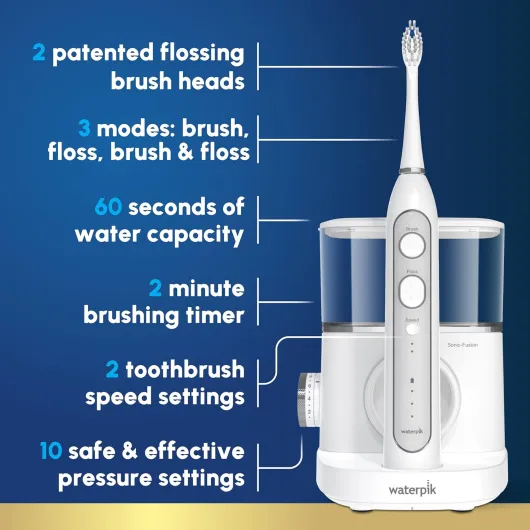
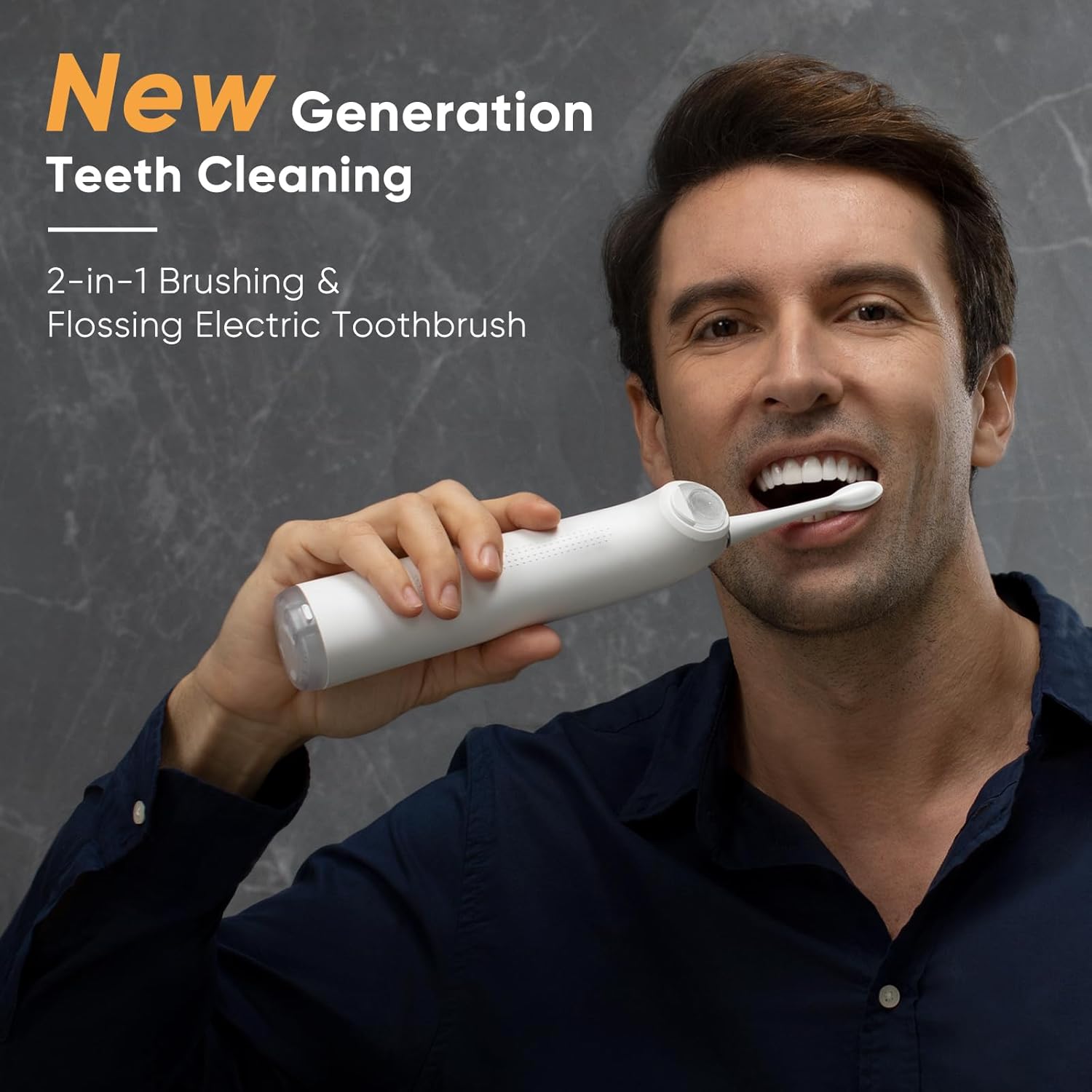
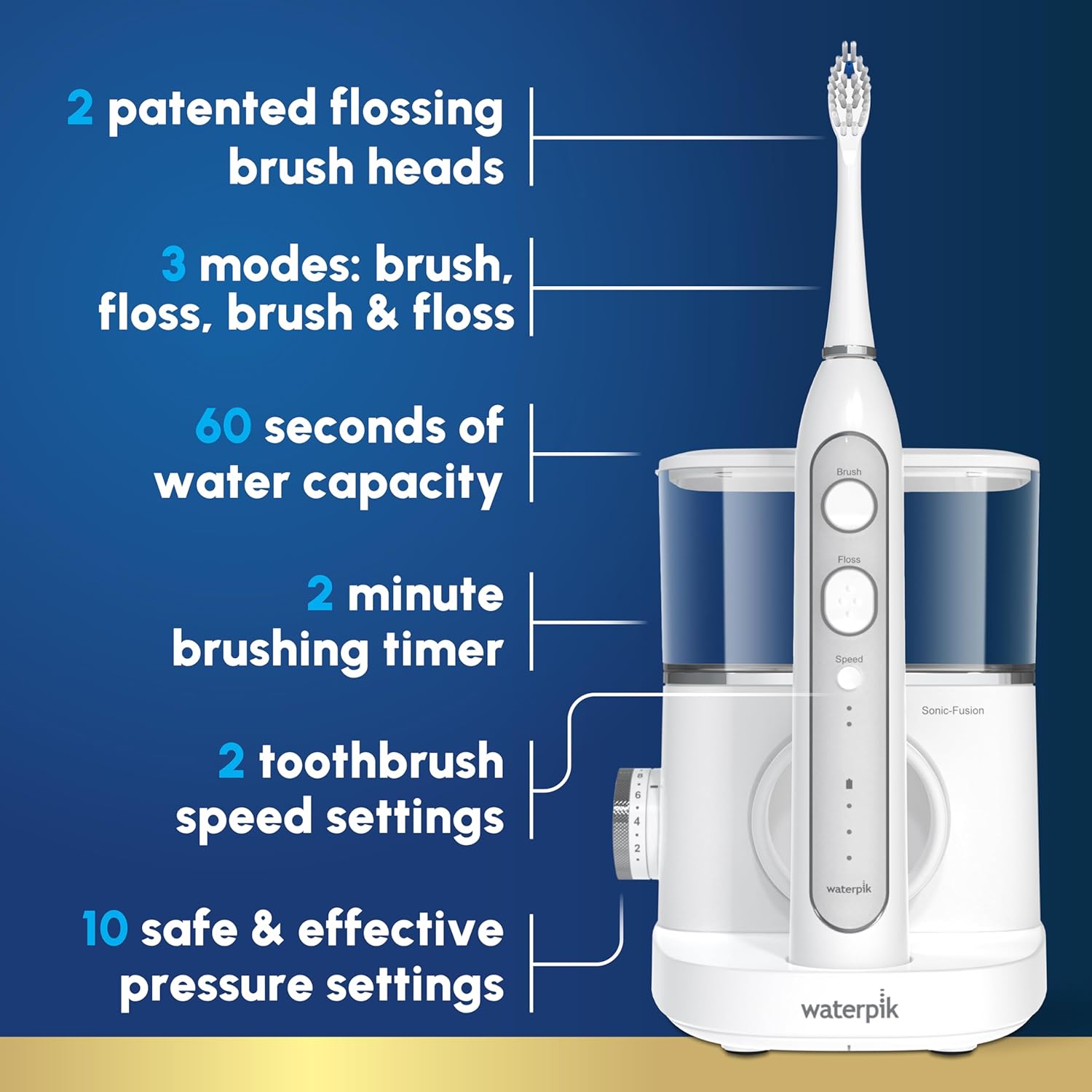
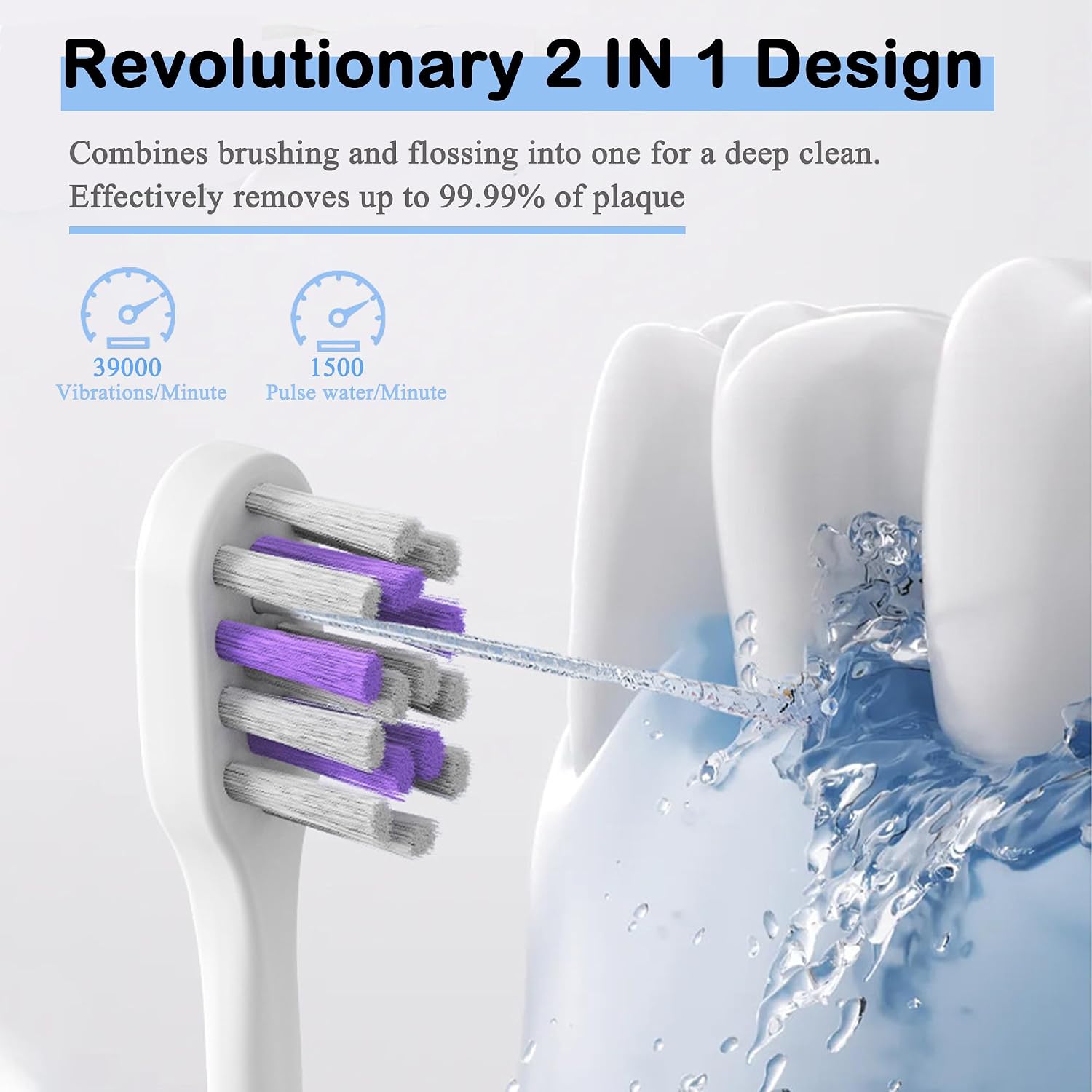
Another notable product is the Sonic Fusion series, which integrates a sonic electric toothbrush directly into the water flosser handle. With Sonic Fusion, you can brush and use the water jet at the same time or switch between modes, which appeals to people with limited bathroom space who still want best water performance from their device. This design reduces clutter by using one handle, one brush head, and one shared base, although some users prefer separate cordless water flossers for greater flexibility and the ability to move freely around the sink.
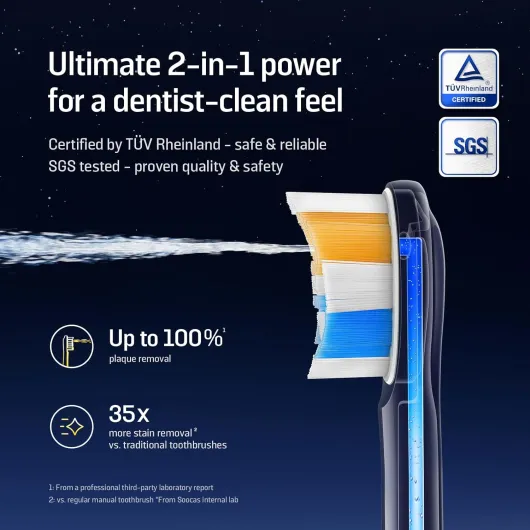
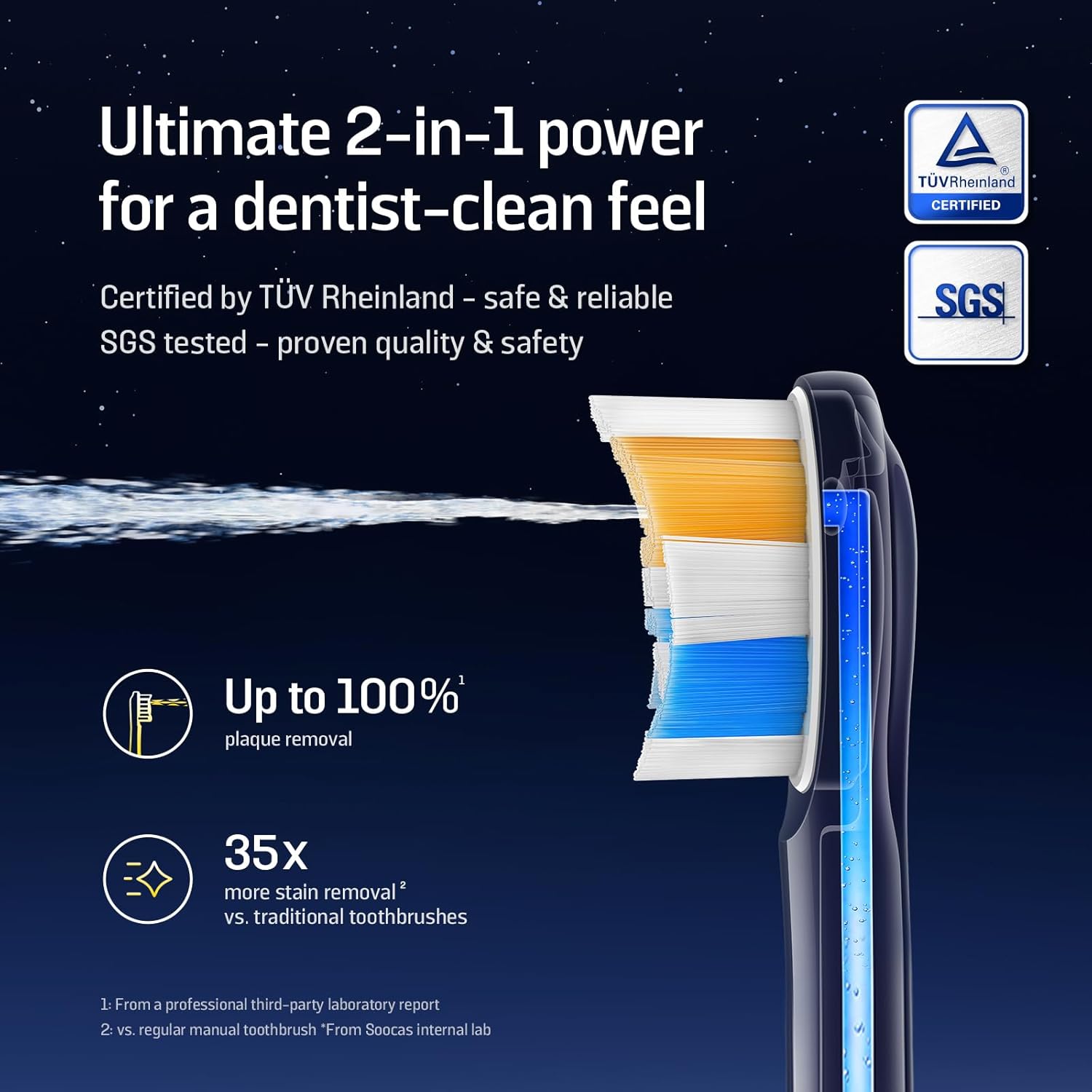
Emerging brands are also pushing innovation in this category. The Soocas Neos range, for instance, focuses on sleek cordless designs that pair a lightweight electric toothbrush with a compact flosser wand, targeting younger users in urban apartments from New York to smaller cities like York. Typical cordless tanks in this segment hold around 150 to 200 ml, which translates to about 45 to 60 seconds of use per fill. For a curated overview of how these systems compare in real homes, the in depth guide to top electric toothbrushes with water flosser combo devices breaks down strengths, weaknesses, and ideal users for each major model.
Quick comparison of flagship combo formats
- Waterpik Aquarius (countertop) – Higher maximum pressure, 600 ml tank, multiple specialty tips; best for braces, implants, and complex dental work.
- Sonic Fusion (integrated handle) – Sonic brush and flosser in one handpiece, shared base; ideal for small bathrooms and users who want simultaneous brushing and water cleaning.
- Soocas Neos (cordless set) – Compact reservoir, USB charging, travel friendly design; suited to apartments, dorms, and people who prioritize portability over maximum pressure.
Key features that actually change your daily brushing routine
When you stand in front of a shelf full of electric toothbrushes and water flossers, the feature lists can feel overwhelming. Focus on the elements that genuinely affect how you brush and floss every day, rather than on cosmetic extras that look impressive on the box. A reliable minute timer, a comfortable brush head shape, and clearly labeled pressure settings on the flosser will influence your technique far more than decorative lighting or app badges that you stop checking after a few weeks.
Brush heads should be easy to swap, with color coded rings if several people with different needs share the same base unit. Compact brush head designs reach behind the last molars more easily, while slightly larger brush heads can feel more stable for people with limited dexterity. Make sure replacement brush heads for your chosen electric toothbrush are widely available, because a product that uses obscure fittings can become frustrating once the original heads wear out and may quietly discourage regular use.
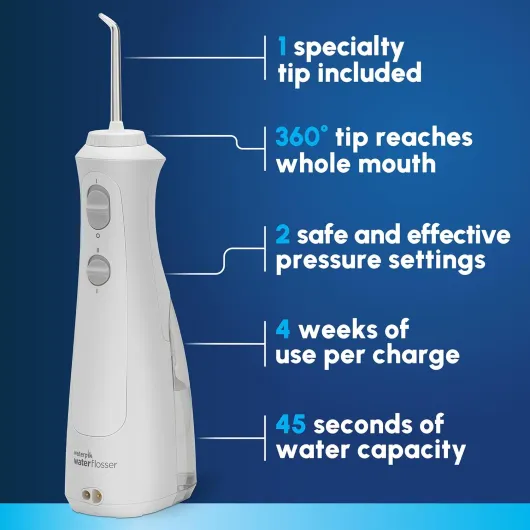
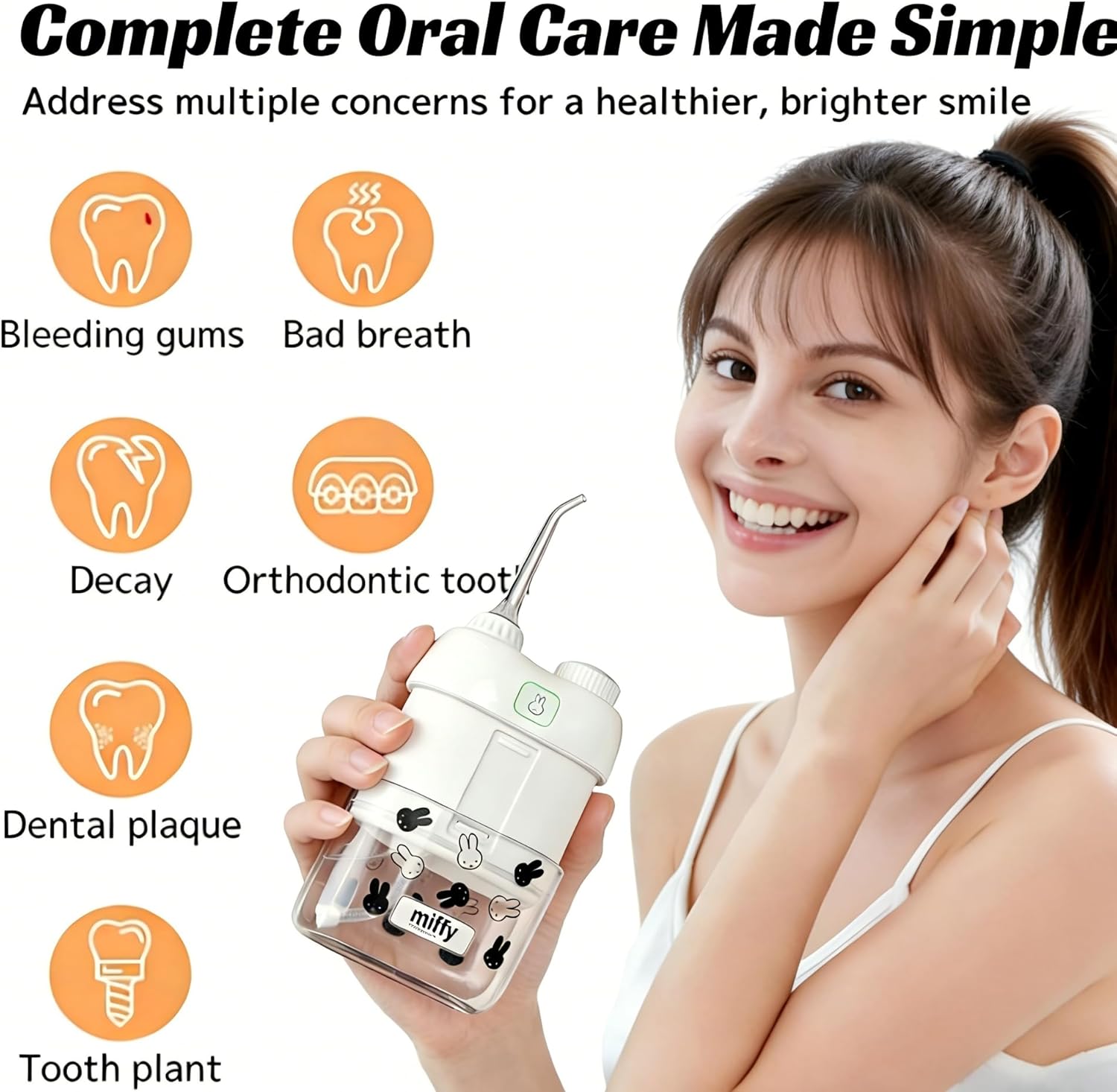
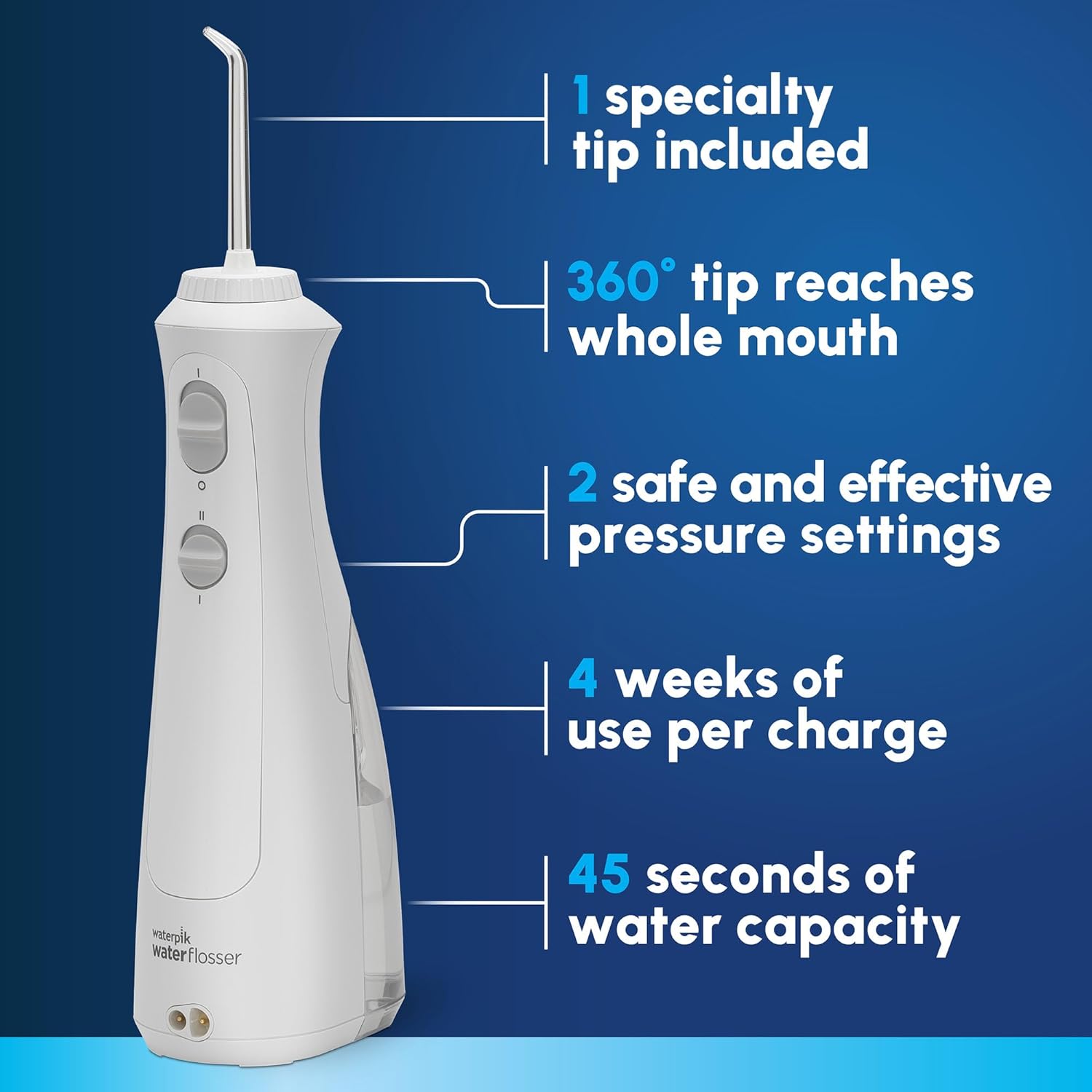
On the flosser side, examine how the handle feels in your hand and how smoothly the water pressure dial moves. A well designed water flosser wand lets you rotate the tip while maintaining a steady grip, which helps you trace the gumline without spraying water everywhere. If you prefer a cordless water design, check that the water tank capacity still allows at least 45 to 60 seconds of continuous flossing, otherwise you will need to refill mid session and may be tempted to stop early instead of completing the one minute protocol used in many clinical comparisons.
Countertop versus cordless: choosing the right format for your bathroom
One of the biggest decisions when selecting the best electric toothbrushes with water flosser combo is whether to choose a countertop base or a cordless system. Countertop units like the Waterpik Aquarius typically offer stronger water pressure, larger water tanks, and more specialized tips, which suit people with complex dental work or gum disease histories. Cordless designs, by contrast, prioritize portability and a smaller footprint, which can be ideal for shared bathrooms, dorm rooms, or frequent travelers who want to maintain a consistent oral hygiene routine.
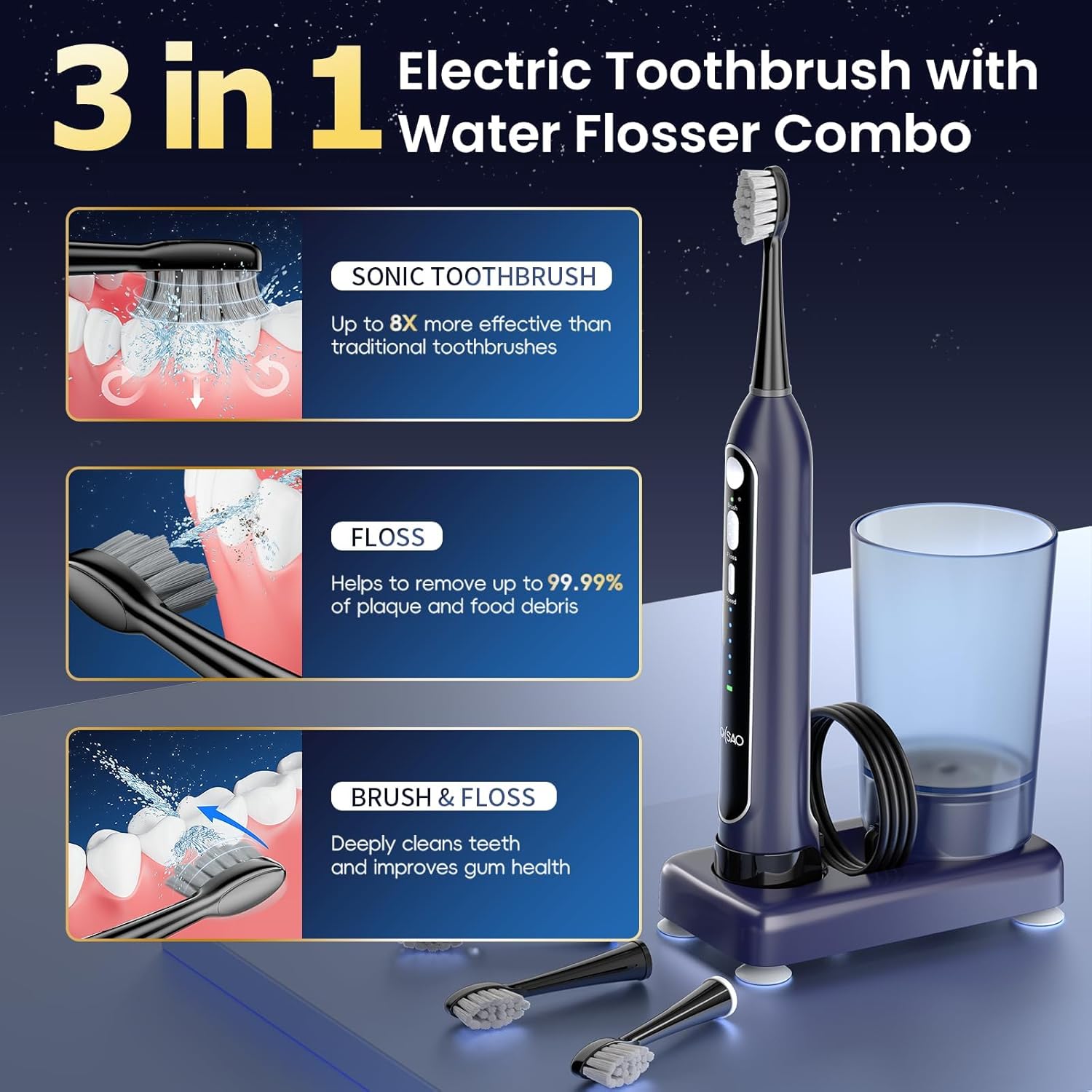
A countertop combo usually includes a dock for the electric toothbrush, a hose connected to the water flosser handle, and storage for multiple brush heads and tips in a covered case. This layout keeps everything in one place, but it does require access to a power outlet and enough space near the sink to avoid splashing water on nearby items. If your bathroom in a compact New York apartment has a narrow vanity, measure carefully before committing to a large base unit and compare the listed dimensions with the space between your faucet and wall.
Cordless water flossers pair well with slim electric toothbrushes that charge via USB or compact stands. Some products integrate both tools into a single cordless handle, while others sell a matched set that shares design language but charges separately. For people with limited storage, a cordless combo that fits into a small travel case can make it easier to maintain consistent brushing and flossing habits on work trips or holidays, especially when airline liquid limits and hotel counter space are part of the decision.
Practical buying guide: price, maintenance, and data privacy
Price differences between electric toothbrushes can be significant, especially when you add a water flosser to the package. A basic combo may cost less upfront but use proprietary brush heads and flosser tips that are expensive to replace, while a higher priced product might offer better durability and lower long term costs. Before you create an online account or register a warranty by email, check how often you will need new brush heads and whether generic alternatives exist for your chosen model so you can estimate a realistic yearly cost.
Maintenance goes beyond replacing a brush head every few months. You should empty and air dry the water tank regularly, clean the flosser handle to prevent mineral buildup, and occasionally run a cleaning cycle with diluted vinegar if you live in a hard water area. People with busy schedules often appreciate reminder features in smart electric toothbrushes, which can send gentle prompts to your email or app when it is time to change a brush head or adjust your brushing habits based on how long and how often you actually brush.
Connected models raise another modern concern, which is how brands handle your data. When you sign up for brushing analytics or promotional messages, always read the terms of service, the privacy policy, and any separate terms on privacy to understand what information you will receive and how your brushing data might be used. For readers who want to integrate their oral care into a broader smart home routine, the guide to smart home dental cleaning tools explains how to balance convenience with control over personal information and why some users still prefer offline devices.
Matching specific combos to real life dental needs
Different mouths call for different versions of the best electric toothbrushes with water flosser combo. People with braces or fixed retainers often benefit from a countertop system like the Waterpik Aquarius, which offers targeted orthodontic tips and enough water pressure to flush out trapped food. Those with implants or bridges may prefer a Sonic Fusion style device that combines sonic brushing with gentle water flossing around delicate restorative work and helps clean under pontics or around implant abutments.
If you have sensitive gums or a history of gum recession, prioritize combos with wide ranging pressure settings and extra soft brush heads. Start with the lowest pressure on the water flosser and gradually increase as your comfort improves, while using a sensitive mode on the electric toothbrush to avoid over brushing the exposed root surfaces. In such cases, a product that includes multiple brush heads in the box can help you experiment until you find the most comfortable option and match the bristle type to your dentist’s recommendations.
Tech oriented users who enjoy tracking habits might gravitate toward smart Philips Sonicare electric toothbrushes paired with compatible water flossers, while minimalists may choose a simple cordless water flosser and a non connected brush. Whatever your profile, aim for a combo that you will actually use twice a day, because consistency matters more than any single specification. Once you have a setup that fits your bathroom, your budget, and your lifestyle, you are far more likely to maintain the kind of brushing and flossing routine that keeps dental visits focused on prevention rather than repair.
Key figures on electric toothbrush and water flosser use
- Randomized clinical trials have shown that using a water flosser in addition to manual brushing can reduce gingival bleeding by around 50 % over four weeks compared with brushing alone, according to data reported in peer reviewed journals such as the Journal of Clinical Dentistry (Barnes et al., 2005) and the Journal of Clinical Periodontology (Goyal et al., 2012).
- Independent studies comparing sonic electric toothbrushes with manual brushes have found plaque reduction improvements of roughly 20 % to 30 % after several months of regular use, with Philips Sonicare models often used as reference devices in these trials and results reported in publications like the Journal of Clinical Periodontology and the American Journal of Dentistry.
- Survey data from dental associations in North America indicate that fewer than 40 % of adults report flossing once per day, which helps explain the growing interest in water flossers as a more acceptable daily habit and the rise of alternative interdental cleaners in preventive care guidelines.
- Market analyses of oral care devices show that electric toothbrushes and water flossers together represent one of the fastest growing segments in home dental products, with annual growth rates several percentage points higher than manual brushes according to global consumer health reports.
- Clinical comparisons between countertop and cordless water flossers suggest that countertop units typically deliver higher maximum pressure, while cordless designs achieve similar plaque reduction when users follow recommended one minute flossing protocols and maintain daily use.