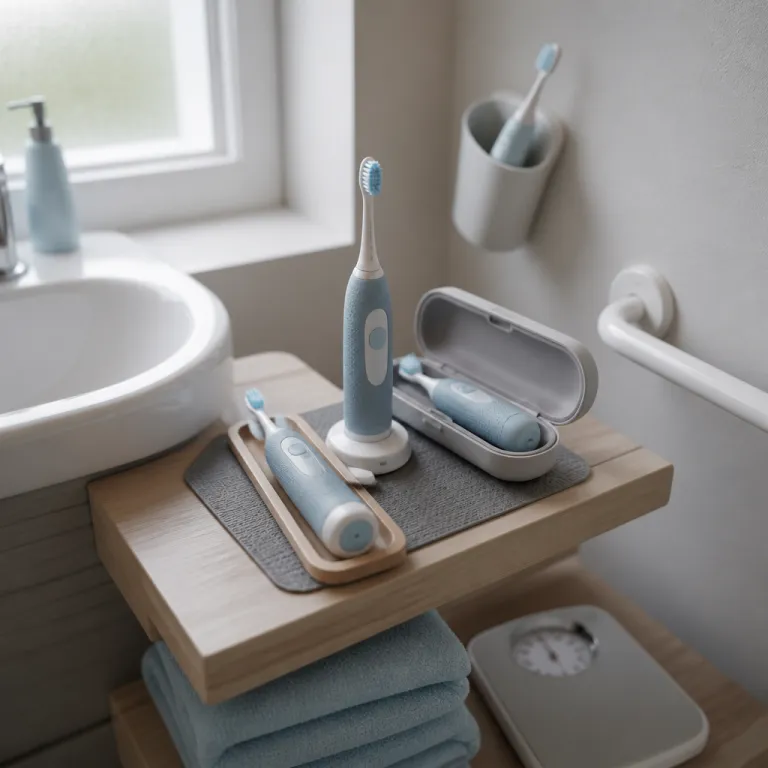
Why electric toothbrushes matter when grip and dexterity are limited
For many seniors with arthritis, a standard manual toothbrush quickly becomes a daily struggle. When finger joints are swollen and wrist rotation is painful, even basic oral hygiene can feel like a small endurance test. That is exactly where an electric toothbrush designed for arthritis, limited grip, and seniors can turn brushing from a chore into something manageable again.
Electric toothbrushes do the scrubbing for you, so the hand only needs to guide the brush head along the teeth and gums. That shift matters for older patients with limited dexterity, because less force and fewer precise movements are required to maintain good oral care. For people in senior care settings across the United States, this difference can be the line between stable oral health and a slow slide toward gum disease and dental complications.
When arthritis affects the hands, the toothbrush handle becomes as important as the motor inside. A thin, slippery handle that works for younger users can be almost impossible for a senior with a limited grip to hold securely. Choosing an electric toothbrush for arthritis and limited grip seniors means prioritizing handle shape, surface texture, and overall design before looking at extra modes or cosmetic features.
Oral health professionals in modern dentistry now routinely flag brushing difficulties as a risk factor, not just an inconvenience. They see how sensitive gums, receding gums, and dry mouth often appear together in older patients who cannot brush effectively with a manual toothbrush anymore. An electric toothbrush with a soft brush head, a reliable pressure sensor, and a forgiving handle can reduce that risk while respecting the realities of aging hands.
Handle diameter, grip, and brush head size: what actually helps arthritic hands
The first thing to judge on any electric toothbrush for arthritis and limited grip seniors is the handle diameter. A thicker toothbrush handle spreads pressure across the palm, so seniors with painful finger joints can rely more on the whole hand and less on pinching strength. For many patients with limited dexterity, a wide, slightly oval handle with a rubberized grip is the single most important feature in daily oral care.
Brands differ sharply here, and the differences matter more than marketing slogans. Some electric toothbrushes use slim, almost pen like handles that look elegant but punish arthritic hands after thirty seconds of brushing. Others build in a broader handle design with deep rubber ridges, which lets a senior or caregiver maintain control even when the grip is weak or the gums are sensitive.
If a brush you like is too narrow, a silicone grip sleeve can transform it. These sleeves slide over the toothbrush handle and add both diameter and friction, which helps seniors with a limited grip hold the electric toothbrush without clenching. For toothbrushes seniors already own, this small upgrade can be cheaper than replacing the entire electric toothbrushes lineup in a household.
Brush head size is the second major comfort variable for older patients. A compact brush head requires less jaw opening and less wrist twisting to reach the back molars and the gum line behind the front teeth. The trade off is that a smaller brush head covers less surface area at once, so seniors with limited dexterity may need the full two minute timer to maintain adequate oral hygiene.
For many seniors with receding gums or sensitive gums, a soft brush head with rounded bristles is non negotiable. Hard bristles on a small head can feel like a dental scaler scraping along already inflamed gum tissue. When oral health is fragile, a soft brush head paired with a pressure sensor gives a safer margin of error for both the senior and any caregiver assisting with brushing.
Mode complexity also interacts with grip and head size in subtle ways. If the electric toothbrush has tiny buttons clustered near the brush head, seniors with arthritis may accidentally change modes while adjusting their grip. A simple one button design with clear icons is easier for toothbrushes seniors to operate, especially when dry mouth or medication side effects already make daily routines more complicated.
Weight, balance, and pressure sensors: safety nets for gums and joints
Weight is the next factor that separates an electric toothbrush for arthritis and limited grip seniors from a generic model. A very light brush reduces strain on the wrist and forearm, which helps seniors who also have shoulder or elbow arthritis. Yet if the toothbrush is too light, patients with a limited grip may feel it wobble or twist in the hand, especially when the brush head vibrates at high speed.
The best compromise for seniors is usually a mid weight handle with good balance. When the center of gravity sits near the middle of the toothbrush handle, the brush feels stable even in a weak grip, and the gums receive more consistent contact. This balance matters more than raw grams on a spec sheet, because oral care is about control, not just comfort.
Pressure sensors are not a luxury feature for older patients with sensitive gums and receding gums. When grip strength and wrist control vary from day to day, a pressure sensor acts as a safety net that prevents overbrushing along the gum line. Many electric toothbrushes now use a light ring or a vibration change to warn seniors when they press too hard, which protects both gum tissue and dental work such as crowns or implants.
For seniors transitioning from a manual toothbrush, this feedback can retrain brushing habits. Years of scrubbing to compensate for poor bristle quality often leave people pressing far too hard with an electric toothbrush. A pressure sensor combined with a soft brush head helps patients learn that gentle contact is enough for effective oral hygiene, especially when sonic or oscillating rotating technology is doing the cleaning.
Battery life also intersects with weight and usability. Larger batteries add grams, but they reduce how often seniors must handle small chargers or plugs, which is crucial when limited dexterity makes cables frustrating. Guides that explain which models offer genuinely long battery life, such as analyses of top electric toothbrushes with long battery life, are particularly relevant for senior care planning.
For families in the United States supporting aging parents, fewer charging cycles mean fewer chances for something to go wrong. A brush that runs for several weeks on one charge lets caregivers focus on oral health routines rather than constant device maintenance. That stability matters when gum disease risk is already elevated and every missed brushing session carries more weight.
Controls, modes, and charging: when simplicity beats smart features
Many premium electric toothbrushes now arrive loaded with modes, apps, and tiny icons. For seniors with arthritis, limited grip, and limited dexterity, this complexity can turn a helpful tool into a daily frustration. The better choice is often a model with one main button, a clear cleaning mode, and maybe a single gentle setting for sensitive gums.
Mode simplicity directly affects how confidently older patients use their toothbrushes. If a senior cannot tell whether the brush is in a gum care mode or a whitening mode, they may avoid using it or press too hard trying to compensate. A straightforward electric toothbrush for arthritis and limited grip seniors should make it obvious when the brush is on, when the timer pauses, and when the pressure sensor activates.
Charging logistics are another overlooked barrier for seniors in the United States. Drop in charging docks that accept the handle at any angle are far easier for arthritic fingers than tiny USB connectors that demand precise alignment. Wall mounted holders can also help seniors keep the toothbrush handle at chest height, which reduces the need to bend or twist sore joints while managing oral care tools.
That said, some families prefer modern charging standards for travel and shared bathrooms. If you are weighing whether a USB C charging model makes sense for a senior, it helps to read focused guides on what USB C charging changes for travelers and families. The key is to balance convenience for tech savvy caregivers with ease of use for the senior who actually holds the brush every morning and night.
Shipping and replacement logistics also matter more than most buyers expect. Seniors with arthritis may struggle to visit dental clinics or large stores frequently, so reliable online ordering with clear free shipping policies can keep brush heads and accessories arriving on time. When oral health depends on consistent use of soft brush heads and working pressure sensors, running out of supplies is not just an inconvenience, it is a risk.
For toothbrushes seniors already own, caregivers can simplify controls by taping over unused buttons or pre selecting a single mode. This low tech adjustment can make an advanced electric toothbrush behave more like a basic model, which often suits patients with limited dexterity better. In senior care environments, staff training on these small tweaks can have a larger impact on gum disease prevention than adding another smart feature.
From manual toothbrush to electric: adapting routines for seniors and caregivers
Switching from a manual toothbrush to an electric toothbrush is not just a product upgrade for seniors with arthritis. It is a change in muscle memory, timing, and how the mouth feels during and after brushing. For many older patients, the first week with an electric toothbrush for arthritis and limited grip seniors feels strange but quickly becomes easier than their old routine.
Caregivers should frame the change as a way to protect oral health, not as a sign of decline. When seniors understand that an electric toothbrush with a soft brush head and a pressure sensor can reduce gum disease risk, they are more likely to accept the new sensation. Emphasizing that the brush does the work while the hand simply guides the toothbrush handle along the gums can also reduce anxiety.
Dry mouth is a frequent companion of aging and medication use, and it complicates brushing. With less natural saliva to lubricate the gums and teeth, friction from a manual toothbrush can feel harsh and even painful. An electric toothbrush with soft bristles and a gentle gum care mode can glide more easily over dry surfaces, which encourages seniors to maintain regular oral hygiene.
For patients with receding gums, technique matters as much as technology. The brush head should angle slightly toward the gum line, and the user should let the electric motion clean each tooth for a few seconds before moving on. Rushing or scrubbing defeats the purpose of the electric toothbrush and can worsen gum recession, especially when grip strength is inconsistent.
Water flossers can complement electric toothbrushes for seniors who cannot manage traditional string floss. These devices use a stream of water to clean between teeth and along the gum line, which is particularly helpful for patients with limited dexterity or arthritis in the shoulders. When combined with an electric toothbrush for arthritis and limited grip seniors, water flossers can significantly improve overall oral care without adding complex hand movements.
In senior care facilities across the United States, staff often report that once seniors adapt to the vibration and sound, they prefer electric toothbrushes to manual ones. The key is a gradual introduction, perhaps starting with one brushing per day using the electric toothbrush and one with the familiar manual toothbrush. Over time, as gums feel less sore and dental checkups show fewer plaque deposits, confidence in the new routine grows.
Choosing features that justify the cost for seniors on a budget
Price always enters the conversation when families evaluate electric toothbrushes for arthritis and limited grip seniors. Not every senior needs a top tier model, but very cheap brushes often cut corners on the exact features that protect sensitive gums and fragile joints. The goal is to pay for the right design, not for flashy extras that seniors will never use.
Non negotiable features for most older patients include a comfortable toothbrush handle, a reliable two minute timer, and at least one gentle mode for sensitive gums. A pressure sensor is highly recommended for anyone with receding gums, a history of gum disease, or a tendency to scrub hard with a manual toothbrush. These elements directly support oral health and reduce the likelihood of dental emergencies that are both painful and expensive.
Features that often matter less for seniors with limited dexterity include smartphone apps, detailed brushing maps, and multiple whitening or polishing modes. These tools can be interesting for younger users, but they rarely change outcomes for toothbrushes seniors who mainly need consistent plaque removal and gum protection. When budgets are tight, it is better to choose a mid range electric toothbrush with a strong handle design and soft brush heads than a premium model with complex dentistry inspired programs that confuse the user.
Shipping policies and replacement part costs should be part of the budget calculation. A brush that seems affordable at checkout can become costly if proprietary brush heads are expensive or if free shipping is only available above high order thresholds. Families in the United States supporting seniors at home should check how easily they can order soft brush heads, water flosser tips, and other oral care accessories without visiting a physical store.
Some retailers offer bundles that include multiple brush heads, which can lower the long term cost of maintaining good oral hygiene. For seniors with arthritis, having spare brush heads on hand also reduces the temptation to keep using worn bristles that are harsh on the gums. When oral health is fragile, replacing a brush head every few months is a small investment compared with the cost of treating advanced gum disease.
Insurance coverage for electric toothbrushes remains limited, so families often shoulder the full price. However, when you factor in the potential reduction in dental visits, emergency treatments, and discomfort, a well chosen electric toothbrush for arthritis and limited grip seniors can be a cost effective part of overall senior care. The right handle, weight, and features do not just clean teeth, they protect dignity and independence at the bathroom sink.
How to test an electric toothbrush at home when hands are aging
Once you narrow down a few candidates, real testing at home is essential for seniors with arthritis and a limited grip. Specifications on a website cannot fully convey how a toothbrush handle feels in a swollen hand or how the vibration interacts with sensitive gums. A simple one week trial can reveal more about oral health comfort than hours of reading product pages.
Start by evaluating how easy it is to pick up and put down the electric toothbrush with wet hands. If the handle feels slippery or the grip forces the fingers into painful positions, that model is not a good fit for seniors with limited dexterity. The right electric toothbrush for arthritis and limited grip seniors should feel secure even when the user is tired or when dry mouth makes saliva management tricky.
Next, pay attention to how the brush head moves along the gum line. Seniors should feel the bristles sweeping gently over the gums without sharp poking or scraping, especially in areas with receding gums. If the pressure sensor activates constantly, that is a sign either the grip is unstable or the brush is too aggressive for the patient’s oral care needs.
Caregivers can watch for subtle signs of strain, such as the senior shaking out their wrist mid session or avoiding certain parts of the mouth. These behaviors often indicate that the toothbrush handle is too heavy, the balance is off, or the brush head is too large for comfortable maneuvering. Adjusting to a smaller brush head or a lighter handle can sometimes resolve these issues without sacrificing cleaning power.
For seniors who already struggle with gum disease or frequent dental visits, coordinating with a dentist or hygienist can refine the choice. Oral health professionals can suggest specific brush head types, such as extra soft options for sensitive gums, and may recommend pairing the electric toothbrush with water flossers for better plaque control. They can also check after a few months whether the new routine is improving gum health or if further adjustments are needed.
Ultimately, the best electric toothbrush for arthritis and limited grip seniors is the one they will actually use twice a day. Fancy features mean little if the handle hurts to hold or the controls confuse the user. What matters most is the Monday morning brushing feel, when stiff joints, a quiet bathroom, and a reliable tool come together to protect both teeth and dignity.
Key figures on seniors, arthritis, and oral health
- In the United States, the Centers for Disease Control and Prevention reports that nearly 1 in 4 adults has arthritis, and prevalence rises to roughly half of adults over 65, which means millions of seniors face daily challenges with tasks like holding a toothbrush handle.
- Research published by the American Dental Association shows that almost 70 % of adults over 65 have some form of gum disease, highlighting how closely senior care and oral care are linked when brushing becomes physically difficult.
- Studies comparing electric toothbrushes with manual toothbrushes have found that powered brushes can reduce plaque by around 20 % and gingivitis by about 10 % after several months of use, benefits that are especially important for patients with limited dexterity.
- Surveys of long term care facilities indicate that residents with assistance for oral hygiene have significantly fewer untreated dental caries than those without help, underscoring the role of caregivers and accessible tools in maintaining oral health for seniors.
- Clinical data on receding gums suggest that excessive brushing force is a major contributor, which supports the use of electric toothbrushes with a pressure sensor and soft brush heads for seniors who may not feel how hard they are pressing due to arthritis or neuropathy.
FAQ about electric toothbrushes for arthritis and limited grip
Are electric toothbrushes really better than manual brushes for seniors with arthritis?
For most seniors with arthritis or a limited grip, electric toothbrushes are more effective and more comfortable than a manual toothbrush. The powered motion reduces the need for vigorous scrubbing, which protects sensitive gums and receding gums. When combined with a suitable handle design and a pressure sensor, they help maintain oral hygiene even when dexterity is reduced.
What handle shape works best for seniors with a limited grip?
A thicker, rubberized toothbrush handle with a slightly oval shape usually works best for seniors with a limited grip. This design lets the user rely on the whole hand rather than pinching with painful fingers. If a preferred electric toothbrush is too slim, adding a silicone grip sleeve can improve control without changing the brush head or motor.
Which features should I prioritize if my budget is limited?
When budgets are tight, prioritize a comfortable handle, a soft brush head, and a reliable pressure sensor over advanced smart features. These elements directly protect the gums and support oral health for seniors with limited dexterity. Extra modes, Bluetooth apps, and complex displays can usually be skipped without sacrificing cleaning performance.
Can water flossers replace flossing for seniors who cannot use string floss?
Water flossers are a practical alternative for seniors who cannot manage traditional floss due to arthritis or limited dexterity. They use a stream of water to clean between teeth and along the gum line, which can significantly reduce plaque and support gum health. Dentists often recommend them as a complement to an electric toothbrush, especially for patients in senior care settings.
How often should seniors replace brush heads on an electric toothbrush?
Most seniors should replace the brush head on their electric toothbrush every three months, or sooner if the bristles splay or feel rough. Worn bristles are less effective at cleaning and can irritate sensitive gums or areas with receding gums. Keeping a small stock of replacement heads at home helps maintain consistent oral care without emergency shopping trips.