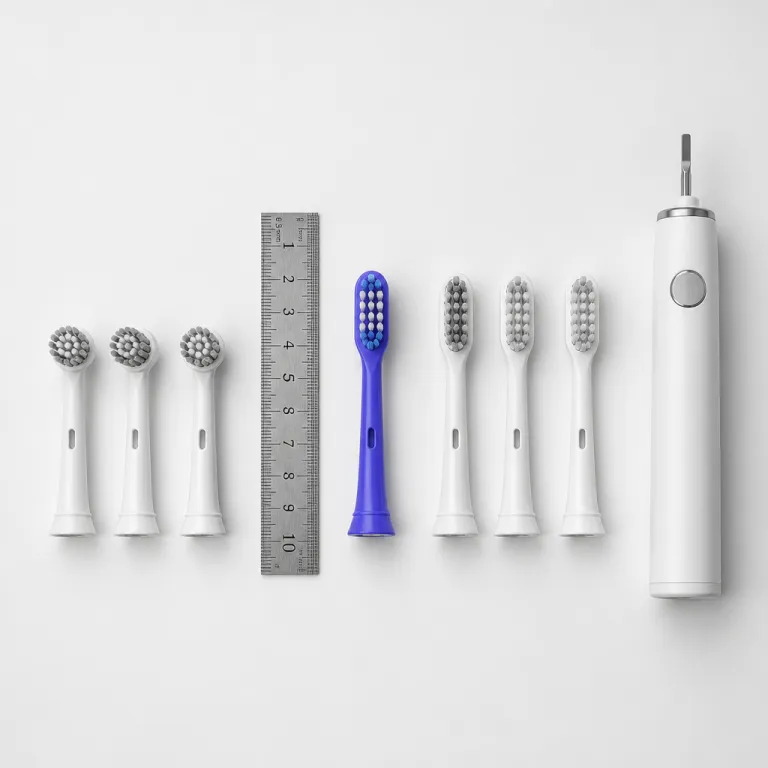
Why head shape matters more than most buyers realize
The debate around round vs elongated electric toothbrush head design is not marketing fluff. The head on your electric toothbrush dictates how the brush moves across each tooth, how the bristles contact your gums, and which areas of your mouth quietly get less cleaning attention. Once you choose a head shape, you effectively lock yourself into a whole ecosystem of brush heads, toothbrush heads, and long term oral care habits.
Think of a round head like a tiny polishing cup that hugs one tooth at a time, while an elongated or oblong head behaves more like a manual toothbrush that sweeps across several teeth in a single pass. That difference in head shape changes how plaque removal happens along the gumline, between teeth, and on the back molars where many people struggle to clean effectively. If you are upgrading from a manual brush, this choice between a round brush and an oblong head will shape your daily brushing technique for years.
Round brush heads are usually paired with oscillating rotating technology, where the electric toothbrush head pivots back and forth at high speed to scrub plaque from each tooth surface. Elongated heads are typically found on sonic toothbrush models, which use sonic vibration and fluid dynamics to move toothpaste and water around the teeth and gums. Both electric designs can clean well, but the best option for your oral health depends on your mouth size, any sensitive gums, and how disciplined you are about guiding the brush head or heads to every surface.
Round heads and oscillating rotating brushes: tooth by tooth precision
Round brush heads, like those on many Oral B style electric toothbrush models, are compact circles designed to cup each tooth individually. When an oscillating rotating motor drives that toothbrush head, the bristles scrub around the tooth and along the gumline in a tight arc, which can be excellent for targeted plaque removal in tricky spots. You do not need to perform big brushing strokes; instead, you place the round head on each tooth and let the electric motion do the cleaning.
This tooth by tooth approach shines around orthodontic brackets, crowns, and crowded teeth, where a small head brush can slip between hardware and gum. Many users report that a round oblong hybrid design, where the head is mostly round but slightly extended, helps reach the back molars without sacrificing precision. If you want to understand exactly what oscillating rotating and sonic actually feel like in your mouth, a detailed sensory comparison is available in this guide to brushing sensations with different technologies.
For people with sensitive gums, pairing a round head with soft bristles and a gentle mode can reduce trauma while still delivering strong cleaning along the gum margin. The compact head shape also makes it easier to angle the oral brush toward the sulcus, the tiny groove where gum meets tooth, which is a hotspot for plaque. If you are willing to move slowly from tooth to tooth, this style of brush head often provides some of the best control over where the bristles go and how they interact with your gums.
Elongated sonic heads: sweeping coverage and fluid dynamics
Elongated or oblong brush heads, common on Philips Sonicare and similar sonic toothbrush models, look more like a refined manual toothbrush head. The bristles are arranged in a long oval, allowing the head to contact several teeth at once during brushing. Instead of an oscillating rotating motion, the electric motor vibrates the toothbrush head at sonic frequencies, creating tiny fluid movements that help dislodge plaque beyond direct bristle contact.
In practice, this means you guide the elongated brush head in a slow glide along the dental arch, letting the sonic cleaning action do much of the work. Coverage is faster than with a round head, because each pass spans multiple teeth and more gum surface, which many first time electric toothbrush users find intuitive. For people with generally healthy gums and no complex dental work, this sweeping style can feel like the best balance between effort, comfort, and overall oral health benefits.
However, elongated heads demand that you pay attention to angling the brush head toward the gumline and the inner, tongue side surfaces, where plaque removal is often weaker. If you simply scrub back and forth as with a manual brush, you can miss the tight spaces between teeth and along the gum. For daily oral care, some buyers also consider whether a spinner toothbrush style oscillating model might suit them better, and a detailed argument for choosing a spinner for your daily oral care routine is explored in this analysis of spinner toothbrush benefits.
Which head shape actually reaches the hardest spots
When comparing round vs elongated electric toothbrush head designs, the real test is how well each reaches the back molars and the inner, tongue side surfaces. A small round head can tuck behind the last molar and pivot to clean the distal surface, while an oblong head sometimes bumps against the cheek or jaw and stops short. On the other hand, an elongated brush head can sweep across the chewing surfaces of several molars quickly, which helps if you tend to rush your brushing routine.
For narrow mouths or crowded teeth, a compact round head often wins, because the smaller head brush can slip between teeth and reach around orthodontic wires or bulky crowns. People with larger jaws or widely spaced teeth may find that elongated toothbrush heads feel more natural and less fiddly, especially when cleaning the inner surfaces of the front teeth. In both cases, the best results come when you consciously angle the bristles toward the gumline and pause long enough for the electric cleaning action to work.
Lingual surfaces, the tongue side of the teeth, are where technique matters more than technology, regardless of head shape. With a round brush, you rotate the toothbrush head to approach from different angles, letting the oscillating rotating motion scrub each tooth individually. With an oblong head, you tilt the sonic toothbrush vertically behind the front teeth and use short, controlled brushing strokes, making sure the bristles reach the gum margin where plaque removal is most critical for long term oral health.
Technique, ecosystems, and long term cost of your choice
Choosing between a round vs elongated electric toothbrush head is not just about comfort on day one; it is about the brushing technique you will use for years. Round heads reward patience and precision, asking you to hold the brush head on each tooth and let the oscillating rotating motion clean, while elongated heads reward a slow, steady glide that lets sonic cleaning and fluid movement reach between teeth. Using a round brush with a manual scrubbing motion, or an oblong head with tiny dabs on each tooth, wastes the strengths of each design and can leave plaque behind.
There is also the ecosystem lock in problem, because round and elongated brush heads are not cross compatible between major brands. Once you buy an electric toothbrush handle, you commit to that family of toothbrush heads, bristles, and replacement costs for the lifespan of the device. Round head systems often benefit from a wide market of third party brush heads and head brush options, which can lower cost, while elongated systems tend to offer more specialized bristle patterns for sensitive gums, whitening, or deep plaque removal.
When you factor in oral care over several years, the price of replacement brush heads can rival or exceed the initial electric toothbrush cost. Some buyers choose round head models because third party heads oral options are cheaper and easier to find in bulk, while others prefer the tailored feel of branded sonic toothbrush heads despite the higher price. If you are unsure whether you even need an electric brush, a nuanced discussion of why dentists still disagree about whether you need an electric toothbrush is available in this evidence based overview of electric brushing benefits.
Sonic vs oscillating: matching technology to your mouth and gums
Underneath the round vs elongated electric toothbrush head debate sits the broader question of sonic vs oscillating brushes. Oscillating rotating models with a round head excel at mechanical plaque removal, scrubbing each tooth surface with focused bristles that hug the gumline. Sonic toothbrush models with an oblong head rely more on high frequency vibration and fluid dynamics, which can feel gentler on sensitive gums while still improving overall oral health when used correctly.
If you have a history of gum disease, bleeding, or very sensitive gums, a sonic toothbrush with soft bristles and a pressure sensor can be the best compromise between comfort and cleaning. The elongated brush head lets you maintain a light touch while the sonic cleaning action moves toothpaste and water into the spaces between teeth and along the gum margin. For people with lots of dental work, such as implants, bridges, or braces, a round brush head on an oscillating rotating handle often provides better control around hardware and tight spots.
In buying guides that compare sonic vs oscillating brushes, the most practical advice is to match the head shape and technology to your mouth, not to marketing claims. Small mouths and crowded teeth tend to pair well with a compact round head and precise brushing, while larger arches and generally healthy gums often suit an oblong head and sweeping sonic motion. Whatever you choose, commit to replacing your toothbrush head every three months, using a gentle technique that respects your gum tissue, and treating your electric toothbrush as a long term oral brush partner rather than a gadget.
Key figures on electric toothbrush heads and oral health
- Randomized clinical trials have found that oscillating rotating electric toothbrush models with a round head can reduce plaque by roughly 20 % more than manual brushes after three months of use, according to multiple systematic reviews in peer reviewed dental journals.
- Sonic toothbrush designs with elongated heads have been shown to improve gingival inflammation scores by around 10–15 % compared with manual brushing over similar periods, especially when users follow recommended brushing techniques and replace brush heads regularly.
- Surveys of adult electric toothbrush owners in the United States suggest that fewer than 40 % replace their toothbrush head every three months, even though worn bristles significantly reduce plaque removal and can increase gum irritation.
- Market analyses of oral care products indicate that replacement brush heads account for more than half of the lifetime cost of owning an electric toothbrush, which makes ecosystem choice and third party head availability a major financial factor.
- Clinical guidance from professional dental associations consistently recommends brushing teeth twice daily for at least two minutes with a fluoride toothpaste, regardless of whether you use a round brush head, an oblong head, or a manual toothbrush.
FAQ: round vs elongated electric toothbrush head
Is a round brush head better than an elongated head for plaque removal ?
A round brush head on an oscillating rotating electric toothbrush often removes more plaque in tight spaces, because the bristles scrub each tooth individually along the gumline. Elongated heads on sonic toothbrush models can match that performance on flat surfaces when used with a slow, controlled glide. The best choice depends on your mouth shape, dental work, and how carefully you follow the recommended brushing technique for each head shape.
Which head shape is better for sensitive gums ?
People with sensitive gums usually do well with an elongated sonic toothbrush head paired with soft bristles and a gentle mode, because the vibration and fluid movement can clean without heavy pressure. A round head can also work for sensitive gums if you choose a soft brush head and let the electric motion do the cleaning instead of scrubbing. In both cases, using light pressure and replacing worn toothbrush heads regularly matters more than the exact head shape.
Can I switch between round and elongated heads on the same handle ?
No, major electric toothbrush brands design their handles and brush heads as closed ecosystems, so round and elongated heads are not cross compatible. If you want to change from a round brush to an oblong head, you will need a different electric toothbrush handle. This is why it is important to think about long term oral care costs and replacement head availability before committing to one system.
Which head shape reaches back molars more easily ?
A compact round head usually reaches behind the last molars more easily, because the small circular brush head can tuck into tight spaces near the jaw hinge. Elongated heads can cover the chewing surfaces of molars quickly but sometimes struggle to reach the very back surfaces in smaller mouths. If you have difficulty accessing those areas, a round head with careful angling may provide better plaque removal.
How often should I replace my electric toothbrush head ?
Most dental professionals recommend replacing any electric toothbrush head, whether round or oblong, every three months or sooner if the bristles splay. Worn bristles bend away from the tooth and gum, reducing cleaning efficiency and potentially irritating gum tissue. Regular replacement is one of the simplest ways to maintain good oral health, regardless of which head shape or technology you use.
References
Cochrane Oral Health Group ; American Dental Association ; Journal of Clinical Periodontology.