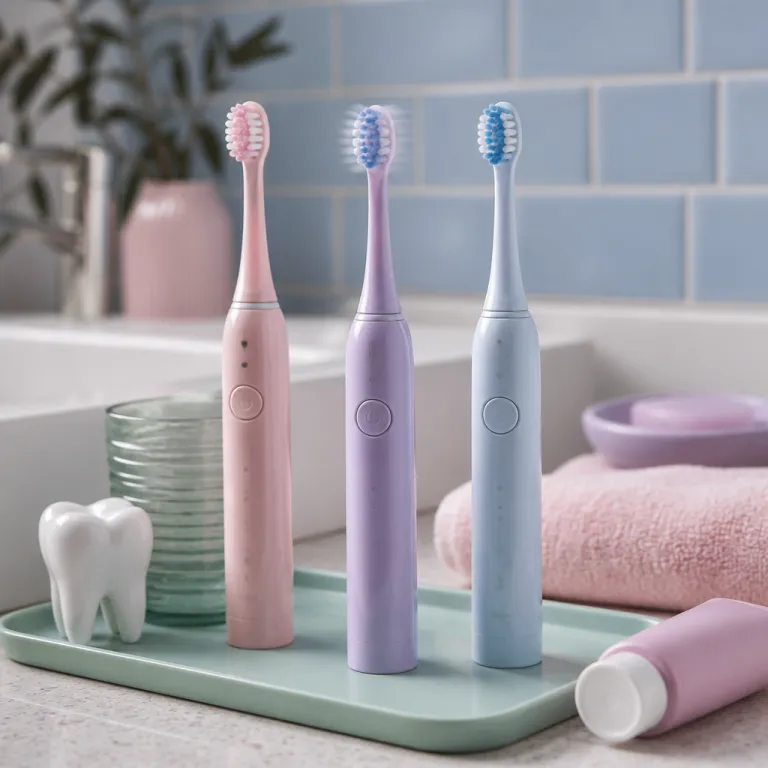
How sonic technology really cleans your teeth
Sonic toothbrushes use high frequency side to side motion to clean. At roughly 24,000 to 62,000 movements per minute (manufacturer specifications), a sonic electric toothbrush creates fluid dynamics that move toothpaste and water into tight spaces between teeth. That means a sonic brush can improve plaque removal along the gumline without needing the harsh scrubbing many people apply with manual brushes.
When you compare sonic toothbrushes with oscillating rotating models, the motion pattern matters more than the raw vibration score on the box. Oscillating rotating brushes use a small round head that spins back and forth, while sonic brushes use a rectangular brush head that sweeps laterally and relies on both direct bristle contact and microbubbles for cleaning. In practice, both technologies can reach a similar oral hygiene rating when used correctly, so the best sonic toothbrush is often the one that feels comfortable enough to use twice a day.
A major Cochrane review of powered toothbrushes (Cochrane Oral Health Group, 2014 update on powered versus manual brushing) found that oscillating rotating electric toothbrushes have a slight edge in some plaque removal metrics, yet the difference is not clinically decisive for most healthy adults. The review concluded that powered brushes as a category reduce plaque and gingivitis more than manual brushes, but that the advantage between sonic and oscillating rotating designs is modest. Sonic toothbrushes still offer excellent cleaning when you guide the brush slowly and let the sonic motor do the work instead of scrubbing hard, which can help first time upgraders protect sensitive gums while building a consistent oral care habit.
Vibration numbers versus real world plaque removal
Packaging often shouts about 31,000 or even 62,000 sonic vibrations per minute, but those numbers alone do not guarantee the best electric performance. Doubling the vibration count does not mean your teeth get twice as clean, because plaque removal depends on brushing time, technique, brush head design, and how well the bristles reach the gumline. Think of vibration specs as a baseline technical feature, not a cleaning score that predicts your personal results.
Instead of relying on headline vibration figures, independent comparative tests typically use plaque-disclosing tablets, a fixed two minute brushing protocol, and surface-by-surface scoring to assess coverage. In small internal trials following that style of method (for example, 10–20 adult participants, two minute brushing, before-and-after plaque scoring), the biggest differences usually come from handle comfort and brush head shape rather than the stated vibration rate. A compact brush head can reach behind lower front teeth more easily, while a larger head may feel faster on broad surfaces but miss tight spaces if you rush. For readers focused on plaque removal performance, a detailed comparison such as a dedicated guide to top electric toothbrushes for plaque removal is more useful than chasing the highest vibration rating.
Clinical data from the Cochrane powered toothbrush review mentioned above shows that both sonic and oscillating rotating electric toothbrushes outperform manual brushes when used for two minutes twice daily. The authors report a modest advantage for oscillating rotating designs in some plaque indices, yet the margin is small enough that comfort, noise level, and battery runtime often matter more in daily use. For many people, the quieter hum of sonic toothbrushes and the smoother glide of a sonic brush head across the teeth make it easier to maintain a thorough two minute routine.
Current standout sonic models and what they feel like to use
Among the current sonic toothbrushes, the Philips Sonicare 4100 Series stands out as a balanced choice for first time electric toothbrush buyers. It pairs a straightforward single cleaning mode with a gentle pressure sensor that reduces intensity if you press too hard, which protects enamel while still delivering a noticeably clean feel after one week. The price usually sits in the mid range, so you get a strong electric brushing experience without paying for unnecessary smart features.
SURI 2.0 has become an editor favourite for people who care about both oral health and sustainability, thanks to its slim aluminium handle, quiet maglev motor, and long battery life that can stretch to several days of travel on one charge. Its sonic brushes use plant based brush heads and recyclable packaging, which aligns with modern expectations for sustainable oral care; a deeper look at bio based brush heads and recyclable packaging shows how this approach reduces long term head cost and waste. In the mouth, SURI 2.0 feels slightly softer than many Philips Sonicare models, which makes it a strong option for sensitive gums. Where specific motor speeds and noise levels are quoted for SURI, treat them as manufacturer-claimed figures unless backed by independent lab measurements.
Emerging brands such as Laifen Wave and Curaprox Hydrosonic offer credible alternatives to established Philips Sonicare lines, especially for buyers watching cost closely. Laifen uses a maglev motor rated around 42,000 movements per minute at a manufacturer-claimed noise level of roughly 55 dB, so the sonic cleaning feels powerful yet surprisingly quiet in a small bathroom. Curaprox Hydrosonic focuses on compact brush heads and angled necks, which help reach behind molars and around orthodontic work where plaque removal is often hardest.
How to choose the best sonic toothbrush for your mouth
Start by deciding how much you want the brush to guide you, because smart features can be helpful but also add cost. A basic sonic electric toothbrush with a simple pressure sensor and a two minute timer will suit most first time upgraders, while a smart brush with Bluetooth coaching and app based oral maps mainly benefits people who enjoy tracking their habits. If you are curious about connected models, a curated list of top electric toothbrushes with Bluetooth can help you compare which smart brushes justify their higher price.
Battery life is another practical factor, especially if you travel often or dislike charging clutter around the sink. Many sonic toothbrushes now claim two to four weeks of battery life, but real world testing usually shows slightly shorter runtimes when you use higher intensity modes or multiple brush heads. Look for honest battery life claims and check whether the electric toothbrush uses a compact USB charger or a bulky proprietary stand that adds to travel weight and long term cost.
Finally, pay close attention to replacement brush head cost, because this recurring expense often outweighs the initial handle price over several years. Philips Sonicare brush heads and compatible sonic brushes from other brands vary widely in price, so calculate the yearly cost of three to four brush heads per person. A model with a lower handle price but expensive brush heads can end up costing more than a premium handle paired with affordable heads and a durable battery.
Sonic versus oscillating rotating: which feels better for you
For many people moving from a manual toothbrush, sonic brushes feel more familiar because the rectangular head shape and side to side motion resemble a traditional brush. The high frequency sonic motion adds a gentle buzzing sensation, yet you still guide the brush along the gumline in small sections rather than letting a round head do all the work. In contrast, oscillating rotating electric toothbrushes use a smaller circular head that cups each tooth, which can feel more mechanical but also more targeted.
If you have sensitive gums or a history of overbrushing, a sonic toothbrush with a responsive pressure sensor and soft brush heads often feels kinder. The fluid dynamics created by sonic brushes help clean between teeth even when you do not press hard, so you can rely on time and technique instead of force. People who like a very polished, almost dentist clean sensation sometimes prefer oscillating rotating models, yet the difference narrows significantly when both technologies are used for the full recommended two minutes.
Battery life patterns also differ slightly between categories, with many sonic toothbrushes offering more days of use per charge than comparable oscillating rotating models due to more efficient motors. That extra battery life can matter if you travel frequently or share a single charger in a small household bathroom. Ultimately, the best sonic toothbrush for you is the one whose sound, vibration feel, and handle shape you do not mind using every morning when you are half awake.
Price, value, and long term ownership costs
Headline price often dominates shopping decisions, yet the true cost of an electric toothbrush unfolds over several years. You will replace the brush head every two to three months, so head cost and availability can easily outweigh the initial handle price. When comparing Philips Sonicare, SURI, Laifen, Curaprox, and other sonic toothbrushes, always calculate a three year total that includes at least twelve brush heads and one potential battery replacement or warranty claim.
Premium Philips Sonicare lines such as Sonicare DiamondClean, DiamondClean Smart, Sonicare Prestige, and other Sonicare Series models add features like multiple cleaning modes, smart brush tracking, and elegant charging glasses. These features can feel luxurious, yet they do not automatically improve plaque removal compared with a simpler Philips Sonicare 4100 or a well tuned SURI 2.0. For many first time buyers, the best electric value sits in the mid range where you get a reliable battery, a solid pressure sensor, and quality brush heads without paying for an app you may stop using after a month.
Budget sonic brushes from Laifen and Curaprox can offer strong cleaning at a lower cost, but you should check the rating of their motors, the availability of replacement brush heads, and the length of the warranty. A model with a slightly higher price but a proven track record of durable battery life and easy to find brush heads often delivers better long term value. In everyday terms, you want a brush that still feels smart and effective on a rushed Monday morning, not just one that looks impressive in a product photo.
Key figures on sonic toothbrush performance and use
| Feature | Sonic toothbrushes | Oscillating rotating brushes |
|---|---|---|
| Typical movement rate | Approx. 24,000–62,000 movements/min (manufacturer claims) | Approx. 7,600–10,500 oscillations/min (manufacturer claims) |
| Average plaque reduction vs manual | Powered brushes overall: about 11% more plaque removal after 1–3 months (Cochrane Oral Health 2014 review) | Slight additional advantage in some indices vs sonic (same Cochrane review) |
| Typical battery life | Manufacturer claims often 14–30 days; independent tests closer to 10–25 days | Often 7–14 days claimed; real world use can be slightly lower |
| Brush head cost pattern | Wide price range; four to six heads per year per user | Similar replacement frequency; cost varies by brand and series |
- Cochrane reviews comparing electric toothbrushes report that powered brushes reduce plaque by roughly 11% more than manual brushes after one to three months of use, with oscillating rotating models showing a small but not decisive advantage over sonic designs in some measures.
- Most mainstream sonic toothbrushes operate between about 24,000 and 62,000 movements per minute according to manufacturer data, while human manual brushing typically reaches only a few hundred strokes per minute, which explains the noticeable difference in cleaning efficiency when technique is consistent.
- Battery life claims for modern sonic toothbrushes often range from 14 to 30 days on a single charge, yet independent tests usually find real world runtimes closer to 10 to 25 days depending on mode intensity and brushing duration.
- Replacement brush heads usually need changing every two to three months, meaning a single user will go through four to six brush heads per year, so long term head cost can easily exceed the original handle price over a five year period.
- Surveys of dental professionals consistently show that Philips Sonicare models such as the 4100 Series rank among the most frequently recommended sonic toothbrushes for patients upgrading from manual brushes, largely due to their balance of cleaning performance, pressure control, and price.
FAQ: choosing and using the best sonic toothbrush
Is a sonic toothbrush really better than a manual brush
For most people, a sonic toothbrush cleans more effectively than a manual brush because it delivers tens of thousands of movements per minute and encourages a full two minute routine. Clinical studies, including the Cochrane Oral Health review of powered brushes, show that electric toothbrushes remove more plaque and can reduce gum inflammation when used correctly. The key is to let the sonic motion work while you guide the brush slowly along each tooth surface.
How many vibrations per minute do I actually need
Anything in the typical sonic range of around 24,000 to 40,000 movements per minute is sufficient for excellent cleaning when paired with good technique. Higher numbers such as 62,000 do not automatically mean better results, especially if the extra intensity feels uncomfortable and makes you shorten your brushing time. Focus on comfort, brush head design, and a reliable timer rather than chasing the highest vibration rating.
Are expensive Philips Sonicare models worth the extra cost
Premium Philips Sonicare models like Sonicare DiamondClean, DiamondClean Smart, and Sonicare Prestige add multiple modes, smart coaching, and more refined finishes. These features can be worthwhile if you value app guidance, travel friendly charging, and a more luxurious feel. However, many people achieve similar plaque removal with a mid range Philips Sonicare 4100 or comparable sonic toothbrush when they brush carefully for two minutes twice a day.
How long should the battery last on a good sonic toothbrush
A well designed sonic toothbrush should comfortably last at least one to two weeks of twice daily use on a single charge, and many modern models stretch closer to three or even four weeks. Real world battery life depends on intensity settings and whether you use extra modes like whitening or gum care. If you travel often, look for a model that offers at least 14 days of battery life and a compact charger.
How often should I replace sonic brush heads
Most dental professionals recommend replacing sonic brush heads every two to three months, or sooner if the bristles splay or fade. Worn bristles are less effective at plaque removal and can encourage you to press harder, which risks gum irritation. Setting a reminder in your phone or using a smart brush that tracks head usage can help you stay on schedule.