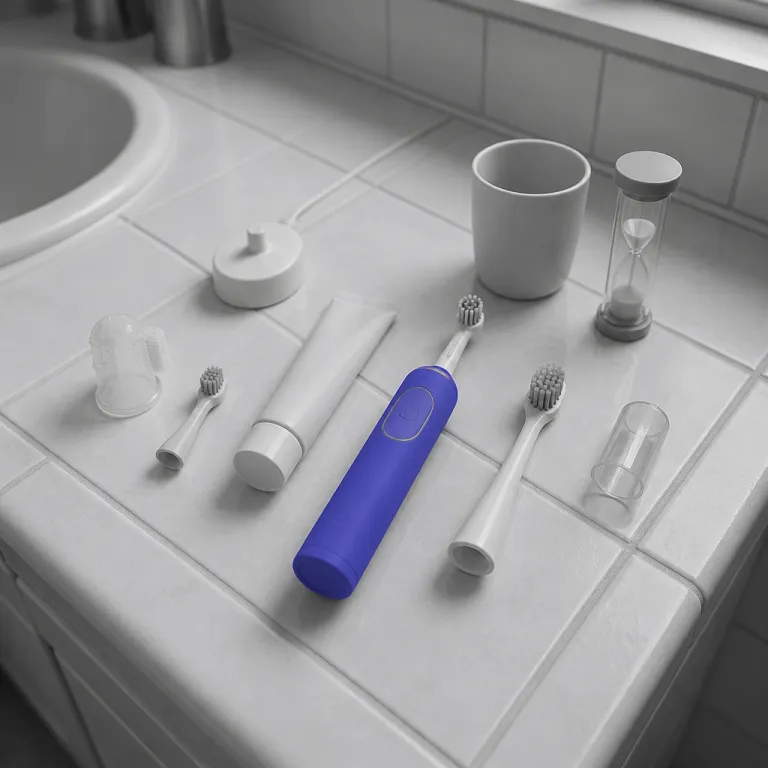
Understanding when kids can use an electric toothbrush by age
Parents often wonder when their kids can safely start using an electric toothbrush. Guidance from organizations such as the American Academy of Pediatric Dentistry (AAPD) and the American Dental Association (ADA) generally supports introducing a child-friendly powered brush from about 3 years of age, as long as an adult controls the handle and supervises every second. At this early stage, you are not handing over responsibility for oral hygiene yet; you are simply letting your child feel the gentle powered motion while you still manage the actual brushing, in line with typical pediatric brushing recommendations.
Think of the first electric toothbrush as a training tool, not a shortcut. A manual toothbrush remains useful, because switching between manual and powered brushing helps children understand that the goal is clean teeth, not just playing with a gadget. When you decide when to introduce an electric toothbrush, look less at the exact age on the calendar and more at whether your child can follow simple instructions and tolerate a soft brush head in their mouth for two full minutes without biting or pulling away, as most pediatric dentists suggest when assessing readiness.
For very young children, the right brush head matters more than the handle. Choose extra-soft replacement heads designed for children, with rounded bristles and a tiny head that can reach back teeth without triggering a gag reflex. Avoid powerful adult sonic or oscillating–rotating models at this stage, because their intensity and larger heads can overwhelm a small child and may encourage poor habits if they simply chew on the bristles instead of letting you guide the motion. Well-known examples of preschool-friendly powered brushes include kids’ versions of the Oral-B oscillating–rotating handle with small round heads and Philips Sonicare for Kids models with compact, cushioned brush heads.
Age 3–5: supervised electric brushing and playful routines
Between 3 and 5 years of age, the electric toothbrush becomes a co-pilot, not the driver. You hold the handle, guide the brush head, and let your child feel involved by pressing the timer button or choosing a character-themed handle if that keeps them engaged. This is the phase when “when can kids use an electric toothbrush” questions meet day-to-day reality, because attention spans are short and mouths are small, and most children still lack the coordination to clean every surface alone.
Look for children’s electric toothbrushes with very small heads, soft bristles, and a built-in timer that runs for two minutes with 30-second pulses. A simple timer helps kids brush all teeth evenly, while you quietly check that every surface is reached and that the powered motion is not too strong for their gums. Many parents like gentle sonic models designed for children, because these often offer softer vibrations and rubber-coated heads that are more forgiving if a child bumps their gums; for instance, compact “sensitive” heads on kids’ sonic brushes are usually labeled for ages 3+ and sized to fit around primary molars.
At this age, avoid complex apps and focus on physical cues. A basic kids’ handle with one mode, a clear timer, and bright colors is usually enough to build early brushing habits without distraction. Keep one manual toothbrush nearby as a backup, and let your child choose between manual and powered brushing on some evenings, because that small choice can reduce resistance while still protecting oral health. If you already use a family electric toothbrush for adults, consider reading a short guide on the typical lifespan of an electric toothbrush so you can decide whether a separate preschool handle is worthwhile.
Age 6–8: building independence with smart guidance
From 6 to 8 years of age, children want more control over their toothbrushes and their routines. This is the moment when “can kids use an electric toothbrush” debates shift from safety to technique, because the child can physically handle the brush but still needs coaching on how to move it. You can now let them hold the electric toothbrush for most of the session, while you supervise and step in for a quick check at the end, especially around the gumline and newly erupting molars.
Smart children’s electric toothbrushes start to earn their price here. App-connected brushes with Bluetooth can turn brushing into a game that rewards thorough coverage rather than speed, and several pediatric studies comparing manual and powered brushing report that interactive coaching can increase brushing time and improve plaque removal when children follow a two-minute timer. When you use a smart brushing system, pair it with a clear explanation of why skipping areas matters, and take a moment to understand what the data and coaching screens really mean so you can translate them into simple, child-friendly goals such as “no blue spots left on the back teeth.”
At this stage, a pediatric dentist will usually encourage parents to keep supervising once a day. Let your child brush their teeth alone in the morning with their chosen electric toothbrush, then do a shared evening session where you quietly check plaque around the gumline and behind the back teeth. Use that time to reinforce gentle pressure, correct use of the brush head, and the habit of waiting for the timer instead of stopping early when they feel bored. If your dentist notes persistent plaque in certain areas, you can adjust which brush head you use or add a short manual “touch-up” after the powered brushing.
Age 9–12: transitioning to smaller adult style electric toothbrushes
By 9 to 12 years of age, most children can handle almost any electric toothbrush design with the right brush heads. This is the period when “can kids use an electric toothbrush” concerns give way to questions about value, durability, and whether to buy one shared handle with multiple heads or separate brushes for each child. Many families move from cartoon-themed children’s models to more neutral sonic or oscillating–rotating brushes that parents can also use, often choosing mid-range rechargeable handles that balance cost and performance.
If you choose an adult-style sonic brush, fit it with compact brush heads labeled for sensitive or gentle care. These smaller heads suit a child’s mouth while still delivering strong plaque removal, and they make it easier to reach the back teeth around new molars that erupt during this age. Some parents prefer oscillating–rotating brushes with round heads, because the circular motion can be easier for a child who still struggles with manual brushing technique; for example, a slim-handle oscillating brush with “sensitive” or “kids” heads can be a good bridge between a cartoon model and a full adult system.
Battery life and running costs start to matter when you have several children using electric toothbrushes. Replacing kids’ brush heads for mid-range models typically costs the family the equivalent of a few euros per month per child, which is still cheaper than treating preventable cavities in most dental practices. If you are unsure how long a handle should last before replacement, it can help to learn about the typical lifespan of an electric toothbrush so you can plan your budget for multiple children and avoid sudden failures when a motor or battery wears out.
Features that genuinely help kids brush better
Not every feature on a children’s electric toothbrush improves oral health, and some are pure marketing. A built-in timer that signals every 30 seconds is genuinely useful, because it teaches children to divide their mouth into quadrants and spend equal time on each group of teeth. Pressure sensors that slow or stop the brush when a child presses too hard also protect gums and enamel, especially when a child is still learning how to brush and may think that “harder” means “cleaner.”
By contrast, flashing lights or complex animations on the handle can be fun, but they do not guarantee better brushing habits if the brush head is too large or the bristles are too stiff. When you compare kids’ toothbrush designs, focus first on head size, bristle softness, and whether the handle is slim enough for a small hand to grip comfortably. A simple sonic or oscillating–rotating motion with soft bristles usually beats a noisy, heavy handle that a child cannot control, and independent product tests consistently show that correct technique matters more than extra modes or decorative features.
Parents should also look at how easy it is to clean and replace brush heads. Shared handles with color-coded brush heads can work well for siblings, as long as each child has their own clearly marked head and you replace them every three months or sooner if bristles splay. If you are tempted by novelty designs that promise to clean all teeth at once, remember that recent safety alerts and recalls for some “auto-brush” style products have highlighted why battery safety and proven plaque removal matter more than shortcuts that seem to reduce brushing time; several regulatory notices have specifically warned about inadequate cleaning and small detachable parts in certain children’s mouthpiece-style devices.
Supervision, safety, and budget for multiple children
Supervision is not just about when you stand in the bathroom; it is about how you check results and adapt as your child grows. For most children, pediatric dental guidance suggests that parents continue to supervise at least one daily brushing until around 10 years of age, and sometimes longer for children who rush or struggle with coordination. You can gradually reduce hands-on help as your child shows consistently clean teeth at checkups, can explain their own brushing routine clearly, and reliably uses both manual and electric toothbrushes without skipping areas.
Safety checks should include more than just watching how they brush. Inspect the electric toothbrush handle regularly for cracks, loose parts, or corrosion around the charging base, especially if younger kids drop it or leave it in water. Make sure brush heads are firmly attached before every session, and be cautious with unbranded replacement heads that do not lock securely onto the handle, because a loose brush head can pose a choking risk for a younger child. If you hear unusual noises, notice overheating, or see exposed wiring, stop using the handle and consult the manufacturer’s safety information or your dentist’s advice.
Budget planning becomes critical when you have two or three children using electric toothbrushes. One strategy is to buy a mid-range rechargeable handle for older children, then keep a separate, simpler kids’ model for the youngest child who still needs extra-soft bristles. Another is to invest in a family pack of compatible brush heads for a shared handle, while tracking replacement dates so that each child’s oral health is protected without overspending on unnecessary features. Internal comparisons of your own family’s experience with different models can be as valuable as expert reviews when deciding which children’s electric toothbrush offers the best balance of cost, durability, and ease of use.
Daily routines and brushing techniques that actually work
Even the best electric toothbrush cannot fix poor technique or rushed routines. Teach your child to place the brush head at a slight angle toward the gumline, then let the sonic or oscillating–rotating motion do the work instead of scrubbing hard. Move slowly along each tooth, counting a few seconds per surface, and remind them that the timer is there to help them, not to be beaten like a game. For older children, you can demonstrate the difference by using disclosing tablets to show where plaque remains after a quick, careless brush compared with a careful two-minute session.
For children who struggle with motivation, link brushing to predictable daily anchors such as breakfast and bedtime stories. Explain what happens in the mouth when they skip brushing at night, and consider reading a clear guide on the effects of missing night-time brushing so you can translate that into child-friendly language. Visual aids, such as disclosing tablets that stain plaque, can turn an abstract lecture about oral health into a concrete lesson that children remember, and many pediatric dentists now recommend these tools for families who are introducing electric toothbrushes for the first time.
Regular checkups with a pediatric dentist close the loop between home routines and professional care. Ask your dentist to comment specifically on your child’s brushing habits, and to show both of you where plaque tends to remain after brushing with either manual or electric toothbrushes. Over time, this feedback helps you fine-tune which children’s models, brush heads, and timers genuinely support your family’s oral care goals, and which features you can safely ignore. If your dentist mentions enamel wear or gum irritation, you can adjust pressure settings, switch to softer heads, or review technique before problems become serious.
Key figures on children and electric toothbrush use
- Market reports over the past decade show a strong rise in sales of children-focused electric toothbrushes, reflecting a clear shift from manual brushes to powered options in family bathrooms across many regions, especially in households that already use adult sonic or oscillating–rotating systems.
- Most pediatric dentistry associations state that children can start using a supervised electric toothbrush from about 3 years of age, while independent brushing is usually recommended closer to 7 to 8 years, depending on coordination and habits, and on whether the child can reliably brush for two minutes without reminders.
- Replacing kids’ brush heads typically costs the equivalent of 15 to 25 euros per child per year in many European markets, which is significantly lower than the average cost of filling a single cavity in numerous dental practices and far below the expense of treating multiple decayed molars.
- Studies comparing manual and electric toothbrushes in children show that sonic and oscillating–rotating models remove more plaque on average, especially around newly erupted molars and along the gumline, when used with a two-minute timer and soft, age-appropriate brush heads.
- In surveys of parents, more than half report that built-in timers and simple app-based coaching help their children brush longer and more thoroughly, while only a minority cite character branding as a major factor in long-term brushing success, suggesting that function matters more than decoration.
FAQ about setting up a child’s first electric toothbrush
When can kids start using an electric toothbrush safely ?
Most children can start using a kids’ electric toothbrush from about 3 years of age, as long as an adult holds the handle, controls the brush head, and supervises the entire session. Independent use usually becomes realistic between 6 and 8 years, depending on coordination and the child’s ability to follow instructions. Your pediatric dentist can help you judge readiness based on how well your child already manages manual brushing and whether they can keep the brush in their mouth for the full two-minute cycle.
Should my child use manual or electric brushing first ?
Many dentists recommend starting with a manual toothbrush to teach basic movements, then adding a gentle electric toothbrush as a supervised tool around preschool age. Alternating between manual and powered brushing can help children understand that clean teeth are the goal, not just using a gadget. The best choice is often a combination, with manual in the morning and electric in the evening when you have more time to supervise and check how well the teeth and gums have been cleaned.
What features matter most in a kids electric toothbrush ?
The most important features are a small, soft brush head, a reliable two-minute timer with 30-second intervals, and a handle that fits comfortably in a child’s hand. Pressure control and simple app guidance can also support good brushing habits, especially for older children. Decorative elements such as popular characters are fine if they motivate your child, but they should never replace core safety and oral health features like soft bristles, secure brush head attachment, and a design that has been tested for safe use in children.
How often should I replace my child’s brush heads ?
Brush heads for children should usually be replaced every three months, or sooner if the bristles start to splay or your child has been ill. Worn brush heads clean teeth less effectively and can encourage your child to press harder, which is not good for gums. Marking replacement dates on a calendar or linking them to school terms can make this routine easier to remember, and some smart brushes now track usage time to remind you when it is time for a new head.
Is it safe for siblings to share one electric toothbrush handle ?
Sharing a single electric toothbrush handle between siblings is generally safe if each child has their own clearly marked brush head and you clean the handle regularly. Make sure the brush heads are stored separately so they do not touch, and replace them on schedule to maintain good oral health. For families with very different age groups, such as a toddler and a tween, it can still be worth keeping a separate, softer children’s model for the youngest child, while older siblings use a more powerful handle with sensitive or compact adult heads.