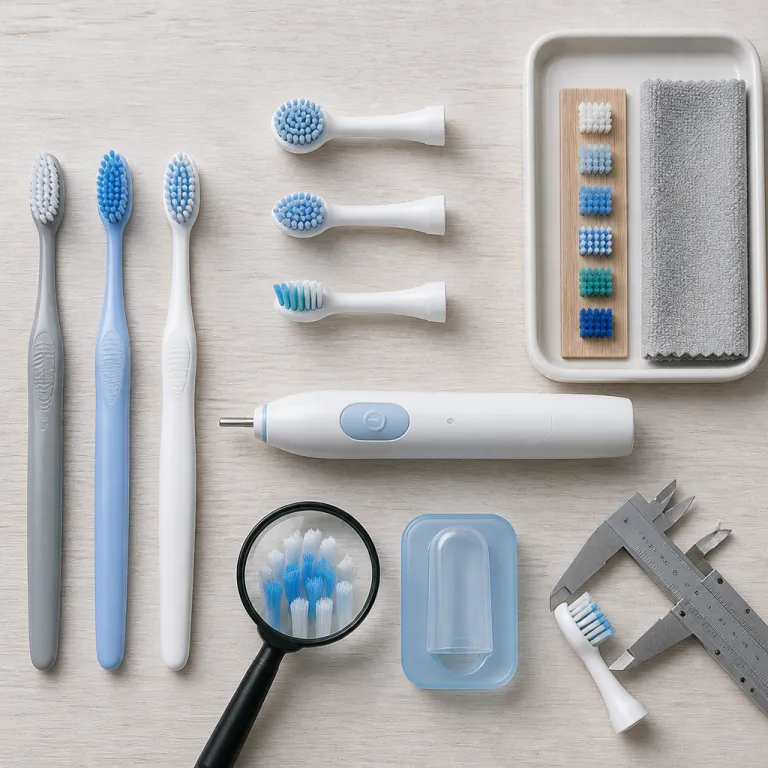
Bristle toothbrush design: how bristles, technique and materials shape oral health
Why bristle toothbrush design matters more than you think
A bristle toothbrush looks simple, yet its engineering directly shapes oral health. The way the bristles flex against teeth and soft tissue determines how much plaque you remove and how much gingival damage you risk. Choosing between electric toothbrush models and manual toothbrushes without understanding bristle stiffness is like buying running shoes without checking the size.
Every toothbrush, whether a basic manual product or a premium electric toothbrush, relies on thousands of individual filaments to clean tooth surfaces. These bristles bend, sweep and polish dental plaque from enamel while trying to avoid harming the gingival margin and deeper soft tissue. When the bristle stiffness is too high, tooth brushing can scratch enamel, trigger gingival recession and make oral hygiene feel painful rather than protective.
Manufacturers now offer soft bristle and extra soft bristle toothbrushes, bamboo toothbrush designs and plant based brush heads to balance cleaning power with safety. A modern bristle toothbrush may use rounded bristles made from castor bean oil or other bean oil derivatives to reduce friction on teeth and gums. Whether you hold a bamboo handle or a plastic handle, the key question remains the same: how do the brush head and individual filaments interact with your mouth during daily brushing.
Soft, medium or hard bristles; what studies really say
When you compare toothbrushes in a pharmacy aisle, the soft label can feel vague and marketing driven. Dental studies published in peer reviewed journals consistently show that soft bristle toothbrush designs remove plaque effectively while reducing gingival abrasion. For example, a randomized trial by Heasman et al. in the Journal of Clinical Periodontology (1998;25(9):746–752, doi:10.1111/j.1600-051X.1998.tb02412.x) found that softer filaments produced less gingival trauma without compromising plaque control. Hard bristles, by contrast, may scrape soft tissue and accelerate gingival recession when people brush teeth with excessive force.
Researchers examining manual toothbrushes and electric toothbrush brush heads have measured bristle stiffness using standardized laboratory tests such as ISO 22254:2022, which specifies methods for determining stiffness and energy absorption. These studies link higher stiffness to more surface wear on teeth and more micro trauma along the gingival line, especially when tooth brushing lasts longer than two minutes. A systematic review by Rajapakse et al. in the Journal of Periodontology (2007;78(7):1236–1248, doi:10.1902/jop.2007.060269) reported that aggressive brushing with stiffer filaments is associated with increased non carious cervical lesions and gingival recession. More recently, a review by Sälzer and Slot in the International Journal of Dental Hygiene (2019;17(S1):87–96, doi:10.1111/idh.12360) concluded that soft brushes are generally preferable for patients at risk of tissue damage. That is why many dental care guidelines now recommend soft or extra soft bristles for both manual and electric toothbrush users who want effective plaque control with better safety.
Digital tools are also reshaping how people understand bristle toothbrush performance and brushing techniques. A toothbrush with app support can track how long you brush, how hard you press and which teeth you miss, then translate that data into practical oral hygiene coaching; you can read more about this kind of connected oral care in this guide on how a toothbrush with app support is reshaping daily oral care. Whether you prefer a bamboo toothbrush with a bamboo handle or a high tech electric model, combining soft bristles with feedback on brushing pressure offers a powerful way to protect both teeth and gums.
Electric toothbrush versus manual; how bristles change the game
Choosing between an electric toothbrush and a manual toothbrush is not only about price or convenience. The way each brush moves its bristles across tooth surfaces changes how you should handle the brush head and how your gingival tissues respond. A manual toothbrush relies entirely on your wrist motion, while an electric toothbrush uses powered oscillations or sonic vibrations to move the bristles for you.
With manual toothbrushes, people often scrub horizontally, which can push stiff bristles into the gingival margin and cause soft tissue trauma. Electric toothbrush brush heads, especially those with soft bristle designs and rounded bristles, are engineered to glide along teeth with smaller, more controlled movements. When combined with a gentle grip on the handle and minimal pressure, these brush heads can remove plaque efficiently while lowering the risk of gingival recession.
Smart systems now help users adapt their technique to the specific bristle toothbrush they own. A connected electric toothbrush smart system can monitor brushing time, pressure and coverage, then guide you toward safer patterns that respect both teeth and gingival health; you can explore how this works in detail in this analysis of how an electric toothbrush smart system transforms daily oral care. Whether your product is a compact travel toothbrush or a full size bamboo toothbrush with a plant based brush head, the right combination of bristles and technique matters more than the motor alone.
Eco friendly bristle toothbrush options; bamboo, plant based and safety
People who care about oral hygiene increasingly want eco friendly toothbrush options that reduce plastic waste. The bamboo toothbrush with a bamboo handle has become a symbol of this shift, pairing a renewable handle material with plant based bristles derived from castor bean oil or other bean oil sources. These plant based bristles aim to balance environmental responsibility with the safety and durability expected from modern toothbrushes.
When evaluating an eco friendly bristle toothbrush, you still need to examine bristle stiffness, tip shape and brush head design. Rounded bristles are less likely to cut into soft tissue, and soft bristle or extra soft labels usually indicate a gentler contact with the gingival margin. Whether the handle is bamboo or recycled plastic, the product must still remove plaque effectively from tooth surfaces without causing gingival recession or other dental complications.
Online retailers often promote bamboo toothbrush sets with multiple brush heads, emphasizing features such as soft bristles, plant based materials and free shipping for larger orders. While these offers can make sustainable care more accessible, you should read technical details about bristle stiffness and safety testing before you brush teeth with a new model. A responsible manufacturer will describe how its toothbrushes perform in independent studies, how long the brush heads maintain their shape and how the bamboo handle resists moisture during daily tooth brushing.
Brushing techniques that protect teeth, gums and soft tissue
Even the best bristle toothbrush cannot compensate for poor brushing technique. Many people still scrub aggressively, pressing the brush head into teeth and gingival tissue as if more force always meant better cleaning. In reality, dental professionals recommend a gentle, angled approach that lets soft bristles sweep plaque away rather than grind it into enamel.
The classic modified Bass technique remains a reliable method for both manual toothbrushes and electric toothbrush users. You place the toothbrush at a 45 degree angle toward the gingival margin, apply light pressure so the bristles slip slightly under the gumline, then move the brush in small circular or vibratory motions. This pattern allows rounded bristles to clean the junction between teeth and soft tissue, where plaque tends to accumulate and trigger gingival inflammation.
For people with sensitive gums or a history of gingival recession, extra soft bristle toothbrushes can provide additional protection. Shorter brushing sessions with a soft bristle brush head, combined with regular dental checkups, help maintain oral hygiene without over stressing delicate tissues. Whether your handle is bamboo or plastic, and whether your product is manual or electric, the priority is consistent, gentle tooth brushing that respects the biology of your mouth.
How to choose the right bristle toothbrush for your mouth
Selecting a bristle toothbrush should start with an honest assessment of your oral health. If you have a history of gingival recession, dental sensitivity or soft tissue lesions, a soft or extra soft bristle design is non negotiable. People with orthodontic appliances or complex dental work may also benefit from smaller brush heads that can navigate tight spaces more easily.
Look closely at the packaging details for any toothbrush you consider, whether it is a bamboo toothbrush, a compact travel product or a premium electric toothbrush. Information about bristle stiffness, rounded bristles and safety testing is more important than color or cosmetic features. Some brands highlight that their bristles are plant based and derived from castor bean oil, while others emphasize ergonomic handle shapes that help you maintain a light grip during brushing.
If you are investing in a powered model, consider systems that include multiple brush heads with different bristle profiles. A set that combines soft bristle heads for daily use and extra soft heads for sensitive days can adapt to changing oral conditions, especially after dental procedures. For a detailed look at how an electric toothbrush and water flosser combo with nine brush heads can support comprehensive care, you can review this in depth test of a 2 in 1 sonic tooth cleaner for home and travel gum care. Matching the right brush head to your teeth and gums is as critical as choosing the right toothpaste.
Daily care habits that extend toothbrush life and performance
Once you have chosen a suitable bristle toothbrush, daily care habits determine how long it remains safe and effective. Rinsing the brush head thoroughly after each use, shaking off excess water and storing it upright in open air help the bristles dry and retain their shape. Leaving toothbrushes in closed, damp containers encourages bacterial growth and weakens the bristle structure over time.
Most dental organizations recommend replacing manual toothbrushes and electric toothbrush brush heads every three months, or sooner if the bristles splay outward. Frayed bristles lose their ability to remove plaque efficiently and may scratch soft tissue rather than glide smoothly along the gingival margin. If you notice that your soft bristle or extra soft brush feels rough against teeth, it is usually a sign that the product has reached the end of its safe lifespan.
People who buy bamboo toothbrush sets or multi pack manual toothbrushes online often appreciate free shipping and subscription options that remind them to replace brushes on schedule. Whether the handle is bamboo or plastic, and whether the bristles are plant based or conventional nylon, timely replacement is a core part of oral hygiene. Treat your toothbrush as a precision tool rather than a disposable accessory, and your teeth and gums will benefit from consistent, gentle care.
Key figures on bristle toothbrushes and oral hygiene

- Randomized clinical trials have shown that soft bristle toothbrushes can reduce gingival bleeding scores by around 20 to 30 percent compared with medium bristle designs after several weeks of regular use, highlighting the protective effect of softer bristles on soft tissue. A study by van der Weijden et al. in the International Journal of Dental Hygiene (2011;9(4):249–264, doi:10.1111/j.1601-5037.2011.00506.x) reported similar reductions in bleeding indices when participants switched to soft filament brushes.
- Large surveys conducted by national dental associations report that many adults brush teeth for less than two minutes, even though guidelines recommend at least two minutes of tooth brushing twice per day for effective plaque control. The American Dental Association and the FDI World Dental Federation both endorse this two minute, twice daily standard.
- Market analyses indicate that electric toothbrush sales have grown steadily over the past decade, with powered models now representing a significant share of toothbrushes sold in many European countries, reflecting increased awareness of automated brushing benefits. Reports from organizations such as the European Federation of Periodontology link this trend to greater public interest in gum health.
- Environmental assessments suggest that bamboo toothbrush handles can significantly reduce plastic waste compared with conventional plastic handles, especially when consumers replace toothbrushes every three months as recommended for oral hygiene. Life cycle analyses published in sustainability journals consistently show lower fossil fuel use and reduced landfill impact for bamboo handles.
- Clinical research on gingival recession consistently links aggressive horizontal brushing with stiff bristles to higher rates of gum recession, reinforcing the importance of soft bristle designs and gentle brushing techniques for long term dental care. A review by Litonjua et al. in the Journal of the American Dental Association (2003;134(7):845–854, doi:10.14219/jada.archive.2003.0285) summarizes this association between traumatic tooth brushing and cervical lesions.
FAQ about bristle toothbrushes and brushing techniques
How often should I replace my bristle toothbrush or brush head?
You should replace manual toothbrushes and electric toothbrush brush heads roughly every three months, or sooner if the bristles look frayed. Worn bristles lose cleaning efficiency and can irritate soft tissue instead of gliding smoothly along the gingival margin. After illness, replacing the toothbrush can also support better oral hygiene.
Are bamboo toothbrushes as effective as plastic toothbrushes?
A bamboo toothbrush with a well designed bamboo handle and quality soft bristles can clean teeth as effectively as a plastic toothbrush. The key factors are bristle stiffness, rounded bristle tips and proper brushing technique rather than the handle material itself. Choosing plant based bristles derived from castor bean oil can also align oral care with eco friendly values.
Should I choose soft, medium or hard bristles for daily brushing?
For most people, soft bristle or extra soft bristle toothbrushes provide the best balance between plaque removal and gingival safety. Medium or hard bristles can increase the risk of gingival recession and enamel wear, especially when people brush teeth with excessive force. If you have sensitive gums or dental work, your dentist will usually recommend soft or extra soft options.
Is an electric toothbrush better than a manual toothbrush for gum health?
An electric toothbrush with soft bristle brush heads can make it easier to maintain gentle, consistent brushing motions that protect the gingival margin. Manual toothbrushes can work equally well when you use proper technique and avoid pressing too hard on teeth and soft tissue. The best choice is the product that helps you brush thoroughly for two minutes twice per day without discomfort.
How can I avoid damaging my gums while brushing?
To protect your gums, use a soft bristle toothbrush, hold the handle lightly and angle the bristles at about 45 degrees toward the gumline. Move the brush head in small circular or vibratory motions rather than scrubbing back and forth aggressively along teeth. Limiting brushing pressure and time while following this technique reduces the risk of gingival recession and soft tissue trauma.