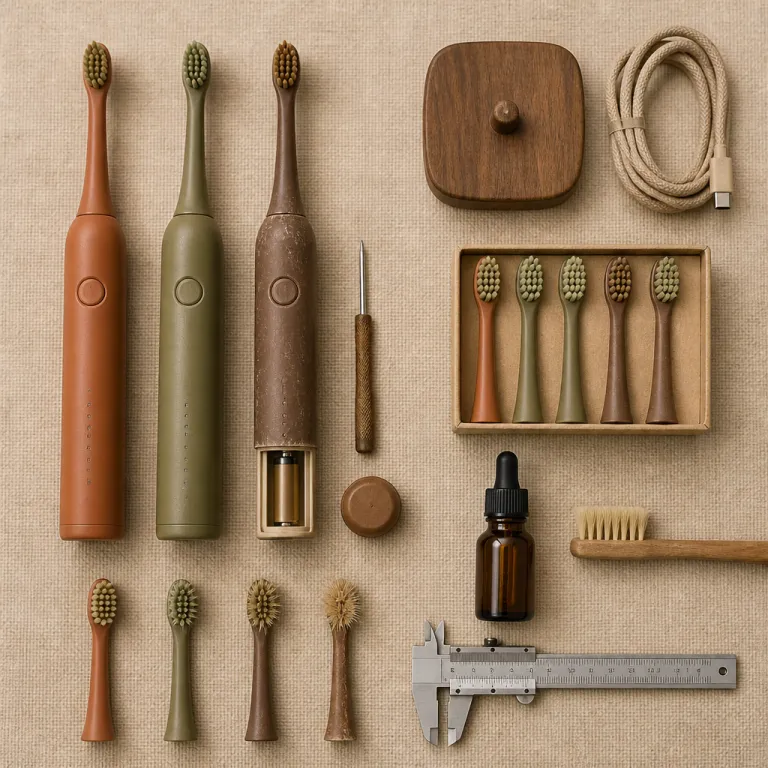
Electric toothbrush lifespan how long really means in daily use
When people ask about electric toothbrush lifespan how long, they usually mean the handle, not the brush head. The handle hides the battery, motor, and charging electronics that quietly decide whether your toothbrush feels powerful after two years or turns into a weak, buzzing stick long before its time. Understanding how these parts age helps you judge whether a premium electric toothbrush or a cheaper manual toothbrush plus frequent replacements gives better value for your oral health.
Most modern electric toothbrushes use sealed lithium ion or nickel metal hydride batteries, and every charging cycle slowly shortens the battery life even if the bristles and toothbrush head still look fine. With twice daily brushing for two minutes, you typically charge an electric toothbrush every 7 to 14 days, which adds up to hundreds of cycles over the long term and gradually reduces how long the toothbrush battery can hold power. That is why a handle that once ran for three weeks between charges may only last a few days after several years, even when your oral care routine and brushing habits have not changed.
From a practical standpoint, the working life of an electric toothbrush handle usually falls between three and five years for most toothbrushes used twice a day, based on manufacturer guidance and user reports. Oral B Pro series handles are often rated for around 500–1,000 charge cycles, which for many people translates to roughly three to five years before battery degradation becomes annoying, while many Philips Sonicare models sit closer to three or four years of solid performance before the motor and battery show their age. The exact lifespan electric users experience depends on charging habits, how often the brush is left on the stand, and whether the handle is exposed to steam, drops, or toothpaste residue that can creep into seals over time.
TL;DR: typical lifespans and cost per year
- Entry-level electric handle: ~3 years of daily use; often €20–€60; about €7–€20 per year.
- Mid-range Oral-B / Sonicare: ~3–4 years; often €60–€150; about €15–€40 per year.
- Premium models: ~4–5 years when treated well; often €150–€250; about €30–€50 per year.
Battery degradation, brand differences, and real cost per year
The most important factor in electric toothbrush lifespan how long is the battery degradation curve, which rarely matches glossy marketing claims. A new electric toothbrush might give you 14 days of battery life, but after a couple of years that same toothbrush battery may only last five or six days, forcing more frequent charging and making travel less convenient. This slow decline is normal for lithium ion cells sealed inside a handle, yet it also means the entire brush becomes e waste once the battery can no longer support reliable brushing.
Brand by brand, the pattern is consistent even if the numbers shift slightly for different toothbrushes and models. Oral B Pro handles with oscillating rotating heads often keep usable power for three to five years, while premium iO handles are still too new for long term lifespan electric data, though early users report similar battery behavior over time. Sonicare sonic toothbrush models usually deliver three to four years of strong vibration and stable charging intervals, but because their batteries are non replaceable, you must change toothbrush handles once the motor weakens or the runtime shrinks below a comfortable margin.
Cost per year matters more than sticker price when you compare a long electric premium handle with a budget brush. A 200 euro electric toothbrush that lasts five years effectively costs 40 euros per year, while a 40 euro handle that dies after two years costs 20 euros per year but may compromise oral hygiene if the motor fades early. When you add the ongoing cost of every brush head and toothbrush head replacement every three months, the total oral care budget depends as much on handle lifespan as on how often you replace electric brush heads to protect your teeth and gums.
For detailed guidance on when to replace a brush head without wasting money, you can read this practical advice on when you should replace your electric toothbrush head, which fits neatly into planning the full life of your handle.
Warning signs your electric toothbrush handle is nearing the end
Most people notice electric toothbrush lifespan how long only when something starts to feel off during brushing. The first red flag is usually shorter battery life, where a handle that once survived two weeks of oral care suddenly needs charging after just a few days of normal brushing. If you find yourself rushing to the charging stand before a weekend trip or seeing the battery indicator drop after a single session, your toothbrush battery is telling you that the internal cells are losing capacity.
Motor behavior offers another clear signal that your electric toothbrush is aging beyond its intended lifespan. A healthy sonic toothbrush or oscillating model keeps a steady vibration and sound, while a tired motor may stutter, change pitch mid stroke, or feel weaker against your teeth even with a fresh brush head installed. Some users describe a faint clicking noise inside the handle, which often means internal gears or bearings are wearing out and the brush can no longer deliver the same dental plaque removal it once did.
Physical wear on the handle also matters, especially for long term oral hygiene and safety. Cracks around the charging port, a loose power button, or moisture under the translucent parts of the handle suggest that water has reached areas near the battery or motor, which can shorten lifespan electric performance and create hygiene issues. If you see rust near the metal shaft that holds the brush heads or notice the toothbrush heads wobbling more than before, it is usually time to replace electric handles rather than just change toothbrush heads again.
When you do need to swap a worn brush head on a Sonicare model during this period, step by step instructions on how to change the head on your Sonicare toothbrush can help you separate normal head replacement from deeper handle problems.
Brush heads, three months rules, and how they relate to handle life
While electric toothbrush lifespan how long focuses on the handle, your daily experience is dominated by the brush head touching your teeth and gums. Dental professionals generally recommend replacing a brush head every three months, because bristles bend, fray, and lose cleaning efficiency even if they still look acceptable at a glance. If you push a brush beyond that three months window, you may keep the same battery life and charging pattern, but your oral health suffers as worn bristles fail to reach plaque along the gumline.
There is a direct link between how you manage brush heads and how long the handle lasts in real time. For example, if you keep using a toothbrush head with badly splayed bristles, you often press harder to feel clean, which strains the motor and shortens the lifespan electric toothbrushes can reach before their internal parts wear out. By contrast, a fresh toothbrush head with soft, intact bristles lets the motor glide with less resistance, supporting better oral hygiene and reducing the mechanical stress on gears and bearings inside the handle.
Different toothbrushes and brands design their toothbrush heads to match specific motion patterns, whether oscillating rotating or high frequency sonic brushing. Using compatible brush heads that fit snugly on the shaft prevents wobble, which otherwise can damage the handle over the long term and create noise or vibration that feels harsh on your teeth. Treat each new brush head as part of a broader oral care routine, where you track three months intervals, monitor your gums for irritation, and pair regular head changes with gentle brushing pressure to extend both battery life and mechanical life.
For people who want to go deeper into gum friendly cleaning while thinking about long electric handle use, research on a new compound that fights gum disease without harming good bacteria shows how modern oral care can support oral health without over relying on aggressive brushing.
Charging habits, sustainability, and when to replace the whole toothbrush
How you charge an electric toothbrush day after day quietly shapes electric toothbrush lifespan how long more than most people realize. Leaving a handle parked on an induction charging stand around the clock keeps the battery topped up, but it also exposes the cells to more heat, which can shorten battery life over the long term. USB C charging handles tend to run cooler and allow you to charge only when needed, which is gentler on the toothbrush battery and can extend the practical life of the handle.
From a sustainability perspective, non replaceable batteries are the biggest weakness in many electric toothbrushes. Once the sealed battery can no longer hold enough charge for a few days of normal brushing, the entire handle becomes e waste even if the motor, electronics, and toothbrush heads are still functional. Some users switch back to a manual toothbrush at this stage to avoid more electronic waste, while others accept that a long electric handle with several years of service still reduces the number of disposable manual toothbrushes they would have thrown away in the same period.
Deciding when to replace electric handles versus pushing them further comes down to performance and safety. If your brush cannot last through a weekend trip without charging, or if the vibration feels too weak to clean effectively even with a fresh brush head, it is time to change toothbrush handles rather than compromise oral hygiene. On the other hand, if the handle still gives several days of life between charges, the motor feels strong, and the only issue is cosmetic wear, you can usually keep using it safely while maintaining your care routine with regular toothbrush heads replacement and gentle brushing technique.
Manual versus electric: choosing the right long term oral care partner
For a first time upgrader, the electric toothbrush lifespan how long question often hides a deeper choice between manual and powered brushing. A simple manual toothbrush never needs charging and has no battery to fail, but it relies entirely on your technique and discipline to protect your teeth and gums over the long term. An electric toothbrush, by contrast, offers consistent motion, built in timers, and pressure sensors that support better oral hygiene, yet it introduces battery life limits and eventual handle replacement into your oral care planning.
In practical terms, a well used manual toothbrush plus regular three months replacement of the brush can match the plaque removal of many entry level electric toothbrushes if your brushing technique is excellent. However, most people benefit from the guidance and consistency of electric toothbrushes, especially models with clear quadrant timers and gentle modes that protect oral health for those with sensitive gums or orthodontic work. When you factor in the lifespan electric handles usually achieve, the cost per year often favors a mid range electric toothbrush that lasts four years over a drawer full of manual toothbrushes that never quite deliver the same cleaning feel.
Think of the handle as a long term partner in your care routine, and the brush heads as consumables that keep the relationship fresh. If you choose a sonic toothbrush or oscillating model with a comfortable handle, intuitive charging, and reliable battery life, you are more likely to brush for the full two minutes twice a day and maintain strong oral health. In the end, what matters is not just electric toothbrush lifespan how long in abstract years, but whether the brush you pick makes it easy to show up for your teeth every morning and every night without friction.
FAQ
How long does an electric toothbrush handle usually last before replacement ?
Most electric toothbrush handles last between three and five years with twice daily brushing and normal charging habits, according to typical manufacturer battery cycle ratings and user surveys. Cheaper models may show battery or motor problems closer to the three year mark, while well built mid range handles often deliver four years of solid performance. Once runtime drops sharply or vibration weakens noticeably, it is usually time to replace the whole handle.
How can I tell if my electric toothbrush battery is failing ?
You will notice that the handle needs charging more often, sometimes after only a few brushing sessions instead of a full week or more. The battery indicator may drop quickly, or the brush may shut off before the two minute timer finishes. If this pattern continues even after a full overnight charge, the internal battery is likely nearing the end of its life.
Is it safe to keep using an electric toothbrush with weak vibration ?
Using a handle with weak vibration is usually safe, but it may not clean your teeth as effectively as before. If you find yourself scrubbing harder to compensate, you risk irritating your gums and enamel. At that point, replacing the handle or switching temporarily to a fresh manual toothbrush is better for your oral health.
Does leaving my toothbrush on the charger all the time shorten its life ?
Keeping a handle on an induction charger constantly can expose the battery to more heat, which may slightly shorten its lifespan over several years. A gentler approach is to charge the brush fully, then store it off the stand until the battery indicator drops. USB C charging models make this easier because you can plug them in only when needed.
How often should I replace brush heads compared with the handle ?
Brush heads should usually be replaced every three months, or sooner if the bristles look frayed or splayed. The handle, by contrast, only needs replacement when the battery, motor, or physical structure shows clear signs of wear. Separating these timelines helps you maintain effective cleaning while getting full value from the electric toothbrush handle.