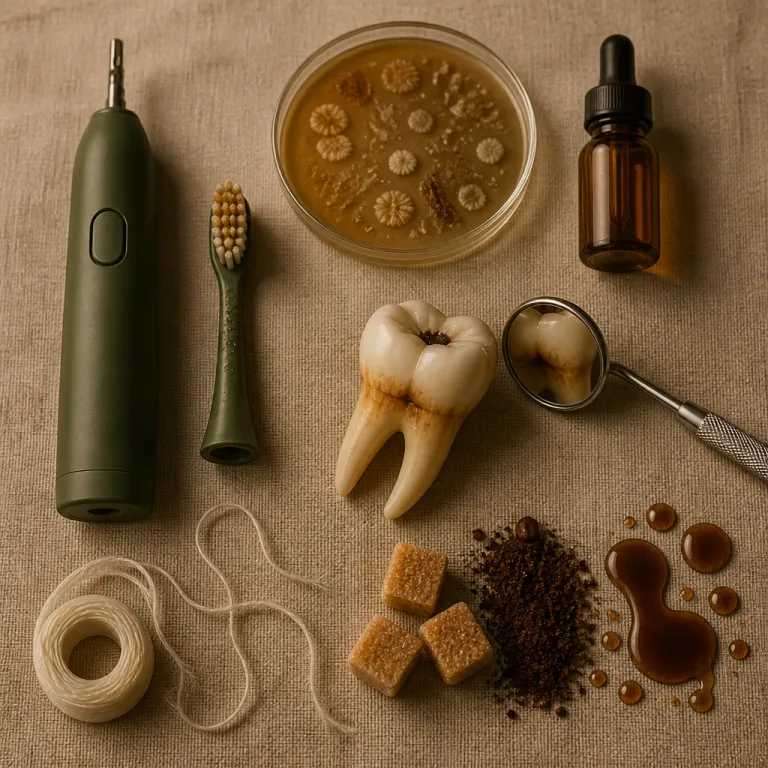
The saliva shutdown at night and why your brush choice matters
When you lie in bed and fall asleep, your saliva taps the brakes. During the night your body cuts saliva flow by roughly 80–90 percent according to clinical saliva studies, such as those by Dawes and colleagues on circadian salivary patterns, which leaves your teeth and gums exposed to acids and bacteria without their usual rinse cycle. That single change turns skipping your evening brushing session from a minor lapse into a predictable oral health problem.
Saliva normally buffers acids, washes away food, and delivers minerals back into each tooth surface. When saliva slows overnight, plaque bacteria stay glued to your teeth day after day, and the acids they release sit longer on enamel and along the gum line. If people brush with an electric toothbrush before bed, they strip away more plaque and food, so the mouth enters this dry night phase cleaner and far better protected.
For a first time upgrader moving from manual brushing teeth habits, this saliva shutdown is the main reason to prioritise brushing night sessions. Oscillating rotating electric models from brands like Oral B or sonic brushes from Philips Sonicare have repeatedly been shown in controlled trials and systematic reviews (including Cochrane-style analyses of powered versus manual brushes) to remove more plaque in two minutes than most patients brushing manually for the same time, which matters when your mouth’s defences are about to power down. If you are choosing a brush, focus less on extra modes and more on a pressure sensor, a two minute timer, and a head shape that lets you clean comfortably before bed every single night.
How plaque bacteria organise overnight after you skip brushing
The negative effects of missing your night-time brushing start within hours, not weeks. Plaque is a living biofilm, a sticky group of bacteria that colonise clean enamel within minutes after you finish breakfast or any meal. When people brush poorly in the evening or skip brushing entirely, that early film matures undisturbed while you sleep.
Researchers have shown that dental plaque bacteria use chemical signals, a form of quorum sensing, to coordinate growth and reshape plaque communities. In practice, that means a thin layer of bacteria on teeth night one can become a thicker, more acid producing layer by morning night three, especially along the gum line. An electric toothbrush with a small round head and a built in timer tends to disrupt this organised plaque more effectively than a manual brush, and plaque removal with an electric toothbrush has been linked in systematic reviews and meta analyses to less cumulative plaque over several days compared with manual brushing.
For someone comparing brushes, this is where oscillating rotating designs earn their keep in everyday dentistry. A large meta analysis found that two minutes of brushing yields significantly higher plaque reduction than one minute, and another study reported roughly one fifth more cumulative plaque with a manual brush over eight days compared with an electric model. If you want a deeper dive into how electric toothbrush plaque removal transforms daily oral care, you can read a detailed breakdown on this electric toothbrush plaque removal guide, then use that knowledge to build a brushing routine that makes skipping your evening clean far less tempting.
Why the evening session beats the morning for protecting oral health
Many people brush in the morning for fresh breath but treat night brushing as optional. From an oral hygiene perspective, that priority is backwards, because the consequences of neglecting your bedtime clean are harsher than missing a quick brushing morning session. If you only manage one thorough brush per day, dentists consistently argue that it should be before bed.
During the day you talk, drink water, and eat, and your saliva stays active, so bacteria and acids are constantly being diluted. At night you lie still, saliva slows, and any plaque left from teeth day meals plus late snacks sits in place for six to eight hours, bathing enamel and gums in acid. That is why people brush in the morning to fix the smell, but the real damage from skipping brushing has already happened while they slept.
For first time electric buyers, this means you should choose a brush that makes brushing night sessions easy rather than one overloaded with modes you will never use. A simple handle with a pressure sensor, a two minute timer, and a gentle daily clean mode is enough to protect oral health if you actually use it at night brushing time. If you are curious about future tech like mouthpiece style devices that promise effortless oral care, you can look at an analysis of whether a mouthpiece toothbrush is the future of effortless oral care, but for now a conventional electric brush used properly before bed still beats experimental designs that people brush with inconsistently.
From one skipped night to long term gum and periodontal disease risk
Missing one brushing night will not destroy your teeth, but the pattern matters. The real skip brushing at night effects show up when skipping brushing becomes a habit, because plaque hardens into calculus and inflamed gums slowly progress toward gum disease and eventually periodontal disease. In family dentistry clinics, dentists see the same story repeated across every age group.
First, plaque left on teeth night after night irritates the gums, causing redness and bleeding when patients brushing finally floss or brush more firmly. Over months, this chronic inflammation can damage the ligament and bone that hold each tooth in place, turning a reversible gum problem into established periodontal disease that needs professional dental care. Electric brushes help here because they are more forgiving for patients brushing with poor technique, and the built in timers nudge people brush habits toward the full two minutes that research supports.
One long term study reported that a substantially higher percentage of oscillating rotating electric brush users transitioned to gingival health compared with manual brush users, and similar findings have been echoed in long term cohort data and Cochrane style reviews, which is a huge gap for such a simple daily habit. For a first time upgrader, that means your choice of brush is not just about comfort but about measurable oral health outcomes over years. To keep that advantage, you also need to replace brush heads regularly, and a detailed guide on what happens to your brush heads after three months explains why waiting longer quietly erodes the benefits you paid for.
Morning breath, tissue damage, and how to build a realistic night routine
Morning breath after you skip brushing is more than a social nuisance. When plaque and food sit on teeth night after a late breakfast or snack, bacteria feast, release volatile sulphur compounds, and produce acids that irritate soft tissues. The smell you notice at waking is tied to microscopic tissue damage that you do not feel until it becomes obvious gum disease.
For patients in everyday dentistry practice, the most sustainable fix is not a complicated regimen but a realistic brushing routine anchored to bed time. A simple night checklist can help: keep your electric brush and floss within easy reach, set the two minute timer, move the brush slowly along the gum line, and finish with a quick tongue clean so you remove odour causing bacteria as well as plaque. Many patients brushing with electric models report that the smoother feel of clean enamel at night makes them less likely to snack in bed, which further reduces the skip brushing at night effects.
If you share a home, turning night brushing into a group habit can help everyone’s oral care and general health. Families who treat oral hygiene as shared oral care rather than a private chore tend to keep appointments, notice early signs of disease, and support each other when someone slips. For a first time electric buyer, that might mean choosing a handle with multiple brush heads so different people brush with their own head but share the same device, lowering cost while raising the odds that brushing teeth at night actually happens.
FAQ
Is it worse to skip brushing at night or in the morning ?
Skipping brushing at night is usually worse than missing a brushing morning session. At night saliva flow drops sharply, so plaque and bacteria stay on your teeth and gums for hours without being washed away. Brushing teeth thoroughly before bed removes food and plaque, which limits acid attacks and reduces the skip brushing at night effects on enamel and gum tissue.
Can an electric toothbrush really make a difference if I sometimes skip brushing ?
An electric toothbrush removes more plaque in the same time than a manual brush, which helps when your brushing routine is not perfect. However, even the best electric model cannot fully protect oral health if you regularly skip brushing at night, because plaque still has long stretches of undisturbed growth. The most effective strategy is to pair an electric brush with a firm habit of brushing night and morning night, especially before bed.
What actually happens to my gums when I skip brushing at night ?
When you skip brushing, plaque stays on your teeth night after night and bacteria release toxins that irritate the gums. Over time this can lead to swollen, bleeding gums, early gum disease, and eventually periodontal disease if plaque hardens and is not removed during a dental appointment. Regular brushing teeth with an electric brush and flossing keeps this bacterial load low and supports healthier gum tissue.
If I brush really well in the morning, can I safely skip the evening ?
A careful brushing morning session is helpful, but it does not cancel the skip brushing at night effects. Food and plaque build up again during the day, and if they are not removed before bed they sit in a dry, low saliva environment for hours. For most patients, brushing teeth for two minutes at night is the single most protective step for long term oral health.
How long does it take for occasional skipping to turn into real damage ?
One missed brushing night will not cause a cavity by itself, but repeated skipping brushing over weeks lets plaque mature and harden. As this happens, gums become inflamed, and the risk of cavities and periodontal disease rises, especially if people brush quickly or inconsistently. Using an electric toothbrush with a timer and pressure sensor and committing to nightly oral care keeps this slow damage from ever gaining momentum.