How often should you change your toothbrush for real oral health protection
Most dentists agree that you should change your toothbrush or electric brush head about every three months. This replacement schedule keeps the bristles firm enough to clean teeth effectively and protects your oral health from rising levels of bacteria. When people ask how often should I change my toothbrush, the safest answer is usually every twelve weeks or sooner if the brush looks worn or feels less effective on teeth and gums.
With manual toothbrushes and electric toothbrushes, the nylon bristles gradually bend, fray, and lose their shape. Once that happens, the brush cannot reach plaque between teeth and along the gumline, so brushing teeth becomes less effective even if you keep the same routine. If you notice that your brush looks splayed before the three month mark, you should change it immediately because damaged bristles can irritate gums, scratch enamel, and leave bacteria behind instead of giving you a clean toothbrush.
Professional bodies such as national dental associations and the American Dental Association (ADA) consistently highlight this three month guideline for both manual and electric toothbrushes. They base it on research into bacteria build on bristles, mechanical wear, and the impact on dental health over time. For example, an ADA Science Institute review (American Dental Association, 2013) notes that brushes older than three to four months remove less plaque than newer ones, and a randomized clinical trial in the Journal of Clinical Dentistry (Glaze & Wade, 1986) reported significantly better plaque scores with three month replacement. When you plan a change toothbrush schedule around this advice, you keep your mouth cleaner and reduce the risk of cavities and gum disease.
Specific rules for electric toothbrush and brush head replacement
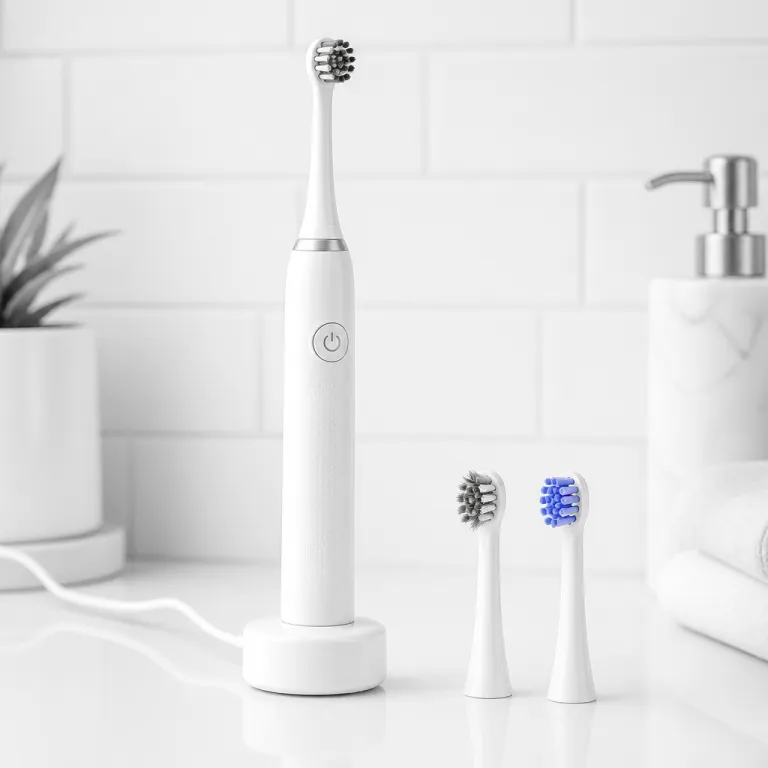
An electric toothbrush can remove more plaque than many manual toothbrushes, but only if the brush head is fresh and the bristles keep their shape. The high speed motion wears bristles faster, so you often should replace the head slightly earlier, especially if you press hard while you brush teeth or use abrasive toothpaste. For people wondering how often should I change my toothbrush when using electric toothbrushes, most manufacturers and the American Dental Association still point to the toothbrush three month rule as a maximum, with earlier changes when the head looks worn.
Look closely at the colored indicator bristles on many electric toothbrush heads. When these fade halfway, they signal that you should change the head because it no longer delivers extra clean performance on teeth and gums. If you want a deeper guide on when to replace an electric brush head, you can consult a detailed resource on when you should replace your electric toothbrush head and compare it with your own brushing teeth habits, pressure, and brushing time.
People with braces, dental implants, or early gum disease may need to replace electric toothbrush heads more often. Extra hardware in the mouth traps more bacteria, so a clean toothbrush becomes essential to protect oral health and overall health. In these situations, ask your dental care team how long should you keep each brush head, then set reminders so you do not forget to replace it on time and can keep plaque under control between professional dental visits.
How bacteria build up on bristles and threaten dental health
Every time you use a toothbrush, bacteria from plaque, food debris, and saliva transfer to the bristles. Rinsing the brush under water helps, but it does not remove all bacteria build, especially when the brush never fully dries between uses. Laboratory studies published in journals such as the Journal of Dentistry (Sato et al., 2004) and American Journal of Dentistry (Taji & Rogers, 1998) have shown that microbial levels on bristles rise steadily over weeks of use, particularly when storage conditions keep the head damp. Over time, this hidden film can undermine oral health and make even careful brushing teeth less effective at protecting teeth and gums.
Keeping toothbrush and brush head storage under control is just as important as how often you change toothbrush equipment. You should always store toothbrush in an upright position, uncovered, and away from the toilet area to reduce airborne bacteria settling on the bristles. If several toothbrushes share a cup, make sure the heads do not touch, because that can transfer bacteria between family members and weaken everyone’s dental health by spreading germs from one brush to another.
Some people try to keep a clean toothbrush by using mouthwash, hot water, or even home disinfecting solutions to sanitize it. While this may reduce surface bacteria for a short time, it does not repair worn bristles or reverse damage that limits effective plaque removal. The safest strategy remains simple oral care discipline, where you often change both manual and electric toothbrush heads and avoid using any single brush for longer than the recommended time, even if it looks reasonably clean.
Signs your toothbrush or electric brush head should change sooner
Even if you follow the toothbrush three month rule, your brush might need replacement earlier. If the bristles fan outward, feel rough on your teeth, or show discoloration that does not rinse away, you should change the brush immediately. These signs mean the brush can no longer keep plaque under control, and continuing to use it may harm teeth and gums by pushing bacteria deeper along the gumline instead of removing it.
Bad breath that returns quickly after brushing teeth can also signal that your brush is no longer effective. When bacteria build remains on the bristles, each brushing session can reintroduce those microbes into your mouth instead of supporting oral health. People who have been sick with flu, a cold, or a throat infection should change toothbrush or electric toothbrush heads as soon as they recover, because lingering bacteria and viruses may stay on the brush and affect both dental health and general health.
Children often chew on toothbrushes, which damages bristles much faster than normal brushing. Parents should watch for bite marks, bent filaments, and worn patches, then replace the brush long before the usual time if needed. For kids using electric toothbrushes, check the head weekly, because a damaged brush can irritate delicate gums, reduce effective plaque removal, and discourage good brushing habits that protect teeth and gums over the long term.
Daily habits to keep a clean toothbrush and protect oral health
Good oral care does not stop when you put the toothbrush back in its holder. After every session, rinse the brush thoroughly under running water, then gently shake off excess drops so the bristles can dry and stay clean. This simple step helps keep bacteria levels lower between uses and supports better dental health over time by making each brushing session more effective.
You should never store toothbrush in a closed container for long periods, because trapped moisture encourages bacteria build and even mold. Instead, store toothbrush in a ventilated holder, upright, and away from shared surfaces where other toothbrushes might touch. When traveling, use a vented cap only for transport, then remove it at your destination so the brush can dry fully and remain effective for brushing teeth and keeping your oral environment as clean as possible.
People who want an extra clean feeling sometimes add a tongue scraper, interdental brushes, or water flossers to their routine. These tools do not replace a standard or electric toothbrush, but they help remove more bacteria so the main brush has less work to do. If you are curious about how long should you brush each time to support teeth and gums, a dedicated guide on how long you should brush your teeth for healthier gums and a cleaner mouth can complement your schedule for when you should change your toothbrush and help you build a complete oral care routine.
How lifestyle, medical conditions, and electric toothbrush choices affect how often you should change
The question how often should I change my toothbrush does not have a single answer for every person. Smokers, heavy coffee drinkers, and people with a high sugar diet often should replace their brush more frequently because their teeth face greater stain and plaque challenges. In these cases, a change toothbrush schedule closer to every six to eight weeks can support better oral health and keep staining and tartar from building up between professional cleanings.
Medical conditions such as diabetes, dry mouth, or autoimmune diseases can also affect dental health and gum resilience. When saliva flow is reduced or immune responses are weaker, bacteria build faster on teeth and along the gums, so a clean toothbrush becomes even more critical. Dentists may advise patients in these groups to use electric toothbrushes with soft bristles, gentle brushing modes, and to replace the heads more often than the general recommendation to protect vulnerable tissues.
Sports and travel habits matter as well, because brushes carried in gym bags or suitcases stay damp and pick up more bacteria from their surroundings. If you often store toothbrush in such environments, you should change it sooner and consider carrying a spare brush for longer trips. Choosing a high quality electric toothbrush with easily replaceable heads can make it simpler to maintain this routine without sacrificing convenience or effective brushing, especially when you are away from home.
Building a practical schedule to replace toothbrushes and electric brush heads
Turning expert advice into daily practice means creating a clear plan for when you should change your toothbrush. Many people find it helpful to align the toothbrush three month cycle with the seasons, replacing their brush at the start of each new quarter. Others set reminders on their phone or mark the calendar so they do not stretch the brush beyond the safe time, which keeps oral health on track even during busy periods.
Households with several toothbrushes benefit from keeping a small reserve of manual brushes and electric toothbrush heads. When a family member notices frayed bristles or recovers from an illness, they can replace the brush immediately instead of waiting for the next shopping trip. This habit supports consistent oral health and reduces the risk that anyone will keep using an ineffective brush teeth tool out of convenience, especially children or older adults who may forget to replace brushes on schedule.
If you use a specific brand of electric toothbrush, check whether the manufacturer offers subscription deliveries for replacement heads. These services send new heads at fixed intervals, which quietly answer the question of how long should you wait before changing them. For users of spinning brush systems, a detailed explanation of why timely replacement matters is available in a guide on the importance of Spinbrush replacement heads, which can help you fine tune your own schedule for keeping toothbrush equipment fresh and effective without having to remember every date.
Key statistics about toothbrush replacement and oral health
- Surveys from major dental organizations show that many adults wait six months or longer before they replace a toothbrush, which is roughly double the commonly recommended three month interval and increases the risk of plaque buildup and gum inflammation.
- Clinical studies comparing new and worn brushes have found that brushes older than three months can remove significantly less plaque from teeth surfaces, which directly affects dental health and the likelihood of developing cavities and early gum disease.
- Research into bacteria on toothbrush bristles has demonstrated that microbial levels rise steadily over weeks of use, especially when people store toothbrush in closed containers where moisture remains trapped and prevents the bristles from drying.
- Public health data consistently link poor oral health with higher risks of systemic conditions such as heart disease and complications from diabetes, highlighting why a simple habit like timely toothbrush replacement matters beyond the mouth and supports overall health.
- Consumer behavior reports indicate that people who use electric toothbrushes with reminder features or subscription head deliveries are more likely to change heads on schedule, which correlates with better reported gum health and fewer bleeding episodes during brushing.
Frequently asked questions about how often you should change your toothbrush
How often should I change my toothbrush if I use it twice a day
If you brush teeth twice daily, you should still replace your toothbrush or electric brush head about every three months. Heavy pressure, abrasive toothpaste, or very vigorous brushing may wear bristles faster, so you often should change it sooner if the filaments look splayed. The key is to watch both the calendar and the physical condition of the brush so it stays effective at removing plaque.
Should I change my toothbrush after being sick
Yes, you should change toothbrush or electric toothbrush heads after you recover from illnesses such as flu, strep throat, or severe colds. Bacteria and viruses can linger on the bristles, and reusing the same brush may increase the chance of reinfection. Replacing the brush is a simple step that supports both oral health and general health, especially for people with weaker immune systems.
Is an electric toothbrush better than a manual one for keeping teeth clean
Many studies show that an electric toothbrush can remove more plaque than a standard manual brush, especially for people who struggle with consistent technique or have limited dexterity. However, both types can be effective if you brush for the right time, use proper movements, and replace them regularly. The most important factor is a clean toothbrush with intact bristles, not just the technology behind it or the price of the device.
How long should I keep a travel toothbrush
Travel toothbrushes often stay damp in cases and pick up more bacteria from bags and bathrooms. For that reason, you should change them more frequently than your home brush, sometimes after only a few trips. If you travel often, consider using inexpensive brushes that you replace regularly rather than trying to keep one for many months in different hotel bathrooms and airplanes.
Can I sanitize my toothbrush instead of replacing it
Rinsing with mouthwash or using a brief disinfecting step can reduce some bacteria on the bristles, but it does not restore worn filaments or fully remove all microbes. Even a sanitized brush becomes less effective once the bristles bend and soften. Regular replacement remains essential, so think of sanitizing as an extra hygiene measure, not a substitute for a new brush, and continue to follow the toothbrush three month guideline for best results.