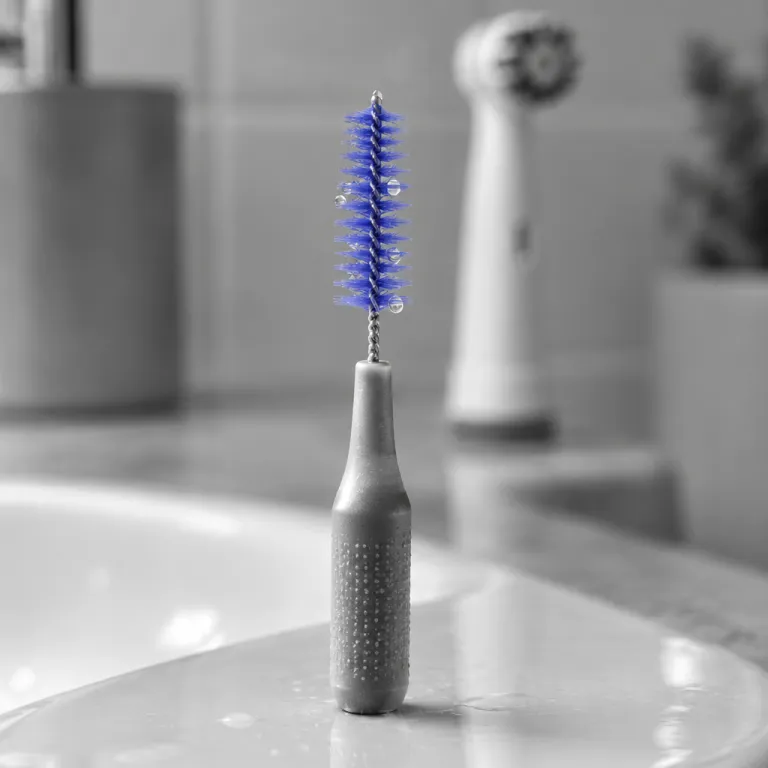
Why interdental brushes matter alongside electric toothbrush routines
Electric toothbrushes clean broad tooth surfaces efficiently, but interdental brushes target the narrow spaces your brush head simply cannot reach. Between neighbouring teeth, plaque hides in tight gaps where even advanced brushing modes struggle, so interdental cleaning becomes essential for complete oral hygiene. When you combine an electric toothbrush with carefully chosen interdental brushes and dental floss, you create a routine that protects gum tissue and supports long term oral health.
Standard toothbrush designs polish enamel, yet they rarely remove food and plaque lodged near each gum line, especially around braces, fixed retainers, or other dental hardware. A correctly sized interdental brush slides between teeth like a tiny wire based cleaner wrapped in soft filaments, sweeping along the gum margin without scraping enamel. Patients who learn to use interdental brushes daily often report cleaner teeth, fresher breath, and fewer bleeding spots during brushing or floss sessions.
Dental professionals now view interdental cleaning as a core part of preventive health care rather than an optional extra for perfectionists. Research consistently links poor cleaning between tooth contacts with higher risks of gum disease, which can undermine overall oral health even when outer tooth surfaces look bright. As periodontist Dr. Elena Ruiz notes, “For anyone already investing in a premium electric brush, adding interdental brushes and dental picks is the logical next step to help protect teeth, gums, and expensive dental work.”
Interdental brushes versus floss and water flossers for braces and gaps
People often ask whether they should rely on dental floss, water flossers, or interdental brushes when they wear braces or have wider gaps between teeth. Traditional floss can slide between tight contacts, but it tends to glide over concave root surfaces, while an interdental brush fills the space and scrubs plaque from every side. Around orthodontic brackets, the tiny brush head can pass under the arch wire and around each attachment, reaching hard to clean spots that string floss misses.
Water flossers add a pulsed jet of water that can help remove food debris and reduce bleeding, especially for those with sensitive gum tissue or limited dexterity. Yet even strong water pressure cannot always dislodge sticky biofilm, so many orthodontists recommend combining a water flosser with interdental brushes and dental picks for best oral care results. A balanced routine might use a water flosser first to flush loose particles, then a soft interdental brush or a branded gum proxabrush style tool to finish the cleaning process around each bracket.
For people without braces but with irregular spacing, interdental brushes often outperform floss because the bristles adapt to the shape of each space. Dental floss still plays a role in very tight contacts where even the smallest interdental brush cannot pass safely, so both tools remain valuable. When you compare options, floss is better for narrow contacts, while interdental brushes and water flossers excel at cleaning larger spaces and supporting long term oral health.
Choosing the right interdental brush size, shape, and softness
Selecting the correct interdental brush size is critical, because a brush that is too large can damage gum tissue, while one that is too small will not clean effectively. Most brands colour code their interdental ranges, with each shade representing a different wire diameter and bristle thickness for specific gaps between teeth. Dentists often suggest starting with the thinnest soft wire that passes through each space with gentle resistance, then adjusting sizes for wider or tighter areas.
Shape matters as well, since straight handles suit front teeth, while angled necks help reach areas behind molars and around fixed orthodontic appliances. Some people prefer a classic interdental brush, while others like a proxabrush betweens design with a longer handle that mimics a standard brush grip for better control. If you struggle with coordination or have arthritis, you may find that a larger handle and very soft bristles make interdental cleaning more comfortable and sustainable.
During your first week with any new interdental brush routine, expect a short adjustment period with possible minor gum bleeding as inflamed tissue responds to better cleaning. Pairing this change with a gentle water flosser, guided by resources on first week water flosser technique, can ease the transition and support healthier gums. Over time, as plaque levels fall and oral hygiene improves, the same interdental brush sizes will glide more easily, signalling better oral health rather than a need to stop.
Integrating interdental brushes into an electric toothbrush and oral care routine
Many people use an electric toothbrush twice daily yet still experience early gum disease, because they skip interdental cleaning between teeth. A more complete oral care routine starts with thorough electric brushing, then adds interdental brushes, dental floss, or dental picks to target the spaces your main brush cannot reach. This layered approach helps remove food particles and plaque from every surface, reducing the bacterial load that drives inflammation and bad breath.
Timing also influences results, since using an interdental brush before electric brushing can loosen debris that the powered brush then sweeps away. Others prefer to brush first, then use a proxabrush style interdental brush to inspect and clean any remaining tight spaces, finishing with a fluoride rinse. Either sequence can work, but consistency matters more than order, so choose the pattern that fits your habits and supports daily oral hygiene.
For readers who already mastered basic electric brushing, advanced electric toothbrush techniques can further enhance plaque removal while still leaving interdental spaces for targeted tools. When you coordinate brush head choice, brushing pressure, and interdental brush selection, you create a personalised health care strategy for your mouth rather than a generic routine. Over months, this integrated method protects restorations, supports gum level cleaning around crowns and implants, and lowers the risk of future dental treatment.
Technique: how to use interdental brushes safely and effectively
Good technique turns a simple interdental brush into a powerful oral health tool that complements your electric toothbrush. Start by holding the handle like a pen, guiding the soft bristles gently into the space between teeth without forcing the wire against the gum. If the interdental brush will not pass with light pressure, switch to a smaller size rather than pushing harder and risking injury.
Once the brush is in place, move it back and forth a few times, keeping the wire parallel to the chewing surface so it follows the natural contour of the space. Around orthodontic brackets, angle the brush slightly to slide under the arch wire, then sweep around each attachment to remove food and plaque that regular brushing misses. After each space, rinse the brush under running water to clear debris, and replace it when the bristles bend permanently or the wire shows signs of fatigue.
People with sensitive gums may prefer ultra soft filaments or a branded proxabrush betweens product, which often combines flexible wire with cushioned bristles for gentle cleaning. If you notice persistent bleeding after a week of careful interdental cleaning, schedule a dental check to rule out advanced gum disease or other oral health issues. Used correctly, interdental brushes should feel like a firm massage for the gum margin, not a painful scraping, and they should help maintain clean teeth between professional visits.
When interdental brushes are not enough: combining tools for complex mouths
Certain mouths present special challenges, where interdental brushes alone cannot manage every cleaning task, even with excellent electric brushing. People with extensive crowns, bridges, or implants often have irregular spaces and undercuts that trap plaque, requiring a mix of dental floss threaders, interdental brushes, and water flossers. In these cases, a clinician may map each space, recommending specific brush sizes, floss types, and dental picks to help remove food and biofilm thoroughly.
Orthodontic patients with complex braces systems, such as lingual brackets or auxiliary wires, face even more hard to reach zones that demand tailored oral care strategies. A combination of a slim interdental brush for tight contacts, a larger gum proxabrush style cleaner for wider gaps, and a pulsating water flosser can dramatically improve oral hygiene. Regular reviews with a hygienist allow fine tuning of this toolkit, ensuring that each interdental cleaning step remains effective as teeth move and spaces change.
People with reduced dexterity, neurological conditions, or caregiving responsibilities may need ergonomic handles, pre angled brushes, or powered flossing aids to maintain oral health. For them, the priority is a realistic routine that fits daily life, even if it means fewer tools used more consistently rather than an ideal but complex regimen. When interdental brushes, electric toothbrushes, and supportive devices work together, they form a practical health care system that protects teeth and gums despite structural or medical challenges.
Key figures on interdental cleaning and oral health
- Randomised clinical trials have shown that adding interdental brushes to twice daily toothbrushing can reduce bleeding sites by around 30 to 40 percent over several months, compared with brushing alone (Imai et al., 2011, Journal of Clinical Periodontology, 38(6):501–507, doi:10.1111/j.1600-051X.2011.01711.x).
- Systematic reviews comparing interdental brushes with dental floss report that interdental brushes remove more plaque from between teeth in most adults with sufficient space (Slot et al., 2008, International Journal of Dental Hygiene, 6(4):253–262, doi:10.1111/j.1601-5037.2008.00336.x).
- Epidemiological data from European oral health surveys indicate that regular interdental cleaning is associated with lower prevalence of moderate to severe gum disease, even after adjusting for smoking and socio economic status (Jordan et al., 2016, Journal of Clinical Periodontology, 43(12):1012–1020, doi:10.1111/jcpe.12613).
- Orthodontic research shows that patients who use interdental brushes around braces have significantly fewer white spot lesions on enamel at the end of treatment than those relying on brushing alone (Benson et al., 2005, American Journal of Orthodontics and Dentofacial Orthopedics, 127(2):161–169, doi:10.1016/j.ajodo.2003.12.026).
FAQ: interdental brushes and electric toothbrush routines
How often should I use interdental brushes with my electric toothbrush
Most dentists recommend using interdental brushes once per day, ideally in the evening when you have more time for careful oral hygiene. You can brush with your electric toothbrush twice daily, then add interdental cleaning to the night routine for deeper plaque control. Consistency matters more than timing, so choose a moment you can maintain long term.
Should I use interdental brushes before or after electric brushing
Both sequences can work, and research has not shown a decisive advantage for one order in everyday home care. Using an interdental brush before electric brushing can loosen plaque and remove food, which the powered brush then sweeps away from tooth surfaces. Others prefer to brush first, then use interdental brushes as a final check to clean any remaining tight spaces.
Can interdental brushes replace dental floss completely
Interdental brushes can replace floss in spaces where the brush fits comfortably, because the bristles scrub more surface area than a thin floss strand. However, in very tight contacts where no brush can pass without force, dental floss remains necessary to maintain oral health. Many people benefit from a mixed approach, using interdental brushes where possible and floss for the narrowest gaps.
Do interdental brushes damage gums or enamel
When you choose the correct size and use gentle technique, interdental brushes should not damage gums or enamel. Problems arise when people force a brush that is too large into tight spaces, bending the wire and scraping tissue. If you feel pain or see ongoing trauma, switch to a smaller soft brush and ask a dental professional to check your technique.
How long does one interdental brush last
Most interdental brushes last several days to a couple of weeks, depending on how many spaces you clean and how forcefully you use them. Replace the brush when the bristles splay permanently, the wire bends sharply, or any part shows rust or damage. Fresh, well shaped bristles are essential for effective interdental cleaning and safe daily use.
Trusted references for further reading
- World Health Organization – oral health fact sheets and global data.
- American Dental Association – guidelines on interdental cleaning and gum disease prevention.
- European Federation of Periodontology – clinical recommendations on interdental brushes and periodontal care.