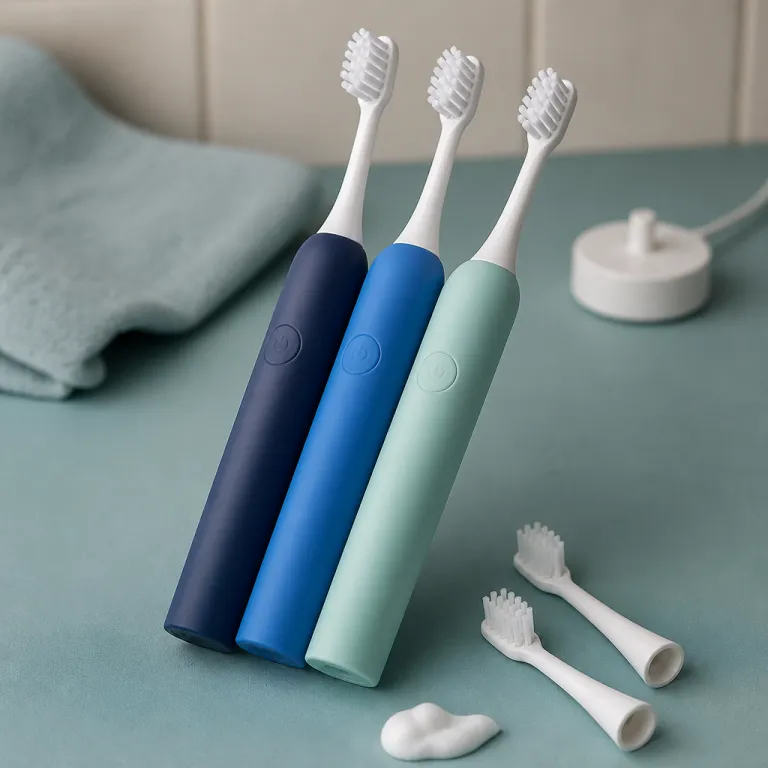
Why budget electric toothbrush brands can clean as well as big names
When you move from a manual brush to an electric toothbrush, the first shock is often the price gap between famous brands and unknown names on Amazon. Motor technology for electric toothbrushes has largely commoditized, which means a modern low cost handle can now deliver sonic or oscillating power close to premium models. For cleaning your teeth, that shift matters more than a glossy handle or a long list of smart features.
In practical terms, the tiny motor that drives the brush head is no longer exotic engineering, so even cheap electric toothbrushes can reach high sonic frequencies or fast oscillations. Independent lab tests, such as Consumer Reports’ 2023 electric toothbrush ratings (where several sub‑$40 models scored plaque removal within roughly 5–10 percentage points of mid range Philips Sonicare and Oral B series brushes) and TechRadar’s 2022 budget toothbrush roundup (which logged real world battery runtimes of 20–30 days for some low cost handles), both show that several affordable models achieve plaque removal scores similar to mid range Philips Sonicare or Oral B series brushes, provided you use fresh brush heads and a sensible cleaning mode. The result is that a first time upgrader can often get the best electric cleaning performance for a modest price, as long as they pay attention to head quality and replacement brush availability.
Fairywill, Bitvae, and Laifen all use sonic style brushing rather than the oscillating rotating motion you see in many Oral B Pro handles. That sonic movement creates a high frequency vibration in the brush head, which helps fluid and toothpaste reach between teeth and along the gumline. For everyday oral care, the difference between a Laifen Wave and a Philips Sonicare 4100 is less about raw cleaning power and more about pressure control, battery life consistency, and how easy it is to buy compatible replacement heads in two years.
The brush head trap: cheap handle, costly or missing replacements
Every in depth look at low cost electric toothbrushes eventually runs into the same issue, which is the long term cost and availability of brush heads. A handle from Fairywill or Bitvae might look like the best price on Amazon today, yet the real oral health cost arrives when you try to buy a replacement brush head after eighteen months. If the brand has vanished or the heads have doubled in price, your cheap electric toothbrush suddenly feels less like a bargain and more like a trap.
Think of the handle as the body and the brush heads as the consumables that keep your teeth clean and your gums healthy. Dentists usually recommend changing a brush head every three months, so over five years you will buy around twenty replacement heads for a single electric toothbrush. When a pack of generic replacement brush heads costs almost as much as a new handle, or when only one obscure seller lists them on Amazon, your total cost of ownership quietly climbs above some Philips Sonicare or Oral B series options.
To avoid that trap, use a simple replacement head checklist before you buy: confirm that at least two distinct SKUs of compatible heads exist for your model, check that both single packs and multipacks are available, and compare prices per head over a three to five year period. For example, a budget handle at €30 with twenty heads at €2 each totals about €70 over five years, while a mid range Philips Sonicare 4100 at €70 with twenty heads at €3 each reaches about €130, and an Oral B Pro handle at €80 with twenty heads at €2.50 each lands near €130 as well. There is also a sustainability angle that matters more each year, because frequent replacement brush purchases mean more plastic waste and packaging. Some established brands now experiment with bio based brush heads and recyclable packaging, and guides on sustainable oral care in practice show how far they have progressed. Budget brands rarely match that effort, so when you compare price and cleaning performance, remember to weigh long battery durability, replacement brush availability, and the environmental impact of all those small plastic heads.
Fairywill, Bitvae, and Laifen under the microscope
Fairywill built its reputation as one of the best selling budget electric toothbrushes on Amazon, with many models priced well under thirty euros. In hands on testing, Fairywill handles feel light, the minute timer works reliably, and the basic cleaning mode delivers a noticeably cleaner feel than a manual toothbrush for most users. The trade off is a simpler pressure sensor system, slightly hollow plastics, and brush heads that can vary in bristle stiffness between batches.
Bitvae positions itself as a value alternative with multiple cleaning modes, USB C charging, and a focus on long battery performance. In a typical independent review, Bitvae models often score well for battery life, sometimes running several weeks between charges, which is ideal if you travel without a bulky travel case. Cleaning power is solid, but the heads are a touch larger than some Philips Sonicare or Oral B Pro designs, which can make precise brushing around crowded teeth slightly harder for people with smaller mouths.
Laifen Wave sits in a different tier, using a magnetic levitation motor and refined sonic technology that feels closer to premium Philips Sonicare DiamondClean models than to most cheap smart toothbrushes. The handle has a reassuring weight, the pressure sensor feedback is subtle, and the smart features focus on consistent brushing rather than app gimmicks, which many first time electric toothbrush buyers never use. For readers who want to understand how sonic vibration numbers translate into real cleaning, technical explainers on the best sonic toothbrushes and vibration levels can help you compare Laifen against more established electric toothbrushes.
When to save with budget brands and when to pay for Oral B or Philips
Not every shopper needs a top tier Philips Sonicare DiamondClean or the latest Oral B series smart toothbrushes to keep their teeth clean and their gums healthy. If you are moving from a manual brush, a straightforward Fairywill or Bitvae handle with a reliable minute timer, a gentle cleaning mode, and a decent pressure sensor can already transform your oral routine. The key is to match the electric toothbrush to your habits, your budget, and your willingness to track down replacement heads over several years.
Spending around thirty euros often makes sense if you mainly want an electric boost, do not care about app based smart features, and are comfortable buying brush heads from Amazon marketplace sellers. In that scenario, a value focused buyer’s checklist would highlight Fairywill or Bitvae as the best electric entry points, especially if you choose models with multiple brush heads included in the box, a clear indication of compatible head families, and a battery rated for at least two to four weeks between charges. You still need to check that replacement brush packs exist in both single and multipack forms, because a stable supply of heads matters more than an extra cleaning mode you will never use.
Paying eighty to one hundred euros for an Oral B Pro or Philips Sonicare handle becomes worthwhile if you have sensitive gums, orthodontic work, or a history of gum disease. Established brands usually offer more refined pressure control, better engineered brush head designs, and a clearer roadmap for replacement heads over the next decade, which protects your investment. If you are torn between mid range options, a detailed comparison such as the Oral B iO Series 6 versus Sonicare 4100 test shows how different electric toothbrushes feel in daily brushing rather than just on a spec sheet.
How to read Amazon listings without getting misled
Scrolling through Amazon for an electric toothbrush can feel like walking through a market where every stall shouts that it is the best. A careful shopper looks past star ratings and focuses on patterns in comments about battery life, brush head durability, and cleaning consistency. When you see repeated complaints about loose heads, failing batteries, or missing replacement brush options, those are red flags that matter more than a single glowing score.
Pay close attention to how clearly the brand explains its brush head system, including whether replacement heads are compatible across several toothbrushes or tied to one obscure model. A trustworthy listing will show photos of the brush heads, specify how many come in the box, and link to separate replacement brush packs with realistic prices, rather than hiding them. If you cannot easily find replacement heads, or if the only option is a third party seller with limited stock, your long battery handle may outlive its consumables, leaving you with a useless electric toothbrush.
Also watch for inflated claims about smart features, such as vague references to smart toothbrushes or AI powered cleaning without clear explanations of what those tools actually do. For most first time electric buyers, a simple minute timer, a pressure sensor that warns when you press too hard, and one or two cleaning modes are enough to keep teeth clean and gums comfortable. Anything beyond that should justify its higher price with concrete benefits, not just marketing language about oral care that never translates into a better daily brushing experience.
Comfort, feel, and the reality of daily brushing
On paper, many electric toothbrushes look similar, yet the way a brush feels in your mouth twice a day is what you will live with. Hands on testing often reveals that Fairywill and Bitvae handles vibrate a little more in the hand than Philips Sonicare or Laifen models, which some people notice during longer brushing sessions. Others barely register the difference and care more about a clean mouth and a long battery that does not demand constant charging.
Brush head shape and bristle design strongly influence comfort, especially if you have crowded teeth or a small jaw. Slimmer heads like those on many Philips Sonicare and Laifen Wave models can reach behind molars more easily, while chunkier heads on some budget toothbrushes may feel cramped near the back of the mouth. If you can, choose a starter kit that includes several brush head styles, so you can test which one glides along the gumline without scraping or leaving plaque behind.
Travel habits also matter, because a compact travel case and a robust battery life can turn a good electric toothbrush into a reliable companion. Some Fairywill and Bitvae kits include a simple travel case, while Laifen and higher end Oral B Pro models often offer sturdier cases that protect both the handle and spare heads. In the end, what counts is not the feature list but the Monday morning brushing feel, when a comfortable handle, a well designed brush head, and a steady cleaning mode quietly support your oral health without demanding attention.
Key figures on electric toothbrush performance and adoption
- Studies comparing manual and electric toothbrushes have found that powered brushes reduce plaque by roughly 20 percent more after three months of use, which translates into measurably better gum health over time according to multiple clinical trials, including a 2014 Cochrane review by Yaacob and colleagues that reported about 11 percent less plaque after one to three months and around 21 percent less plaque after longer use.
- Oscillating rotating models and sonic electric toothbrushes both show significant plaque reduction, with some meta analyses suggesting a small advantage for oscillating designs, although the difference is often smaller than the impact of consistent two minute brushing with any powered brush.
- Market research from Europe indicates that electric toothbrush adoption has climbed above 40 percent of adults in several countries, while manual brushes still dominate in lower income regions where the higher upfront price remains a barrier.
- Battery life claims for modern rechargeable electric toothbrushes typically range from two to six weeks per charge, yet real world testing often finds a reduction of around 20 percent after the first year as lithium ion cells age, so a handle that initially runs 28 days between charges may drop closer to 22 days.
- Replacement brush head sales now represent a substantial share of oral care revenue for major brands, which is why long term availability and pricing of heads can significantly affect the total cost of owning any electric toothbrush.
FAQ: budget electric toothbrush brands and first time upgrades
Are Fairywill, Bitvae, and Laifen safe for daily use on teeth and gums?
These brands design their electric toothbrushes to meet standard safety expectations, and when used with a gentle cleaning mode and a working pressure sensor they are generally safe for daily brushing. The main risks come from pressing too hard, using worn brush heads, or extending brushing time far beyond two minutes, rather than from the motor itself. If you have gum disease or recent dental work, ask your dentist before switching from a manual brush to any electric model.
How often should I replace brush heads on a budget electric toothbrush?
Most dentists recommend changing a brush head every three months, whether you use a Philips Sonicare, an Oral B Pro handle, or a budget Fairywill or Bitvae model. If the bristles splay earlier, or if the color indicator fades quickly, replace the head sooner to maintain effective cleaning. Planning ahead by buying a pack of replacement heads when you purchase the handle helps avoid gaps in your oral care routine.
Is it worth paying more for smart features like apps and brushing feedback?
For a first time upgrader, basic tools such as a minute timer and a simple pressure sensor usually deliver most of the benefit of an electric toothbrush. App based smart features, detailed brushing maps, and advanced score tracking can help highly motivated users, but many people stop using them after a few weeks. If you are on a tight budget, prioritize a comfortable handle, reliable battery life, and easy access to replacement brush heads over complex smart toothbrushes.
Can a thirty euro electric toothbrush really clean as well as a premium model?
In many cases, a well designed budget handle with a decent motor and quality brush heads can remove plaque almost as effectively as a more expensive Philips Sonicare DiamondClean or Oral B series model. The premium options usually add better build quality, quieter operation, more refined cleaning modes, and a clearer long term supply of replacement heads. If you brush twice a day for two minutes and replace heads regularly, technique and consistency matter more than the exact price of the handle.
What red flags should I watch for when choosing a budget electric toothbrush on Amazon?
Be cautious of brands with very few reviews, unclear information about replacement brush availability, or vague claims about smart features without concrete explanations. Check whether the listing shows compatible replacement heads, realistic battery life figures, and clear warranty terms, because these details signal whether the brand expects to support the product over time. If you cannot easily find replacement brush packs or independent reviews beyond Amazon, consider choosing a more established budget brand such as Fairywill, Bitvae, or Laifen.