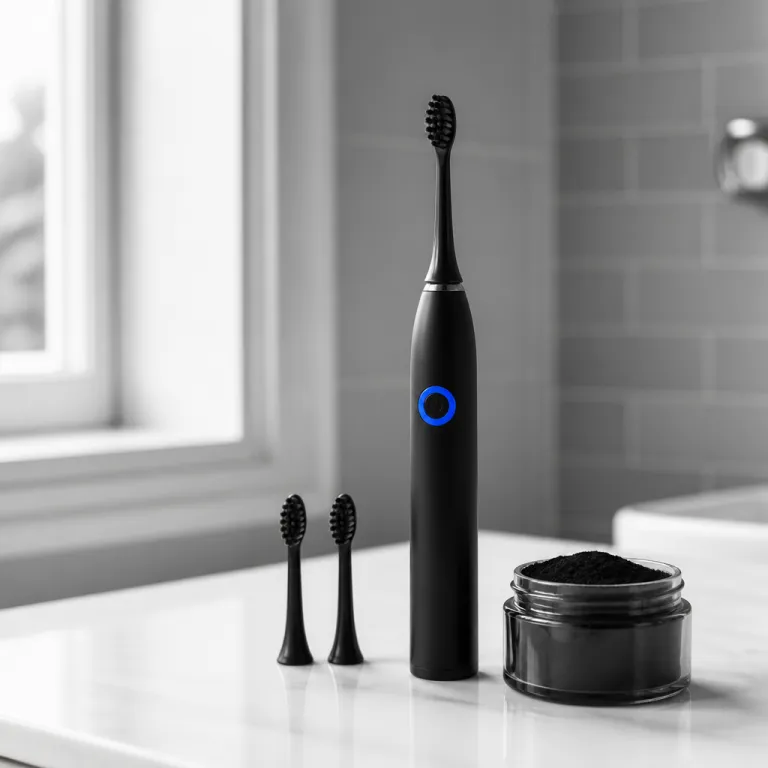
How a coal toothbrush fits into modern oral care
A coal toothbrush sounds unusual, yet it sits at the crossroads of whitening trends and eco friendly design. In practice, most people mean a charcoal toothbrush when they say coal toothbrush, and they often pair an electric toothbrush with charcoal toothbrushes or keep a single manual brush with charcoal infused bristles to target stains on teeth while keeping a lighter environmental footprint. A thoughtful mix of powered brush technology and carefully chosen toothbrushes charcoal accessories can raise your daily oral care routine to a more effective level.
When people say coal toothbrush, they usually mean a manual brush with charcoal infused or bamboo charcoal bristles rather than actual coal. These infused bristles are often made from nylon blended with activated charcoal, which manufacturers claim can help lift surface stains and keep teeth looking clean between professional dental visits. The reality is more nuanced, because the whitening effect of activated charcoal in bristles is mostly mechanical polishing rather than any chemical bleaching action, and current clinical evidence remains limited compared with well studied fluoride products.
Charcoal toothbrushes come in many products, from a basic plastic toothbrush with dark bristles to a premium bamboo toothbrush with a smooth bamboo handle and soft bristles. Some bamboo toothbrushes use bamboo charcoal powder in the infused bristles, while others rely on charcoal infused tips only at the outer edges. Each product offers different sustainability features, so you need to look beyond the rated stars and read how the handle, bristles, and packaging affect product sustainability over the long term.
Charcoal, activated charcoal and what they really do for teeth
Charcoal in a toothbrush is usually a refined form called activated charcoal, processed to create a porous structure that can bind pigments and some impurities. When manufacturers talk about charcoal infused or bamboo charcoal bristles, they are referring to this activated form, not the raw charcoal used for fuel. On a coal toothbrush, the dark colour of the bristles comes from this material, which may slightly enhance stain removal when you brush correctly.
Clinical research shows that activated charcoal in toothpaste can remove some surface stains, but it does not replace fluoride for cavity prevention or professional dental care. The same logic applies to charcoal toothbrushes, where the mechanical action of the brush and the softness of the bristles matter more than the presence of charcoal itself for long term oral care outcomes. For electric toothbrush users, the most helpful strategy is to combine a powered brush head with a fluoride toothpaste that suits your enamel and then use a manual charcoal toothbrush occasionally for targeted stain areas.
If you are curious about pairing a coal toothbrush with the right paste, look at guidance on fluoride toothpaste for electric toothbrush users before changing your routine. Fluoride concentration, abrasivity, and flavour all influence how comfortable a product feels when used with soft bristles or medium soft bristles on sensitive teeth. A well rated product that balances fluoride, low abrasivity, and gentle charcoal infused polishing can be a great choice for people who want whiter teeth without sacrificing enamel health; for example, the American Dental Association notes that everyday toothpastes typically fall below a Relative Dentin Abrasivity (RDA) of about 250, and many dentists suggest choosing pastes under roughly 70 for routine use to minimise wear.
From plastic toothbrush to bamboo toothbrushes: sustainability features that matter
Many readers who search for a coal toothbrush are also trying to move away from a fully plastic toothbrush toward more eco friendly products. A bamboo toothbrush with a bamboo handle and bamboo charcoal bristles seems like an obvious upgrade, yet the sustainability features of these products vary widely. Some bamboo toothbrushes use compostable handles but still rely on nylon infused bristles, which means only part of the product is truly biodegradable.
When you compare plastic toothbrush designs with bamboo toothbrushes, focus on the full life cycle rather than just the handle material. Product sustainability includes how the bamboo is grown, whether the packaging is plastic free, and how easily you can separate the bamboo handle from the infused bristles for proper disposal. A coal toothbrush that uses responsibly sourced bamboo, minimal plastic, and recyclable packaging will usually have better sustainability features than a similar brush wrapped in multiple plastic layers.
Electric toothbrush owners often keep a few manual toothbrushes charcoal models as travel companions or stain focused tools, so storage and hygiene also matter. A wall mounted holder with drainage, such as a family bathroom toothbrush organizer, can keep bamboo toothbrush handles dry and extend their usable life. For people who enjoy experimenting with flavours, pairing these brushes with pastes from guides that explore the world of toothpaste flavours can make a sustainable routine feel more enjoyable and easier to maintain.
Soft, medium soft and infused bristles: how to protect enamel
The feel of a coal toothbrush on enamel depends far more on bristle design than on the presence of charcoal. Soft bristles bend easily around the gumline and are usually the safest option for daily oral care, while medium soft bristles can offer a slightly stronger polishing effect for people without sensitivity. Hard bristles, whether charcoal infused or not, increase the risk of abrasion on teeth and gums when combined with aggressive brushing or abrasive toothpaste.
Charcoal toothbrushes often advertise soft or medium soft infused bristles, yet the actual stiffness can vary between products and brands. Before you love or hate a particular charcoal toothbrush, check whether the bristles feel gentle when you brush along the gumline for at least two minutes with light pressure. If your gums look red or your teeth feel sensitive afterward, that product may be too firm, even if it is rated stars highly in online reviews.
Electric toothbrush users should treat a manual coal toothbrush as a complementary tool rather than a replacement for powered cleaning. Use the electric brush with a standard soft head for most plaque removal, then occasionally use a bamboo charcoal or plastic toothbrush with charcoal infused tips to focus on tea or coffee stains. This layered approach keeps enamel safer than relying on a single stiff charcoal toothbrush with overly firm bristles for every brushing session.
How to read stars reviews and choose a helpful product
Online reviews for a coal toothbrush can be confusing, because people rate products based on very different expectations. Some reviewers love a charcoal toothbrush because it feels firm and leaves teeth extremely smooth, while others give low rated stars because the same brush feels too harsh on sensitive gums. To interpret stars reviews intelligently, look for detailed comments about bristle softness, handle comfort, and how long the toothbrushes actually last before fraying.
When a bamboo toothbrush or plastic toothbrush is rated stars highly, check whether users mention sustainability features such as compostable handles or plastic free packaging. A product that earns praise only for aesthetics but not for durability or comfort may not be the most helpful choice for daily oral care. By contrast, a modestly priced coal toothbrush with consistent comments about soft bristles, easy grip, and genuinely clean teeth can be a great everyday tool even if it is not marketed as premium.
For electric toothbrush owners, the best strategy is to read reviews that compare manual toothbrushes charcoal models with powered brushing, because these highlight how each product fits into a complete routine. Look for phrases where people recommend product combinations, such as using a bamboo handle brush for travel and a charcoal toothbrush at night after an electric session. When several independent reviewers love the same mix of products and describe specific benefits, you can feel more confident that the product sustainability and performance claims are grounded in real experience.
Building a coal toothbrush routine around electric brushing
A coal toothbrush works best when it supports, rather than replaces, your main electric toothbrush routine. Start with two minutes of powered brushing using a soft head and a fluoride toothpaste that suits your enamel, then follow with a brief manual session using a charcoal toothbrush on areas where stains tend to collect. This sequence lets the electric brush handle most plaque while the charcoal infused bristles focus on polishing without overworking your gums.
People who care about sustainability can rotate between a bamboo toothbrush with a bamboo handle at home and a compact plastic toothbrush when travelling, always keeping at least one bamboo charcoal option in their kit. Such rotation spreads wear across several toothbrushes, which can extend the life of each product and reduce waste while still keeping teeth clean and breath fresh. When you replace brushes every three months or sooner if bristles splay, you maintain both hygiene and product sustainability without relying on a single worn out coal toothbrush.
For families, keeping several toothbrushes charcoal models in a shared holder makes it easier to maintain consistent habits. Children often love the dark colour of infused bristles, which can make brushing feel more fun and encourage better oral care routines. Adults can choose soft or medium soft options based on sensitivity, ensuring that everyone has a helpful, rated product they genuinely love to use each day.
Key figures on charcoal toothbrushes and oral care
- Surveys and randomized controlled trials summarised in Cochrane reviews report that electric toothbrush users remove around 20 % more plaque on average than manual toothbrush users, which means a coal toothbrush should be seen as a complement rather than a replacement for powered cleaning; this figure typically comes from studies that compare plaque scores after supervised brushing sessions over several months.
- Market analyses from global oral care reports indicate that bamboo toothbrushes and other eco friendly oral care products have grown to represent more than 10 % of manual toothbrush sales in some regions, reflecting strong interest in sustainability features such as bamboo handles and reduced plastic packaging, especially in Europe and North America.
- Clinical studies on bristle hardness, including research cited by the American Dental Association, indicate that soft bristles cause significantly less enamel wear than medium or hard bristles over several months of use, supporting the recommendation to choose soft or medium soft charcoal infused brushes for daily routines.
- Consumer research on online reviews finds that products rated four stars or higher with at least fifty independent stars reviews tend to have lower return rates, suggesting that carefully reading ratings for a coal toothbrush can help you avoid disappointing products.
Quick recommendation box: For most people, a soft bristled charcoal toothbrush used once a day alongside a fluoride toothpaste with an RDA under about 70, plus two minutes of electric brushing, offers a practical balance of stain removal, enamel protection, and sustainability.
FAQ: coal toothbrush and electric toothbrush routines
Is a coal toothbrush safe for daily use on teeth ?
A coal toothbrush with soft bristles is generally safe for daily use, provided you apply light pressure and use a low abrasivity fluoride toothpaste. The charcoal infused material mainly affects stain removal, while bristle softness and brushing technique determine how gentle the brush feels. People with sensitive enamel or gum recession should choose soft or medium soft options and monitor for any discomfort.
Does activated charcoal in toothbrush bristles really whiten teeth ?
Activated charcoal in infused bristles can help remove some surface stains, which may make teeth look slightly brighter over time. However, it does not change the natural colour of enamel the way professional whitening treatments do. For meaningful whitening, a coal toothbrush should be combined with dentist supervised options or clinically tested whitening products.
How often should I replace a charcoal toothbrush or bamboo toothbrush ?
Most dental experts advise replacing any toothbrush, including a coal toothbrush or bamboo toothbrush, every three months or sooner if the bristles fray. Charcoal toothbrushes with very soft bristles may wear faster, especially if you brush vigorously or use abrasive pastes. Regular replacement keeps cleaning performance high and reduces the risk of harbouring bacteria in worn bristles.
Can I use a coal toothbrush with an electric toothbrush in the same routine ?
Yes, many people use an electric toothbrush for primary plaque removal and then a manual coal toothbrush for targeted stain polishing. This combination works well when you keep overall brushing time around two to three minutes and avoid scrubbing too hard with either brush. Always prioritise a fluoride toothpaste and gentle technique, because these factors influence long term oral health more than the presence of charcoal alone.
Are bamboo charcoal toothbrushes really more eco friendly than plastic toothbrushes ?
Bamboo charcoal toothbrushes can be more eco friendly than a standard plastic toothbrush if the bamboo handle is responsibly sourced and the packaging is plastic free. However, most infused bristles still contain nylon, so only the handle is usually compostable after you remove the bristles. Checking product sustainability claims and disposal instructions helps you choose a coal toothbrush that aligns with your environmental goals.
In summary: use your electric toothbrush with a fluoride paste as the foundation of your routine, then add a soft charcoal bristled coal toothbrush for gentle stain polishing and, if you wish, a bamboo handle for better sustainability. This balanced approach keeps your focus on proven cavity protection while still enjoying the cosmetic and eco friendly benefits that charcoal toothbrushes can offer.